
One of the first questions Utah homeowners ask when planning a basement remodel is:
“Do I need a permit to finish my basement?”
In Utah, the answer is almost always yes. Once an unfinished basement is converted into livable space, local building departments require permits and inspections to ensure the work meets safety, fire, and building code standards.
Whether you’re in Salt Lake County, Utah County, Davis County, or elsewhere along the Wasatch Front, finishing a basement without permits can create serious issues with inspections, insurance, and resale later on.
Why Utah Requires Permits for Basement Finishing
Most Utah homes are built with unfinished basements that are never approved as livable space at the time of construction. They’re designed for storage, mechanical systems, and structural support — not for bedrooms, bathrooms, or everyday living.
Once a homeowner decides to finish a basement, the purpose of that space changes. At that point, Utah building departments require the work to meet current building and safety standards, not the codes that were in place when the home was originally built.
Utah follows versions of the International Residential Code (IRC), along with state-level and city-level amendments. These codes regulate critical elements such as minimum ceiling heights, emergency egress windows, fire separation between floors, electrical safety, plumbing systems, ventilation, insulation, and structural integrity.
Because basements are below grade, they present unique safety concerns. In the event of a fire, flood, or mechanical failure, occupants need clearly defined escape routes, proper airflow, and code-compliant systems. This is especially important for basement bedrooms, where emergency egress windows and smoke detection are legally required.
Permits exist to verify that all of these requirements are met through inspections at different stages of construction. Without permits, there’s no official confirmation that the space is safe to occupy, legally recognized as living area, or protected under standard home insurance policies.
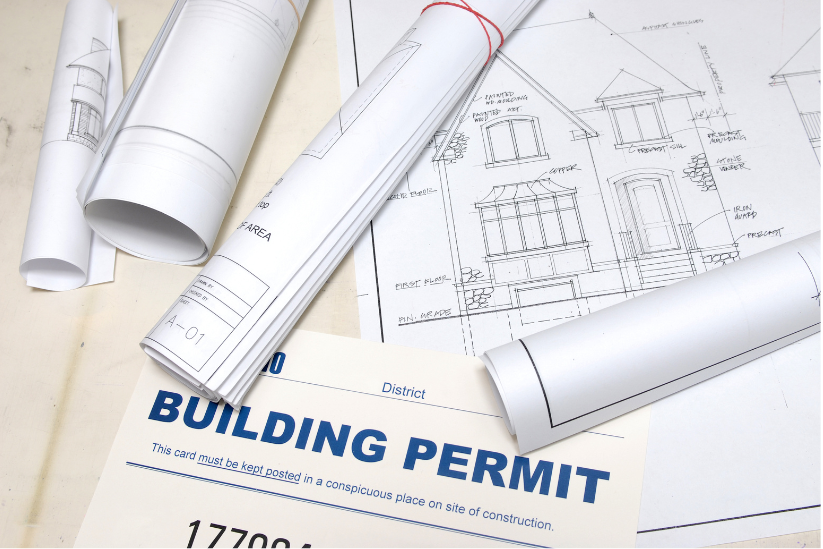
What Basement Work Requires a Permit in Utah
In Utah, permits are required for nearly all basement finishing projects that go beyond basic cosmetic updates. As soon as a basement is converted into functional, habitable living space, local building departments require permits to ensure the work meets current safety and building codes.
Many homeowners assume permits only apply to large or complex remodels. In reality, even seemingly straightforward changes — like adding walls or outlets — can trigger permit requirements once the space is intended for regular use.
Common types of basement work in Utah that require permits include:
- Framing walls, hallways, or rooms: Any new framing must meet spacing, fire blocking, and structural requirements.
- Adding bedrooms: Bedrooms trigger strict rules for ceiling height, emergency egress windows, smoke alarms, and fire separation.
- Electrical installation or changes: New outlets, lighting, panels, or circuits require inspection for fire and shock safety.
- Plumbing work: Bathrooms, wet bars, and laundry areas require permits for drainage, venting, and water supply connections.
- HVAC extensions or modifications: Adding vents or ductwork must comply with airflow, efficiency, and ventilation standards.
- Egress windows and window wells: Required for basement bedrooms and must meet minimum size and access requirements.
- Structural changes: Any modification to beams, posts, or load-bearing walls requires engineering review and approval.
Even if a basement looks “finished,” it may still be considered unfinished or non-habitable by the city if permits were never pulled. This often comes to light during home sales, refinancing, or insurance claims.

Common Gray Areas Utah Homeowners Misunderstand
Many Utah homeowners don’t intentionally skip permits — they assume certain changes fall into a “gray area.” Unfortunately, these assumptions are where projects most often get flagged by inspectors or appraisers.
- “It’s not a bedroom, just a guest room.”
If the room has a door, a closet, and is used for sleeping, Utah building departments treat it as a bedroom — which means egress and fire-code requirements apply. - “We didn’t add plumbing, just tied into existing lines.”
Any modification to plumbing systems still requires permits, even if the main lines already existed. - “We only added outlets and lights.”
New electrical circuits, outlets, or lighting require permits and inspections for fire safety — even if the panel wasn’t upgraded. - “The ceiling height is close enough.”
Basement ceiling heights are one of the most common Utah inspection failures. Finished areas must meet minimum clearance requirements, including under beams and ductwork. - “The window opens — that counts as egress.”
Egress windows must meet specific size, height, and accessibility standards. Many existing basement windows do not qualify.
These gray areas are why permits matter — they force these details to be addressed before the space is occupied, not years later when problems are far more expensive to fix.

Real Utah Inspection Issues We See
Across Utah County, Salt Lake County, and Davis County, inspectors tend to flag the same basement issues over and over. These are some of the most common problems that cause failed inspections or retroactive permit headaches:
- Non-compliant egress windows: Window wells that are too small, too deep, or lack proper ladder access.
- Missing or incorrectly placed smoke and CO detectors: Especially near basement bedrooms and stairwells.
- Insufficient ceiling clearance: Low beams or ductwork in finished areas that fall below code minimums.
- Improper fire blocking: Missing fire stops inside walls, soffits, or around mechanical penetrations.
- Unpermitted electrical work: Overloaded circuits, improper grounding, or DIY wiring that doesn’t meet Utah code.
- Bathrooms without proper ventilation: Fans that don’t vent outside or lack sufficient airflow.
These issues are rarely visible once drywall is up — which is exactly why inspections happen at multiple stages during a permitted basement remodel.

What Requires a Permit When Finishing a Basement in Utah?
If you’re looking for a simple rule of thumb, here it is:
If the work makes the basement usable as living space, a permit is required.
- Bedrooms → permit required
- Bathrooms → permit required
- Electrical or plumbing changes → permit required
- Egress windows → permit required
- Cosmetic-only work (paint, flooring) → usually no permit
Permitted vs Unpermitted Basements in Utah
Many Utah homeowners don’t fully understand the impact of skipping permits until they hit a major life moment — refinancing, selling their home, filing an insurance claim, or dealing with a city inspection triggered by a complaint or disclosure.
On paper, an unpermitted basement may look finished. In practice, it is often treated as unfinished or non-habitable space by lenders, insurers, appraisers, and buyers. That distinction can have serious financial consequences.
In Utah, the difference between a permitted and unpermitted basement usually comes down to documentation and inspections — not appearance. What’s behind the walls matters far more than how the space looks.
Where Utah homeowners often get caught off guard is during a home sale. Appraisers typically rely on permit records to determine what qualifies as finished living space. If permits don’t exist, that square footage may not be counted — even if the basement looks fully finished.
Insurance issues are another common problem. If damage occurs in an unpermitted basement — such as fire, flooding, or electrical failure — insurers may limit or deny coverage on the basis that the space was never approved as habitable.
In some Utah cities, unpermitted basements must be retroactively permitted before a sale can close. This can mean opening walls, upgrading systems to current code, or even removing finished work — often under tight deadlines and at significant cost.
A permitted basement isn’t just about passing inspections today. It’s about protecting your home’s value, avoiding future surprises, and ensuring the space is legally recognized as safe, livable square footage.
Quick Answer: Are Unpermitted Basements a Problem in Utah?
Yes. In Utah, unpermitted basements commonly create problems during refinancing, home sales, and insurance claims because the space is not legally recognized as finished living area.
- Lenders may exclude the basement from square footage
- Appraisers rely on permit records, not appearance
- Buyers may request price reductions or repairs
- Insurance claims can be limited or denied
This is why permits matter long after construction is complete.
What Happens During a Utah Home Sale If the Basement Isn’t Permitted?
During a home sale in Utah, unpermitted basement work often surfaces during the appraisal or buyer inspection — even if the space looks professionally finished.
Here’s how it typically plays out:
- Appraisal stage: The appraiser checks permit records. If permits don’t exist, the basement may not count as finished square footage.
- Buyer inspection: Inspectors often flag unpermitted work as a disclosure or safety concern.
- Negotiation phase: Buyers may request price reductions, repairs, or proof of permits.
- Pre-closing pressure: Some Utah cities require retroactive permits or corrections before closing.
Retroactive permitting can mean opening walls, upgrading systems to current code, or removing finished work — all under tight deadlines. This is one of the most stressful and expensive times to discover permit issues.
How Permits Protect Utah Homeowners Long-Term
A permitted basement protects homeowners well beyond construction. It creates a documented record that the space was built safely, legally, and to code — which matters years later.
- Supports smoother refinancing and appraisals
- Improves resale confidence and buyer trust
- Reduces risk of denied insurance claims
- Ensures the basement is counted as legal living space
Frequently Asked Questions About Basement Permits in Utah
Do you need a permit to finish a basement in Utah?
Yes. In Utah, permits are required when finishing a basement that will be used as living space. This includes adding walls, bedrooms, bathrooms, electrical, plumbing, HVAC, or egress windows.
Can I finish my basement without a permit if I do the work myself?
No. Permit requirements apply regardless of who performs the work. DIY basement finishing in Utah still requires permits and inspections if the space becomes habitable.
What happens if a basement was finished without permits in Utah?
Unpermitted basements may need retroactive permits, inspections, and code corrections. In some cases, walls or ceilings must be opened — or finished work removed — to verify compliance.
Does an unpermitted basement count as living space when selling a home?
Often, no. Utah appraisers typically rely on permit records to determine legal living space. If permits don’t exist, the basement may be excluded from square footage — even if it looks fully finished.
Can unpermitted basement work affect home insurance?
Yes. Insurance companies may limit or deny claims related to unpermitted basement work, especially if damage involves electrical, plumbing, or fire-related issues.
Do all Utah cities have the same basement permit rules?
While permit fees and review processes vary by city or county, basement finishing permits are required statewide. Local amendments may affect details like inspections or documentation.
Does adding a bedroom always require an egress window?
Yes. Utah code requires compliant emergency egress for basement bedrooms. Many existing basement windows do not meet size or access requirements.
How long does the basement permit process take in Utah?
Timelines vary by city, but most basement permits add days or a few weeks to the planning phase — not months — especially when handled correctly from the start.
Is it better to have a contractor handle permits?
Yes. Experienced Utah contractors manage permits, inspections, and code compliance as part of the remodel, reducing delays, rework, and future risk.
Planning a Basement Remodel?
We handle permits, inspections, and code compliance — so your basement is safe, legal, and built right the first time.