

Most Utah homeowners assume their home insurance covers their entire house — including a finished basement. In many cases, that assumption isn’t tested until something goes wrong.
A common and important question we hear is:
“Does home insurance cover an unpermitted basement in Utah?”
The answer is: it depends. But unpermitted basement work can absolutely complicate — or limit — insurance coverage when claims involve electrical, plumbing, fire, or water damage.
How Home Insurance Views Finished Basements in Utah
Home insurance policies are designed to cover sudden and accidental damage — not construction defects, poor workmanship, or unverified building work. When a basement has been finished without permits, insurers may question whether the space meets basic safety and building standards.
In Utah, insurance companies typically do not review permit history when a policy is issued or renewed. Coverage often appears normal on paper, which can give homeowners a false sense of security.
Problems tend to surface after a claim is filed. At that point, insurance adjusters investigate what failed, how the damage occurred, and whether the affected work was installed legally and to code.
If the source of damage is linked to unpermitted electrical wiring, plumbing connections, framing changes, or ventilation systems, the insurer may argue that the loss is related to non-compliant work rather than a covered event.
Depending on the findings, coverage may be reduced, delayed, or denied entirely. Even when part of a claim is covered, repairs tied to unpermitted work may be excluded — leaving homeowners responsible for significant out-of-pocket costs.
Utah Insurance Checklist: What to Review Before Filing a Basement Claim
If you’re dealing with damage in a finished basement, taking a few steps before filing an insurance claim can help prevent delays, coverage disputes, or unexpected exclusions — especially in Utah homes with older or modified basements.
- Confirm whether basement work was permitted: Check city or county records for permits related to basement finishing, bathrooms, electrical, plumbing, or HVAC work.
- Identify where the damage originated: Claims tied to unpermitted wiring, plumbing, or framing are more likely to be scrutinized than damage caused by external events.
- Document the damage thoroughly: Photos, videos, and notes taken early can help clarify what failed and when — before repairs begin.
- Review your policy exclusions: Some policies limit coverage for workmanship-related issues or losses tied to non-code-compliant work.
- Avoid making assumptions about coverage: Just because a basement looks finished doesn’t mean all repairs will be covered under your policy.
- Get professional input if permits are unclear: Contractors or inspectors can help assess whether unpermitted work may affect claim outcomes.
Many insurance issues arise not because coverage doesn’t exist — but because homeowners file claims without understanding how basement permits and code compliance factor into the review process.
For Utah homeowners, a short review before filing can mean the difference between a smooth claim and a prolonged dispute.
When Unpermitted Basements Create Insurance Problems
Unpermitted basement work most often becomes an issue when an insurance claim involves systems that are regulated for safety. These are areas where insurers expect work to have been permitted, inspected, and documented.
In Utah, claims rarely hinge on how nice a basement looks. They hinge on cause of loss. If damage is traced back to work that should have been permitted, insurers may argue the loss stems from non-compliant construction rather than a covered event.
The most common claim scenarios where unpermitted basements create problems include:
- Electrical fires or short circuits: Basement wiring added without permits or inspections is frequently scrutinized after fire-related claims.
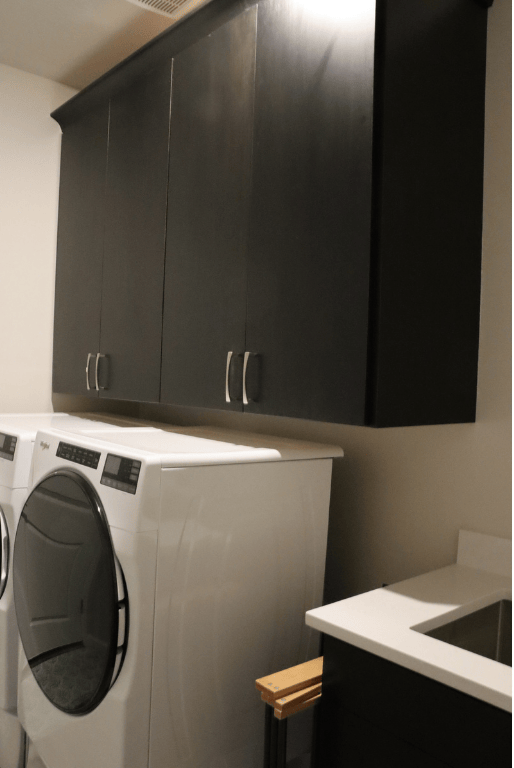
- Plumbing leaks or sewer backups: Claims tied to basement bathrooms, wet bars, or laundry rooms often trigger questions about whether plumbing work was approved.
- Flooding linked to basement fixtures: Water damage originating from unpermitted fixtures or drainage changes may face partial or full denial.
- HVAC failures or ventilation issues: Improper ductwork or ventilation can lead insurers to argue the loss resulted from installation defects.
- Structural damage tied to framing changes: Modified walls, beams, or supports without permits raise red flags during claim investigations.
If an investigation determines that the damaged area was built or altered without permits or inspections, insurers may assert that the loss is connected to non-compliant work. In those cases, payouts may be reduced, repairs excluded, or claims denied entirely — even if the basement has been used safely for years.
For Utah homeowners, the takeaway is simple: insurance problems don’t usually arise because a basement exists — they arise when damage is connected to work that was never formally approved.
Does Insurance Ever Cover Unpermitted Basement Damage?
Yes — sometimes. Insurance coverage does not automatically disappear just because a basement was finished without permits. What matters most is whether the damage was caused by a covered event or by the way the basement was built or modified.
In Utah, insurers are more likely to cover damage that is clearly unrelated to unpermitted work. For example, damage caused by a severe storm, burst municipal water line, or other external event may still qualify for coverage — even if the basement itself was not permitted.
Problems arise when the loss is tied to how the basement was finished. If faulty wiring, improper plumbing, poor ventilation, or framing changes contributed to the damage, insurers may argue that the claim stems from non-compliant construction rather than a covered accident.
Coverage decisions are highly fact-specific. The closer the connection between the damage and unpermitted work, the more leverage the insurer has to limit payouts, exclude certain repairs, or deny coverage for affected areas.
For Utah homeowners, this distinction is critical: unpermitted basements don’t automatically void insurance, but they do introduce uncertainty that often only becomes clear after a claim is filed.

Why Permit History Matters Long Before an Insurance Claim
For many Utah homeowners, permit status feels irrelevant until something goes wrong. But insurance decisions are rarely made in isolation — they are based on how, when, and why a loss occurred, not just the visible damage.
When a finished basement is involved, permit history becomes part of the broader risk assessment. Insurers look at whether systems were installed legally, whether safety standards were met, and whether the loss could have been prevented through compliant construction.
This is why insurance issues tied to unpermitted basements often surprise homeowners. Coverage may appear intact for years — until a claim forces the insurer to examine the work more closely.
In Utah homes with finished basements, permit history isn’t just a technical detail. It quietly influences how risk is evaluated long before a claim is ever filed.

Frequently Asked Questions
Will insurance deny a claim because my basement wasn’t permitted?
Not automatically. Insurance claims are evaluated based on the cause of the damage. If the loss is directly tied to unpermitted electrical, plumbing, HVAC, or structural work, insurers are more likely to challenge or limit coverage. Damage caused by unrelated external events may still be covered.
Does insurance check permits before issuing a policy?
Usually no. In Utah, most insurance companies do not verify permit history when issuing or renewing a policy. Permit issues typically surface only after a claim is filed, when adjusters investigate how and why the damage occurred.
Is water damage treated differently than fire damage in basements?
Often yes. Water damage claims involving basement bathrooms, wet bars, laundry rooms, or drainage systems tend to receive closer scrutiny — especially if plumbing work was unpermitted. Fire claims may also be investigated closely when basement wiring or outlets were added without inspection.
Can part of a basement claim be covered and part denied?
Yes. In many cases, insurers may cover damage to permitted or original portions of the home while excluding repairs tied to unpermitted basement work. This can leave homeowners responsible for a portion of the repair costs.
Should I fix permit issues before filing an insurance claim?
If permit status is unclear and the damage involves basement systems, getting professional advice first can help you understand potential risks. Addressing permit or code issues proactively often gives homeowners more control over claim outcomes and timelines.
Concerned About Basement Permits or Insurance Risk?
Permitted basement work helps protect not just your home — but your coverage, equity, and peace of mind.