
If you’re preparing to sell your home in Utah and your basement is still unfinished, you’re likely asking the question every seller eventually asks:
Should I finish my basement before selling — or list it as-is?
In Utah, basement space isn’t just “extra.” It’s expected. In many neighborhoods across Salt Lake, Utah County, Davis County, and beyond, buyers compare total livable square footage — not just the main floor. An unfinished basement can either look like opportunity… or unfinished work.
The reality is this: finishing your basement before selling can increase buyer appeal, improve appraisal value, and help your home compete more aggressively. But it can also tie up $50,000–$90,000+ in capital that you may not fully recover.
Whether finishing your basement is worth it depends on four things: your neighborhood comps, your price ceiling, your timeline to sell, and how your home compares to nearby listings.
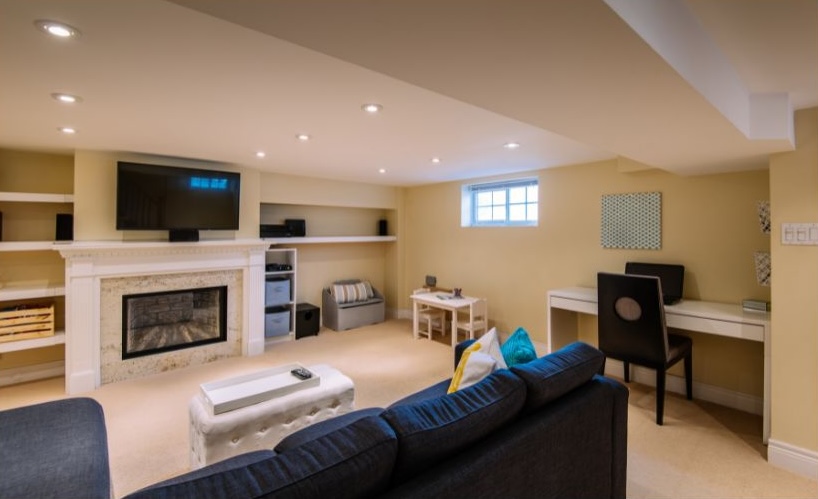
Why Finished Basements Sell Better in Utah
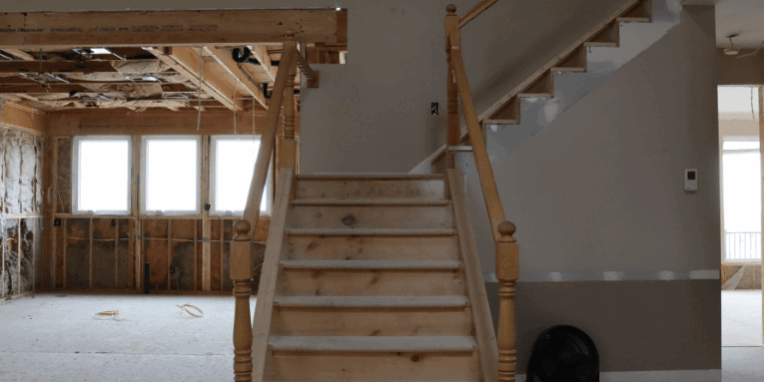
In Utah, unfinished basements are common. Many homes are built with lower levels framed for future expansion — open concrete space, exposed utilities, and rough-ins waiting to be completed. Builders design them this way intentionally, assuming homeowners will finish them later.
The issue is this: when it comes time to sell, buyers don’t evaluate “potential” the same way homeowners do. While sellers may see opportunity, many buyers see cost, time, and uncertainty.
In today’s Utah market — especially in family-driven communities throughout Utah County, Salt Lake County, and Davis County — buyers strongly prefer homes that feel complete and move-in ready. A professionally finished basement eliminates guesswork and positions your home as turnkey instead of a future project.
- Adds legal, permitted square footage that increases listing value
- Improves appraisal calculations when completed to code
- Strengthens buyer perception during showings
- Creates additional bedrooms or bathrooms to match neighborhood comps
- Expands lifestyle appeal (home office, gym, theater, guest suite, rental potential)
- Reduces buyer hesitation about future renovation costs
- Prevents buyers from mentally discounting your home during comparison shopping
There’s also a psychological factor at play. When buyers walk through an unfinished basement, they often overestimate the cost to complete it. A $60,000 project may feel like $90,000 in their mind. That perception alone can influence offers.
In competitive Utah markets, homes are frequently compared by total livable square footage — not just main-floor layout. When similar homes nearby offer finished basements, properties without one can feel incomplete, even if priced lower.
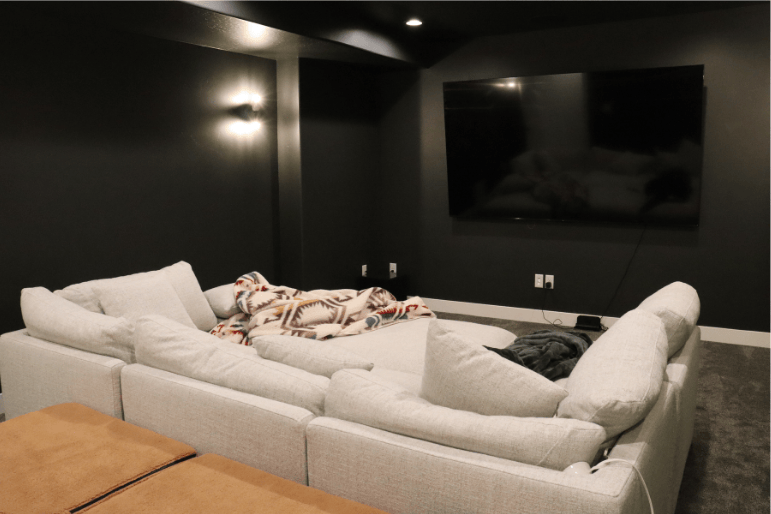
How It Impacts Resale Value
A professionally finished basement in Utah typically returns 60–75% of its cost in direct resale value. Full cost recovery is uncommon — especially in the short term — but resale value isn’t just about dollar-for-dollar return.
What matters more is positioning. Adding finished, permitted square footage can move your home into a stronger pricing bracket and make it competitive with higher-tier neighborhood comps.
For example, a 3-bedroom home with an unfinished basement may compete against entry-level listings. Finish that basement with an additional bedroom, bathroom, and family room — and suddenly it compares against larger 4–5 bedroom homes with significantly stronger asking prices.
Appraisers in Utah calculate value based on permitted, finished square footage. When completed properly and up to code, that space is included in valuation metrics. However, if you are already near your neighborhood’s price ceiling, the market may limit how much you can recapture.
| Basement Finish Type | Estimated Cost | Potential Value Increase |
|---|---|---|
| Basic Finish | $45K–$65K | $30K–$50K |
| Mid-Range Finish w/ Bathroom | $65K–$90K | $45K–$70K |
| High-End Finish | $90K+ | Market dependent |
Keep in mind that resale value is influenced by more than construction cost. Neighborhood demand, current market conditions, interest rates, buyer pool depth, and competing listings all affect how much value a finished basement adds.
In strong seller markets, the financial return may matter less than speed and buyer competition. In more balanced or buyer-sensitive markets, finished square footage can be the deciding factor between multiple offers and price reductions.
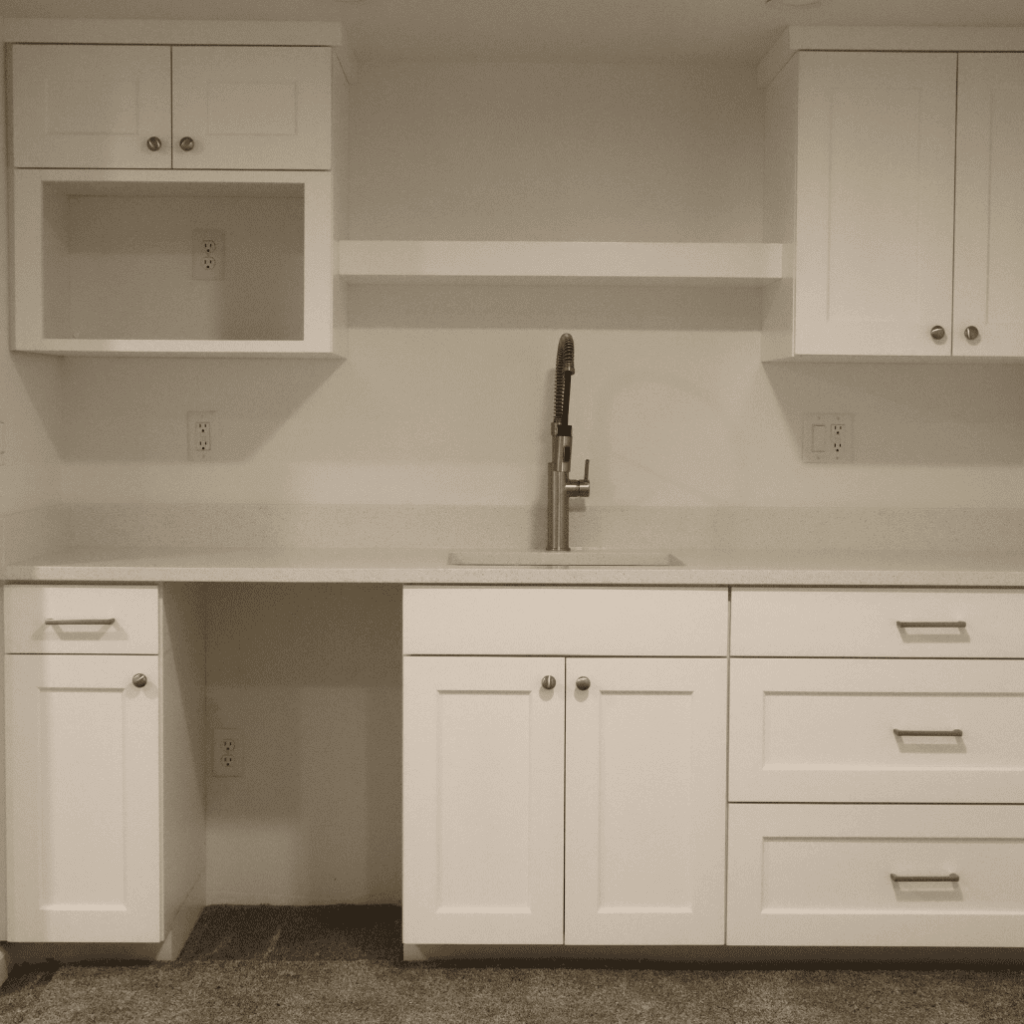
When Finishing Before Selling Makes Strategic Sense
Finishing your basement before selling isn’t about emotion — it’s about leverage. In the right situation, a basement remodel can strengthen your pricing power, expand your buyer pool, and reduce negotiation pressure.
It makes the most strategic sense when several of the following factors apply:
- Your neighborhood comps mostly include finished basements.
If comparable homes nearby offer fully finished lower levels, buyers will expect similar space in your home. An unfinished basement can make your property feel incomplete — even if priced competitively. - You are below the neighborhood price ceiling.
If your home is currently priced beneath the top sales in your area, adding finished square footage may allow you to move into a higher pricing tier without exceeding market limits. - You have time before listing (3–6 months).
Basement remodels in Utah typically take several months when permits, inspections, and finish work are factored in. If you aren’t under immediate pressure to sell, you can complete the project properly and market the added space effectively. - Your home lacks bedroom count compared to competitors.
Adding one or two legal bedrooms — especially with proper egress and a bathroom — can significantly improve how your home compares against nearby listings. - You want to maximize appeal in a buyer-sensitive or shifting market.
In markets where buyers are more selective, turnkey homes outperform properties that require future projects. A finished basement reduces objections and strengthens negotiation position.
If your situation aligns with several of these points, finishing your basement before selling may not just improve resale value — it may improve how your home competes overall.
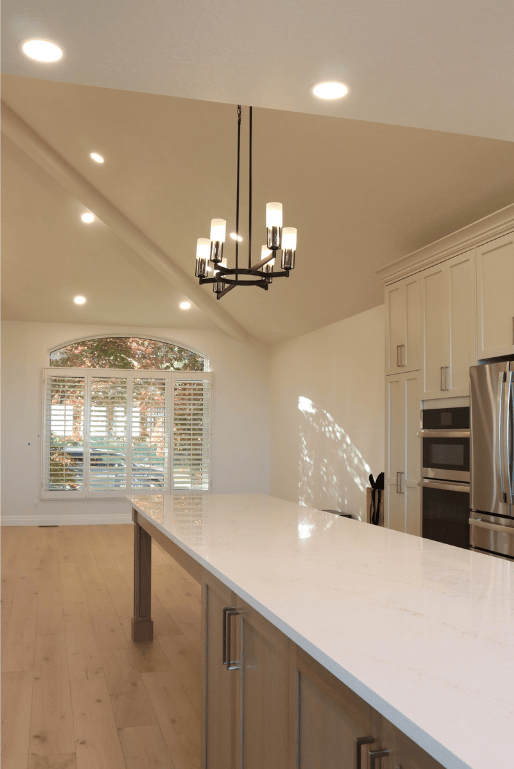
When It May Not Be Worth It
While finishing a basement can strengthen resale position, it is not always the smartest financial move. In some cases, the risk, timeline, or market conditions simply don’t justify the investment.
It may not be worth finishing your basement before selling if the following apply:
- You plan to sell within 60–90 days.
Basement remodels require permits, inspections, framing, electrical, plumbing, drywall, and finish work. Rushing the process increases stress and can compromise quality. If your timeline is tight, listing as-is may be more practical. - Your home is already at the top of neighborhood values.
Every area has a pricing ceiling. If comparable homes are selling at a certain maximum price, adding improvements may not push you beyond that threshold — meaning you won’t recover much of the cost. - The market is strongly favoring sellers.
In aggressive seller markets where inventory is low and buyer demand is high, homes often sell quickly regardless of unfinished space. In these conditions, the return on improvement may be limited. - The remodel would require major structural upgrades.
If your basement needs foundation work, drainage correction, low ceiling adjustments, or significant mechanical relocation, costs can escalate quickly. These projects reduce ROI and increase risk. - Financing the project creates unnecessary financial pressure.
Taking on new debt or draining emergency reserves to fund a remodel can create stress — especially when the resale return is not guaranteed. Strategic improvements should strengthen your position, not weaken it.
In short, finishing a basement before selling makes sense when it improves leverage. If it increases financial strain or exceeds your neighborhood’s value limits, listing as-is may be the more disciplined move.
Basement Before Selling FAQs (Utah)
Does finishing a basement increase appraisal value in Utah?
Yes — when completed with permits and built to code, finished basement square footage is included in appraisal calculations. Utah appraisers evaluate comparable sales with similar finished space. However, the amount of value added depends on neighborhood price ceilings and recent comp data.
Will buyers pay more for a finished basement?
In most Utah markets, buyers strongly prefer finished basements because they avoid renovation time, permitting headaches, and unexpected costs. While buyers may not pay dollar-for-dollar for the remodel, finished space often improves competitiveness and reduces negotiation pressure.
How much does it cost to finish a basement in Utah before selling?
Most professionally finished basements in Utah range between $45,000 and $90,000+, depending on layout, bathroom additions, ceiling height, and finish level. Structural work, plumbing relocation, and egress installation can increase costs. It’s important to evaluate return potential before committing.
How long does it take to finish a basement before listing?
A typical Utah basement remodel takes 8–16 weeks from permitting to final inspection, depending on complexity. Sellers planning to list within 60–90 days may not have sufficient time to complete the project properly.
Is it risky to sell a house with an unfinished basement?
Not necessarily. Many Utah homes sell successfully with unfinished basements. However, if comparable listings nearby offer finished lower levels, your buyer pool may shrink or buyers may negotiate more aggressively.
Should I partially finish my basement before selling?
Partial finishes (such as adding a single bedroom or basic family room) can sometimes improve competitiveness at a lower cost. However, incomplete or mismatched finishes can hurt perception. The project should feel cohesive and permitted to add real value.
Not Sure If Finishing Your Basement Is Worth It?
We help Utah homeowners evaluate whether finishing a basement will strengthen resale leverage or simply add unnecessary cost