
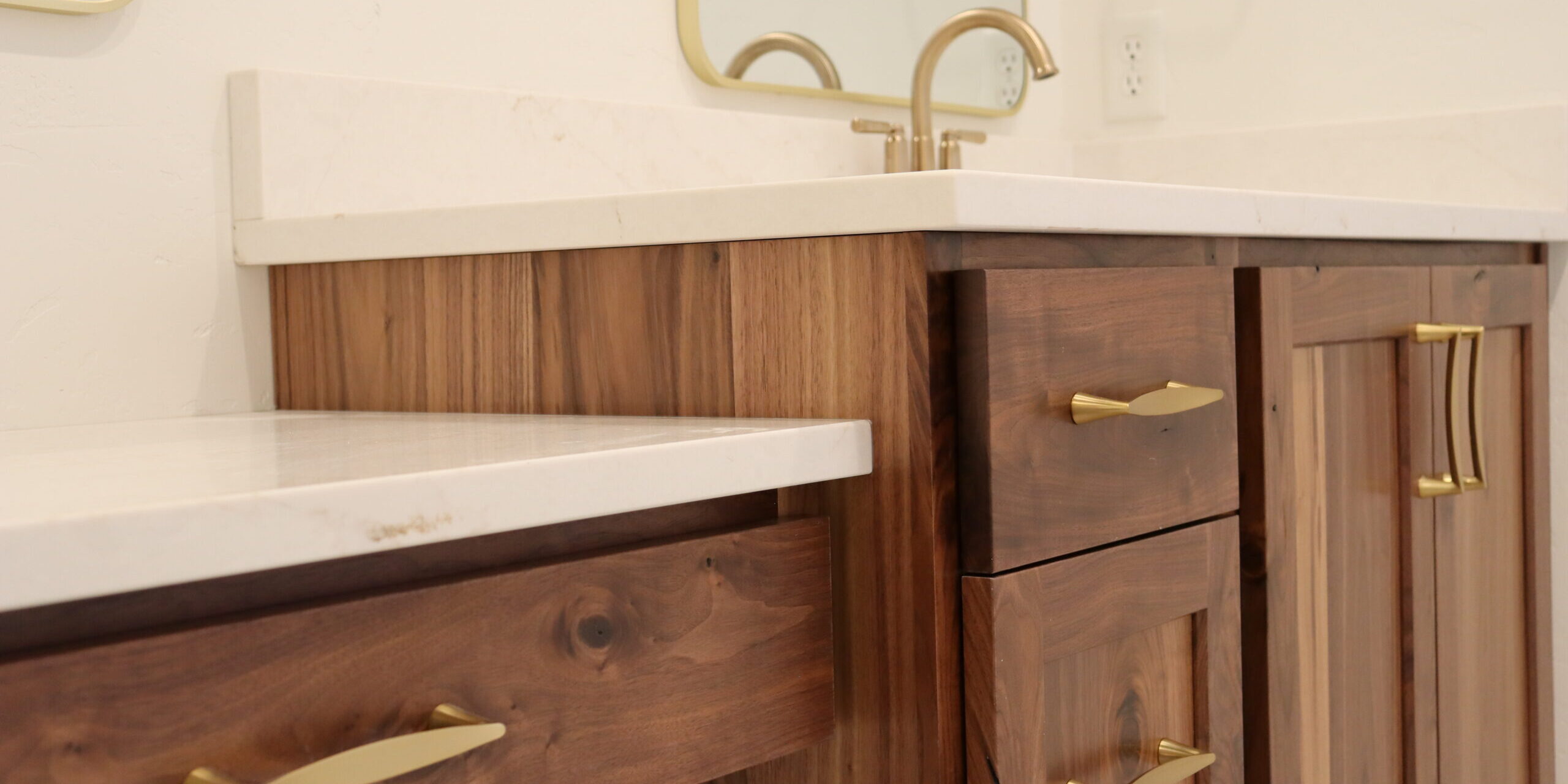
Why Basement Bathrooms Require Extra Planning
Basements aren’t like regular bathrooms — they’re below grade, which means moisture, drainage, and light all need careful design. With the right strategy, you can overcome those challenges and build a space that feels just as inviting as the rest of your home.
| Challenge | Smart Solution |
|---|---|
| Limited Light | Use LED mirrors, light wells, or reflective surfaces. |
| Low Ceilings | Opt for compact fixtures and vertical wall design. |
| Moisture & Ventilation | Install exhaust fans and moisture-resistant finishes. |
| Plumbing Depth | Use macerating or upflush toilets for below-grade systems. |
1. Compact Full Bath Layouts
You don’t need a massive footprint to create a stylish, fully functional basement bathroom.
With strategic layout choices and space-saving fixtures, even a 6×8-foot area can fit a shower, vanity, and toilet comfortably.
The key is to think vertically, eliminate wasted corners, and use light, reflective finishes to make the space feel larger.
| Design Element | Function | Tip for Small Spaces |
|---|---|---|
| Corner Shower Stall | Saves valuable floor space while maintaining comfort. | Opt for a glass enclosure to reflect light and avoid visual bulk. |
| Wall-Mounted Sink or Vanity | Frees up floor area for easier cleaning and legroom. | Choose floating vanities with integrated storage drawers to maximize utility. |
| Recessed Shelving | Provides built-in storage without encroaching on usable space. | Use LED backlighting to create depth and visual interest. |
- Corner shower stalls: Save space and make the layout flow better.
- Wall-mounted sink: Opens up legroom while adding a modern touch.
- Recessed shelving: Adds built-in storage without reducing movement space.
Pro Tip: Ditch the shower curtain — glass doors help the bathroom feel twice as large by letting light flow through.
2. The Spa-Style Retreat
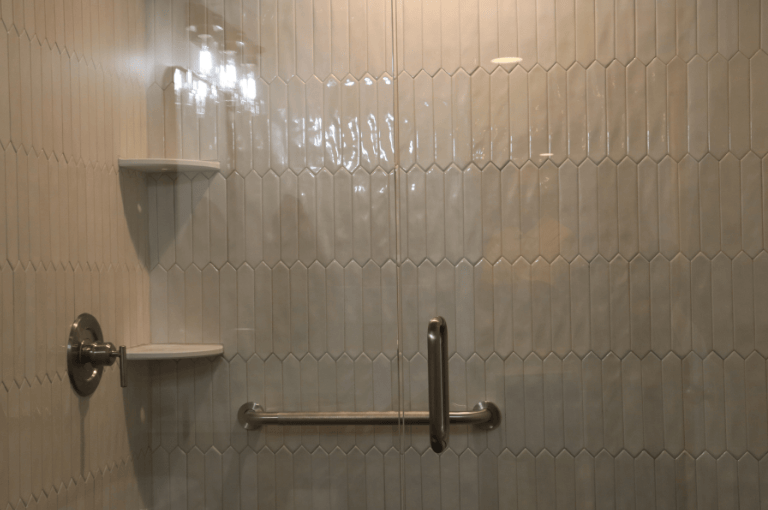
A basement bathroom doesn’t have to feel utilitarian. With the right materials and mood lighting, you can transform it into a personal wellness retreat.
Think serene tones, soft textures, and subtle warmth — a place you’ll actually look forward to using after a long day or workout.
| Feature | Luxury Factor | Design Inspiration |
|---|---|---|
| Rainfall or Steam Shower | Turns everyday showers into a spa-like experience. | Include a tiled niche for oils, candles, or eucalyptus bundles. |
| Heated Floors | Eliminates the chill from basement concrete slabs. | Pair with matte stone tile for a natural, tactile feel. |
| Neutral Color Palette | Creates a tranquil, cohesive look. | Layer shades of taupe, cream, and gray with brass or black fixtures. |
- Rainfall showerhead or steam shower: Adds that five-star feel.
- Heated floors: Keep toes warm and cozy year-round.
- Neutral palette: Builds a timeless spa-like backdrop.
Pro Tip: Pair your bathroom design with your basement spa area for a seamless wellness experience that feels truly high-end.
3. Smart Lighting Design
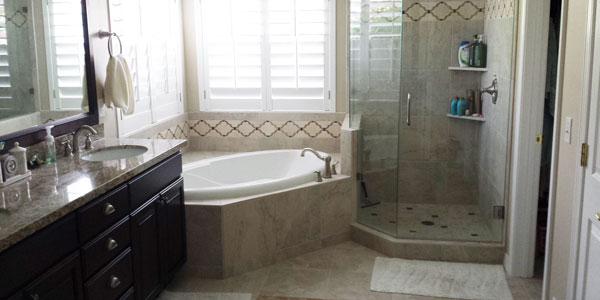
Lighting is everything in a basement bathroom — it sets the mood, defines the space, and compensates for the lack of natural sunlight.
The trick is layering light strategically: a mix of ambient, task, and accent lighting that works together to make the space bright and inviting.
| Lighting Type | Purpose | Design Tip |
|---|---|---|
| Ceiling LEDs | Provide consistent, bright general illumination. | Use dimmable options to control ambiance and brightness. |
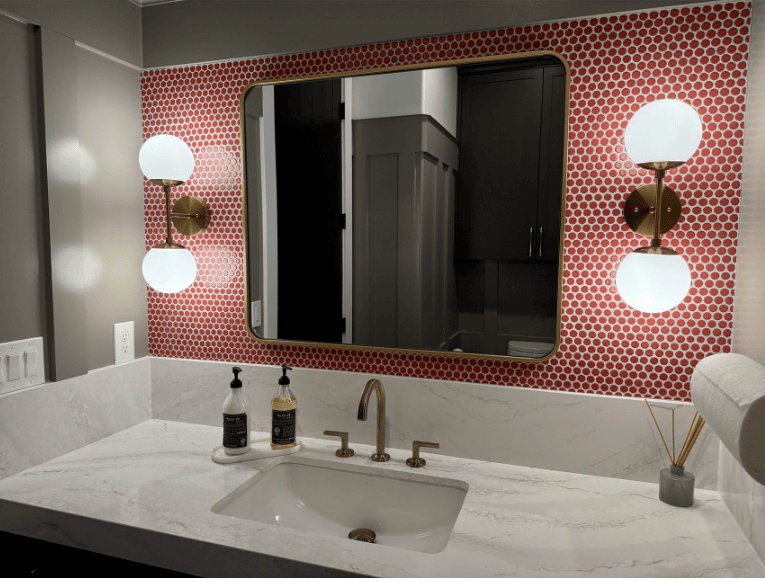
| Wall Sconces or Mirror Lights | Offers flattering, shadow-free lighting for grooming. | Install on both sides of the mirror rather than above it. |
| Accent LED Strips | Highlights niches, mirrors, or shelves for modern flair. | Choose daylight (4000–5000K) bulbs to mimic natural light. |
- Ceiling LEDs: Ensure balanced brightness throughout the room.
- Wall sconces or mirror lights: Perfect for makeup, shaving, or skincare routines.
- Accent strips: Add subtle glow and modern ambiance.
Pro Tip: Use daylight bulbs (4000–5000K) for a crisp, natural look that prevents that “basement gloom.”
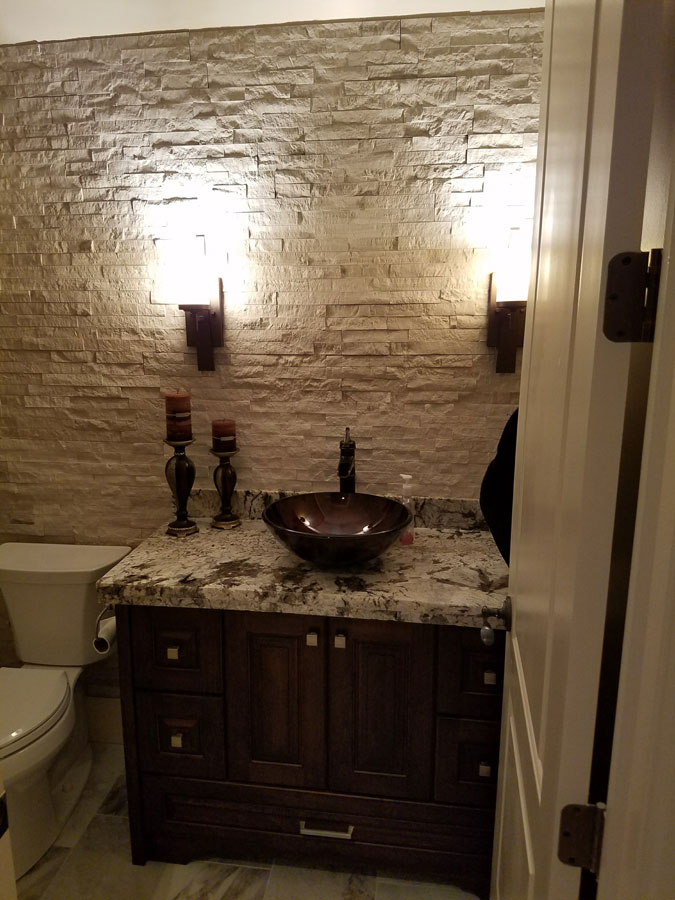
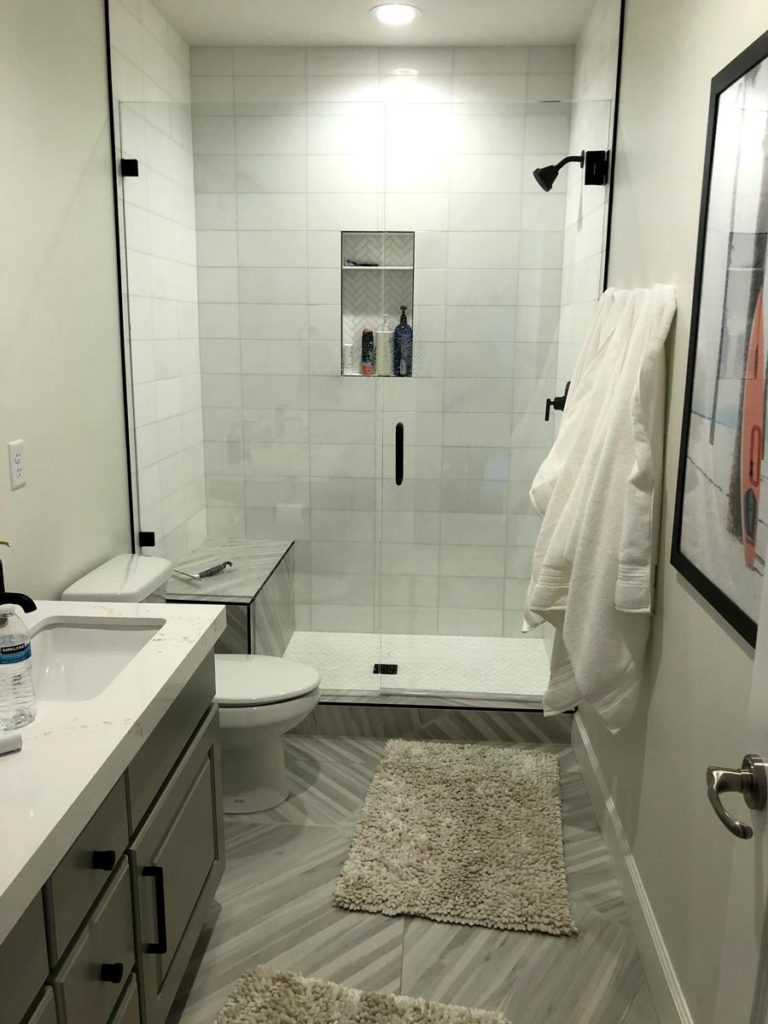
4. Walk-In Shower Perfection
Walk-in showers are the ultimate blend of style and practicality for basement bathrooms.
They make the space feel open and modern, reduce visual clutter, and are easier to clean and maintain than traditional shower-tub combos.
With sleek finishes, thoughtful lighting, and subtle details, a walk-in shower can completely transform how your basement bath looks and feels.
| Feature | Benefit | Design Tip |
|---|---|---|
| Curbless Entry | Creates a barrier-free design that looks sleek and improves accessibility. | Use the same tile throughout to create a seamless, open visual flow. |
| Wall-Mounted Fixtures | Saves space and enhances the minimalist aesthetic. | Opt for brushed nickel or matte black finishes for a modern contrast. |
| Large-Format Tiles | Fewer grout lines make the shower feel larger and more cohesive. | Install tiles vertically to emphasize height in lower-ceiling basements. |
- Curbless entry: Visually enlarges small bathrooms and improves accessibility.
- Wall-mounted fixtures: Keep the space clean, minimal, and easy to maintain.
- Large-format tiles: Create a continuous, spa-like aesthetic with fewer grout lines.
Pro Tip: Use the same tile color for both the shower and floor — it tricks the eye into seeing one unified, expansive space.
5. Add a Half Bath for Convenience
Even if your basement can’t accommodate a full bathroom, a half bath is a worthwhile addition.
It’s perfect for guest areas, home offices, game rooms, or entertainment spaces — giving you functionality without major plumbing upgrades.
The key is to make it compact yet stylish so it feels intentional rather than an afterthought.
| Feature | Purpose | Design Tip |
|---|---|---|
| Compact Vanity or Pedestal Sink | Saves space while offering essential storage or functionality. | Look for corner vanities or floating options to free up floor area. |
| Wall-Mounted Toilet | Provides a modern, sleek look and saves several inches of depth. | Hide the tank in-wall for a seamless minimalist appearance. |
| Vertical Mirror | Draws the eye upward to make ceilings appear higher. | Use backlit mirrors to add soft, flattering light in tight areas. |
- Compact vanity or pedestal sink: Saves space and keeps things minimal.
- Wall-mounted toilet: Adds a high-end, European-inspired touch.
- Vertical mirror: Creates an illusion of higher ceilings.
Pro Tip: Go bold with one feature wall — patterned wallpaper, textured tile, or moody paint can make even a tiny half bath feel designer-level.
6. Creative Storage Solutions
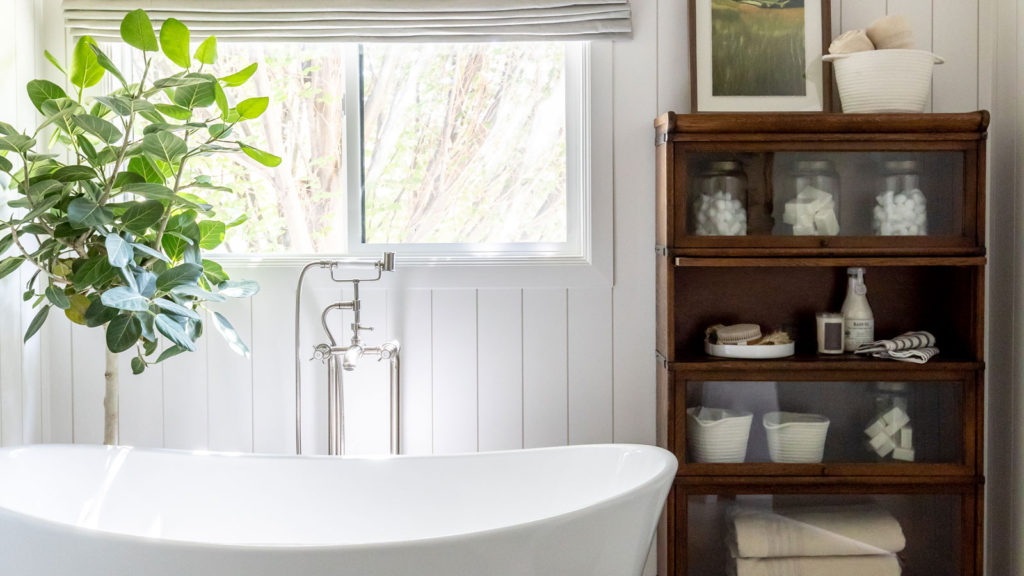
Basement bathrooms tend to be tighter, so storage must be clever, integrated, and space-conscious.
Think recessed, floating, or vertical — designs that keep essentials within reach without overwhelming the layout.
The right mix of function and finesse can make even the smallest basement bath feel elevated.
| Storage Type | Best Use | Design Tip |
|---|---|---|
| Recessed Shelving or Medicine Cabinets | Ideal for storing toiletries or first aid items in limited wall space. | Install flush with the wall and finish with LED lighting for a high-end look. |
| Floating Vanity Drawers | Provide hidden storage while maintaining a light, open feel. | Choose soft-close hardware to reduce noise in compact layouts. |
| Over-the-Toilet Cabinets | Utilize vertical wall space efficiently for towels and supplies. | Match the cabinetry finish to your vanity for a cohesive design. |
- Recessed shelving or medicine cabinets: Perfect for tight layouts where every inch counts.
- Floating vanity drawers: Create sleek storage without adding bulk.
- Over-the-toilet cabinets: Maximize wall height for functional elegance.
Pro Tip: Use mirrored or glossy cabinet finishes to reflect light and make your bathroom feel larger and brighter.
7. Waterproof Everything
Even the most beautiful basement bathroom won’t last without proper waterproofing.
Moisture naturally moves through concrete foundations, so preventing seepage and mold from the start is crucial.
Professional waterproofing not only protects your investment but ensures your bathroom remains safe, dry, and low-maintenance for years.
| Waterproofing Feature | Purpose | Installation Tip |
|---|---|---|
| Waterproof Membranes | Creates a watertight barrier beneath tile and stone surfaces. | Apply continuously over shower pans, floors, and lower wall sections. |
| Moisture-Resistant Drywall (Greenboard) | Prevents mold growth in humid areas. | Use behind all tiled areas and ceilings near showers. |
| Proper Sealing | Prevents leaks and water intrusion around fixtures and edges. | Re-seal grout lines and silicone joints every few years for ongoing protection. |
- Waterproof membranes: Essential under tile to prevent water seepage.
- Moisture-resistant drywall (greenboard): Stops mold and mildew before they start.
- Proper sealing: Keeps every corner watertight for long-term durability.
Pro Tip: Have a professional remodeler inspect your foundation and sump pump before you begin construction — it’s the difference between “finished” and “future leak.”
8. Ventilation That Works
A basement bathroom without proper ventilation is a breeding ground for mold, mildew, and persistent odors.
Because these rooms often lack windows, air circulation must come from fans, ducting, and humidity controls.
The goal: remove moisture quickly, quietly, and automatically — no manual reminders required.
| Ventilation Type | Function | Usage Tip |
|---|---|---|
| Quiet Exhaust Fans | Removes moisture after showers or baths. | Run for 15–20 minutes post-shower to prevent condensation buildup. |
| Inline Fans | Ideal for long duct runs and spaces with limited ceiling clearance. | Install remotely to minimize noise while maintaining airflow efficiency. |
| Humidity Sensors | Automatically turns fans on/off to maintain optimal moisture levels. | Integrate with smart home systems for seamless automation. |
- Quiet exhaust fans: Maintain airflow without noise.
- Inline fans: Great for long vent runs or low-ceiling layouts.
- Humidity sensors: Automate air control and protect from excess moisture.
Pro Tip: Add a dehumidifier in adjacent rooms to maintain full-basement air quality — it keeps your entire lower level fresh and mold-free.
9. Choose Moisture-Safe Materials
Everything in a basement bathroom must stand up to humidity, condensation, and potential water exposure.
That means prioritizing waterproof, mold-resistant materials from the floor to the ceiling.
Durability doesn’t mean dull — with modern options, you can have both resilience and refined style.
| Material Type | Best Use | Design Tip |
|---|---|---|
| Tile or Vinyl Flooring | Fully waterproof and simple to maintain. | Choose slip-resistant finishes for added safety on basement slabs. |
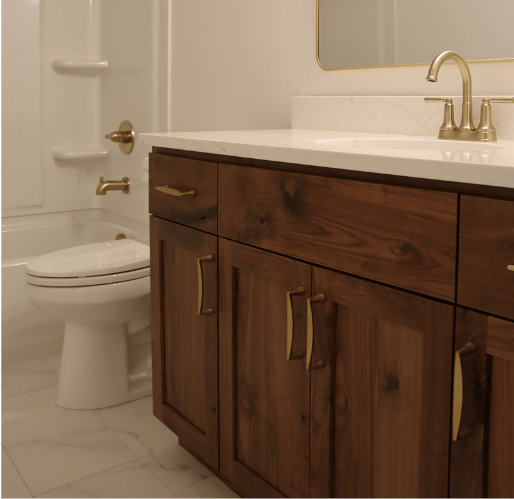
| Quartz or Solid-Surface Counters | Nonporous, hygienic, and durable against moisture. | Pair with matte black or brass hardware for modern contrast. |
| Paint with Mold Inhibitors | Extends wall life and prevents damp spots or discoloration. | Opt for satin or semi-gloss finishes for easier cleaning. |
- Tile or vinyl flooring: Durable, waterproof, and stylish for basement environments.
- Quartz or solid-surface counters: Resist moisture, stains, and warping.
- Paint with mold inhibitors: Keeps walls looking fresh and healthy.
Pro Tip: Avoid raw wood trim or unsealed cabinetry — moisture will warp it fast. If you love the look of wood, go for sealed or faux alternatives.
10. Make It Feel Like an Upstairs Bathroom
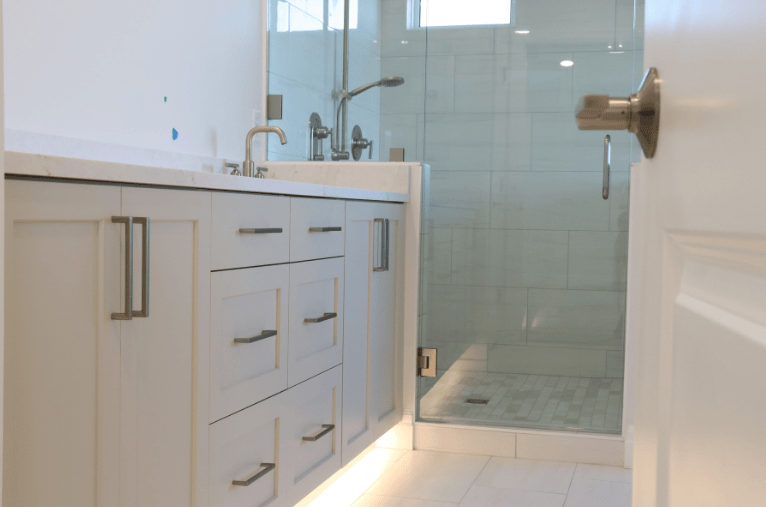
A well-designed basement bathroom should feel like a natural continuation of your home — not an afterthought tucked underground.
Blend finishes, fixtures, and materials that mirror your upstairs bathrooms, and use bright, airy details to erase the basement feel entirely.
| Design Element | Purpose | Design Tip |
|---|---|---|
| Consistent Finishes | Creates cohesion with the rest of your home’s design. | Repeat fixture styles, hardware finishes, or tile accents from upstairs. |
| Light-Colored Materials | Brightens darker basement spaces. | Use soft whites, creams, or pale grays to reflect light. |
| Strategic Mirrors | Expands perceived space and enhances brightness. | Add one large mirror or multiple smaller ones to bounce light evenly. |
- Consistent finishes: Mirror your upstairs design choices for a cohesive home feel.
- Light-colored materials: Make the space feel taller and more open.
- Strategic mirrors: Reflect both natural and artificial light to brighten the entire room.
Pro Tip: Add one unexpected statement element — a framed art piece, pendant light, or textured accent wall — to give your basement bathroom personality and polish.
Basement Bathroom Remodel Cost Breakdown
Now that your design ideas are mapped out, it’s time to budget smartly.
From plumbing rough-ins to luxury finishes, your cost will depend on scope, materials, and square footage.
Let’s break down what to expect when planning your basement bathroom remodel in Utah.
According to HomeAdvisor, finishing a basement bathroom typically costs between $8,000 and $25,000+ depending on size, layout, and materials. High-end spa bathrooms or steam setups can reach $40,000+.
| Feature | Average Cost (USD) | Notes |
|---|---|---|
| Basic Half Bath | $8,000 – $12,000 | Sink, toilet, basic finishes. |
| Full Bathroom | $15,000 – $25,000 | Includes shower and mid-range materials. |
| Luxury Bathroom | $25,000 – $40,000+ | Heated floors, steam shower, high-end tile. |
| Plumbing Work | $2,000 – $6,000 | Drain lines, pump, venting. |
| Waterproofing & Ventilation | $1,500 – $4,000 | Membranes, fans, sealing. |
Design Tips for Small Basement Bathrooms
- Choose floating vanities: They make tight layouts feel open.
- Use pocket doors: Saves floor space compared to swing doors.
- Light, glossy tiles: Reflect more light and expand the visual field.
- Keep color continuity: Match floor and wall tones for a seamless look.
- Mirror placement: Large mirrors create a sense of depth in small areas.
Transform Your Basement with a Stylish Bathroom
Whether you’re adding convenience to a guest suite or upgrading your home gym area, a finished basement bathroom enhances both function and resale value. Smart layouts, quality materials, and moisture control ensure your remodel stands the test of time.
Pro Worx Construction specializes in basement finishing and bathroom remodeling across Utah. We handle everything — design, waterproofing, plumbing, and finishing — so your space works beautifully from the ground up.
Get a Free Basement Bathroom Quote
Because the right bathroom isn’t just functional — it’s transformative.
Frequently Asked Questions
How much does it cost to add a bathroom in a basement?
Most homeowners spend between $8,000 and $25,000 depending on size, layout, and plumbing complexity.
Do basement bathrooms need special plumbing?
Yes. Below-grade spaces often use upflush or macerating systems to pump wastewater upward.
How do I keep a basement bathroom dry?
Use waterproof membranes, exhaust fans, and moisture-resistant finishes to control humidity and prevent mold.
Can I install a shower in a basement bathroom?
Absolutely. Corner or walk-in showers are ideal for maximizing space while maintaining comfort and style.
Is adding a basement bathroom worth it?
Yes — it adds major convenience and boosts resale value, especially if you plan to finish or rent out the basement.