

One of the first questions homeowners ask when planning a Utah basement remodel is surprisingly simple:
“Is my basement tall enough to finish?”
Ceiling height plays a huge role in determining whether a basement can legally become livable space. Building codes require minimum ceiling heights for habitable rooms, and many homeowners discover that ducts, beams, and mechanical systems can reduce headroom more than expected.
Across Salt Lake County , Davis County, Summit County and Utah County many homes start with basements between 8 and 9 feet tall before finishing. Once framing, drywall, flooring, and ceiling systems are installed, usable headroom can shrink quickly.
Understanding Utah’s basement height requirements early in the remodeling process can save homeowners thousands in redesign costs.

Utah Basement Ceiling Height Requirements
Utah follows the International Residential Code (IRC), which sets minimum ceiling height requirements for finished living spaces. In most cases, finished basements must maintain at least 7 feet of ceiling height across the majority of the room to qualify as habitable space.
This rule applies to areas designed for everyday living—such as family rooms, bedrooms, home offices, or recreation spaces. Maintaining proper ceiling height ensures that the room feels comfortable and spacious while also meeting safety and ventilation standards required by building inspectors.
However, basements rarely have perfectly clear ceilings. Mechanical systems like plumbing lines, structural beams, and HVAC ductwork often run beneath the floor joists. Because of this, building codes allow certain components to extend below the standard ceiling height as long as they occupy only limited portions of the room.
For example, a beam or duct may hang lower than 7 feet in small sections of the ceiling, but the overall space must still maintain sufficient headroom for safe movement and everyday use. Contractors typically work around these obstacles by building soffits, adjusting duct layouts, or designing ceiling systems that hide mechanical elements without sacrificing too much height.
| Basement Area | Typical Minimum Height |
|---|---|
| Finished Living Space | 7 feet minimum |
| Beams & Ducts | May extend lower in limited areas |
| Bathrooms | Usually 6 ft 8 in minimum |
In many newer homes across the Wasatch Front, unfinished basements start with ceiling heights of 8 to 9 feet. This allows room for flooring, framing, and ceiling finishes while still maintaining the required headroom once the remodel is complete.
Before starting a Utah basement remodel, it’s always wise to measure the current height from the concrete floor to the bottom of the floor joists. This simple step can help homeowners determine which ceiling designs will work best—and avoid costly surprises later in the renovation process.
Why Ceiling Height Matters in Basement Remodeling
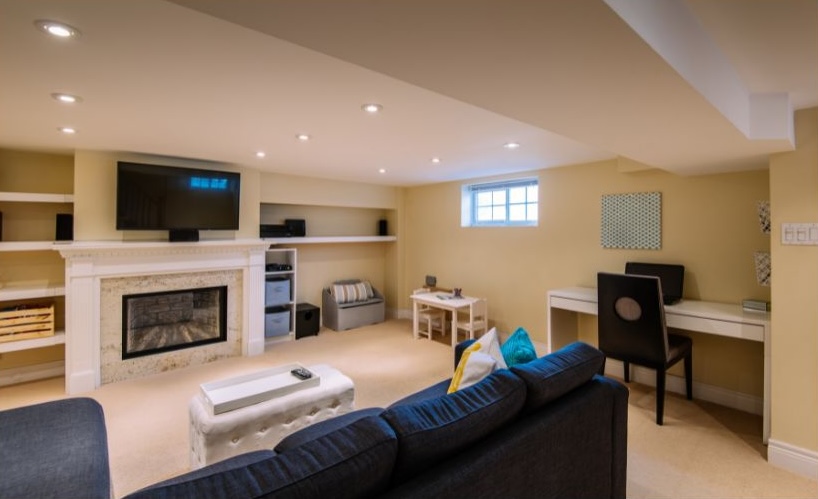
Ceiling height doesn’t just determine whether your basement meets building code—it also plays a major role in how the space actually feels once the remodel is complete. Even a difference of a few inches can dramatically change how open, comfortable, and usable a basement feels.
Across many homes in Utah, unfinished basements start with ceiling heights between 8 and 9 feet. But once flooring, framing, lighting, and ceiling materials are installed, the final headroom can shrink significantly. Planning around ceiling height early in the remodel process helps homeowners avoid cramped layouts and design limitations later.
Higher ceilings make basements feel more like a natural extension of the home rather than a lower-level utility space. They also provide more flexibility when designing features like home theaters, gyms, offices, or guest suites.
- Better natural light distribution from windows and lighting fixtures
- More open, spacious feel that prevents the basement from feeling cramped
- Better resale value since buyers strongly prefer taller finished basements
- More flexibility for lighting and ceiling design options
Basements with higher ceilings also allow more options when choosing between drywall ceilings, drop ceilings, or exposed designs. When headroom is limited, contractors may need to adjust ductwork, install exposed ceilings, or design soffits to maintain comfortable clearance.
| Ceiling Height | How the Basement Feels | Design Flexibility |
|---|---|---|
| 7 feet | Meets minimum code but can feel tight in some areas | Limited ceiling options |
| 8 feet | Comfortable height for most finished basements | Works well with drywall or drop ceilings |
| 9 feet or higher | Feels spacious and similar to main floor living areas | Allows more design freedom and luxury features |
For homeowners planning a basement remodel, understanding ceiling height early helps determine the best layout, lighting strategy, and ceiling system. A well-designed basement can feel just as open and comfortable as the rest of the home—even if it sits below ground.

What Happens If Your Basement Ceiling Is Too Low?
Some older homes across Lehi, Draper, and Sandy were built with lower basement ceilings than many modern homes. In some cases, basements may measure just over 7 feet from the slab to the joists before finishing begins.
Once flooring, drywall, lighting, and ceiling systems are added, that available headroom can shrink quickly. When a basement falls below recommended ceiling height requirements, homeowners may face limitations when trying to turn the space into comfortable living areas like family rooms, bedrooms, or rental units.
Fortunately, experienced contractors can often work around these challenges. When headroom becomes an issue, there are typically three practical solutions homeowners consider during a Utah basement remodel.
1. Exposed Ceilings
Leaving the ceiling structure exposed is one of the simplest ways to preserve vertical space. Instead of installing drywall or a suspended ceiling, contractors paint joists, ductwork, and pipes a uniform color—often black or dark gray—to create a modern industrial-style look.
This approach can preserve several inches of headroom and works especially well in basement gyms, recreation rooms, or modern entertainment areas.
2. Rerouting Ductwork
Sometimes the issue isn’t the structure of the basement itself but the location of HVAC ductwork. Large trunk ducts can hang lower than necessary, especially in older homes where mechanical systems were installed without future finishing in mind.
Contractors may be able to reroute ducts between joists, install low-profile ducting, or redesign certain HVAC runs to improve ceiling clearance. While this solution requires careful planning, it can significantly improve headroom without major structural changes.
3. Lowering the Basement Floor
When the existing ceiling height simply isn’t adequate, the most comprehensive solution is lowering the basement floor. This process involves excavating below the existing slab and modifying the foundation using techniques such as underpinning or benching.
While effective, this type of structural work is complex and significantly more expensive than other options. It is usually considered only when homeowners want to create full-height living spaces in basements that were originally built too shallow.
| Solution | How It Works | Typical Cost Range | Best For |
|---|---|---|---|
| Exposed Ceiling | Leaves joists and mechanical systems visible to preserve maximum headroom | $1.50 – $3 per sq ft | Gyms, recreation rooms, modern industrial designs |
| Rerouting Ductwork | Adjusts HVAC layout to improve clearance under ducts | $1,000 – $5,000+ | Basements where ducts create isolated low spots |
| Lowering the Floor | Excavates below existing slab to increase ceiling height | $25,000 – $75,000+ | Older homes with very low basement ceilings |
Cost Reality: Lowering a basement floor can cost anywhere from $25,000 to $75,000+ depending on the home’s structure, excavation requirements, and foundation design.
For many homeowners, the best solution depends on how the basement will be used. In some cases, small design adjustments—like exposed ceilings or duct modifications—can preserve valuable headroom without requiring expensive structural changes.
How Contractors Maximize Basement Headroom
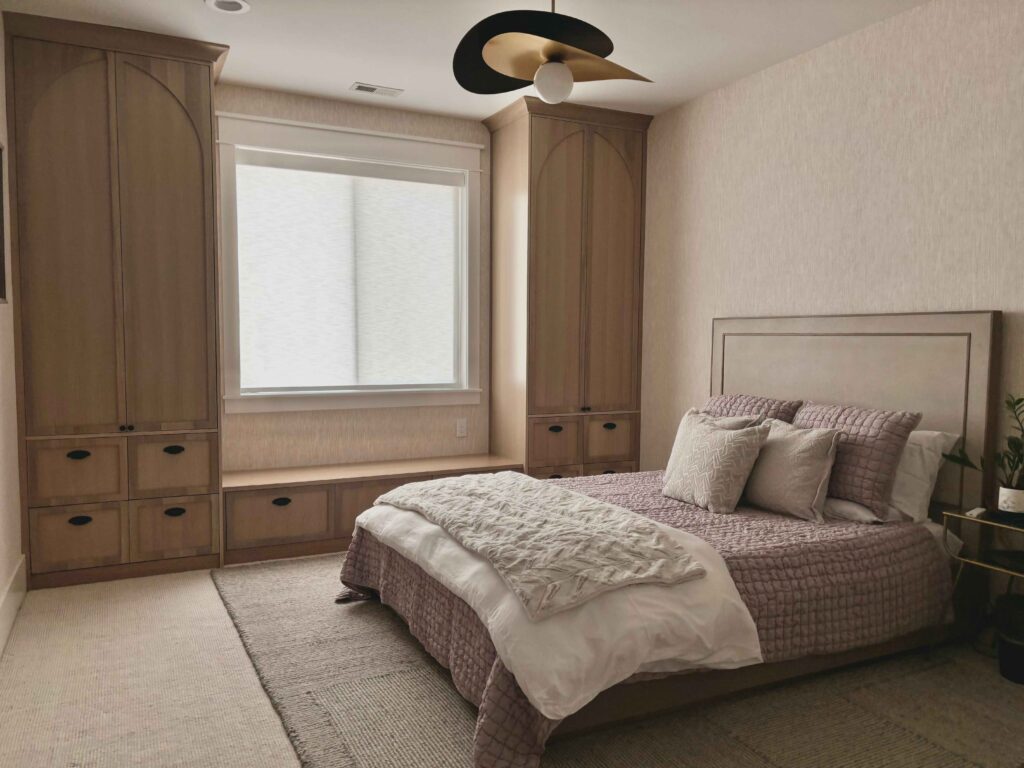
Even when a basement starts with limited ceiling height, experienced contractors can often recover several valuable inches through smart design decisions. Small adjustments in lighting, ceiling structure, mechanical systems, and flooring materials can significantly improve how open the space feels without requiring major structural changes.
During a Utah basement remodel, contractors evaluate every element that affects vertical clearance. The goal is to maintain code compliance while creating a basement that feels comfortable and spacious rather than cramped.
- Using recessed lighting instead of bulky fixtures to avoid lowering the ceiling
- Installing exposed ceilings where necessary to preserve maximum headroom
- Building soffits only where beams or ducts require them instead of lowering the entire ceiling
- Using thinner flooring materials to keep finished floor height as low as possible
- Strategically routing HVAC ductwork between joists or along perimeter walls
These techniques are often combined to make the basement feel taller than it technically is. In many homes, recovering just 2–4 inches of headroom can dramatically improve comfort and design flexibility.
| Technique | How It Helps | Typical Space Saved |
|---|---|---|
| Recessed Lighting | Lights are installed between joists instead of hanging below the ceiling | 2–4 inches |
| Exposed Ceiling Design | Avoids framing and drywall layers that reduce vertical space | 4–6 inches |
| Targeted Soffits | Only lowers small sections of the ceiling where beams or ducts run | Preserves full height elsewhere |
| Low-Profile Flooring | Uses thinner materials like luxury vinyl plank or engineered flooring | ½–1 inch |
| HVAC Rerouting | Moves ducts between joists or along walls to improve clearance | 2–5 inches in key areas |
By combining several of these strategies, contractors can often transform a basement that initially feels tight into a comfortable living space that meets both building code requirements and homeowner expectations.
Frequently Asked Questions: Basement Ceiling Height
What is the minimum basement ceiling height required in Utah?
Utah generally follows the International Residential Code (IRC), which requires finished living areas to have a minimum ceiling height of about 7 feet. Certain elements such as beams, ducts, and pipes may extend slightly lower, but the majority of the room must maintain adequate headroom to qualify as habitable space.
Can HVAC ducts or beams hang lower than the ceiling height requirement?
Yes. Structural beams, plumbing lines, and HVAC ductwork can extend below the standard ceiling height in limited areas. However, these elements cannot dominate the entire room or create unsafe headroom conditions. Contractors often build soffits around these areas to maintain comfortable clearance.
What is the best ceiling option if my basement height is limited?
When ceiling height is tight, exposed ceilings are often the best option because they avoid the extra framing required for drywall or drop ceilings. Painting joists and ductwork can create a modern industrial design while preserving valuable inches of headroom.
Can a low basement ceiling still be remodeled?
Yes. Many basements with lower ceilings can still be remodeled by using exposed ceilings, rerouting HVAC ductwork, or designing soffits around beams. In more extreme cases, contractors may lower the basement floor through excavation and foundation work to increase ceiling height.
Does ceiling height affect basement resale value?
Yes. Basements with higher ceilings tend to feel more open and comfortable, which can increase buyer appeal and overall property value. Taller finished basements also provide more design flexibility for features like home theaters, guest suites, and recreation rooms.
Wondering If Your Basement Has Enough Headroom?
Our team helps homeowners evaluate basement height, ceiling design, and remodeling options across the Wasatch Front.