
Why Basement Flooring Matters
Unlike the rest of your home, basements deal with unique conditions — moisture, concrete subfloors, and fluctuating temperatures. That’s why traditional hardwood often fails here, while vinyl, tile, or engineered wood thrive.
| Factor | Why It’s Important |
|---|---|
| Moisture Resistance | Prevents warping, mold, and long-term damage. |
| Insulation | Keeps the space warmer and more comfortable underfoot. |
| Durability | Withstands heavy furniture, kids, and everyday wear. |
| Style | Sets the visual tone of the entire basement remodel. |
1. Luxury Vinyl Plank (LVP)
Luxury vinyl plank (LVP) has become the undisputed champion of basement flooring — and for good reason.
It delivers the warmth and texture of real wood with unbeatable waterproof performance.
LVP is made with multiple layers that resist warping, swelling, and scratches, making it ideal for high-traffic and high-moisture areas.
It’s also softer and warmer underfoot than tile, offering a more comfortable feel in colder basements.
| Feature | Details |
|---|---|
| Average Cost | $2.50–$5 per sq. ft. (installation extra) |
| Pros | 100% waterproof, scratch-resistant, realistic wood grain, softer underfoot, low maintenance. |
| Cons | Can dent under heavy furniture; cheap options may fade or peel over time. |
| Best For | Family rooms, playrooms, or any finished basement space needing warmth and durability. |
- Average Cost: $2.50–$5 per sq. ft.
- Pros: Waterproof, easy to clean, durable, and looks convincingly like real hardwood.
- Cons: Susceptible to dents and fading with cheaper brands.
Pro Tip: Choose rigid core or SPC (stone plastic composite) vinyl for superior stability — it’s denser, more waterproof, and performs better on uneven concrete slabs.
 2. Engineered Hardwood
If you crave the beauty and authenticity of real wood but need something basement-safe, engineered hardwood is your best bet.
Unlike solid hardwood, it features a multi-layered construction with a real wood veneer on top and plywood or high-density fiber layers below.
This design minimizes expansion and contraction caused by humidity — a must in below-grade environments.
| Feature | Details |
|---|---|
| Average Cost | $4–$10 per sq. ft. depending on wood species and finish |
| Pros | Real wood surface, stable in moderate humidity, adds resale value, wide variety of finishes. |
| Cons | Not waterproof — standing water can cause swelling; costs more than vinyl. |
| Best For | Home offices, guest suites, or family lounges where humidity is controlled. |
- Average Cost: $4–$10 per sq. ft.
- Pros: Genuine wood finish, timeless look, boosts property value.
- Cons: Not fully waterproof; avoid in high-moisture zones.
Pro Tip: Always install engineered hardwood over a vapor-barrier underlayment. It prevents moisture transfer and extends floor life in below-grade spaces.
3. Ceramic or Porcelain Tile
For maximum durability and a clean, upscale finish, ceramic and porcelain tiles remain unbeatable.
They’re impervious to water, easy to sanitize, and hold up beautifully in areas that see heavy traffic or potential leaks.
Paired with radiant floor heating, tile can be both practical and luxurious — the perfect combo for walk-out basements, laundry rooms, or bathrooms.
| Feature | Details |
|---|---|
| Average Cost | $3–$8 per sq. ft. (plus $5–$10 for radiant heat systems if added) |
| Pros | Waterproof, low-maintenance, extremely durable, and available in countless styles and textures. |
| Cons | Cold underfoot without heating; grout may require resealing to stay fresh. |
| Best For | Walk-out basements, bathrooms, laundry rooms, or any high-moisture zone. |
- Average Cost: $3–$8 per sq. ft.
- Pros: Waterproof, durable, stylish, and perfect for heated floors.
- Cons: Cold feel and potential grout discoloration if not maintained.
Pro Tip: Pair tile floors with warm LED lighting or radiant heating to balance the cool surface temperature and create a more inviting basement environment.
4. Carpet Tiles
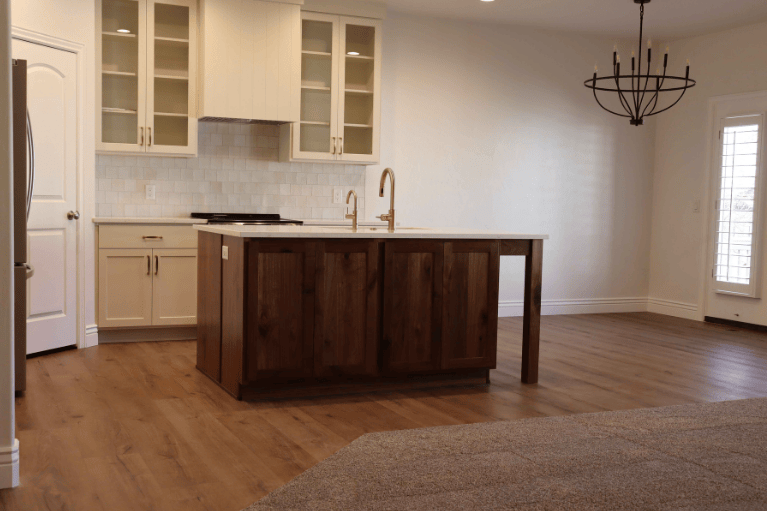
Carpet tiles strike the perfect balance between warmth, comfort, and practicality for basement living spaces.
They’re modular, easy to install, and even easier to replace — if one tile gets stained or damaged, you simply swap it out.
That flexibility makes them ideal for family rooms, home theaters, or kids’ play zones where comfort matters just as much as durability.
| Feature | Details |
|---|---|
| Average Cost | $1.50–$3 per sq. ft. (DIY-friendly installation) |
| Pros | Soft underfoot, warm, easy to replace individual tiles, provides excellent insulation and sound absorption. |
| Cons | Not waterproof; may trap moisture or odors if not cleaned regularly. |
| Best For | Playrooms, family rooms, and finished basements needing warmth and easy maintenance. |
- Average Cost: $1.50–$3 per sq. ft.
- Pros: Soft, modular, easy to replace, adds insulation and comfort.
- Cons: Not waterproof and may absorb odors over time.
Pro Tip: Choose low-pile, moisture-resistant carpet tiles with a waterproof backing — ideal for basements used as family rooms or kid-friendly spaces.
5. Epoxy Flooring
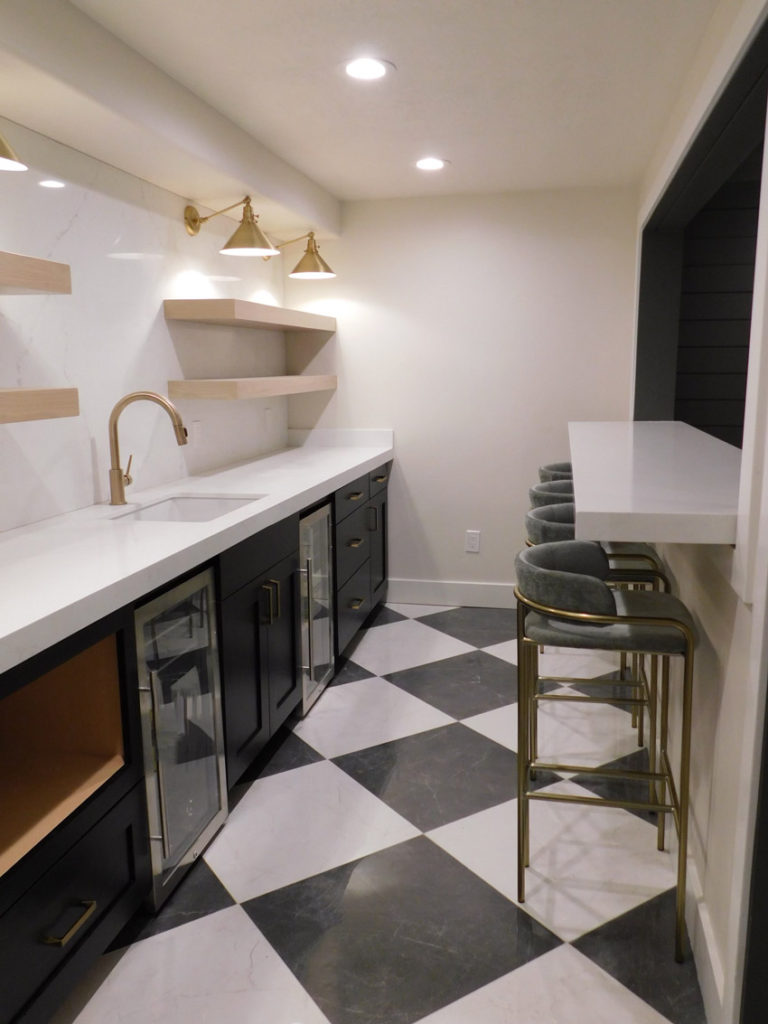
For homeowners who love a modern, polished aesthetic, epoxy flooring is hard to beat.
It seals the concrete, creating a glossy, durable surface that’s both waterproof and stain-resistant.
Epoxy works especially well in multipurpose basements — from home gyms and workshops to game or entertainment areas — thanks to its clean, industrial vibe.
| Feature | Details |
|---|---|
| Average Cost | $3–$7 per sq. ft. (depending on color and coating thickness) |
| Pros | Completely waterproof, seamless, extremely durable, stain- and chemical-resistant, customizable finishes and colors. |
| Cons | Can feel cold or slippery; installation requires professional expertise and proper surface prep. |
| Best For | Basement gyms, entertainment zones, or utility areas where durability and low maintenance are key. |
- Average Cost: $3–$7 per sq. ft.
- Pros: Seamless, waterproof, stain-resistant, and sleek.
- Cons: Cold to the touch and slippery unless textured.
Pro Tip: Ask your installer to add anti-slip flakes or a matte finish to improve traction — especially important in home gyms or laundry areas.
6. Rubber Flooring
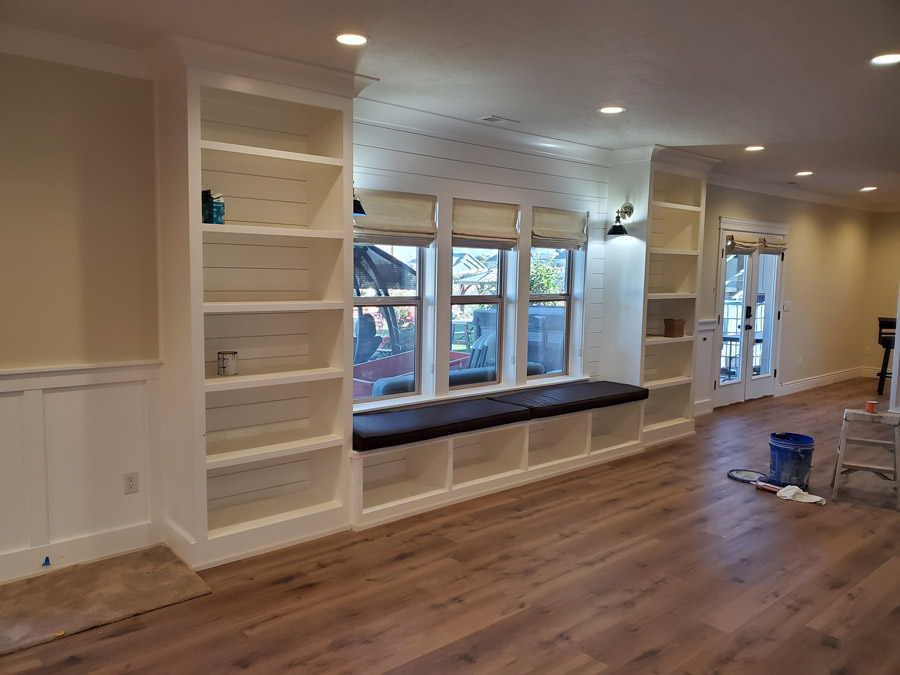
When it comes to comfort, safety, and durability, rubber flooring is a top-tier choice for active basement spaces.
It’s shock-absorbent, non-slip, and naturally moisture-resistant — making it ideal for basement gyms, playrooms, or multipurpose family areas.
Rubber also provides superior noise insulation and cushioning, which helps minimize sound transfer in busy households.
| Feature | Details |
|---|---|
| Average Cost | $2–$6 per sq. ft. (depending on thickness and design) |
| Pros | Durable, slip-resistant, cushioned surface, excellent sound absorption, and resistant to moisture. |
| Cons | Limited design options; may have a mild rubber odor when first installed. |
| Best For | Basement gyms, play zones, or recreation spaces where comfort and impact absorption matter most. |
- Average Cost: $2–$6 per sq. ft.
- Pros: Cushioned, non-slip, quiet, and moisture-tolerant.
- Cons: Fewer style options and may emit temporary odor.
Pro Tip: Choose interlocking rubber tiles — they’re easier to install, replace, and expand over time while providing long-term flexibility for evolving basement layouts.
7. Laminate Flooring
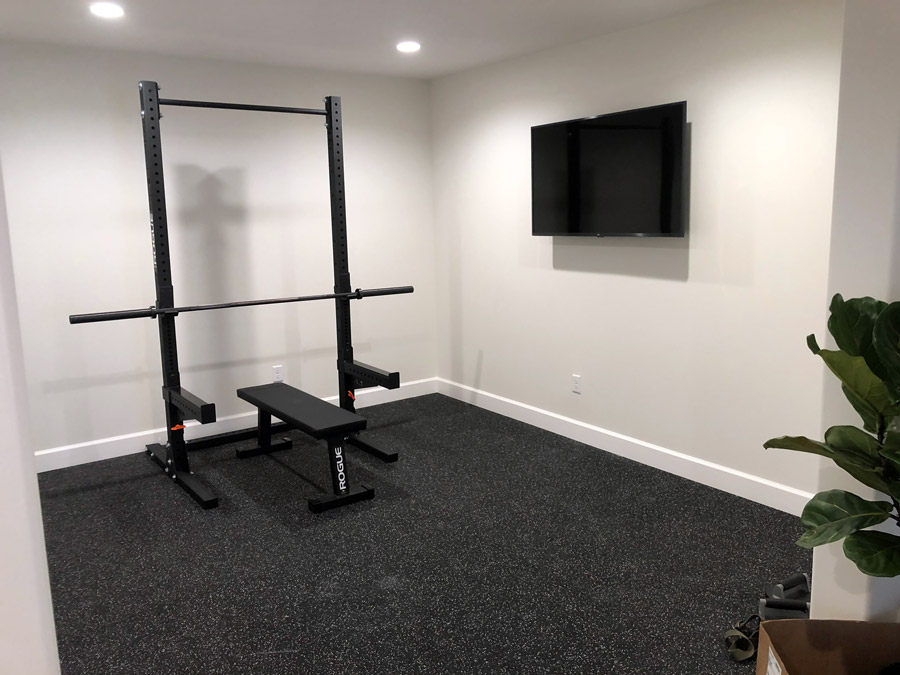
Gone are the days when laminate flooring meant cheap, creaky planks that couldn’t handle moisture.
Modern laminate flooring now includes waterproof and water-resistant options specifically engineered for basements.
With realistic wood textures, easy click-lock installation, and budget-friendly pricing, laminate remains one of the best ways to achieve a high-end look for less.
| Feature | Details |
|---|---|
| Average Cost | $1.50–$4 per sq. ft. (plus underlayment) |
| Pros | Affordable, DIY-friendly, scratch-resistant, and available in highly realistic finishes. |
| Cons | Not fully waterproof unless labeled as “waterproof laminate”; may swell if exposed to standing water. |
| Best For | Basement living rooms, offices, and rec areas with moderate humidity. |
- Average Cost: $1.50–$4 per sq. ft.
- Pros: Affordable, realistic look, and easy to install.
- Cons: Needs moisture protection; avoid standing water.
Pro Tip: Always install a vapor barrier underlayment and leave small expansion gaps around walls to accommodate humidity changes.
8. Polished Concrete
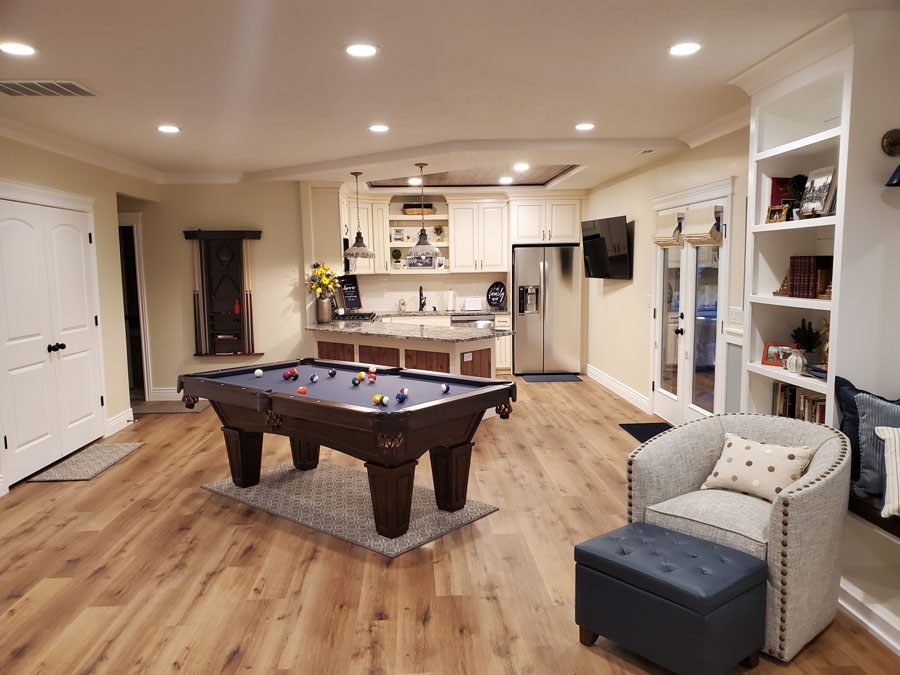
If your basement already has a good concrete slab, consider turning it into the finished floor itself.
Polished concrete offers a sleek, industrial aesthetic that’s low-maintenance, durable, and budget-conscious.
It’s perfect for homeowners who appreciate a minimalist, modern vibe — or want to keep the space easy to clean and hard-wearing.
| Feature | Details |
|---|---|
| Average Cost | $2–$6 per sq. ft. (depending on finish level and sealant) |
| Pros | Cost-effective, waterproof, long-lasting, easy to clean, and ideal for modern or industrial spaces. |
| Cons | Hard surface, can feel cold, and lacks cushioning for children or elderly users. |
| Best For | Workshops, home gyms, or minimalist entertainment spaces. |
- Average Cost: $2–$6 per sq. ft.
- Pros: Waterproof, low maintenance, sleek finish.
- Cons: Cold and hard underfoot.
Pro Tip: Add area rugs for warmth and comfort, or install radiant heat mats beneath the surface for a cozy, modern upgrade.
 9. Cork Flooring
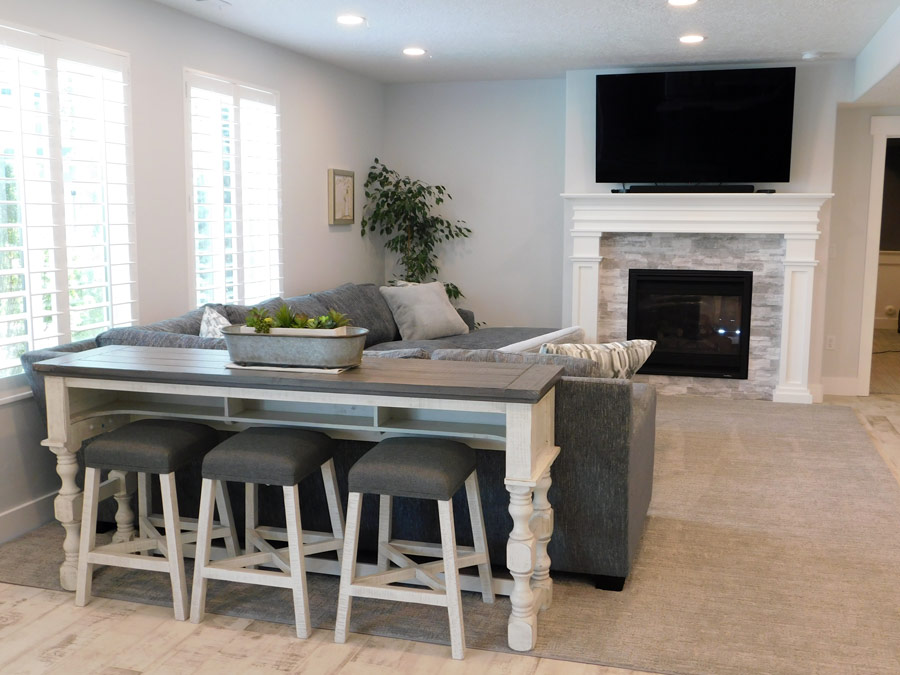
Cork flooring brings an inviting, eco-friendly warmth to any basement.
Naturally antimicrobial and insulating, cork helps regulate temperature and sound while offering a soft, comfortable feel underfoot.
Its textured grain adds organic beauty, making it a great alternative to traditional hardwood in finished basements.
| Feature | Details |
|---|---|
| Average Cost | $3–$8 per sq. ft. (depending on thickness and finish) |
| Pros | Warm, cushioned surface, naturally mold- and mildew-resistant, sustainable material, and excellent insulation. |
| Cons | Sensitive to water and sunlight; requires periodic sealing to maintain moisture protection. |
| Best For | Finished family rooms or home offices in low-humidity basements. |
- Average Cost: $3–$8 per sq. ft.
- Pros: Warm, eco-friendly, antimicrobial, and great sound absorption.
- Cons: Not ideal for areas with standing water or direct sunlight.
Pro Tip: Seal cork floors every few years and use mats near entryways to prevent water damage and wear.
10. Hybrid Flooring Systems
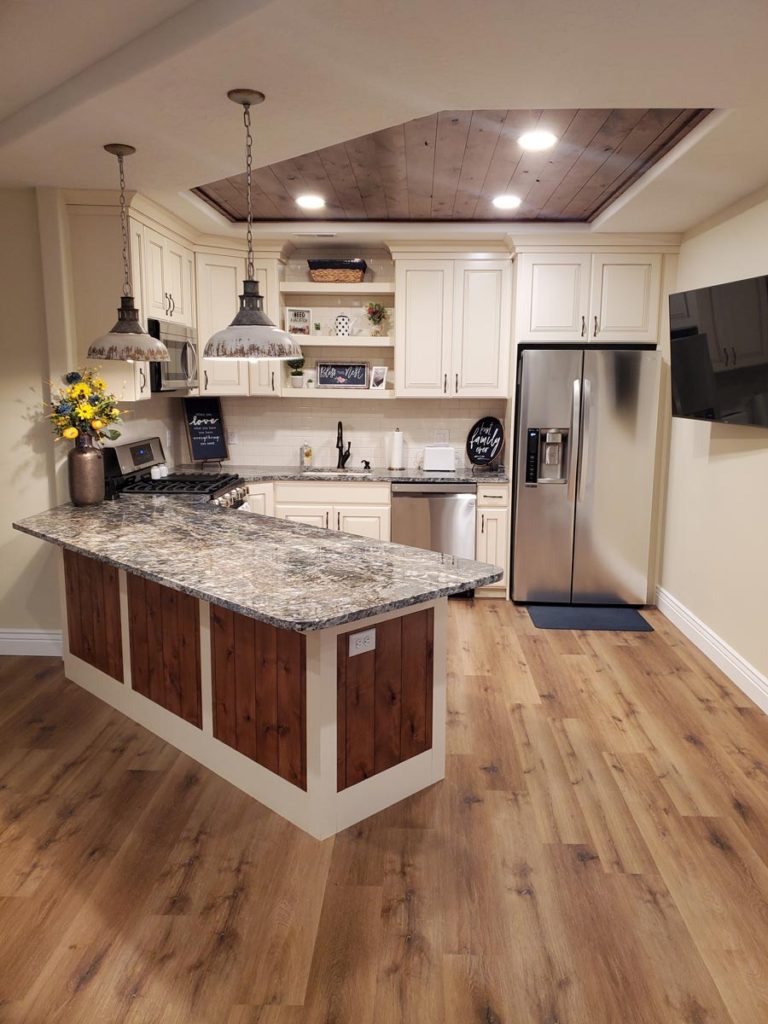
When moisture is your basement’s biggest challenge, hybrid flooring systems offer the ultimate protection.
These raised subfloor solutions, like DriCore or ThermalDry, lift your finish floor above the concrete slab to create an insulating air gap that prevents dampness.
They can be paired with vinyl, laminate, or engineered wood for a dry, warm, and comfortable finished look.
| Feature | Details |
|---|---|
| Average Cost | $4–$10 per sq. ft. (installed, including top layer) |
| Pros | Prevents moisture transfer, adds warmth, supports various flooring types, and helps regulate basement humidity. |
| Cons | Slightly raises floor height, may require trim or door adjustments. |
| Best For | Basements with chronic moisture or homes in high-humidity climates. |
- Average Cost: $4–$10 per sq. ft. (installed)
- Pros: Moisture barrier, added insulation, and customizable top layers.
- Cons: Slight floor height increase, may affect thresholds or trim.
Pro Tip: Combine a raised subfloor system with vinyl plank or waterproof laminate for the best mix of style, comfort, and moisture protection — especially in basements with past dampness issues.
Basement Flooring Comparison Table
| Material | Waterproof | Comfort | Average Cost (per sq. ft.) | Best For |
|---|---|---|---|---|
| Luxury Vinyl Plank | Yes | High | $2.5–$5 | All-purpose, high-traffic areas |
| Engineered Hardwood | Partial | Medium | $4–$10 | Luxury basements |
| Tile | Yes | Low | $3–$8 | Walk-outs, bathrooms |
| Carpet Tiles | Resistant | High | $1.5–$3 | Playrooms, family areas |
| Epoxy | Yes | Low | $3–$7 | Gyms, entertainment zones |
| Rubber | Yes | High | $2–$6 | Gyms, kids’ play spaces |
| Laminate | Partial | Medium | $1.5–$4 | Budget remodels |
| Polished Concrete | Yes | Low | $2–$6 | Modern minimalist designs |
| Cork | Resistant | High | $3–$8 | Eco-friendly remodels |
| Hybrid System | Yes | High | $4–$10 | Moisture-prone basements |
Design Tips for Choosing the Right Basement Floor
- Match use to material: Gym? Go rubber. Theater? Carpet tiles. Lounge? LVP or engineered wood.
- Prioritize waterproofing: Even “dry” basements can surprise you.
- Use warm tones: Counteracts concrete’s natural coolness.
- Layer area rugs: Adds warmth and visual depth.
- Install subfloor insulation: Reduces chill and boosts comfort.
Basement Flooring Installation Costs
Most homeowners spend between $2,000 and $8,000 on basement flooring installations, depending on material, size, and prep work (like leveling or moisture barriers).
Final Thoughts
Your basement deserves more than just “whatever’s cheapest.” The right flooring transforms it from a cold, forgotten space into a polished extension of your home — functional, beautiful, and built to last.
Pro Worx Construction specializes in basement remodeling across Utah, offering expert flooring installation and full design-build services. Whether you want cozy comfort or sleek modern style, we’ll help you choose and install the perfect floor.
Get a Free Quote for Basement Flooring Installation
Because the right floor doesn’t just finish your basement — it defines it.
Frequently Asked Questions
What is the best flooring for basements?
Luxury vinyl plank, tile, and rubber flooring are top choices for waterproofing, comfort, and durability.
Can you put hardwood in a basement?
Solid hardwood isn’t recommended, but engineered hardwood works well with proper moisture protection.
How do I keep basement floors warm?
Use insulated subfloors, area rugs, or radiant heat under tile or vinyl plank.
Is vinyl flooring good for basements?
Yes — vinyl plank is fully waterproof, affordable, and ideal for below-grade spaces.
What’s the cheapest way to finish a basement floor?
Painted or sealed concrete is budget-friendly, though less comfortable than other options.