
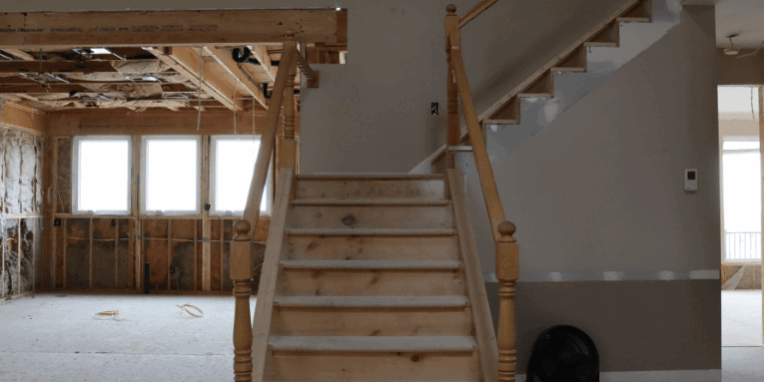
Most homeowners don’t think about inspections until the very end of a basement remodel.
And that’s exactly where things go wrong.
By the time an inspector walks through your basement, the drywall is up, the flooring is in, and the money has already been spent. If something fails at that stage, you’re not just fixing a small issue—you’re often tearing things out, redoing work, and dealing with delays that can drag on for weeks.
Across Utah, failed basement inspections usually come down to a handful of common issues—things that could have been avoided early in the process with the right planning. In many cases, it’s not major structural problems that cause failures… it’s missed details, poor layout decisions, or cutting corners in areas homeowners didn’t realize mattered.
Whether you’re finishing a basement for your family or building a rental unit, understanding what inspectors actually look for can save you time, money, and major headaches—and more importantly, help you get it right the first time.
What You’ll Learn in This Guide
- The most common reasons basement remodels fail inspection in Utah
- What inspectors actually look for (and what they don’t tell you upfront)
- The costly mistakes homeowners make right before finishing
- How to design and build your basement so it passes the first time
- Simple decisions that can save you thousands in rework and delays
What Basement Inspections Actually Check in Utah
Utah follows the International Residential Code (IRC), which sets standards for safety, structure, and livability. When an inspector walks through your basement, they’re not judging finishes, paint colors, or how “nice” the space looks—they’re checking whether the space is legally safe to live in.
This is where a lot of homeowners get caught out. A basement can look completely finished—drywall up, floors in, lighting installed—and still fail inspection because of something hidden behind the walls or a requirement that wasn’t planned for early on.
Inspectors are trained to look for safety risks, code violations, and anything that could impact long-term livability. They’ll check both what’s visible and what’s behind the scenes—meaning issues with wiring, airflow, structure, or moisture can all cause a failure even if everything “looks done.”
In most Utah basement remodels, inspections happen in stages (rough inspection, then final). If something fails at either stage, you’ll need to fix it before moving forward—which is why understanding these requirements early is critical.
| Inspection Area | What They’re Looking For |
|---|---|
| Ceiling Height | Minimum headroom requirements (typically ~7 ft) for habitable space, plus clearance under ducts and beams |
| Egress Windows | Correct size, opening clearance, and accessibility for emergency escape in bedrooms |
| Electrical | Proper outlet spacing, GFCI/AFCI protection, safe wiring, and correctly installed panels and circuits |
| HVAC & Ventilation | Adequate airflow, return vents, proper duct connections, and balanced heating/cooling |
| Framing & Structure | Correct wall framing, spacing, fire blocking, and no interference with load-bearing elements |
| Moisture Protection | Vapor barriers, insulation, drainage, and no signs of water intrusion or mold risk |
Out of all these, the most common failures usually come down to egress windows, electrical work, and HVAC planning—because those are the areas homeowners either underestimate or try to “work around” instead of doing properly.
The key takeaway is simple: inspections aren’t about perfection—they’re about safety and compliance. If your basement isn’t designed with those in mind from the start, you’re almost guaranteed to run into problems at the finish line.
The Most Common Reasons Basements Fail Inspection
Most basement inspection failures aren’t dramatic structural problems—they’re predictable mistakes that happen when planning gets rushed or details get overlooked. These are the exact issues inspectors flag over and over again across Utah.
1. Missing or Incorrect Egress Windows
If your basement includes a bedroom, it must have a properly sized egress window that allows someone to escape in an emergency. This isn’t optional—it’s one of the first things inspectors check.
Too small, too high off the floor, hard to open, or blocked by landscaping—any of these will fail immediately. And this is where people get burned: they finish the entire basement, then realize the window doesn’t meet code and now they’re cutting into concrete or redoing walls.
If you’re planning bedrooms or a rental unit, the egress window needs to be designed correctly from the start—not retrofitted at the end.
2. Ceiling Height Violations
Basements must maintain at least 7 feet of headroom across most finished areas. Sounds simple—but once flooring, drywall, lighting, and ceiling systems are installed, that height can disappear quickly.
Low beams, bulky ductwork, or poor layout decisions often create sections that drop below code. And inspectors don’t care that “it’s only a small area”—if it affects usability or safety, it can fail.
This is why ceiling planning needs to happen before framing—not after everything is installed.
3. Electrical Code Issues
Electrical is one of the fastest ways to fail an inspection. Missing outlets, incorrect spacing, exposed wiring, or improper protection (like missing GFCI or AFCI) will get flagged immediately.
Bathrooms, wet bars, and laundry areas are especially strict. Even something as small as the wrong outlet type in the wrong location can trigger a failure.
A lot of DIY or rushed jobs fail here—not because the system doesn’t “work,” but because it’s not compliant with code.
4. Poor HVAC Planning
Heating and airflow matter more than people think. A basement can look fully finished but still fail because it doesn’t have proper air circulation.
Common issues include missing return air vents, undersized ducts, or systems that don’t properly connect to the rest of the home. Without balanced airflow, rooms can become uncomfortable, inefficient, or even unsafe.
This is especially important for basement apartments, where HVAC needs are higher and more regulated.
5. Moisture or Waterproofing Issues
Basements are naturally more vulnerable to moisture, and inspectors take that seriously. Any signs of water intrusion, poor drainage, or missing vapor barriers can stop a project from passing.
Even if there’s no visible water, improper insulation or lack of moisture protection behind walls can still cause a failure. This is one of those “hidden” issues that doesn’t show up until inspection—or worse, after you’ve already moved in.
Fixing moisture problems after finishing is expensive and messy, which is why this should always be addressed before any drywall goes up.
Reality Check: Most failed inspections aren’t because of major structural issues—they’re small mistakes that weren’t caught early. The problem is, by the time you find them, fixing them is no longer small.

How to Avoid Failing a Basement Inspection
Avoiding a failed inspection isn’t about doing anything complicated—it’s about doing the right things at the right time. Most inspection failures happen because homeowners treat code as something to “deal with later” instead of building around it from the start.
If you plan your basement with inspection requirements in mind from day one, the final inspection becomes a formality. If you don’t, it turns into a checklist of expensive fixes.
- Plan for code from day one — Layout, ceiling height, egress, and systems should all be designed around code requirements before any work begins
- Work with experienced contractors — Someone who knows Utah inspections will catch issues before they become problems
- Get permits early — This keeps everything documented, inspected in stages, and prevents major surprises at the end
- Design around obstacles — Beams, ducts, and structural elements should be planned into the layout—not worked around last minute
- Don’t cut corners on electrical or HVAC — These are two of the most commonly failed areas and the most expensive to fix after the fact
The biggest shift is this: stop thinking about inspections as the final step. They’re part of the process from the beginning. Every decision you make early either moves you closer to passing—or sets you up for a failure later.
| Mistake | How to Avoid It |
|---|---|
| Skipping permits | Always pull permits before starting—this ensures proper inspections happen in stages, not all at once at the end |
| DIY electrical | Hire a licensed electrician—most failures happen because work “looks fine” but isn’t code-compliant |
| Ignoring ceiling height | Measure slab-to-joist height early and account for flooring, drywall, and lighting before finalizing design |
| No egress window | Plan and install compliant windows before finishing—retrofitting later is expensive and disruptive |
| Poor HVAC layout | Ensure proper supply and return airflow is designed upfront, especially for bedrooms and rental units |
| Rushing finishing work | Complete rough inspections before closing walls—once drywall is up, fixing issues becomes much harder |
At the end of the day, passing inspection isn’t about luck—it’s about planning. The homeowners who pass the first time are the ones who treat code requirements as part of the design, not an afterthought.
Frequently Asked Questions: Basement Inspections in Utah
Do I need a permit to finish a basement in Utah?
Yes. In most Utah cities and counties, finishing a basement requires permits and multiple inspections throughout the project. This ensures that electrical, plumbing, HVAC, framing, and safety requirements all meet code.
Skipping permits might seem faster or cheaper upfront, but it almost always creates bigger problems later—especially if you plan to sell, refinance, or convert the space into a rental unit.
What happens if my basement fails inspection?
If your basement fails inspection, the inspector will provide a list of issues that need to be corrected. You’ll need to fix those problems and schedule a reinspection before moving forward.
The real issue isn’t the failure itself—it’s the cost and disruption. If the problem is behind finished walls or ceilings, you may need to remove drywall, redo electrical or HVAC work, and delay the entire project timeline.
Can I sell a home with an unapproved basement?
Yes—but it can complicate the sale. An unpermitted or unapproved basement may not be counted as livable square footage, which can lower your home’s appraised value.
It can also raise red flags for buyers and lenders. Some buyers may request credits, renegotiate the price, or walk away entirely if the basement wasn’t properly inspected and approved.
How many inspections are required for a basement remodel?
Most basement remodels require multiple inspections, not just one. Typically, there’s a rough inspection (before drywall goes up) and a final inspection once everything is complete.
Depending on the project, there may also be separate inspections for electrical, plumbing, and HVAC systems.
What is the hardest part of passing a basement inspection?
The hardest part isn’t one single requirement—it’s getting everything right at the same time. Most failures happen because one detail gets overlooked, like airflow, outlet placement, or window sizing.
Egress windows, electrical compliance, and HVAC planning are the areas that most commonly cause issues in Utah basement remodels.
Can I finish my basement without inspections if I’m not adding a bedroom?
Even if you’re not adding a bedroom, permits and inspections are still usually required. Any work involving framing, electrical, plumbing, or HVAC must meet code regardless of how the space is used.
Planning a Basement Remodel?
We help Utah homeowners design basements that pass inspection the first time—without costly surprises.