

One of the most common questions Utah homeowners ask before starting a basement remodel is:
“How long does a basement remodel actually take?”
The honest answer: it depends — but with proper planning, most basement remodels in Utah follow a predictable timeline. The biggest delays usually come from rushed decisions, incomplete planning, or misunderstanding how permits, inspections, and construction phases fit together.
Whether you’re finishing an unfinished basement or remodeling an older finished space, understanding the full timeline helps you avoid surprises, control costs, and keep the project moving smoothly from start to finish.
Typical Basement Remodel Timeline in Utah
For most Utah homes, a full basement remodel takes 8–14 weeks once construction begins. That does not include early planning, design, or permitting — which are just as important to get right.
| Phase | Typical Duration |
|---|---|
| Planning & design | 2–4 weeks |
| Permits & approvals | 1–3 weeks (varies by city) |
| Framing & rough-in | 2–3 weeks |
| Inspections & drywall | 2–3 weeks |
| Finishes & final details | 2–3 weeks |
Phase 1: Basement Planning & Layout Decisions
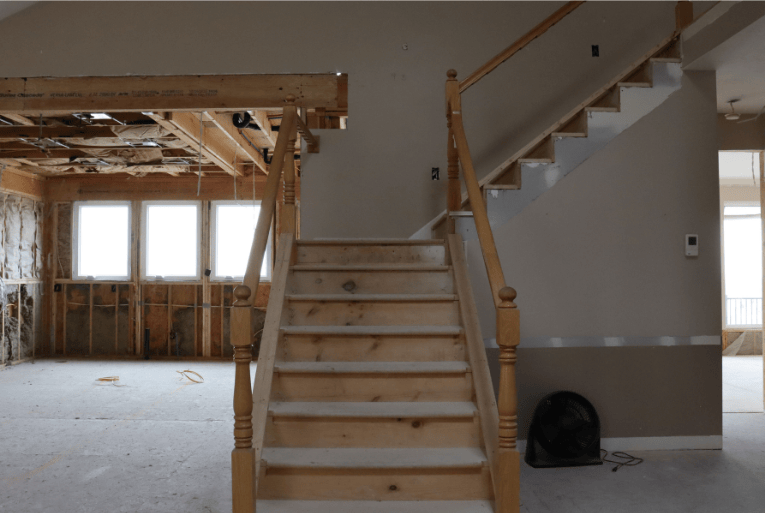
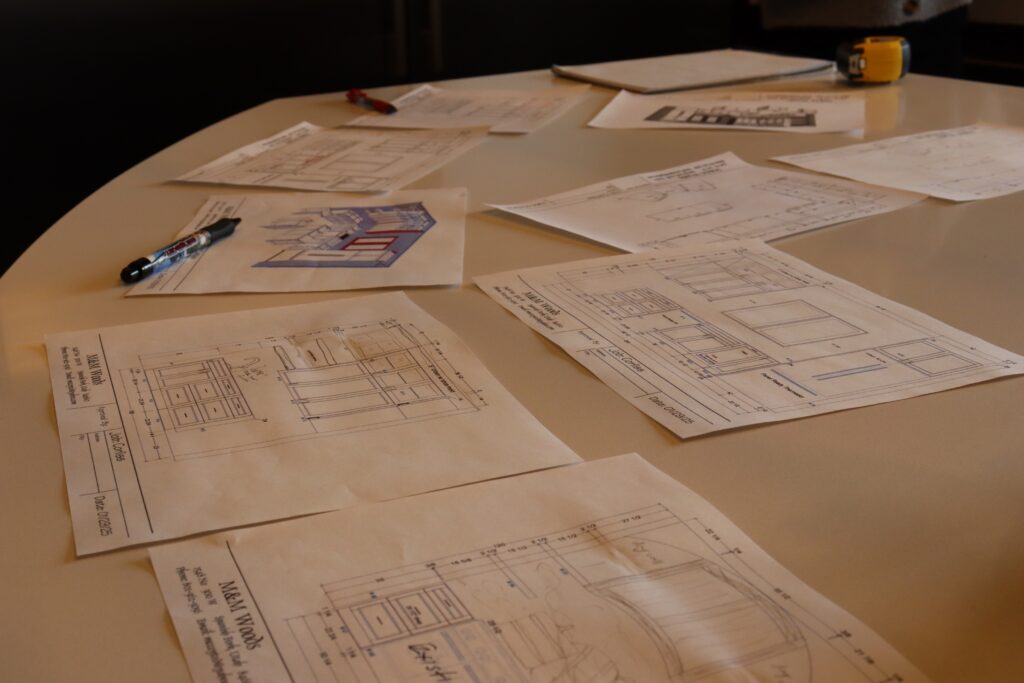
This is where successful basement remodels are won or lost. Before permits are pulled or construction begins, homeowners need to make clear, intentional decisions about how the space will function — not just how it will look.
Basements have fixed constraints. Ceiling heights, existing mechanical systems, foundation walls, and window locations all influence what’s realistically possible. Planning around these constraints early prevents costly redesigns and failed inspections later.
At this stage, Utah homeowners should decide:
- How the basement will be used eg, family room, bedrooms, home office, gym, rental, etc.
- Whether bathrooms, wet bars, or laundry areas will be added
- If egress windows or window wells are required
- Ceiling height limitations under beams and ductwork
- Storage needs, mechanical access, and future flexibility
In Utah homes, ceiling height and egress planning are two of the biggest layout drivers. Addressing them early prevents redesigns, delays, and inspection failures once construction is underway.
Common Planning Decisions That Affect Timeline & Cost
| Decision Area | Why It Matters | Impact if Delayed |
|---|---|---|
| Room layout & use | Determines framing, electrical, HVAC, and egress needs | Layout changes mid-build, added labor costs |
| Bathrooms & plumbing | Affects drain routing, venting, and permit scope | Floor cutting, rework, permit revisions |
| Egress windows | Required for basement bedrooms under Utah code | Inspection failure or costly window well changes |
| Ceiling height | Must meet minimum clearance requirements | Reduced usable space or layout revisions |
| Mechanical access | Code requires access to utilities and equipment | Forced soffits or wall removals later |
When Phase 1 is handled correctly, the rest of the basement remodel moves faster, inspections are smoother, and the finished space functions the way homeowners actually intend to use it — not just the way it looks on paper.
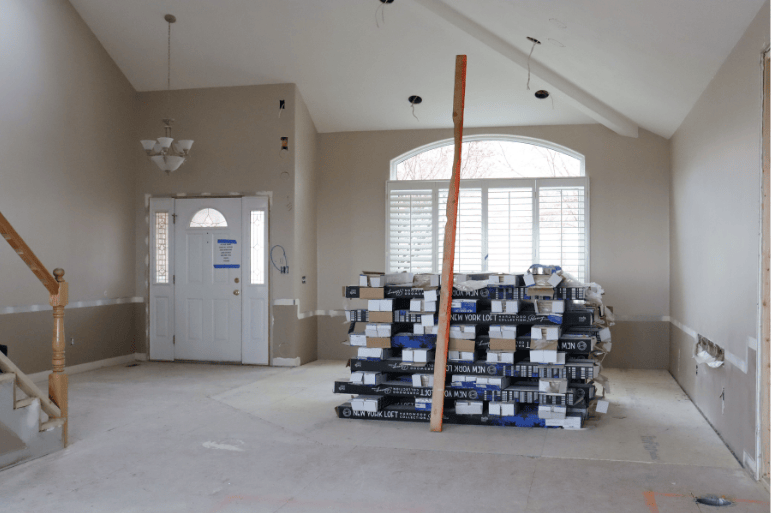
Phase 2: Permits & Pre-Construction Prep
Once plans are finalized, permits are submitted to the local building department. Review timelines vary by city — Utah County, Salt Lake County, and Davis County each have their own processes, fees, and inspection requirements.
When permits are handled correctly, this phase typically adds days or a few weeks — not months. Most delays occur when plans are incomplete, layouts change mid-review, or code requirements are addressed too late.
During this phase, the goal is to lock in all scope details so construction can begin without interruptions. This includes permit approvals, material selections, scheduling trades, and confirming inspection sequences.
What Happens During the Permit Phase
| Step | What’s Reviewed | Why It Matters |
|---|---|---|
| Plan submission | Layouts, room use, ceiling heights, egress, utilities | Confirms code compliance before work begins |
| Building review | Structural, fire safety, and zoning requirements | Prevents failed inspections later |
| Mechanical review | Electrical, plumbing, HVAC scope | Ensures systems are designed safely |
| Permit approval | Final authorization to begin construction | Allows work and inspections to be scheduled |
Pre-Construction Prep That Happens in Parallel
While permits are under review, experienced contractors use this time to prepare the project so construction can start immediately once approval is granted.
- Finalizing material selections (flooring, fixtures, finishes)
- Confirming trade schedules and availability
- Ordering long-lead items to avoid delays
- Setting inspection timelines and sequences
When Phase 2 is handled correctly, construction begins with clear expectations, fewer surprises, and a smoother overall timeline.
Phase 3: Framing, Electrical, Plumbing & HVAC
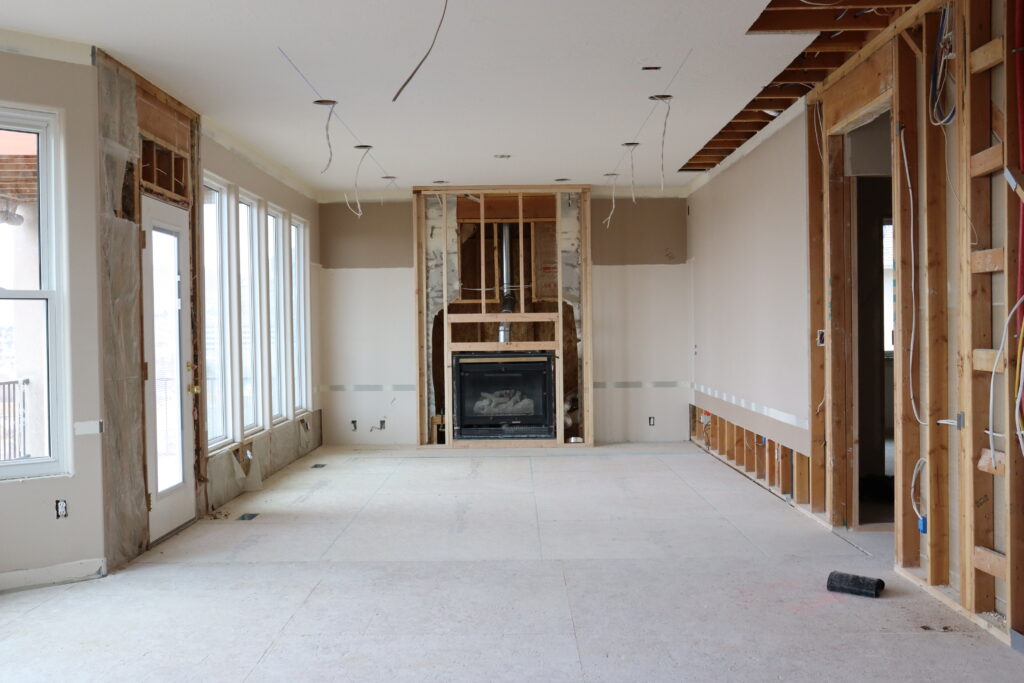
This is the structural phase of the basement remodel. Walls are framed, rooms take shape, and all major systems are installed before drywall goes up. Once this phase begins, the layout becomes physically locked in.
Everything installed during this phase will eventually be hidden behind drywall, which is why accuracy, code compliance, and inspection readiness matter most here.
- Framing walls, hallways, and soffits
- Electrical wiring, outlets, and lighting placement
- Plumbing rough-ins for bathrooms, wet bars, or laundry areas
- HVAC extensions, ductwork, and ventilation
What Happens During This Phase
| System | What’s Installed | Why It Matters |
|---|---|---|
| Framing | Walls, rooms, soffits, fire blocking | Defines layout and supports structural safety |
| Electrical | Wiring, outlets, switches, lighting | Fire safety, code compliance, usability |
| Plumbing | Drain lines, water supply, venting | Prevents leaks, odors, and future access issues |
| HVAC | Ductwork, vents, airflow balancing | Comfort, air quality, code compliance |
Inspections During Phase 3
Rough inspections occur once framing and mechanical systems are installed but before drywall. Inspectors verify that everything meets building, fire, electrical, and plumbing codes.
Catching issues at this stage is far easier — and far less expensive — than correcting problems after finishes are installed. Failed inspections here usually point to missing fire blocking, improper wiring, venting issues, or clearance problems.
When Phase 3 is completed correctly, the rest of the basement remodel moves faster, inspections go smoother, and the risk of rework drops significantly.

Phase 4: Drywall, Finishes & Final Details
Once rough inspections pass, the project moves into the finishing phase. Drywall is installed, seams are taped and finished, and the basement begins to transition from a construction site into usable living space.
This is often the most visually satisfying stage of the remodel — but it’s also where patience matters most. Many of the steps in this phase involve drying, curing, and sequencing that cannot be rushed without sacrificing quality.
What Happens During the Finishing Phase
- Drywall installation, taping, sanding, and priming
- Flooring installation (carpet, LVP, tile, or engineered wood)
- Interior doors, trim, and baseboards
- Cabinetry, vanities, and built-ins
- Final electrical and plumbing fixture installation
- Paint, touch-ups, and finish work
Why This Phase Takes Time
Drywall finishing alone typically requires multiple visits over several days to allow joint compound to dry properly between coats. Flooring, paint, and cabinetry must be installed in the correct order to avoid damage or rework.
In Utah’s climate, temperature and humidity also affect drying and curing times. Rushing this phase often leads to visible seams, uneven finishes, or premature wear — issues that are far more noticeable once the space is furnished and in daily use.
Final Inspections & Project Completion
After finishes are complete, final inspections are scheduled. Inspectors verify that all work matches the approved plans and that electrical, plumbing, HVAC, and life-safety requirements are fully met.
Once final approval is granted, the basement is officially recognized as legal, habitable living space. At this point, the project is complete — and the basement is ready for everyday use.
What Most Delays Basement Remodels in Utah
Most basement remodel delays aren’t caused by bad luck or slow contractors. They’re usually the result of a few predictable issues that show up again and again on Utah projects. Understanding these ahead of time helps homeowners avoid unnecessary stress, cost overruns, and extended timelines.
Changing Layouts Mid-Construction
Once framing and rough-in work begin, layout changes become expensive and time-consuming. Moving walls, bathrooms, or bedrooms mid-construction often requires reframing, rewiring, replumbing, and sometimes permit revisions.
This is why detailed planning in Phase 1 is critical. Decisions made early keep construction moving smoothly once work begins.
Underestimating Permit Requirements
Many homeowners assume permits are a minor formality. In reality, missing information or unaddressed code requirements can pause a project until corrections are made and inspections are rescheduled.
Properly prepared plans and permit submissions prevent stop-work orders and inspection failures later in the build.
Hidden Issues Behind Existing Walls
Basements often hide issues that aren’t visible until walls are opened — including outdated wiring, plumbing problems, moisture damage, or structural concerns. While not every project encounters surprises, older Utah homes are more likely to reveal them.
When these issues surface, timelines may extend slightly to address them correctly and safely.
DIY Work That Fails Inspection
Unpermitted or non-compliant DIY work is a common cause of inspection failures. Electrical, plumbing, and framing errors must be corrected before construction can move forward, which often means rework and rescheduling inspections.
Even well-intentioned DIY efforts can slow a project if they don’t meet current Utah code requirements.
Material Delays from Late Selections
Flooring, cabinetry, fixtures, and specialty items often have lead times. When selections are made late, construction may pause while materials arrive.
Finalizing selections early allows materials to be ordered in advance, keeping the project on schedule once finishes begin.

How to Keep Your Basement Remodel on Schedule
While no remodel is completely free of surprises, most basement timeline issues are avoidable. Homeowners who plan carefully and understand how the process works tend to experience fewer delays, less stress, and more predictable outcomes.
Finalize Layout & Finishes Before Construction Starts
Decisions made before construction begins are far easier — and far less expensive — than changes made after framing and rough-in work are complete. Finalizing layouts, room uses, and finish selections early allows the project to move forward without interruption.
This includes flooring, cabinetry, fixtures, lighting, and paint selections. When these choices are made upfront, materials can be ordered in advance and installed on schedule.
Work With a Contractor Who Manages Permits & Inspections
Permits and inspections are part of every compliant basement remodel in Utah. When a contractor handles this process from start to finish, inspections are scheduled correctly, issues are addressed early, and construction keeps moving.
Projects slow down when permits are overlooked, inspections are missed, or corrections are discovered late. Clear responsibility and experience prevent these delays.
Plan for Realistic Timelines — Not Best-Case Scenarios
A smooth basement remodel follows a sequence, not a race. Drywall needs time to cure, inspections must be scheduled, and finishes must be installed in the correct order.
Setting realistic expectations from the start reduces frustration and allows the project to progress steadily — even when minor adjustments are needed along the way.
Address Code Requirements Early
Code requirements around ceiling height, egress windows, fire safety, and mechanical systems directly affect layout and construction. Addressing these requirements during planning avoids redesigns and failed inspections later.
When code considerations are built into the plan from day one, the remodel moves forward with fewer interruptions and a clearer path to final approval.

Basement Remodel Timeline & Planning FAQs (Utah Homeowners)
How long does a basement remodel take in Utah?
Most Utah basement remodels take 8–14 weeks once construction begins. This timeline does not include early planning, design, or permitting, which typically add a few additional weeks but help prevent delays later.
What usually causes basement remodel delays?
The most common causes are layout changes mid-construction, incomplete permit planning, hidden issues behind walls, failed inspections from non-compliant work, and late material selections.
Can permits slow down a basement remodel?
When handled correctly, permits rarely cause major delays. Most Utah basement permits are approved within days or a few weeks. Delays typically happen when plans are incomplete or code requirements are addressed late.
Do I need to finalize all finishes before construction starts?
Finalizing major finishes early helps keep the project on schedule. Flooring, cabinetry, fixtures, and lighting selections made upfront allow materials to be ordered in advance and installed without pauses later.
What happens if issues are found during construction?
Occasionally, older Utah homes reveal issues such as outdated wiring, plumbing concerns, or moisture damage once walls are opened. Addressing these issues properly may add time, but it prevents larger problems and future repairs.
Is drywall and finishing really the longest phase?
Drywall and finishing often feel slow because they involve multiple steps that require drying and curing time. Rushing this phase usually leads to visible imperfections and long-term quality issues.
Can DIY work speed up a basement remodel?
DIY work can sometimes slow a project if it doesn’t meet current code requirements. Failed inspections often require rework, which adds time and cost. Coordinated, code-compliant work keeps timelines predictable.
How can homeowners help keep the project on schedule?
The biggest contributions homeowners can make are finalizing decisions early, responding quickly to questions, and trusting the construction sequence. Clear communication and realistic expectations go a long way.
Is it worth taking extra time to plan a basement remodel?
Yes. Time spent planning almost always saves time during construction. Well-planned basement remodels move faster, pass inspections more easily, and deliver better long-term results.
Planning a Basement Remodel in Utah?
We help homeowners plan, permit, and build basements the right way — with clear timelines and fewer surprises.