
If you’re renovating it to increase home value, usability, and buyer appeal, keep reading.
In 2026, not all basement renovations are created equal — and some popular “ideas” actively hurt resale value in Utah homes. This guide breaks down what actually adds value, what doesn’t, and how to avoid expensive mistakes homeowners regret later.
This isn’t about trends.
It’s about return on investment.
Why Basement Renovations Are So Valuable in Utah
Utah homes are uniquely positioned to benefit from basement renovations because:
-
Many homes already have large, unfinished basements
-
Growing families need flexible living space
-
Buyers value functional square footage, not just finishes
-
Rentals, guest suites, and multi-use spaces are increasingly common
A well-designed basement can add real, usable living space — not just “bonus space.”
But only if it’s done right.
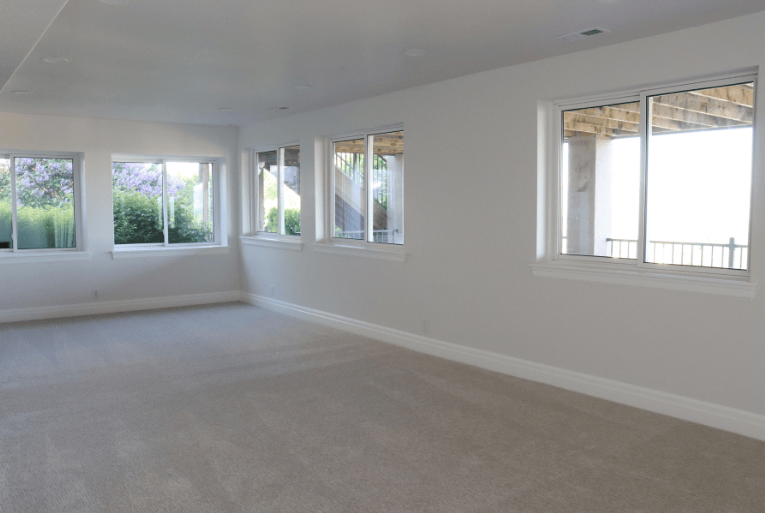
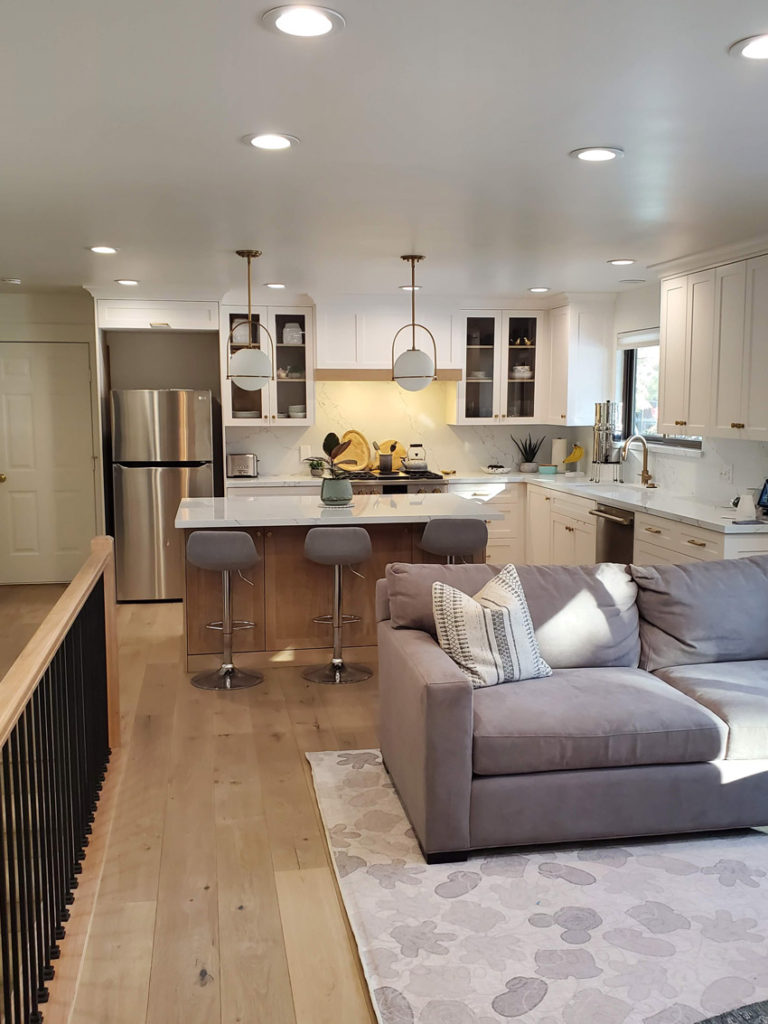
1. Finished Basements With Clear Purpose (Not “Open Everything”)
One of the biggest myths in basement renovations is that open-plan automatically adds value. In Utah homes, the opposite is often true.
The basements that add the most value in 2026 are not wide-open blank slates. They’re intentionally designed spaces with clear purpose, even if they still feel open and flexible.
Buyers don’t want to stand in an empty basement trying to imagine how it works. They want to walk in and immediately understand how the space fits into daily life.
What “Clear Purpose” Actually Means
A high-value finished basement typically includes defined zones, such as:
-
A family or media area
-
A guest or bedroom zone
-
A home office or flex space
-
Storage that doesn’t dominate the room
This doesn’t mean building walls everywhere. It means using:
These subtle design choices help buyers mentally “assign value” to each area.
Why This Matters for Utah Buyers
Utah households tend to:
-
Have larger families
-
Host visiting relatives
-
Use basements daily, not occasionally
That means basements need to work for real life, not just look good in photos.
A basement that clearly functions as:
-
A second living room
-
A guest-ready space
…will almost always outperform a vague open area in both appraisal and buyer perception.
The Resale Advantage of Defined Spaces
From a resale standpoint, purpose-driven basements:
-
Photograph better in listings
-
Feel larger than they actually are
-
Reduce buyer uncertainty
-
Justify higher asking prices
Buyers pay more for homes that feel “finished and usable,” not “almost done.”
Common Mistake to Avoid
Homeowners often say, “We’ll leave it open so the next owner can decide.”
In practice, that usually backfires.
An undefined space reads as:
-
Incomplete
-
Lower effort
-
Lower value
You can still keep layouts flexible — just give buyers a starting point.
Value-Focused Design Tip
If you’re unsure how to divide the space, design it around:
-
One primary use (family room or guest space)
-
One secondary use (office, gym, or play area)
That balance gives buyers clarity and flexibility — the sweet spot for resale value in Utah.
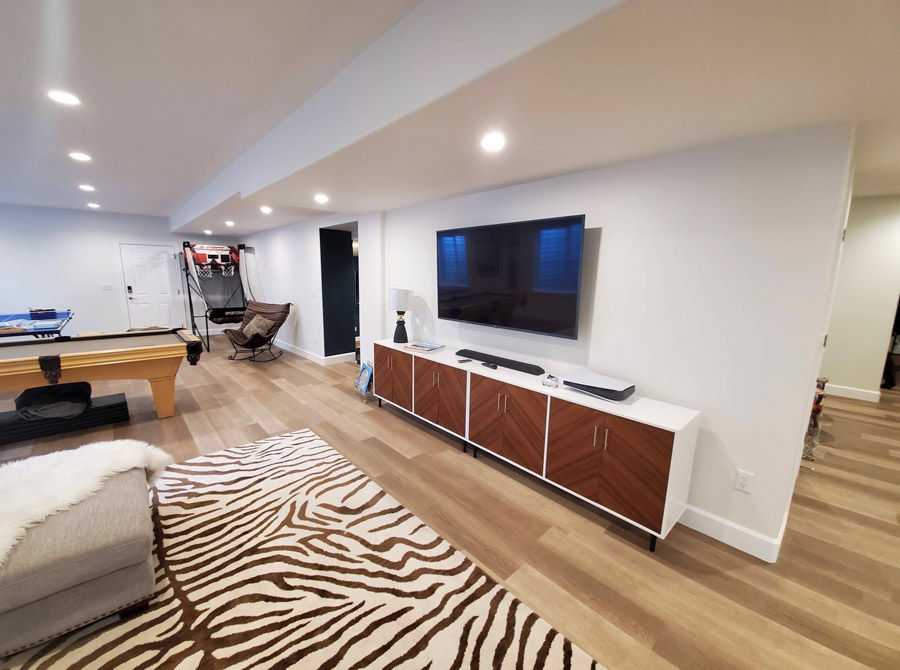
2. Basement Bedrooms (Only When Done Legally)
Adding a basement bedroom is one of the highest ROI basement upgrades in Utah —
but only when it’s done legally.
This is where many homeowners get caught out. A basement bedroom that looks great but fails
code requirements doesn’t add value. In some cases, it can actually reduce it.
In Utah, legality matters far more than finishes.
What Makes a Basement Bedroom Legal in Utah?
For a basement bedroom to count toward value, appraisal, and resale, it must meet
specific building and safety requirements. At a minimum, this includes:
- Egress window or door that meets size and accessibility requirements
- Minimum ceiling height set by building code
- Code-compliant electrical and HVAC
- Permits pulled and inspections passed
Miss even one of these, and the room may not legally qualify as a bedroom —
no matter how finished it looks.
Legal vs Illegal Basement Bedrooms (At a Glance)
| Feature | Legal Basement Bedroom | Illegal / Non-Compliant Bedroom |
|---|---|---|
| Egress Window | Meets size, height, and access requirements | No egress or undersized window |
| Ceiling Height | Meets minimum code requirements | Too low to qualify |
| Permits & Inspections | Fully permitted and approved | Unpermitted or skipped inspections |
| Appraisal Impact | Counts toward bedroom total | Excluded from appraisal |
| Resale Risk | Low risk, buyer-friendly | High risk, buyer red flag |
Why Egress Is Non-Negotiable
Egress isn’t a technical detail — it’s a life-safety requirement.
A proper egress window allows occupants to escape in an emergency and allows firefighters
to enter if needed. Without it, the room will usually be classified as a:
- Bonus room
- Office
- Storage room
Not a bedroom.
How Legal Basement Bedrooms Add Real Value
When done correctly, a legal basement bedroom:
- Increases usable and marketable square footage
- Expands the buyer pool for families and multi-generational living
- Adds flexibility for guests, offices, or future resale
- Strengthens appraisals and buyer confidence
In Utah markets especially, legal bedrooms often influence
how fast a home sells, not just the final price.
Common Mistakes Homeowners Make
- Installing a bedroom without proper egress
- Skipping permits to “save time”
- Assuming buyers won’t notice code issues
- Relying on finishes to compensate for non-compliance
These shortcuts usually surface during inspections — when they’re most expensive to fix.
Hard truth:
A “bedroom” without egress is just a storage room with a bed.
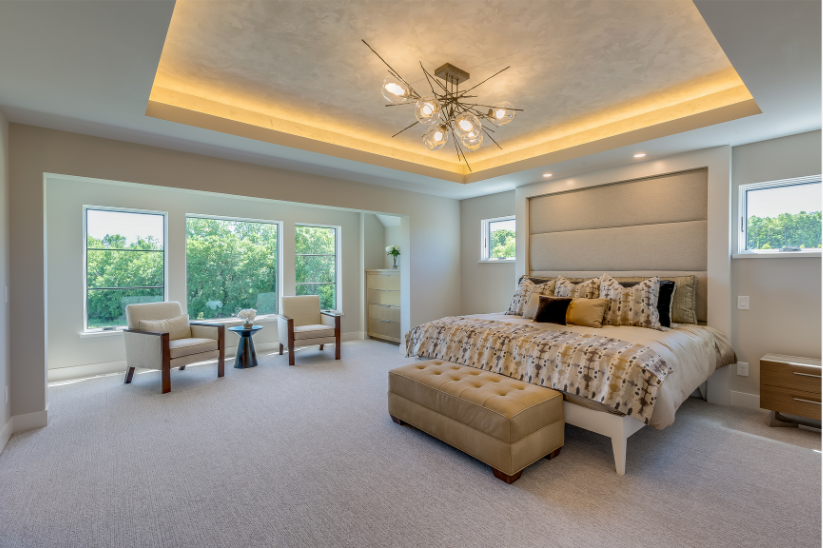
3. Full or ¾ Bathrooms (High Impact, High Value)
Basements without bathrooms almost always feel incomplete.
In Utah homes, adding a basement bathroom is one of the most impactful
upgrades you can make because it dramatically changes how the space can be used.
A basement bathroom:
- Makes the space usable as a true guest suite
- Supports rental or multi-generational living
- Eliminates the need to go upstairs for basic use
- Increases overall functionality and buyer appeal
From a buyer’s perspective, a basement with a bathroom feels finished.
Without one, it feels like an afterthought.
¾ Bathroom vs Full Bathroom: What Adds More Value?
Both full and ¾ bathrooms can add value in a basement, but they serve slightly
different purposes. The right choice depends on space, plumbing access, and how
the basement will be used.
| Bathroom Type | Includes | Best Use Case | Value Impact |
|---|---|---|---|
| ¾ Bathroom | Shower, toilet, sink | Guest use, family rooms, offices | High value with lower cost |
| Full Bathroom | Tub/shower, toilet, sink | Guest suites, bedrooms, rentals | Maximum functionality and resale appeal |
In many Utah homes, a well-designed ¾ bathroom delivers nearly the same resale
benefit as a full bath — without the additional space or plumbing cost.
What Actually Matters in a Basement Bathroom
You don’t need luxury tile everywhere to add value.
You do need the fundamentals done correctly:
- Proper drainage and correctly installed plumbing
- Good ventilation to prevent moisture and odor issues
- Durable finishes that can handle humidity and daily use
- Lighting that makes the space feel clean and bright
Buyers care far more about function, cleanliness, and longevity than high-end finishes
that won’t age well.
Why Basement Bathrooms Add So Much Value in Utah
Utah buyers consistently prioritize homes that offer:
- Privacy between floors
- Guest-ready spaces
- Flexibility for family growth
- Future rental or in-law options
A basement bathroom supports all of these without requiring a full addition or major
structural changes.
Common Basement Bathroom Mistakes
- Skipping proper ventilation
- Poor drainage planning
- Over-designing instead of focusing on usability
- Choosing finishes that don’t handle moisture well
- Trying to cut costs on plumbing and waterproofing
These mistakes don’t always show immediately — but they surface later as maintenance
issues, inspection problems, or buyer hesitation.
Value tip:
A clean, simple basement bathroom almost always adds more value than an over-designed one
that prioritizes looks over function.
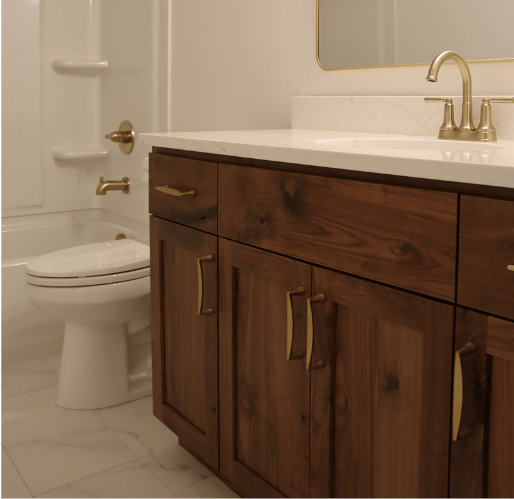
4. Basement Guest Suites (Huge Buyer Appeal)
Guest suites are one of the most valuable basement configurations in Utah right now.
They don’t just add square footage — they add flexibility, and flexibility is what
buyers are willing to pay for.
Why Basement Guest Suites Are So Valuable in Utah
Guest suites perform especially well in Utah homes because they align with how families
actually live.
- Family visits are common and often extended
- Multi-generational living is increasing
- Buyers value privacy between floors
- Homes need to adapt as family needs change
A basement guest suite allows visitors to have their own space without disrupting
the rest of the household — something buyers immediately understand and value.
What a High-Value Basement Guest Suite Includes
A well-designed guest suite doesn’t need to be large, but it does need to feel
intentional and complete.
- Bedroom (legally compliant where required)
- Bathroom (¾ or full, depending on layout)
- Small living area for seating or relaxation
- Optional kitchenette (subject to zoning and permits)
Even when the space is never rented, buyers consistently respond positively to the
option of having a guest-ready area.
Guest Suite vs Standard Finished Basement
| Feature | Standard Finished Basement | Basement Guest Suite |
|---|---|---|
| Sleeping Area | Optional or undefined | Dedicated bedroom |
| Bathroom Access | Often shared or upstairs | Private bathroom |
| Privacy | Limited | High (separate living zone) |
| Buyer Appeal | Moderate | Very high |
| Future Flexibility | Lower | Excellent (guests, family, office) |
Do Guest Suites Have to Be Rentals to Add Value?
No — and this is an important distinction.
While guest suites can support rental or in-law use, their value isn’t tied to
whether the home is ever rented.
Buyers are drawn to:
- Separation between living spaces
- Privacy for guests or family members
- Future-proof layouts that adapt over time
That perceived flexibility often adds more value than a rigid, single-purpose layout.
Common Guest Suite Mistakes to Avoid
- Skipping a bathroom to save space or cost
- Poor sound separation from the main living areas
- Overbuilding a kitchenette where zoning doesn’t allow it
- Designing the space too narrowly for one use
The most valuable guest suites are simple, compliant, and adaptable — not overbuilt.
Bottom line:
Even if a basement guest suite is never rented, buyers love knowing the option is there.
5. Home Offices That Feel Like Real Offices
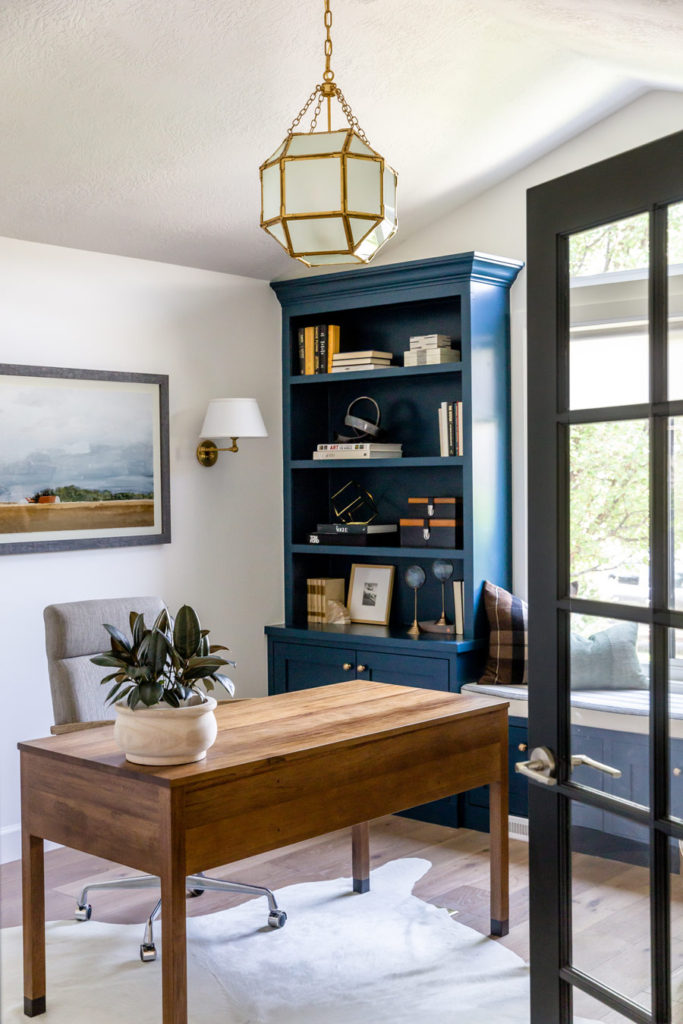
Basement home offices add value only if they don’t feel like basements.
Since remote and hybrid work became normal, buyers have become far more discerning.
A basement office that feels dark, cramped, or temporary doesn’t increase value.
A well-designed one absolutely does.
What Makes a Basement Office Add Value?
A high-value basement office needs to feel like a place where someone could comfortably
work for a full day — not a corner that was filled in after the fact.
- Proper lighting (layered lighting, not a single ceiling bulb)
- Sound insulation from the rest of the home
- Adequate ceiling height to avoid a boxed-in feeling
- Clean, professional finishes that suit work, not storage
Buyers subconsciously evaluate how productive and comfortable the space feels.
If it feels like a compromise, they discount it.
Basement Office: High-Value vs Low-Value Setup
| Feature | High-Value Basement Office | Low-Value Basement Office |
|---|---|---|
| Lighting | Layered lighting with task and ambient sources | Single overhead bulb |
| Sound Control | Insulated walls and door | No sound separation |
| Ceiling Height | Feels open and comfortable | Low and restrictive |
| Finish Quality | Professional, neutral finishes | Utility or unfinished look |
| Buyer Perception | Functional workspace | Temporary or makeshift |
Dark, cramped offices don’t increase value.
Functional, comfortable ones do.
Design rule:
If you wouldn’t want to work there eight hours a day, neither will buyers.
6. Basement Family & Media Rooms (Utah Buyers Love These)
Utah families use basements — a lot.
Because of that, basement family and media rooms consistently rank among the
most valuable and most used basement spaces in Utah homes.
What Makes a Basement Family Room High Value?
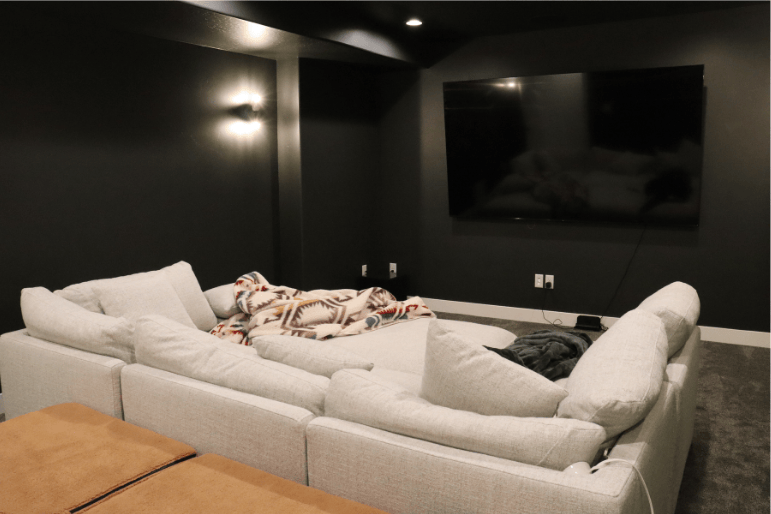
The most successful basement family rooms are designed for everyday use,
not just occasional movie nights.
- Comfortable seating zones for families and groups
- Space for TVs or projectors without dominating the room
- Built-in or concealed storage for games, toys, or media
- Durable flooring that can handle real life
Buyers respond strongly to spaces that feel relaxed, usable, and flexible —
not overly themed or locked into one purpose.
What to Skip in Basement Media Rooms
Some features sound impressive but don’t add proportional value.
- Over-the-top home theaters with fixed seating
- Highly customized built-ins that limit layout options
- Designs that only work for one type of buyer
These features often narrow buyer appeal rather than expanding it.
Flexible Design = Stronger Resale
The most valuable basement family rooms can easily adapt into:
- Kids’ hangout spaces
- Secondary living rooms
- Teen lounges
- Casual media rooms
Flexibility allows buyers to project their own lifestyle onto the space —
which is one of the strongest drivers of perceived value.
Bottom line:
In Utah homes, basements that support everyday family life consistently outperform
highly specialized spaces when it comes to resale.
7. Proper Ceiling Height & Lighting (Non-Negotiable)
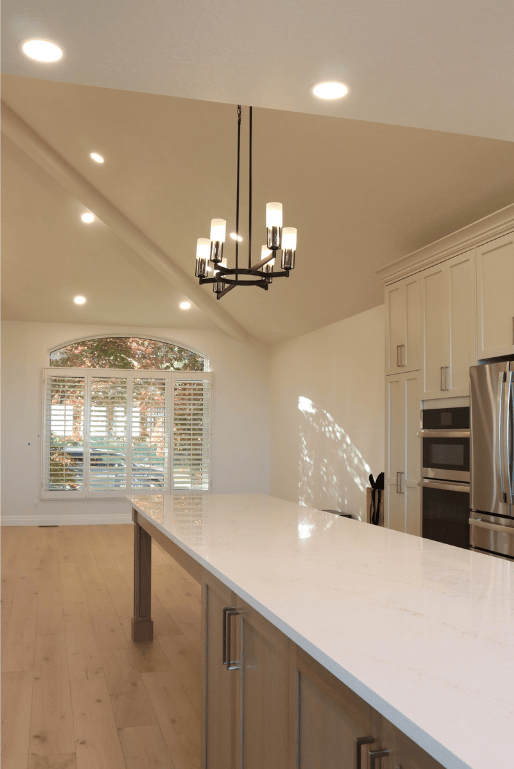
Low ceilings kill basement value faster than outdated finishes.
Buyers will forgive older flooring or simple trim.
They will not forgive a basement that feels cramped, dark, or claustrophobic.
Why Ceiling Height Matters More Than People Expect
Ceiling height directly affects how a basement feels the moment someone walks in.
Even well-finished basements lose value if the ceiling height feels restrictive.
In Utah homes, ceiling height issues are one of the most common reasons basements
are mentally discounted by buyers — even when they can’t articulate why.
How to Maximize Basement Value With Ceiling Height
- Address ceiling height early in the design phase, before finishes are chosen
- Minimize dropped ceilings and unnecessary soffits where possible
- Plan mechanical layouts to preserve headroom
- Use visual strategies to make the space feel taller
Lighting Is the Other Half of the Equation
Lighting can either amplify ceiling height — or make a low ceiling feel even lower.
High-value basement lighting includes:
- Layered lighting (ambient, task, and accent)
- Recessed lighting placed strategically, not excessively
- Wall lighting that draws the eye outward instead of downward
- Consistent lighting levels across the space
High-Value vs Low-Value Ceiling & Lighting Choices
| Design Element | High-Value Approach | Low-Value Approach |
|---|---|---|
| Ceiling Design | Maximized headroom, minimal drops | Heavy soffits and boxed-in ceilings |
| Lighting Style | Layered, evenly distributed lighting | Single light source or uneven coverage |
| Visual Impact | Bright, open, spacious feel | Dark, compressed appearance |
| Buyer Perception | Comfortable and livable | Compromised and limiting |
A bright, open basement can feel twice as large as a dark one —
even when the square footage is identical.
Bottom line:
Ceiling height and lighting are not cosmetic upgrades. They are structural value drivers.
8. Moisture Control & Insulation (Invisible Value That Matters)
Buyers may not see moisture control — but inspectors absolutely do.
And when moisture issues appear in an inspection report, they immediately raise
questions about build quality, long-term maintenance, and hidden damage.
Why Moisture Control Is Critical in Basements
Basements sit below grade, which makes them naturally more vulnerable to:
- Ground moisture
- Seasonal water intrusion
- Condensation
- Temperature fluctuations
Ignoring moisture management doesn’t reduce costs — it simply delays
problems that become more expensive later.
What High-Value Basement Moisture Control Includes
Well-built, high-value basement renovations typically include:
- Proper waterproofing at foundation and wall interfaces
- Vapor barriers installed correctly for the climate
- Correct insulation to prevent condensation and heat loss
- Dehumidification strategies for long-term moisture control
Why Insulation Impacts Value, Not Just Comfort
Insulation affects far more than temperature.
Poor insulation can lead to:
- Persistent damp smells
- Cold floors and walls
- Condensation buildup
- Mold concerns flagged during inspections
Buyers may not understand the technical details, but they notice the symptoms —
and they price them in immediately.
Proper Moisture Control vs Cost-Cutting Shortcuts
| Area | High-Value Build | Low-Value Shortcut |
|---|---|---|
| Waterproofing | Planned and integrated | Ignored or partially addressed |
| Insulation | Correct type and placement | Minimal or incorrect insulation |
| Ventilation | Active moisture management | No long-term strategy |
| Inspection Outcome | Clean, low-risk report | Red flags and buyer hesitation |
Skipping moisture control doesn’t save money.
It just delays expensive problems — often until the point of sale.
Basement Renovation Ideas That Don’t Add Value in Utah
Not every basement renovation idea that looks good online actually pays off.
Some upgrades sound impressive, but when it comes time to sell, they either fail
to increase value — or actively work against it.
Common Basement Renovation Mistakes That Hurt Value
- Luxury finishes without function
High-end tile, custom millwork, or designer features don’t add value if the space
itself isn’t practical. Buyers value usability first, finishes second. - Over-customized layouts
Highly specific designs that only suit one lifestyle can limit buyer appeal.
The more flexible the space, the broader the market. - Illegal bedrooms or kitchens
Unpermitted bedrooms, kitchens, or rental setups are red flags during inspections
and appraisals. These often need to be removed or reclassified before sale. - Cheap materials that age poorly
Low-quality flooring, fixtures, and finishes tend to show wear quickly and raise
questions about overall build quality. - Skipping permits to “save time”
This often backfires. Permit issues surface during inspections and can delay or
derail a sale entirely.
A simple rule applies here:
If it complicates resale, it reduces value.
What Actually Determines Basement ROI in Utah
It’s not the trend.
It’s not the tile.
Basement return on investment in Utah consistently comes down to four fundamentals.
- Legal compliance
Permits, inspections, and code compliance protect value and buyer confidence. - Functionality
Spaces that serve real, everyday needs outperform decorative upgrades. - Flexibility
Buyers pay more for layouts that adapt to different lifestyles and future needs. - Quality execution
Solid construction, clean finishes, and good planning always outlast trends.
When these four elements are done right, value follows — regardless of style or finish level.
Bottom line:
The most valuable basement renovations aren’t the flashiest ones.
They’re the ones that make sense on paper, in inspections, and in everyday life.
Frequently Asked Questions About Basement Renovations in Utah
Do basement renovations really increase home value in Utah?
Yes — when they’re done correctly. Finished basements that are legally compliant,
functional, and flexible consistently add value in Utah homes. Poorly planned or
unpermitted renovations often fail to increase value and can even reduce buyer confidence.
What basement renovation adds the most value?
The highest-value basement upgrades in Utah typically include legal bedrooms,
bathrooms, guest suites, and well-designed family spaces. The biggest returns come
from improvements that increase usable living space rather than decorative finishes.
Do basement bedrooms need egress windows in Utah?
Yes. For a basement bedroom to be considered legal in Utah, it must include a
code-compliant egress window or door. Without egress, the room will not count as
a bedroom for appraisal or resale purposes.
Is a ¾ bathroom enough in a basement, or do I need a full bathroom?
A ¾ bathroom (toilet, sink, and shower) is often sufficient and delivers strong value,
especially for guest use or family spaces. Full bathrooms add more flexibility in
bedroom or rental-style layouts, but they aren’t always necessary to add value.
Do I need permits to renovate my basement in Utah?
In most cases, yes. Basement renovations involving bedrooms, bathrooms, electrical,
plumbing, or structural changes typically require permits and inspections. Skipping
permits can create issues during inspections and delay or derail resale.
Can I add a kitchenette or rental-style setup in my basement?
It depends on zoning and local regulations. Some basement kitchenettes or rental
features may be restricted or require special approval. Even when rentals aren’t
permitted, buyers still value guest-suite layouts that offer flexibility.
How important is ceiling height in a finished basement?
Ceiling height is critical. Low ceilings are one of the fastest ways to reduce perceived
value, even in newly finished basements. Lighting and layout can help, but addressing
ceiling height early in the design phase is essential.
Will finishing a basement help my home sell faster?
In many Utah markets, yes. Homes with finished, functional basements often attract
more interest and sell faster because buyers see immediate usability and flexibility.
However, quality and compliance matter more than sheer square footage.
What basement renovations should I avoid?
Avoid illegal bedrooms, skipped permits, over-customized layouts, and cheap materials
that wear quickly. If an upgrade complicates inspections or resale, it usually reduces
value rather than increasing it.
Is winter a bad time to renovate a basement in Utah?
Not necessarily. Many basement renovations can be completed year-round since much
of the work is indoors. Planning, permitting, and contractor availability often improve
during slower seasons.
Thinking About Renovating Your Basement?
Every Utah basement is different. Ceiling height, layout, moisture conditions,
zoning rules, and long-term goals all play a role in what makes sense — and what doesn’t.
Before committing to designs or budgets, it’s worth getting clear on a few fundamentals:
- What’s legally possible in your specific home and location
- What makes financial sense for your budget and goals
- What buyers actually value in the Utah market
A smart basement renovation isn’t about doing more.
It’s about doing the right things — in the right order.
Final Word
Basement renovations are one of the best investments Utah homeowners can make
when they’re planned and executed strategically.
If you’re renovating for value in 2026, focus on:
- Purpose — every space should have a clear, usable role
- Compliance — permits, inspections, and code matter
- Flexibility — adaptable layouts outperform rigid designs
- Long-term usability — think beyond trends and finishes
When those elements are right, value follows.
🎁 LIMITED-TIME WINTER OFFER
SCHEDULE YOUR UTAH BASEMENT FINISHING PROJECT WITH US AND RECEIVE A
FREE 65” WALL-MOUNTED TV
SIGN BEFORE THE END OF WINTER TO CLAIM YOURS
*Offer valid for new basement finishing contracts signed on or before 20 March 2026.
Cannot be combined with other promotions. One TV per household.