

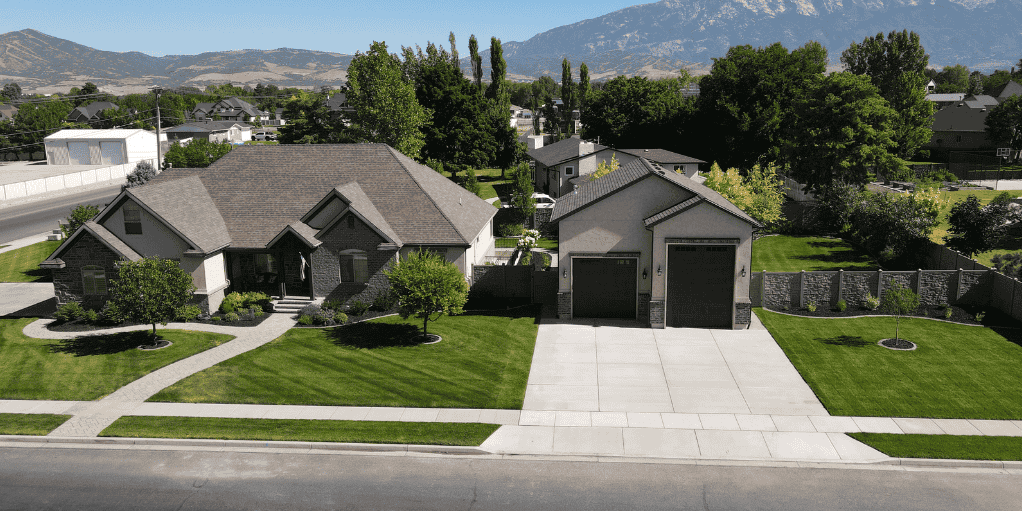
It’s “Which one adds usable value without hurting resale?”This guide breaks down the pros, cons, ROI, and resale impact of basement vs garage conversions in Utah, so you can make the right decision before committing thousands of dollars.
Why Utah Homeowners Compare Basements and Garages
Homes in Utah are built with very different assumptions than homes in many other parts of the country. Basements are common, garages are expected, and buyers are highly comparison-driven when evaluating livable space, resale value, and long-term usability.
In Utah, additional square footage alone isn’t what determines value — it’s how that space is created and whether it aligns with buyer expectations. That’s why homeowners so often find themselves choosing between two options that seem similar on the surface but perform very differently in the market: finishing the basement or converting the garage.
Most homeowners reach this comparison for the same practical, lifestyle-driven reasons:
- Growing families that need more bedrooms, play space, or separation between living areas
- Home offices or remote work setups that require quiet, dedicated space
- Multi-generational living for aging parents or adult children
- Guest suites or rental potential to offset rising housing costs
- Trying to avoid moving in a tight, competitive Utah market
From a homeowner’s perspective, both basement and garage conversions appear to solve the same problem: gaining usable living space without buying a new home. From a buyer, appraiser, and inspector perspective, however, they are not evaluated equally — and that difference shows up clearly in final sale price, appraisal outcomes, and buyer demand.
Utah buyers tend to compare homes side by side, not in isolation. In neighborhoods where finished basements are common, buyers mentally expect that space to exist. A finished basement is usually viewed as an upgrade that enhances livability. A missing garage, on the other hand, is often viewed as a compromise — even if the converted space itself is well designed.
This dynamic is especially pronounced across Utah’s major markets. In Utah County, family-oriented buyers place a high premium on garages for storage, vehicles, and winter practicality, while also strongly valuing finished basements for flexible family use. In Salt Lake County, buyer expectations vary by neighborhood, but loss of garage space still creates resistance in most suburban areas where garages are considered standard.
Appraisers and inspectors reinforce this distinction. Finished basements are evaluated based on quality, code compliance, ceiling height, and usability. Garage conversions are evaluated not only on the quality of the new space, but also on what was lost — parking, storage, and functionality — relative to comparable homes.
That distinction matters more than many homeowners expect. Two homes with similar total square footage can land at very different valuations if one adds space without removing expected features, while the other gains space by sacrificing something buyers assume should be there.
This is why the basement vs garage decision in Utah is less about square footage and more about resale safety, buyer psychology, and long-term ROI.
Conversion insight: In Utah, adding livable space generally helps value. Removing space buyers expect — like a garage — can quietly suppress value, even when the conversion itself is professionally done.
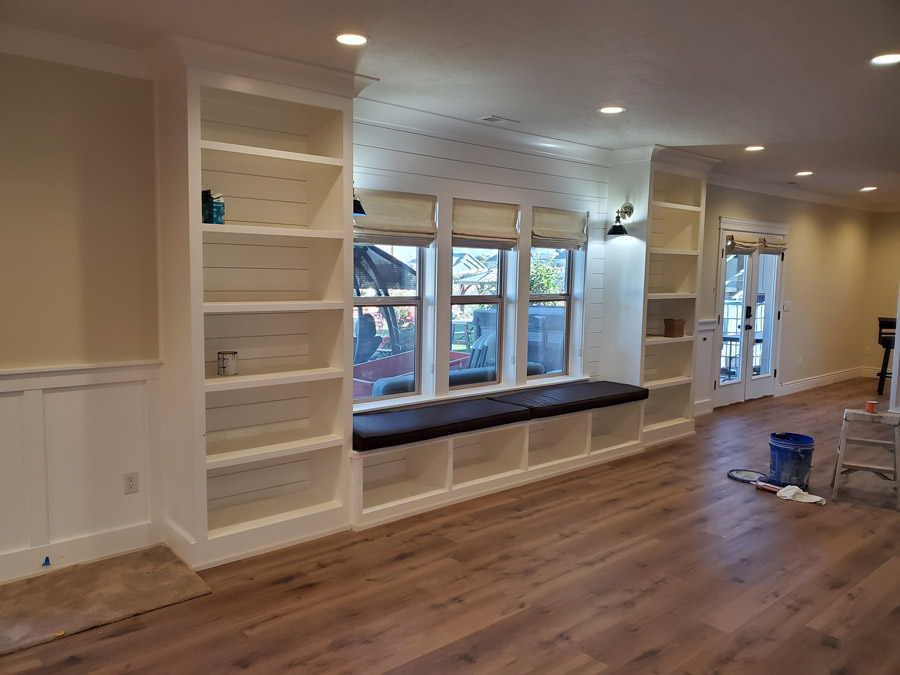
Basement Conversion
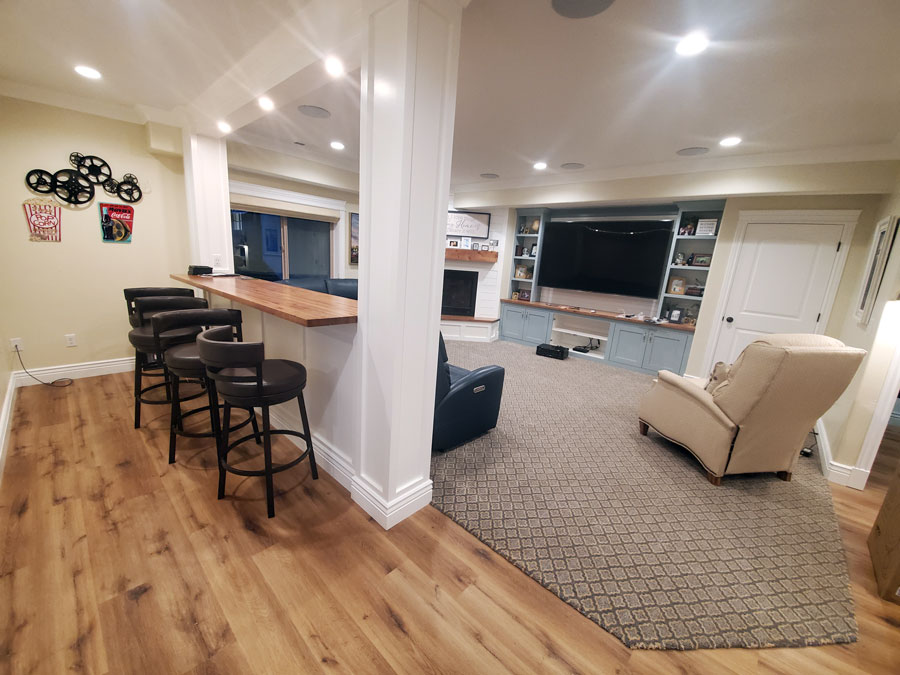
In Utah, finished basements are not viewed as a luxury or optional upgrade — they are an expectation in many neighborhoods. Buyers don’t compare finished basements against unfinished ones; they compare finished basements against other finished basements when deciding which home offers better value.
This is a critical distinction. A basement that feels incomplete, dark, or underbuilt doesn’t get a “pass” simply because it’s below grade. Instead, it is mentally discounted. Conversely, a well-designed, permitted, comfortable basement is treated as real living space that enhances how the home functions day to day.
Utah buyers understand basements. They know how they’re used — for families, work-from-home setups, fitness, guests, and multi-generational living. When finished properly, basements integrate seamlessly into how homes are lived in across the state.
Pros of a Basement Conversion in Utah
- High buyer acceptance: Finished basements are standard in Utah buyer comparisons, especially in suburban family markets.
- Strong ROI: Professionally finished basements typically return 70%–80% of their cost at resale.
- No loss of existing functionality: You’re adding space without removing features buyers expect.
- Flexible layouts: Basements adapt easily to bedrooms, offices, gyms, family rooms, theaters, or hobby spaces.
- Rental & in-law potential: Particularly valuable in Utah County and Salt Lake County where multi-generational living is common.
From a resale standpoint, this flexibility is a major advantage. Basements don’t lock buyers into a single use case. A home office today can become a guest room tomorrow, or a teen hangout later — and buyers recognize that adaptability as value.
Appraisers also tend to support finished basements when they are built correctly. Proper ceiling heights, integrated HVAC, legal egress, and consistent finish quality all help basements contribute meaningfully to overall valuation.
Cons of a Basement Conversion
- Ceiling height constraints in some older Utah homes can limit comfort or room configuration.
- Egress requirements must be met for any legal bedrooms.
- Moisture mitigation must be handled properly to avoid inspection issues.
- Below-grade space may not be counted as above-grade square footage by appraisers.
While these constraints are real, they are well understood and manageable. Importantly, Utah buyers and appraisers expect basements to be below grade — they do not penalize homes for that fact alone. What they do penalize are basements that feel dark, cold, underbuilt, or non-compliant.
A basement that feels intentional, comfortable, and consistent with the rest of the home is treated as an asset. One that feels rushed or compromised is treated as a liability.
Conversion insight: Utah buyers don’t penalize basements for being basements — they penalize basements that feel unfinished, uncomfortable, or poorly executed.
Garage Conversion
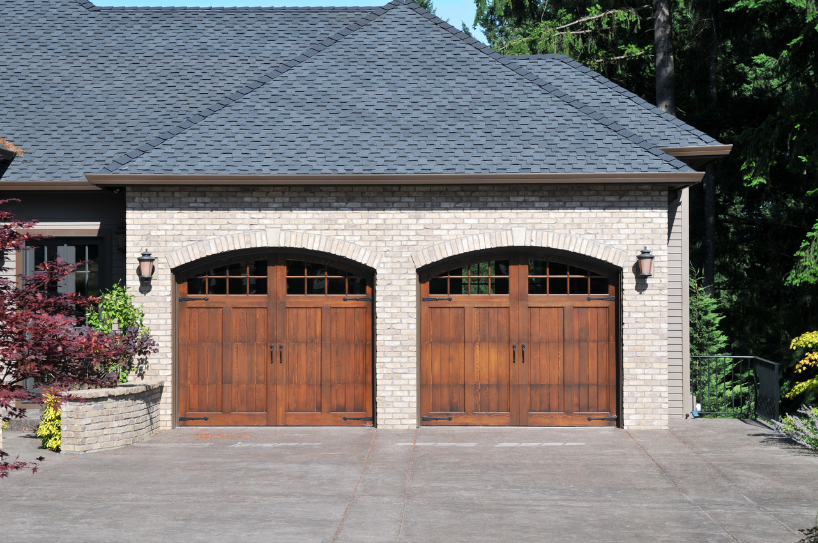
Garage conversions often sound appealing on paper. They offer above-grade living space, solid ceiling heights, natural light, and in some cases a faster construction timeline than finishing a basement. For homeowners focused purely on square footage, they can seem like an efficient solution.
But in Utah, garages carry significantly more weight than many homeowners realize — especially with buyers, appraisers, and inspectors. In most Utah markets, garages are not viewed as optional or expendable space. They are considered a core functional feature of the home.
Utah’s climate, lifestyle, and family-oriented housing patterns all reinforce this expectation. As a result, converting a garage often introduces trade-offs that don’t exist with basement conversions.
Pros of a Garage Conversion
- Above-grade living space: Some buyers prefer not having all living areas below grade.
- Potentially faster construction timeline: Fewer structural constraints compared to basements.
- Good ceiling height and natural light: Garages can feel more open than some older basements.
In very specific scenarios — such as urban neighborhoods with lower garage expectations or homes with multiple garages — these advantages can carry real value.
Cons of a Garage Conversion in Utah
- Loss of garage space: This is the biggest drawback. Many Utah buyers actively filter out homes without garages.
- Winter practicality: Snow, ice, vehicle protection, and storage matter in Utah’s climate.
- Appraisal penalties: Appraisers often discount homes that lose expected parking or storage.
- HOA and zoning issues: Particularly common in planned communities and newer developments.
- Buyer resistance: Some buyers won’t consider a home without an enclosed garage, regardless of added living space.
From a buyer’s perspective, a garage isn’t just a place to park — it’s storage, protection, and convenience rolled into one. Removing it forces buyers to mentally subtract value, even if the converted space itself is attractive.
Appraisers reinforce this reality. Garage conversions are frequently evaluated in the context of what comparable homes offer. If most nearby homes have garages, the converted home may be adjusted downward — or the new space may not be credited fully.
Inspectors also scrutinize garage conversions closely. Fire separation, insulation, ventilation, HVAC integration, and permitting all come under tighter review because garages were not originally designed as living space.
The result is a conversion that can look good, function well for the current owner, and still underperform at resale.
Conversion insight: In Utah, garage conversions don’t usually fail because the space is poorly built — they underperform because removing a garage creates more buyer resistance than the new space creates value.
Basement vs Garage Conversion: Utah ROI Comparison
| Factor | Basement Conversion | Garage Conversion |
|---|---|---|
| Typical Utah Cost | $30,000 – $100,000+ | $25,000 – $60,000 |
| ROI at Resale | 70%–80% | 30%–60% (highly variable) |
| Buyer Appeal | High | Mixed to low |
| Appraisal Impact | Positive when permitted | Often discounted |
| Loss of Existing Value | None | Loss of garage utility |
| Long-Term Flexibility | Very high | Limited |
Bottom line: Basement conversions deliver more predictable ROI in Utah.
The Appraiser & Inspector Perspective in Utah
When homeowners evaluate basement or garage conversions, they often focus on lifestyle benefits and construction cost. But in Utah, the final verdict on value is usually delivered by two gatekeepers: the appraiser and the home inspector.
Their standards are practical, documentation-driven, and largely indifferent to how much money was spent. A conversion that looks great but fails to meet appraisal or inspection criteria can lose value quickly — sometimes late in the transaction, when renegotiation power is lowest.
How Utah Appraisers View Basement Conversions
Utah appraisers are generally comfortable assigning value to finished basements — but only when those basements function as true living space. They don’t simply ask whether a basement is finished; they assess how finished it is.
Key factors Utah appraisers evaluate include:
- Permits and inspections: Unpermitted work is often excluded from value calculations.
- Legal bedrooms and egress: Bedrooms without compliant egress are not counted.
- Ceiling height and comfort: Low or irregular ceilings reduce usability and value.
- HVAC integration: Finished space must be heated and cooled consistently.
- Finish quality consistency: Materials should align with the rest of the home.
When these standards are met, finished basements often strengthen appraisals by improving functional utility and buyer comparability. When they aren’t met, the space may be partially discounted — or ignored altogether — regardless of how polished it looks.
How Utah Appraisers View Garage Conversions
Garage conversions are approached more cautiously by Utah appraisers because they change the fundamental utility of the home. Appraisers evaluate not only what was added, but what was lost.
Common appraisal concerns include:
- Loss of required or expected parking: Especially impactful in family-oriented neighborhoods.
- Comparable home alignment: If most nearby homes have garages, the converted home may be adjusted downward.
- Partial or full discounting: Some appraisers credit only a portion of the converted space — or none at all.
Even when the converted space is well finished, appraisers may treat it as inferior to original living space if it disrupts neighborhood norms or reduces functional balance.
Inspection Red Flags That Affect Both Conversions
Home inspections are where many conversions lose leverage. Utah inspectors are trained to identify safety, compliance, and durability issues — and conversion work is scrutinized closely.
Common inspection red flags include:
- Unpermitted conversions or missing final inspections
- Improper insulation or fire separation, especially in former garages
- Inadequate HVAC or reliance on space heaters
- Improper drainage or moisture control, particularly in basements
Even minor issues can lead to repair demands, appraisal conditions, or price renegotiations. In competitive Utah markets, these late-stage objections can cost sellers time, money, and negotiating power.
Conversion insight: In Utah, a conversion that fails appraisal or inspection doesn’t just lose value — it often triggers renegotiation at the worst possible moment.
When a Basement Conversion Wins in Utah
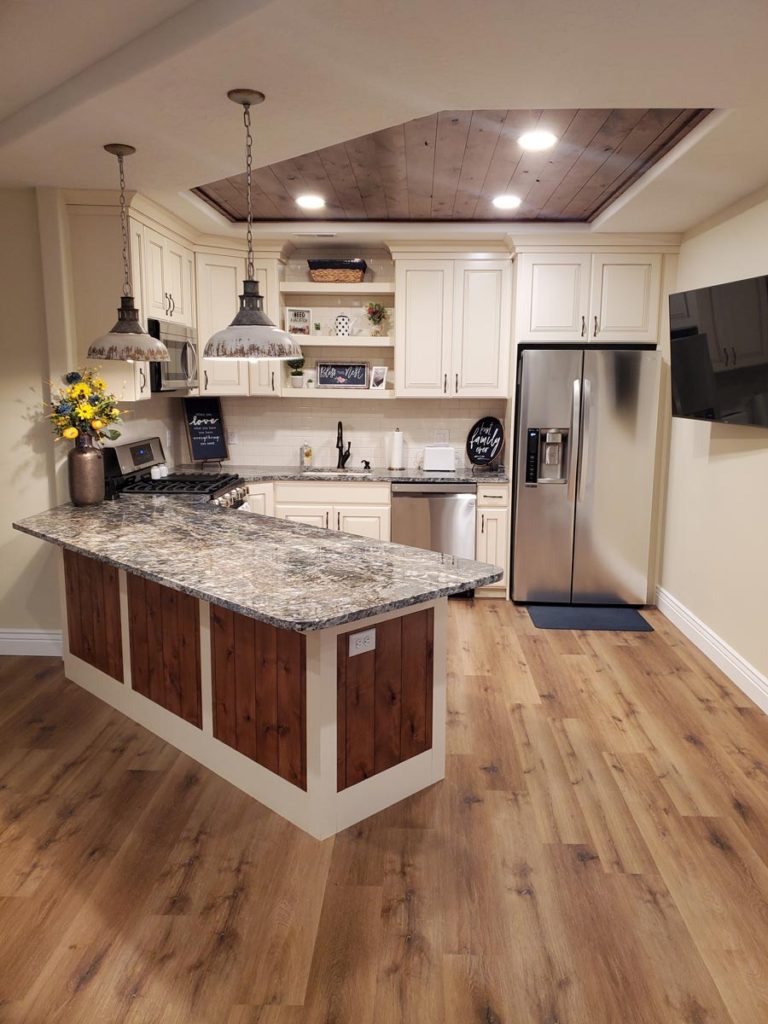
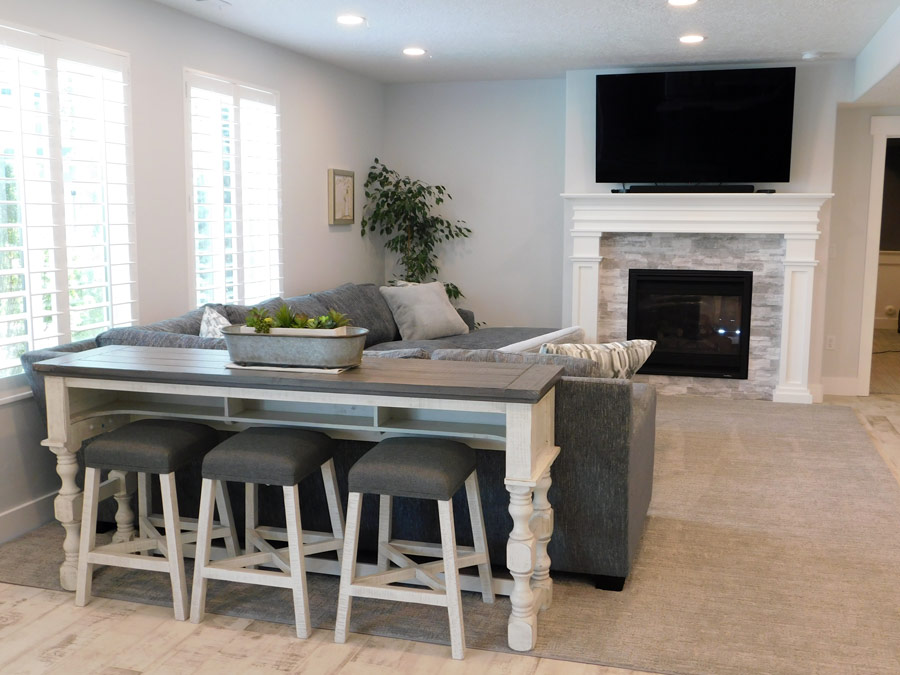
In the majority of Utah homes, finishing the basement is the safer, more predictable way to add livable space without compromising resale value. Basement conversions tend to perform best when they enhance how the home already functions rather than altering features buyers expect to remain intact.
A basement conversion is usually the strongest option when the home fits one or more of the following conditions:
- Family-oriented neighborhoods: Utah buyers with children value basements for play space, teen hangouts, and flexible family rooms.
- Homes with adequate ceiling height: Comfortable ceiling heights allow basements to function as true living space rather than overflow space.
- Multi-generational living needs: Basements naturally support privacy, separation, and independence for extended family arrangements.
- Rental or in-law suite plans: Legal, well-designed suites perform especially well in Utah County and parts of Salt Lake County.
- Long-term ownership or resale focus: Basements deliver both daily lifestyle value and strong resale recovery when owners eventually sell.
From a buyer’s perspective, basement conversions feel additive rather than disruptive. They expand usable space without taking anything away — which is why they are rarely questioned during showings and inspections when built properly.
When a Garage Conversion Can Make Sense
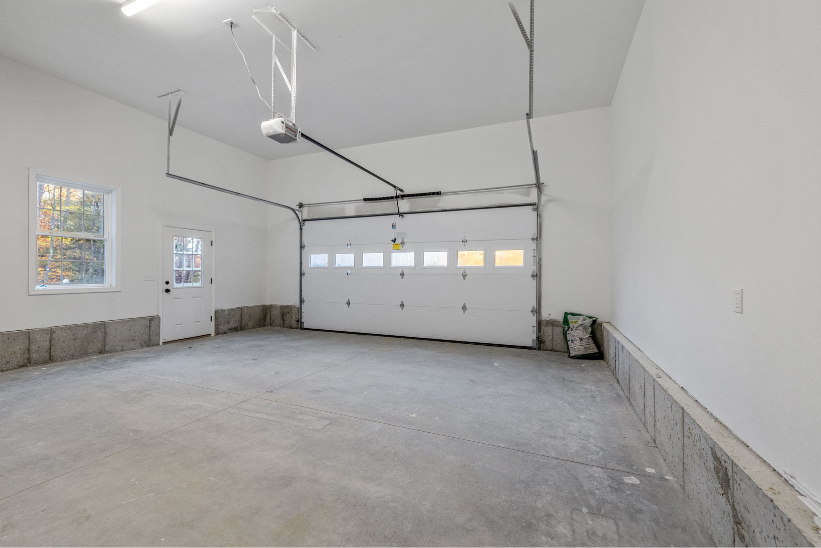
Garage conversions can work in Utah — but only in very specific scenarios where the loss of garage space does not conflict with buyer expectations or neighborhood norms. Outside of these situations, garage conversions tend to introduce unnecessary resale risk.
A garage conversion may make sense when:
- The home already has multiple garages: Losing one garage does not materially impact functionality or buyer perception.
- Urban areas with low garage expectations: Some city neighborhoods prioritize living space over enclosed parking.
- ADU zoning allows legal rentals: When zoning supports a compliant accessory dwelling unit, the income potential can offset resale concerns.
- Oversized lots with replacement garage options: Detached or rebuilt garages preserve expected parking and storage.
Even in these cases, garage conversions require careful planning, full permitting, and a clear understanding of neighborhood norms. Without those safeguards, the conversion often creates friction during appraisal and resale.
Reality check: In most Utah suburbs, removing a garage reduces buyer interest and negotiating leverage more than the added living space increases value — regardless of how well the conversion is built.
Basement vs Garage: Utah Decision Matrix
When Utah homeowners struggle with the basement vs garage decision, it’s usually because they’re weighing short-term convenience against long-term consequences. This matrix breaks the choice down using the same criteria buyers, appraisers, and inspectors apply — not just renovation cost or square footage.
| Decision Factor | Basement Conversion | Garage Conversion |
|---|---|---|
| Buyer Expectations | Aligned with Utah norms | Risky in most neighborhoods |
| Resale Safety | High and predictable | Variable and market-dependent |
| Inspection Risk | Low when permitted and finished properly | Higher due to fire separation, insulation, and code scrutiny |
| ROI Predictability | Strong and consistent | Inconsistent and harder to forecast |
| Lifestyle Flexibility | Very high (multi-use potential) | Moderate and more fixed |
How to Read This Matrix
If you’re deciding purely on square footage, both conversions can appear viable. But Utah buyers rarely evaluate homes that way. They look for homes that feel complete, practical, and consistent with neighborhood standards.
A basement conversion typically scores well because it:
- Adds livable space without removing expected features
- Aligns with how most Utah homes are already built and used
- Creates flexible rooms that adapt to changing needs
- Performs reliably during appraisal and inspection
Garage conversions score lower not because they can’t be built well — but because they often disrupt buyer expectations. Even a beautifully finished garage conversion can introduce hesitation if comparable homes still offer enclosed parking and storage.
The Hidden Factor: What Buyers Subtract Mentally
One of the biggest differences between these two options is what buyers mentally subtract during showings. With basement conversions, buyers focus on what they gain. With garage conversions, buyers often fixate on what’s missing.
That subtraction doesn’t always show up in listing descriptions — it shows up in:
- Lower initial offers
- Requests for concessions
- Longer time on market
- Stricter appraisal comparisons
The Strategic Takeaway for Utah Homeowners
In Utah, the decision isn’t just about adding space — it’s about protecting value. Basement conversions tend to deliver predictable returns because they enhance the home without changing its fundamental expectations. Garage conversions require far more contextual awareness to avoid unintended resale consequences.
Bottom line: If your goal is long-term flexibility, resale safety, and consistent ROI, the basement option wins in most Utah homes. Garage conversions should be approached selectively, with full awareness of neighborhood norms and buyer behavior.
Basement vs Garage Conversion: Frequently Asked Questions
Does a basement or garage conversion add more value in Utah?
In most Utah homes, a basement conversion adds more predictable value than a garage conversion. Finished basements typically return 70%–80% of their cost at resale, while garage conversions produce more variable results depending on neighborhood norms and buyer expectations.
Do Utah buyers prefer basements or garages?
Utah buyers generally prefer homes that have both finished basements and garages. When forced to choose, most buyers are more willing to compromise on an unfinished basement than on a missing garage — especially in suburban, family-oriented neighborhoods.
Does converting a garage hurt resale value in Utah?
It can. In many Utah markets, removing a garage reduces buyer interest and appraisal comparability. Even when the converted space is well finished, buyers often mentally discount the home due to lost parking, storage, and winter practicality.
Is a finished basement counted as square footage in Utah?
Finished basements are not always counted as above-grade square footage, but they still significantly influence buyer perception, appraisal comparisons, and final sale price. In practice, Utah buyers compare homes based on usable living space — not just what appears on the listing sheet.
Which option is easier to pass appraisal in Utah?
Basement conversions are generally easier to support during appraisal when they are permitted, code-compliant, and consistent with the rest of the home. Garage conversions are evaluated more cautiously because they alter expected functionality and may reduce comparability with nearby homes.
Which conversion is more likely to cause inspection issues?
Garage conversions tend to trigger more inspection scrutiny due to fire separation, insulation, ventilation, and HVAC requirements. Basement conversions can also raise flags if moisture, egress, or permitting issues are present, but these are more predictable and easier to address when planned correctly.
Is a garage conversion ever a good idea in Utah?
Yes — but only in specific situations. Garage conversions make the most sense in homes with multiple garages, urban neighborhoods with low garage expectations, or properties where zoning allows a legal ADU and replacement parking is available.
Which option is better for rental or in-law suites?
Basements are usually better suited for rental or in-law suites in Utah because they support privacy, separation, and legal bedroom layouts without sacrificing expected features like garages. Garage conversions can work for rentals only when zoning and parking requirements are clearly met.
What permits are required for basement or garage conversions in Utah?
Both conversions typically require permits for framing, electrical, HVAC, and plumbing. Basement bedrooms require compliant egress. Garage conversions often require additional approvals for fire separation, insulation, and sometimes zoning or HOA consent.
Which conversion is safer if I plan to sell later?
If resale safety is a priority, basement conversions are usually the safer option in Utah. They add space without removing expected features, perform more consistently during appraisal, and generate less buyer resistance during showings.
Bottom line: If you’re deciding between a basement or garage conversion in Utah, the basement option delivers more predictable ROI, broader buyer appeal, and fewer resale risks in most homes.
Final Word
In most Utah homes, basement conversions outperform garage conversions in:
- ROI
- Buyer appeal
- Appraisal support
- Resale safety
Garage conversions can work — but only when neighborhood norms, zoning, and replacement parking are carefully considered.
Pro Worx Construction helps Utah homeowners evaluate conversions with resale, lifestyle, and inspection realities in mind — not just square footage.