In This Article
- 01Why Basement Flooring Matters
- 02Luxury Vinyl Plank (LVP)
- 03Engineered Hardwood
- 04Ceramic or Porcelain Tile
- 05Carpet Tiles
- 06Epoxy Flooring
- 07Rubber Flooring
- 08Laminate Flooring
- 09Polished Concrete
- 10Cork Flooring
- 11Hybrid Flooring Systems
- 12Basement Flooring Comparison Table
- 13Design Tips for Choosing the Right Basement Floor
- 14Basement Flooring Installation Costs
- 15Final Thoughts
- 16Frequently Asked Questions
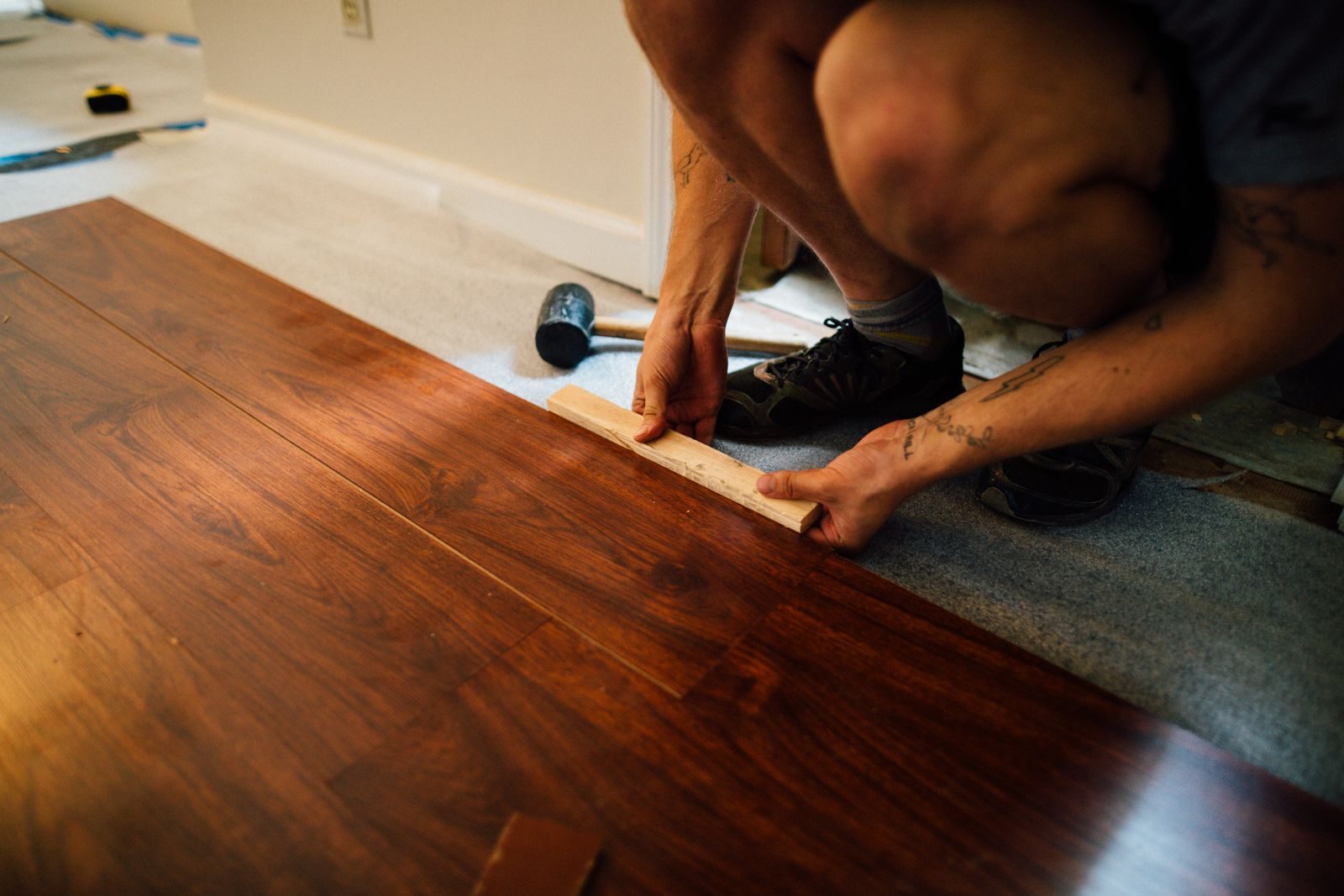
Flooring sets the tone for your whole basement finish, comfort, durability, and overall look. The wrong floor can leave your basement feeling cold, damp, or prone to damage. The right one turns it into a warm, functional extension of your home. Whether you're building a home theater, gym, or family room, this guide breaks down the best basement flooring options, including cost, pros and cons, and tips from our crew at Pro Worx Construction.
Why Basement Flooring Matters
Unlike the rest of your home, basements deal with unique conditions, moisture, concrete subfloors, and fluctuating temperatures. That’s why traditional hardwood often fails here, while vinyl, tile, or engineered wood thrive.
| Factor | Why It’s Important |
|---|---|
| Moisture Resistance | Prevents warping, mold, and long-term damage. |
| Insulation | Keeps the space warmer and more comfortable underfoot. |
| Durability | Withstands heavy furniture, kids, and everyday wear. |
| Style | Sets the visual tone of the entire basement remodel. |
1. Luxury Vinyl Plank (LVP)
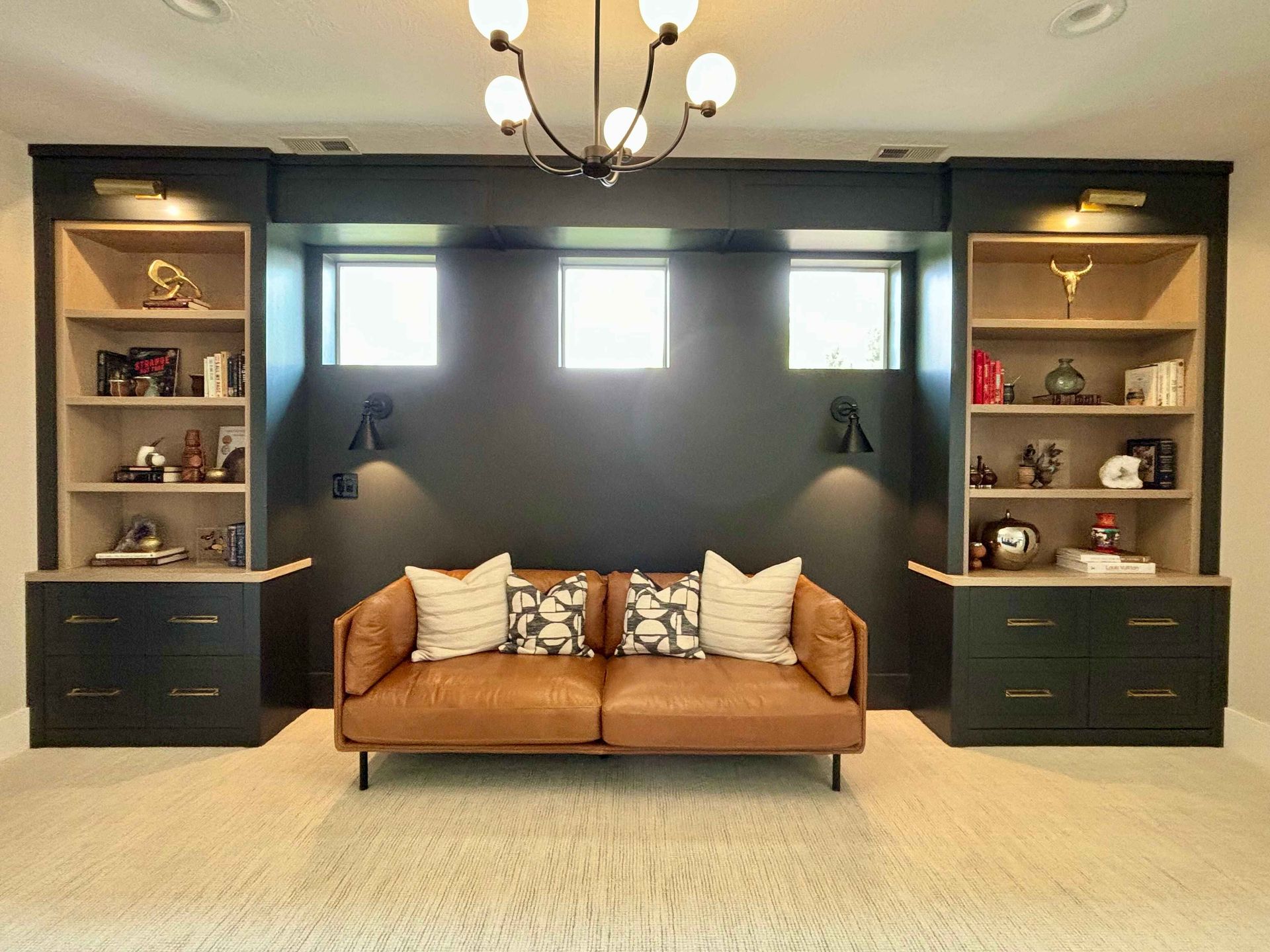
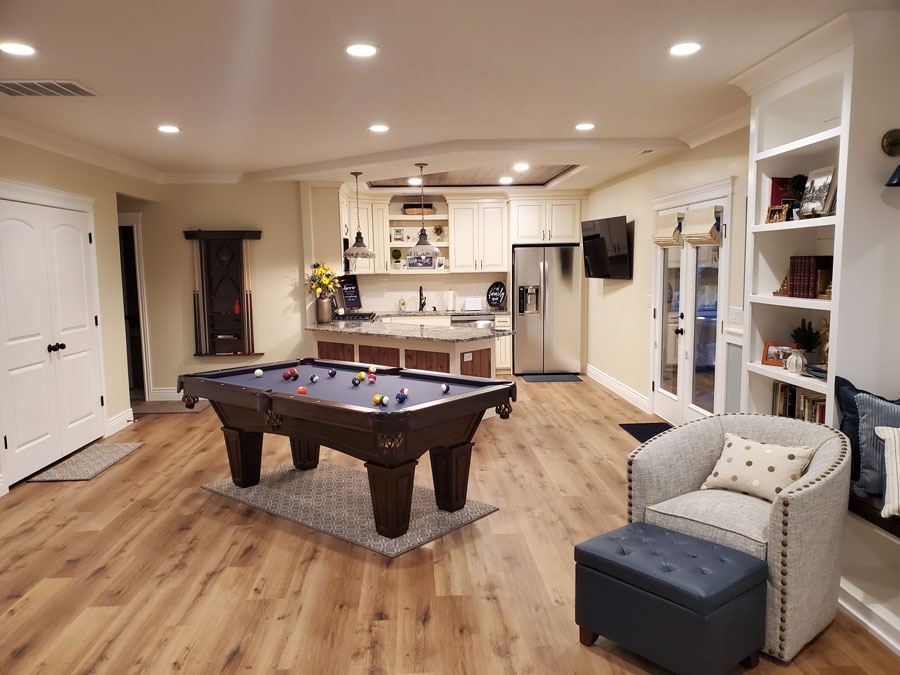
Luxury vinyl plank (LVP) is the material we install most often in Utah basements, and there's a good reason for that. It gives you the warmth and texture of real wood with waterproof performance that actual wood can't match. LVP's multiple layers resist warping, swelling, and scratches, which matters in high-traffic, high-moisture areas. It's also softer and warmer underfoot than tile, which makes a real difference in a cold basement.
| Feature | Details |
|---|---|
| Average Cost | $2.50–$5 per sq. ft. (installation extra) |
| Pros | 100% waterproof, scratch-resistant, realistic wood grain, softer underfoot, low maintenance. |
| Cons | Can dent under heavy furniture; cheap options may fade or peel over time. |
| Best For | Family rooms, playrooms, or any finished basement space needing warmth and durability. |
- Average Cost: $2.50–$5 per sq. ft.
- Pros: Waterproof, easy to clean, durable, and looks convincingly like real hardwood.
- Cons: Susceptible to dents and fading with cheaper brands.
Pro Tip: Choose rigid core or SPC (stone plastic composite) vinyl for superior stability, it’s denser, more waterproof, and performs better on uneven concrete slabs.
2. Engineered Hardwood
If you want the look of real wood but need something basement-safe, engineered hardwood is a solid bet. Unlike solid hardwood, it's built in layers, a real wood veneer on top over plywood or high-density fiber underneath. That construction minimizes the expansion and contraction humidity causes, which matters a lot in a below-grade space.
| Feature | Details |
|---|---|
| Average Cost | $4–$10 per sq. ft. depending on wood species and finish |
| Pros | Real wood surface, stable in moderate humidity, adds resale value, wide variety of finishes. |
| Cons | Not waterproof, standing water can cause swelling; costs more than vinyl. |
| Best For | Home offices, guest suites, or family lounges where humidity is controlled. |
- Average Cost: $4–$10 per sq. ft.
- Pros: Genuine wood finish, timeless look, boosts property value.
- Cons: Not fully waterproof; avoid in high-moisture zones.
Pro Tip: Always install engineered hardwood over a vapor-barrier underlayment. It prevents moisture transfer and extends floor life in below-grade spaces.
Thinking about a basement finishing project of your own?
Get a Free Estimate3. Ceramic or Porcelain Tile
For durability and a clean, upscale finish, ceramic and porcelain tile is one of the strongest choices out there. It's impervious to water, easy to sanitize, and holds up well in areas that see heavy traffic or the occasional leak. Pair it with radiant floor heating and you get something both practical and a little luxurious, a good combo for walkout basements, laundry rooms, or bathrooms.
| Feature | Details |
|---|---|
| Average Cost | $3–$8 per sq. ft. (plus $5–$10 for radiant heat systems if added) |
| Pros | Waterproof, low-maintenance, extremely durable, and available in countless styles and textures. |
| Cons | Cold underfoot without heating; grout may require resealing to stay fresh. |
| Best For | Walk-out basements, bathrooms, laundry rooms, or any high-moisture zone. |
- Average Cost: $3–$8 per sq. ft.
- Pros: Waterproof, durable, stylish, and perfect for heated floors.
- Cons: Cold feel and potential grout discoloration if not maintained.
Pro Tip: Pair tile floors with warm LED lighting or radiant heating to balance the cool surface temperature and create a more inviting basement environment.
4. Carpet Tiles
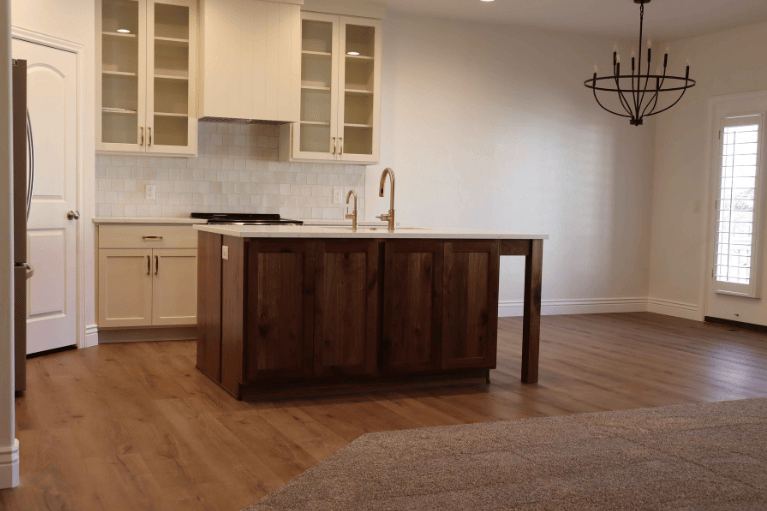
Carpet tiles balance warmth, comfort, and practicality for basement living spaces. They're modular and easy to install, and even easier to replace. If one tile gets stained or damaged, you just swap it out. That flexibility makes them a good fit for family rooms, home theaters, or kids' play zones where comfort matters as much as durability.
| Feature | Details |
|---|---|
| Average Cost | $1.50–$3 per sq. ft. (DIY-friendly installation) |
| Pros | Soft underfoot, warm, easy to replace individual tiles, provides excellent insulation and sound absorption. |
| Cons | Not waterproof; may trap moisture or odors if not cleaned regularly. |
| Best For | Playrooms, family rooms, and finished basements needing warmth and easy maintenance. |
- Average Cost: $1.50–$3 per sq. ft.
- Pros: Soft, modular, easy to replace, adds insulation and comfort.
- Cons: Not waterproof and may absorb odors over time.
Pro Tip: Choose low-pile, moisture-resistant carpet tiles with a waterproof backing, ideal for basements used as family rooms or kid-friendly spaces.
5. Epoxy Flooring
For homeowners who love a modern, polished look, epoxy flooring is hard to beat. It seals the concrete into a glossy, durable surface that's both waterproof and stain-resistant. Epoxy works especially well in multipurpose basements, from home gyms and workshops to game rooms, thanks to its clean, industrial feel.
| Feature | Details |
|---|---|
| Average Cost | $3–$7 per sq. ft. (depending on color and coating thickness) |
| Pros | Completely waterproof, seamless, extremely durable, stain- and chemical-resistant, customizable finishes and colors. |
| Cons | Can feel cold or slippery; installation requires professional expertise and proper surface prep. |
| Best For | Basement gyms, entertainment zones, or utility areas where durability and low maintenance are key. |
- Average Cost: $3–$7 per sq. ft.
- Pros: Seamless, waterproof, stain-resistant, and sleek.
- Cons: Cold to the touch and slippery unless textured.
Pro Tip: Ask your installer to add anti-slip flakes or a matte finish to improve traction, especially important in home gyms or laundry areas.
Thinking about a basement finishing project of your own?
Get a Free Estimate6. Rubber Flooring
Rubber flooring is a top choice for active basement spaces because it's shock-absorbent, non-slip, and naturally moisture-resistant, good for basement gyms, playrooms, or multipurpose family areas. It also cuts down on noise and cushions impact, which helps keep sound from traveling through a busy house.
| Feature | Details |
|---|---|
| Average Cost | $2–$6 per sq. ft. (depending on thickness and design) |
| Pros | Durable, slip-resistant, cushioned surface, excellent sound absorption, and resistant to moisture. |
| Cons | Limited design options; may have a mild rubber odor when first installed. |
| Best For | Basement gyms, play zones, or recreation spaces where comfort and impact absorption matter most. |
- Average Cost: $2–$6 per sq. ft.
- Pros: Cushioned, non-slip, quiet, and moisture-tolerant.
- Cons: Fewer style options and may emit temporary odor.
Pro Tip: Choose interlocking rubber tiles, they’re easier to install, replace, and expand over time while providing long-term flexibility for evolving basement layouts.
7. Laminate Flooring
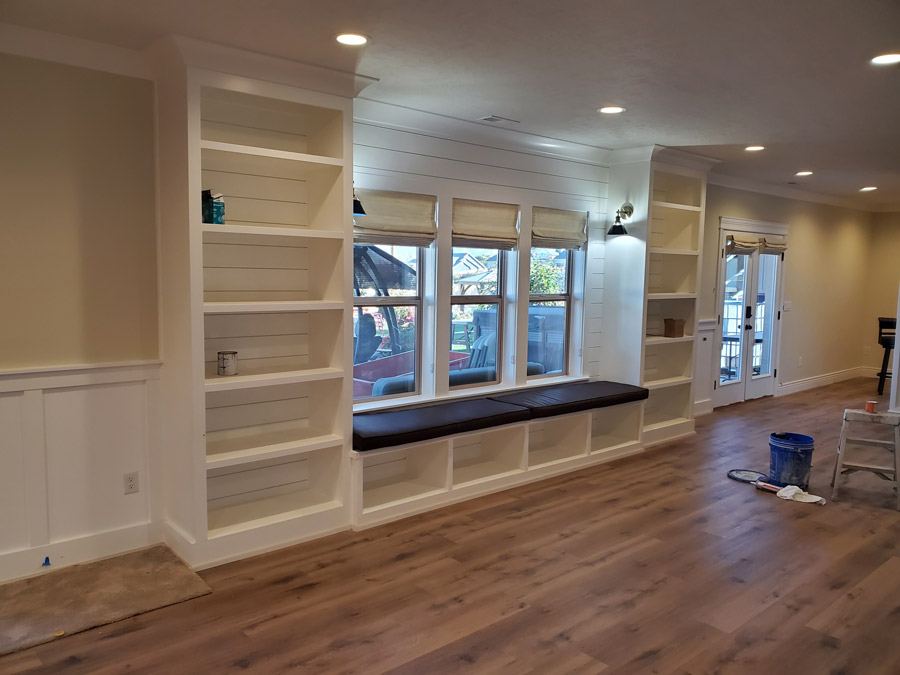
Laminate flooring isn't the cheap, creaky stuff it used to be. Modern laminate now comes in waterproof and water-resistant options built specifically for basements. With realistic wood textures, easy click-lock installation, and budget-friendly pricing, it's still one of the best ways to get a high-end look for less.
| Feature | Details |
|---|---|
| Average Cost | $1.50–$4 per sq. ft. (plus underlayment) |
| Pros | Affordable, DIY-friendly, scratch-resistant, and available in highly realistic finishes. |
| Cons | Not fully waterproof unless labeled as “waterproof laminate”; may swell if exposed to standing water. |
| Best For | Basement living rooms, offices, and rec areas with moderate humidity. |
- Average Cost: $1.50–$4 per sq. ft.
- Pros: Affordable, realistic look, and easy to install.
- Cons: Needs moisture protection; avoid standing water.
Pro Tip: Always install a vapor barrier underlayment and leave small expansion gaps around walls to accommodate humidity changes.
8. Polished Concrete
If your basement already has a solid concrete slab, consider turning it into the finished floor itself. Polished concrete gives you a sleek, industrial look that's low-maintenance, durable, and easy on the budget. It works well for homeowners who like a minimalist, modern vibe, or who just want something easy to clean and hard to wear out.
| Feature | Details |
|---|---|
| Average Cost | $2–$6 per sq. ft. (depending on finish level and sealant) |
| Pros | Cost-effective, waterproof, long-lasting, easy to clean, and ideal for modern or industrial spaces. |
| Cons | Hard surface, can feel cold, and lacks cushioning for children or elderly users. |
| Best For | Workshops, home gyms, or minimalist entertainment spaces. |
- Average Cost: $2–$6 per sq. ft.
- Pros: Waterproof, low maintenance, sleek finish.
- Cons: Cold and hard underfoot.
Pro Tip: Add area rugs for warmth and comfort, or install radiant heat mats beneath the surface for a cozy, modern upgrade.
Thinking about a basement finishing project of your own?
Get a Free Estimate9. Cork Flooring
Cork flooring brings a warm, eco-friendly feel to any basement. It's naturally antimicrobial and insulating, so it helps regulate both temperature and sound while staying soft and comfortable underfoot. The textured grain adds some organic character too, a nice alternative to traditional hardwood in a finished basement.
| Feature | Details |
|---|---|
| Average Cost | $3–$8 per sq. ft. (depending on thickness and finish) |
| Pros | Warm, cushioned surface, naturally mold- and mildew-resistant, sustainable material, and excellent insulation. |
| Cons | Sensitive to water and sunlight; requires periodic sealing to maintain moisture protection. |
| Best For | Finished family rooms or home offices in low-humidity basements. |
- Average Cost: $3–$8 per sq. ft.
- Pros: Warm, eco-friendly, antimicrobial, and great sound absorption.
- Cons: Not ideal for areas with standing water or direct sunlight.
Pro Tip: Seal cork floors every few years and use mats near entryways to prevent water damage and wear.
10. Hybrid Flooring Systems
When moisture is your basement's biggest challenge, hybrid flooring systems are worth a serious look. These raised subfloor products, like DriCore or ThermalDry, lift your finish floor above the concrete slab to create an insulating air gap that keeps dampness from creeping through. Pair one with vinyl, laminate, or engineered wood for a dry, warm, finished look.
| Feature | Details |
|---|---|
| Average Cost | $4–$10 per sq. ft. (installed, including top layer) |
| Pros | Prevents moisture transfer, adds warmth, supports various flooring types, and helps regulate basement humidity. |
| Cons | Slightly raises floor height, may require trim or door adjustments. |
| Best For | Basements with chronic moisture or homes in high-humidity climates. |
- Average Cost: $4–$10 per sq. ft. (installed)
- Pros: Moisture barrier, added insulation, and customizable top layers.
- Cons: Slight floor height increase, may affect thresholds or trim.
Pro Tip: Combine a raised subfloor system with vinyl plank or waterproof laminate for the best mix of style, comfort, and moisture protection, especially in basements with past dampness issues.
Basement Flooring Comparison Table
| Material | Waterproof | Comfort | Average Cost (per sq. ft.) | Best For |
|---|---|---|---|---|
| Luxury Vinyl Plank | Yes | High | $2.5–$5 | All-purpose, high-traffic areas |
| Engineered Hardwood | Partial | Medium | $4–$10 | Luxury basements |
| Tile | Yes | Low | $3–$8 | Walk-outs, bathrooms |
| Carpet Tiles | Resistant | High | $1.5–$3 | Playrooms, family areas |
| Epoxy | Yes | Low | $3–$7 | Gyms, entertainment zones |
| Rubber | Yes | High | $2–$6 | Gyms, kids’ play spaces |
| Laminate | Partial | Medium | $1.5–$4 | Budget remodels |
| Polished Concrete | Yes | Low | $2–$6 | Modern minimalist designs |
| Cork | Resistant | High | $3–$8 | Eco-friendly remodels |
| Hybrid System | Yes | High | $4–$10 | Moisture-prone basements |
Thinking about a basement finishing project of your own?
Get a Free EstimateDesign Tips for Choosing the Right Basement Floor
- Match use to material: Gym? Go rubber. Theater? Carpet tiles. Lounge? LVP or engineered wood.
- Prioritize waterproofing: Even “dry” basements can surprise you.
- Use warm tones: Counteracts concrete’s natural coolness.
- Layer area rugs: Adds warmth and visual depth.
- Install subfloor insulation: Reduces chill and boosts comfort.
Basement Flooring Installation Costs
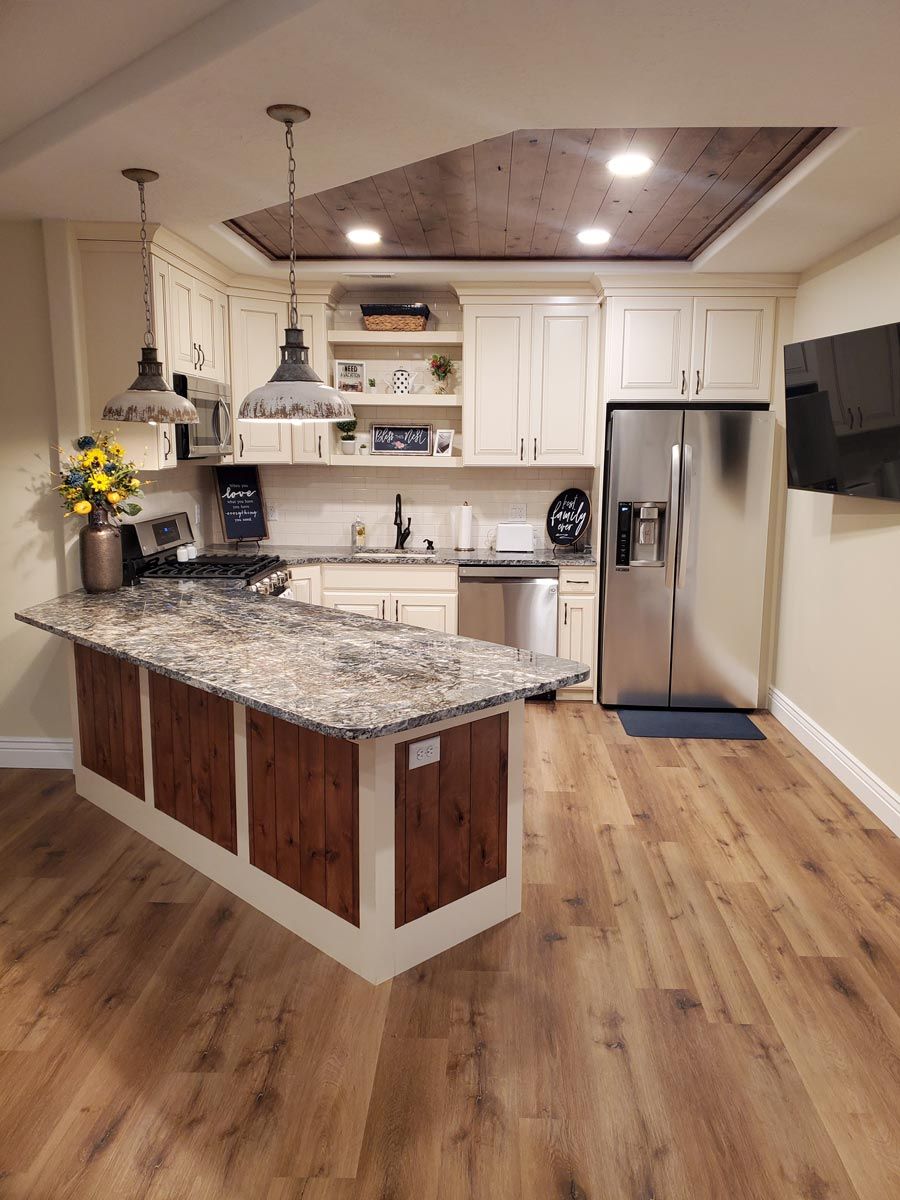
Most homeowners spend between $2,000 and $8,000 on basement flooring installations, depending on material, size, and prep work (like leveling or moisture barriers).
Final Thoughts
Your basement deserves more than just “whatever’s cheapest.” The right flooring transforms it from a cold, forgotten space into a polished extension of your home, functional, beautiful, and built to last.
Pro Worx Construction specializes in basement remodeling across Utah, offering expert flooring installation and full design-build services. Whether you want cozy comfort or sleek modern style, we’ll help you choose and install the perfect floor.
Because the right floor doesn’t just finish your basement, it defines it.
Thinking about a basement finishing project of your own?
Get a Free EstimateFrequently Asked Questions
What is the best flooring for basements?
Luxury vinyl plank, tile, and rubber flooring are top choices for waterproofing, comfort, and durability.
Can you put hardwood in a basement?
Solid hardwood isn’t recommended, but engineered hardwood works well with proper moisture protection.
How do I keep basement floors warm?
Use insulated subfloors, area rugs, or radiant heat under tile or vinyl plank.
Is vinyl flooring good for basements?
Yes, vinyl plank is fully waterproof, affordable, and ideal for below-grade spaces.
What’s the cheapest way to finish a basement floor?
Painted or sealed concrete is budget-friendly, though less comfortable than other options.
Ready to Start Your Basement Finishing Project?
Get a free consultation and estimate from Utah's trusted home renovation experts.

Bryant Bitner
Founder & Lead Project Manager, Pro-Worx Construction
Bryant leads Pro-Worx Construction and has helped hundreds of Utah families plan and build renovations they actually use, from basement finishes to full home remodels. He focuses on honest scoping, code compliance, and clear numbers from the first conversation.