In This Article
If you’re finishing a basement in Utah in 2026, HVAC zoning isn’t optional anymore, it’s strategic.
Utah basements run colder in winter, cooler in summer, and often feel disconnected from the main-level airflow. When homeowners move forward with a basement remodel, one of the most common upgrades discussed is HVAC zoning.
So how much does basement HVAC zoning cost in Utah in 2026, and is it worth it?
In most Utah County, Salt Lake County, and Davis County homes, adding a dedicated HVAC zone to a basement costs between $3,500 and $9,000+ depending on ductwork complexity, system capacity, electrical upgrades, and whether your current furnace can support expansion.
We see the strongest demand for basement HVAC zoning in fast-growing communities like Lehi, Draper, Herriman, Riverton, and Sandy, where newer homes often include unfinished lower levels that were framed for future expansion but not fully optimized for airflow.
The real question isn’t just cost. It’s comfort, efficiency, and long-term resale positioning.
What Is Basement HVAC Zoning?
HVAC zoning allows different areas of your home to be controlled independently. Instead of one thermostat controlling the entire house, multiple zones regulate airflow and temperature separately.
For a finished basement, that typically means installing:
- Motorized dampers inside ductwork
- A separate thermostat for the basement
- A zoning control board
- Additional return air adjustments
- System balancing and airflow calibration
Without zoning, basement air is often an afterthought, leading to hot upstairs rooms and cold lower levels, or vice versa.
In Utah’s climate swings, freezing winters and dry, high-elevation summers, zoning creates stability and energy control.
Basement HVAC Zoning Cost in Utah (2026)
| HVAC Zoning Type | Estimated Cost (2026) | Best For |
|---|---|---|
| Basic Damper Add-On | $3,500–$5,000 | Smaller basements with existing duct access |
| Full Basement Zone Addition | $5,000–$8,000 | Mid-size remodels with bathroom additions |
| System Upgrade + Zoning | $8,000–$12,000+ | Older systems needing capacity expansion |
If your basement remodel includes a bathroom, home office, gym, or theater, zoning becomes more important due to moisture control, airflow consistency, and occupancy patterns.
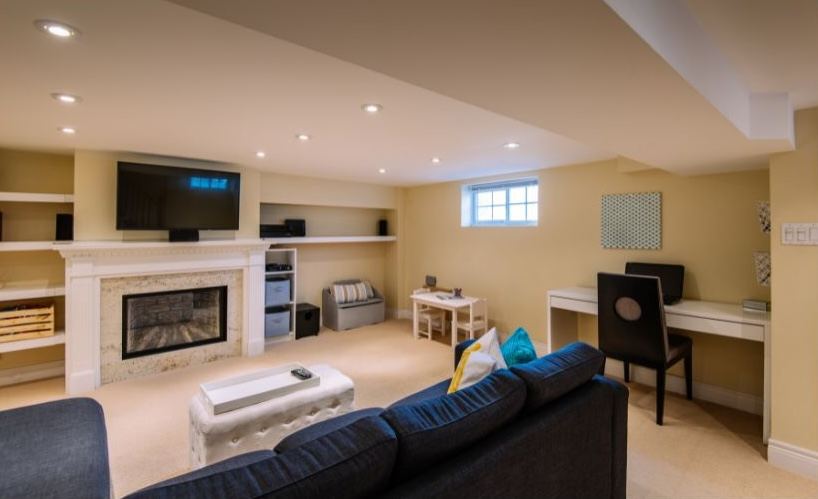
Older Utah homes (especially pre-2005 builds) may require furnace upgrades if the system wasn't sized for future expansion.
HVAC Zoning vs. Mini-Split Systems for Utah Basements
Utah homeowners finishing basements in 2026 typically compare two options: expanding their existing HVAC system with zoning, or installing a ductless mini-split system. Both can solve basement temperature imbalance, but they function very differently.
| Feature | HVAC Zoning | Mini-Split System |
|---|---|---|
| Cost (Utah 2026) | $3,500–$9,000+ | $3,000–$6,000 per unit |
| Uses Existing Ductwork | Yes | No (ductless) |
| Independent Temperature Control | Yes (separate thermostat) | Yes (remote/app control) |
| Best For | Whole-basement integration with main system | Retrofits or limited duct access |
| Aesthetic Impact | Hidden in ducts | Wall-mounted unit visible |
| Energy Efficiency | High (when system properly sized) | Very High (inverter-driven) |
| Resale Appeal | Strong, feels integrated | Good, but seen as add-on |
In most Utah basement remodels, zoning is preferred when the existing furnace has capacity and duct access is available. Mini-splits are more common in older homes where duct expansion would be invasive or cost-prohibitive.
When Mini-Splits Make More Sense
- Your furnace is undersized and replacing it would add $6,000–$12,000+ to the project.
- Duct access is limited due to low ceiling height or finished upper levels.
- You’re converting the basement to a rental or Airbnb and want completely independent climate control.
- You want maximum efficiency for selective use (gym, theater, office used part-time).
- You prefer targeted comfort control without affecting the rest of the home.
Mini-splits are especially popular in older Utah homes built before future basement expansion was planned. In retrofit situations, they can reduce invasive ductwork modifications.
Utah Energy Rebates & Efficiency Incentives (2026)
In 2026, many Utah homeowners may qualify for energy-efficiency incentives when upgrading HVAC systems, particularly for high-efficiency furnaces, heat pumps, and inverter-driven mini-split systems.
Utility providers and federal energy programs occasionally offer rebates that can offset $500–$2,000+ depending on equipment type and SEER/HSPF ratings. Always confirm eligibility before installation.
Thinking about a basement finishing project of your own?
Get a Free EstimateWhat Impacts HVAC Zoning Cost?
- Furnace capacity: If undersized, replacement may be required.
- Duct layout: Open joist access is easier than finished ceilings.
- Return air design: Proper balancing prevents pressure issues.
- Ceiling height: Low clearance complicates duct routing.
- Electrical upgrades: Smart thermostats and zone boards may need panel adjustments.
- Permit requirements: Mechanical permits may be required depending on scope.
In Lehi and Herriman, many homes built between 2005–2018 were pre-plumbed and partially ducted for future basements, making zoning additions more straightforward. In Draper, Sandy, and Riverton, older builds may require more mechanical adjustments depending on original furnace sizing.
When combined with a full basement remodel timeline, HVAC zoning is typically most cost-effective when installed during framing, not after drywall.
Is Basement HVAC Zoning Worth It in Utah?
In most Utah remodels, yes.
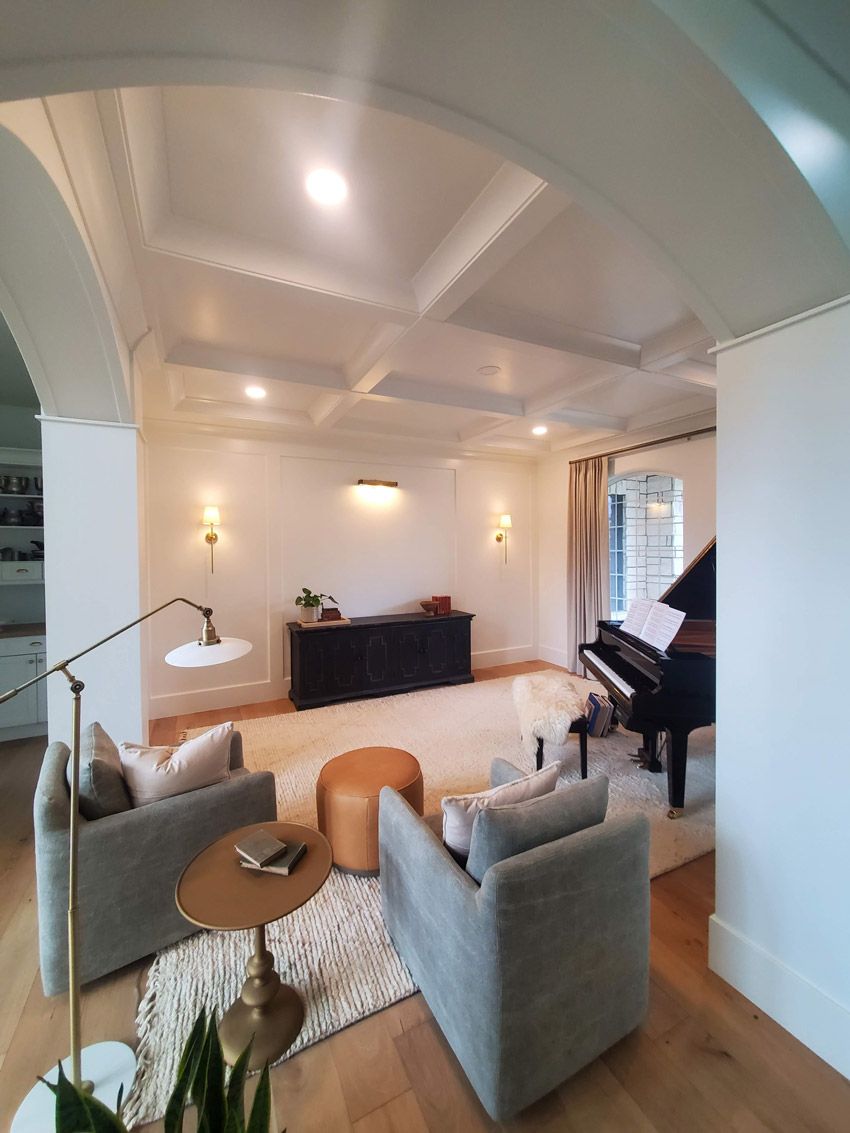
In cities like Draper and Sandy where resale values are higher, buyers expect finished basements to perform like main living space. In Lehi and Herriman, where families prioritize functional square footage, comfort consistency across floors becomes even more important.
- Improves comfort year-round
- Reduces energy waste
- Prevents temperature conflicts between floors
- Strengthens resale appeal
- Supports rental or Airbnb conversion flexibility
Buyers increasingly expect finished basements to function like main-level living space. Uneven temperatures reduce perceived quality during showings.
How to Decide: Zoning or Mini-Split?
Use this simplified guide to determine which system fits your Utah basement remodel:
- If your furnace has capacity and duct access is easy → HVAC zoning is typically the most seamless option.
- If your furnace is older or undersized → Consider system upgrade + zoning OR mini-split installation.
- If this basement will be rented separately → Mini-split may provide cleaner tenant control.
- If resale integration matters most → Zoning generally feels more “built-in” to buyers.
- If you want the lowest installation disruption → Mini-split may reduce structural modifications.
Thinking about a basement finishing project of your own?
Get a Free EstimateBasement HVAC Zoning FAQs (Utah 2026)
Can I add HVAC zoning without replacing my furnace?
Often yes, if your current furnace has adequate capacity. A load calculation determines whether expansion is possible without strain.
Does zoning reduce energy bills?
It can. By only heating or cooling occupied zones, energy use becomes more targeted and efficient.
Is HVAC zoning required to finish a basement in Utah?
Not legally required in most cases, but often strongly recommended to maintain airflow balance and comfort.
Can I use mini-splits instead?
Yes. Ductless mini-splits are an alternative, typically costing $3,000–$6,000 per unit. They are common in retrofit situations.
Will HVAC zoning increase resale value?
Indirectly, through improved comfort, energy efficiency, and buyer perception. It’s rarely a standalone ROI upgrade but strengthens overall basement functionality.
Planning a Basement Remodel in Utah?
We help Utah homeowners design comfortable, energy-efficient basements, including proper HVAC zoning integration from day one.
Whether you’re finishing a basement in Lehi, upgrading HVAC in Draper, or remodeling in Herriman, Riverton, or Sandy, proper zoning planning early in the project prevents costly airflow corrections later.
Ready to Start Your Basement Finishing Project?
Get a free consultation and estimate from Utah's trusted home renovation experts.

Bryant Bitner
Founder & Lead Project Manager, Pro-Worx Construction
Bryant leads Pro-Worx Construction and has helped hundreds of Utah families plan and build renovations they actually use, from basement finishes to full home remodels. He focuses on honest scoping, code compliance, and clear numbers from the first conversation.