In This Article
- 01Why the Basement Is Perfect for a Yoga or Meditation Studio
- 02The Light-Filled Sanctuary
- 03The Nature-Infused Retreat
- 04The Minimalist Mat Space
- 05The Soundproof Sanctuary
- 06The Spa-Like Zen Zone
- 07The Mindfulness Nook
- 08The Dual-Purpose Wellness Space
- 09The Heated Floor Haven
- 10The Mood-Enhancing Ceiling
- 11The Personalized Zen Den
- 12Basement Yoga Studio Remodel Cost Breakdown
- 13Remodeling Tips Before You Start
- 14Find Your Calm. Right at Home
- 15Frequently Asked Questions
Basements aren’t just for storage anymore, more and more of them are becoming personal sanctuaries. Picture walking downstairs after a long day into a space with soft lighting, a calming scent, and nothing competing for your attention. Whether you’re into yoga, meditation, or just need a quiet place to decompress, a basement relaxation or yoga studio can bring a little more balance into your routine. Below are 10 ideas to help you design your own Zen Den, a tranquil retreat built for mindfulness, stretching, or just catching your breath.
Why the Basement Is Perfect for a Yoga or Meditation Studio
A basement’s naturally cool, quiet environment makes it a great fit for relaxation spaces. With the right finishes, soundproofing, and lighting, you can turn it into a calming, spa-like escape without ever leaving the house.
| Advantage | Benefit |
|---|---|
| Privacy | Separated from main living areas, perfect for peaceful sessions. |
| Sound Control | Basements naturally buffer outside noise. |
| Temperature Stability | Cool in summer, cozy in winter, great for year-round yoga. |
| Custom Lighting Options | Control ambience with dimmers, sconces, and candles. |
1. The Light-Filled Sanctuary
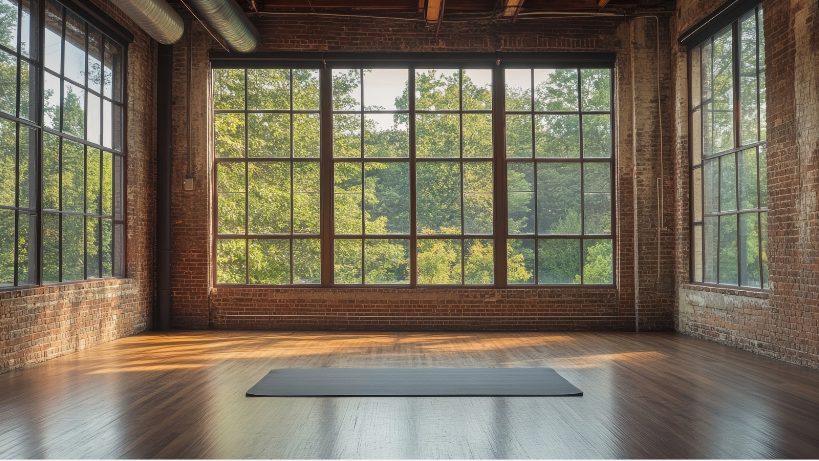
Lighting defines the entire mood of a yoga or meditation space. Harsh overhead lights can instantly break focus, while soft, layered illumination encourages peace, grounding, and presence. The goal is to replicate the calming glow of sunrise or sunset, light that supports mindfulness, not distracts from it.
- Install dimmable wall sconces: Adjust brightness to match your energy level, from energizing morning flows to slow evening stretches.
- Add LED strip lighting: Hide them behind trim, shelves, or under benches for a soft, halo-like glow that outlines the room.
- Use candles or salt lamps: Introduce organic warmth and subtle flicker for a grounding, human touch.
- Warm light temperature: Stay within the 2700K–3000K range for cozy, amber tones that relax the eyes.
- Layered sources: Combine ambient, accent, and task lighting to create depth and versatility.
| Feature | Benefit |
|---|---|
| Dimmable Wall Sconces | Give total control over mood and light intensity, perfect for different yoga styles. |
| LED Strip Lighting | Creates soft, indirect glow that reduces shadows and enhances tranquility. |
| Candles or Salt Lamps | Add warmth, negative ions, and a natural ambiance that feels organic and calming. |
| Warm Light Spectrum | Mimics natural light transitions and promotes relaxation and circadian balance. |
| Layered Lighting Design | Ensures visual balance and flexibility, bright enough for setup, dim enough for meditation. |
Pro Tip: If possible, add egress windows or light wells for natural light, exposure to daylight boosts serotonin and connects your Zen Den with the outside world.
2. The Nature-Infused Retreat
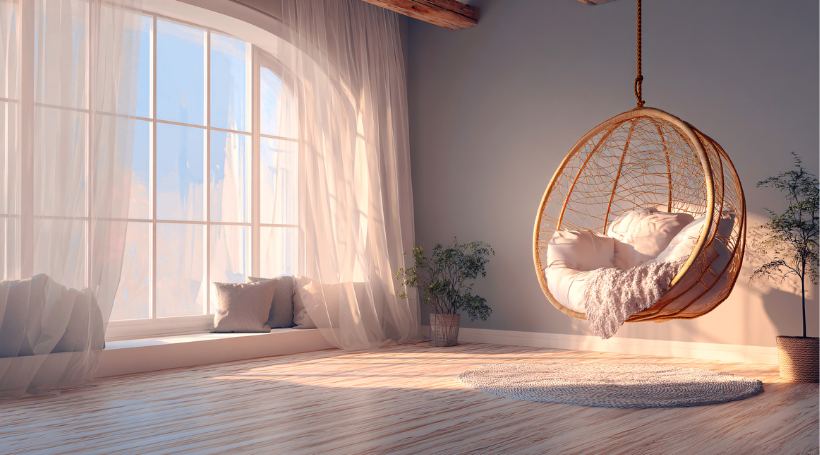
Nature has a grounding effect that instantly calms the nervous system. Bringing those organic elements indoors turns your basement yoga studio into a serene, restorative retreat. The key is to use natural materials, earthy colors, and living accents that promote balance and a deep sense of connection to the earth.
- Include plants like snake plants or ferns: These hardy, low-light plants clean the air and add vibrancy to your space.
- Use bamboo or rattan accents: Add texture and warmth to contrast hard walls or floors.
- Choose a muted palette: Earthy neutrals like sage, sand, and warm white evoke calm and simplicity.
- Natural textures: Introduce woodgrain mats, linen drapes, or jute rugs for organic balance.
- Water element: A small tabletop fountain can add movement and soft ambient sound.
| Feature | Benefit |
|---|---|
| Indoor Plants | Purify the air, add life, and reduce stress naturally. |
| Bamboo or Rattan Details | Soften the aesthetic while staying eco-friendly and timeless. |
| Muted Color Palette | Creates visual harmony that supports relaxation and mindfulness. |
| Natural Textures | Bring tactile grounding and contrast to smooth modern finishes. |
| Water Element | Enhances sensory calm and helps mask background noise. |
Pro Tip: Use a diffuser with essential oils like eucalyptus or lavender to complete the sensory experience, scent anchors the mind and helps you stay present.
Thinking about a home gym project of your own?
Get a Free Estimate3. The Minimalist Mat Space
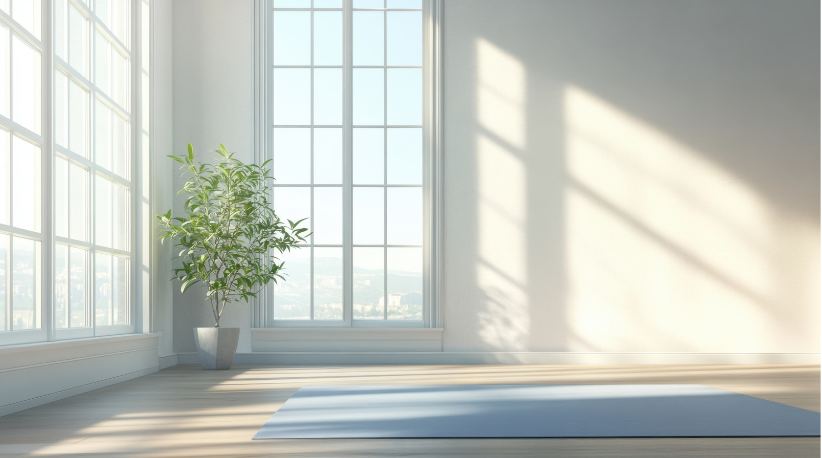
Clutter is the enemy of focus. A minimalist yoga studio clears both your physical environment and mental space, allowing movement, breath, and intention to take center stage. Simplicity in design helps you feel grounded and in control, every item has a purpose, and nothing distracts from your flow.
- Keep decor simple: A single art piece or altar adds meaning without overwhelming the room.
- Use wall hooks or cubbies: Store mats, blocks, and bolsters neatly out of sight.
- Open floor plan: Prioritize clean, open floor space for movement and group sessions.
- Neutral tones: Use whites, beiges, or pale grays to enhance visual calm.
- Minimal furnishings: Choose low-profile benches or built-ins to keep flow unobstructed.
| Feature | Benefit |
|---|---|
| Simple Decor | Minimizes distractions and strengthens focus during meditation or practice. |
| Wall Hooks or Cubbies | Keeps equipment organized and preserves clean visual lines. |
| Open Floor Layout | Allows unrestricted movement and easy group sessions. |
| Neutral Color Scheme | Creates a tranquil and cohesive look that feels spacious and calm. |
| Minimal Furniture | Maximizes usable floor space and maintains an airy flow. |
Pro Tip: Smooth, moisture-resistant flooring like luxury vinyl planks or cork balances comfort with durability, ideal for yoga, meditation, or Pilates.
4. The Soundproof Sanctuary
A true Zen space starts with silence. Basements can pick up household noise from plumbing, HVAC systems, or footsteps above, all of which break concentration. Soundproofing your yoga studio transforms it into a true refuge where you can drop into meditation without interruption.
- Add acoustic insulation: Use Rockwool or sound-dampening foam in walls and ceilings to absorb vibration.
- Install solid-core doors: Heavier doors block sound transmission between floors.
- Use soft furnishings: Rugs, curtains, and cushions absorb echoes and reduce harsh acoustics.
- Seal gaps: Apply door sweeps and acoustic caulking to eliminate noise leaks.
- Sound masking: Add subtle background audio for consistency.
| Feature | Benefit |
|---|---|
| Acoustic Insulation | Blocks outside noise for a peaceful, uninterrupted session. |
| Solid-Core Doors | Prevents sound transfer from upper levels or adjacent rooms. |
| Soft Furnishings | Absorb echoes and add warmth to the environment. |
| Gap Sealing | Stops small but noticeable sound leaks around doors and vents. |
| Sound Masking or Ambient Audio | Maintains focus and consistency even if minor sounds occur. |
Pro Tip: A white-noise machine or subtle ambient playlist masks minor sounds beautifully and helps create meditative consistency.
5. The Spa-Like Zen Zone
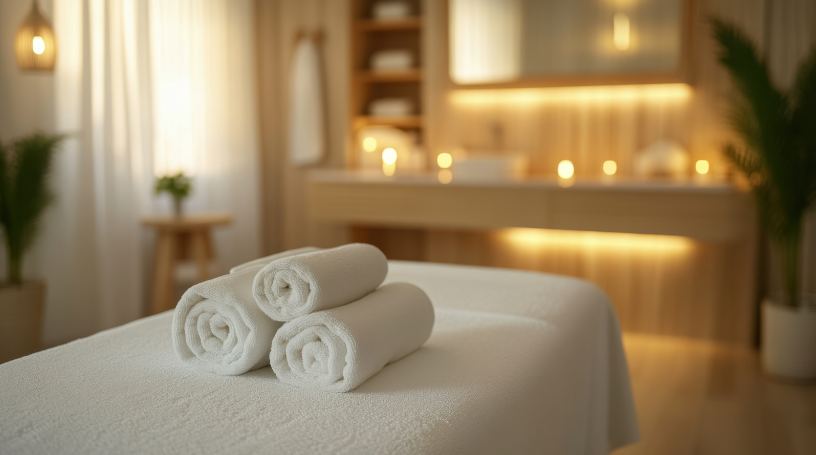
Turn your yoga space into a full-body sanctuary by layering in spa-inspired comforts. The goal is to transition effortlessly from movement to restoration, think warm lighting, soothing scents, and textures that invite deep exhale. Whether it’s a steam shower, compact sauna, or just a massage chair, this zone brings the luxury of a day spa right into your basement.
- Integrate soft LED lighting: Warm, dimmable lights set the tone for relaxation.
- Include a small sink or wet bar: Ideal for preparing tea, mixing essential oils, or washing up post-practice.
- Waterproof flooring: Luxury vinyl or porcelain tile stands up to humidity while maintaining a sleek, polished look.
- Plush textiles: Add cozy throws or cushioned mats for spa-level comfort.
- Warm color tones: Use golds, beiges, and amber hues for a comforting atmosphere.
| Feature | Benefit |
|---|---|
| Soft LED Lighting | Promotes relaxation and mirrors the ambiance of high-end spas. |
| Sink or Wet Bar | Adds functionality for tea rituals or aromatherapy preparation. |
| Waterproof Flooring | Protects against moisture and makes cleaning easy without sacrificing style. |
| Plush Textiles | Enhances comfort and warmth, encouraging relaxation post-practice. |
| Warm Color Palette | Creates a grounding, inviting energy ideal for slow-paced unwinding. |
Pro Tip: Add a subtle scent diffuser or a small indoor fountain to engage all senses, sound and scent complete the calm.
Thinking about a home gym project of your own?
Get a Free Estimate6. The Mindfulness Nook
Even the smallest corner can become a sanctuary for stillness. A mindfulness nook is proof that you don’t need a full studio to create peace, just intention, softness, and a few comforting details. It’s perfect for daily meditation, breathwork, or quick mental resets in between work sessions.
- Add a cushion or bean chair: Provides comfort and encourages better posture during meditation.
- Install floating shelves: Display candles, books, or a small plant for inspiration.
- Soft curtains or screens: Define the area gently without closing it off completely.
- Floor lamp or string lights: Adds a warm, inviting glow without overpowering brightness.
- Personal touches: Include a journal, incense tray, or affirmation cards to make the space yours.
| Feature | Benefit |
|---|---|
| Floor Cushion or Chair | Supports comfort and posture during long mindfulness sessions. |
| Floating Shelves | Keep décor minimal and purposeful without cluttering the space. |
| Soft Curtains or Screens | Creates privacy while maintaining openness and airflow. |
| Ambient Lighting | Softens the environment and signals the brain to slow down. |
| Personalized Elements | Makes the nook emotionally grounding and unique to you. |
Pro Tip: Paint the walls a soft neutral like “warm sand”, a color linked to calm, balance, and emotional grounding.
7. The Dual-Purpose Wellness Space
For many homeowners, versatility is key. A dual-purpose wellness room combines yoga, meditation, and fitness, or even doubles as a quiet home office. The right design choices make it easy to switch between productivity and peace, getting the most out of both function and serenity in your basement.
- Use partition screens or curtains: Divide spaces for different activities without adding permanent walls.
- Layer lighting: Use bright, task-oriented lighting for workouts or work hours and soft ambient lighting for yoga or meditation.
- Choose neutral flooring: Smooth surfaces like vinyl or laminate adapt well to both high-intensity movement and mindfulness sessions.
- Hidden storage: Conceal weights, props, and office supplies for a clean transition between uses.
- Tech integration: Add Bluetooth speakers or smart controls to switch easily between “work mode” and “wellness mode.”
| Feature | Benefit |
|---|---|
| Partition Screens or Curtains | Visually separates zones and maintains flexibility for multiple uses. |
| Layered Lighting | Adapts the atmosphere for either focus or relaxation. |
| Neutral Flooring | Supports varied activities and ties the space together aesthetically. |
| Hidden Storage Solutions | Keeps clutter out of sight and promotes a calm mindset. |
| Smart Tech Integration | Streamlines transitions and enhances functionality across different activities. |
Pro Tip: Add hidden storage so gear disappears when it’s time to unwind, visual clarity fuels mental clarity.
8. The Heated Floor Haven
Few luxuries compare to stepping onto a gently warmed floor before or after a yoga session. Radiant floor heating transforms your basement from chilly to cozy and promotes deeper relaxation during savasana. It’s energy-efficient, easy to install under most flooring types, and brings true spa-level comfort to your wellness space.
- Install under vinyl or tile flooring: Safe, efficient, and ideal for basements with moisture concerns.
- Set on a timer: Automatically preheats before sessions so the room feels warm and inviting on arrival.
- Combine with rugs or mats: Adds layers of softness and visual warmth without blocking the radiant heat.
- Thermostat control: Lets you fine-tune temperature for comfort and energy efficiency.
- Energy savings: Radiant heat distributes evenly, reducing reliance on forced air systems.
| Feature | Benefit |
|---|---|
| Underfloor Heating System | Provides even warmth from the ground up, perfect for yoga and meditation comfort. |
| Programmable Timer | Preheats the room automatically, saving time and energy. |
| Compatible Flooring Options | Works seamlessly under vinyl, tile, or engineered wood for versatile design. |
| Thermostat Controls | Allows precise temperature customization for every session. |
| Energy Efficiency | Maintains warmth using less power than traditional heating systems. |
Pro Tip: Heated floors pair beautifully with natural textures, wood-look vinyl, woven rugs, and linen mats amplify that cozy, grounded feel.
Thinking about a home gym project of your own?
Get a Free Estimate9. The Mood-Enhancing Ceiling
When designing your Zen Den, don’t forget to look up, the ceiling can completely transform the atmosphere of your space. In basements, where ceilings tend to be lower, color, lighting, and texture play crucial roles in creating visual depth and serenity.
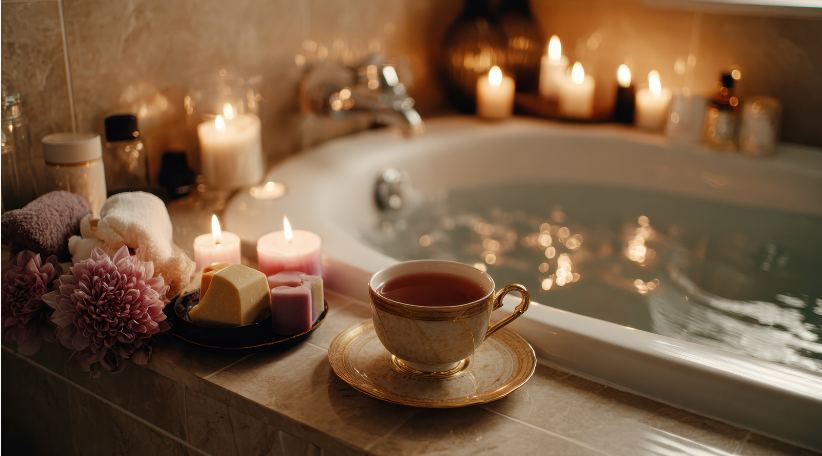
- Paint it a light, matte color: Off-whites, creams, or pale grays visually expand the room and soften harsh shadows.
- Use cove or recessed lighting: Creates a gentle perimeter glow that enhances the sense of calm.
- Add sound panels or wood slats: Improve acoustics while adding natural warmth and texture overhead.
- Exposed beam detailing: Adds architectural character without making the room feel heavy.
- Integrated ventilation: Keeps the air fresh without bulky vents breaking the design flow.
| Feature | Benefit |
|---|---|
| Light Matte Paint | Reflects soft light evenly and visually raises the ceiling height. |
| Cove or Recessed Lighting | Adds soothing indirect light that enhances relaxation and design sophistication. |
| Sound Panels or Wood Slats | Improves acoustics, adds texture, and hides imperfections naturally. |
| Exposed Beam Design | Introduces depth and visual interest without lowering the perceived ceiling height. |
| Discreet Ventilation | Maintains comfort and air circulation while preserving clean ceiling lines. |
Pro Tip: Skip stark white, it feels sterile. Use warm off-whites or creams to achieve a grounded, peaceful glow overhead.
10. The Personalized Zen Den
Your yoga studio should reflect who you are, your rituals, your story, and the kind of calm that recharges you best. Personal touches make the space meaningful and help you connect more deeply to your practice. This is where functionality meets soul.
- Personal altar: Display candles, crystals, affirmations, or meaningful objects that inspire reflection.
- Wall art: Choose minimalist prints, nature imagery, or soft abstract pieces that evoke peace.
- Textiles: Layer soft rugs, flowing drapes, and cushions to heighten comfort and sensory warmth.
- Lighting cues: Use dimmable lamps to match your mood or session type.
- Signature scent: A consistent aroma ties your space emotionally to tranquility.
| Feature | Benefit |
|---|---|
| Personal Altar | Encourages reflection and gives spiritual or emotional grounding to your practice. |
| Calming Wall Art | Sets visual tone and enhances focus through minimalist or natural imagery. |
| Layered Textiles | Add comfort, sound absorption, and warmth to the space. |
| Adjustable Lighting | Lets you control the ambiance for meditation, stretching, or reading. |
| Signature Scent | Builds emotional continuity and deepens your relaxation response over time. |
Pro Tip: Keep everything intentional, every color, scent, and sound should evoke calm, joy, or purpose. Less is truly more when it comes to creating lasting peace.
Basement Yoga Studio Remodel Cost Breakdown
Building a home yoga or relaxation studio typically costs between $5,000 and $20,000, depending on finishes, lighting, and layout. Adding spa features or radiant floors can raise costs to $30,000+.
| Feature | Average Cost (USD) | Notes |
|---|---|---|
| Flooring (vinyl, cork, tile) | $1,000 – $3,500 | Moisture-resistant and easy to clean. |
| Lighting Installation | $800 – $2,500 | Dimmers, sconces, and ambient fixtures. |
| Soundproofing or Insulation | $1,000 – $4,000 | Essential for serenity and focus. |
| Radiant Heated Floors | $2,000 – $5,000 | Optional luxury for comfort and warmth. |
| Décor & Finishes | $1,000 – $4,000 | Plants, art, and accessories. |
| Total Estimated Range | $5,000 – $25,000+ | Varies by size, materials, and features. |
Thinking about a home gym project of your own?
Get a Free EstimateRemodeling Tips Before You Start
- Waterproof first: Always seal walls and floors before finishing.
- Prioritize ventilation: Airflow prevents humidity and musty odors.
- Plan your lighting zones: Layered light makes or breaks the mood.
- Use moisture-resistant materials: Essential in basements.
- Hire pros for electrical and HVAC: Ensures safe, code-compliant results.
Find Your Calm. Right at Home
Your dream yoga studio or relaxation space doesn’t need to be miles away, it’s right beneath your home. With thoughtful design, you can create a sanctuary that supports mental clarity, mindfulness, and self-care every day.
Pro Worx Construction specializes in basement finishing, home remodels, and custom wellness spaces tailored to your lifestyle. From insulation and flooring to lighting and acoustics, we build calm from the ground up.
Your peaceful escape is closer than you think, it’s waiting downstairs.
Frequently Asked Questions
How much does it cost to build a yoga studio in a basement?
Most basement yoga studios cost between $5,000 and $20,000 depending on size, finishes, and design complexity.
What flooring is best for a yoga or relaxation room?
Cork, vinyl, or engineered wood are ideal for comfort, warmth, and moisture resistance.
Do basements need special ventilation for yoga spaces?
Yes. Proper airflow prevents humidity and creates a fresh, comfortable atmosphere.
Can I combine my yoga room with a gym?
Absolutely. Use zoning and lighting to define workout and meditation areas separately.
Is a basement yoga studio a good investment?
Yes, it adds functional living space and promotes wellness, which appeals to modern homebuyers.
Additional Resources:
Ready to Start Your Home Gym Project?
Get a free consultation and estimate from Utah's trusted home renovation experts.

Bryant Bitner
Founder & Lead Project Manager, Pro-Worx Construction
Bryant leads Pro-Worx Construction and has helped hundreds of Utah families plan and build renovations they actually use, from basement finishes to full home remodels. He focuses on honest scoping, code compliance, and clear numbers from the first conversation.