In This Article
- 01How Refinancing Works in Utah (Why Permits Matter)
- 02What Appraisers Look For in a Utah Refinance
- 03Cash-Out vs Rate-and-Term Refinancing in Utah (Why Basements Matter More for Cash-Out)
- 04Utah Refinance Checklist: What to Review Before You Apply
- 05What to Do If Your Basement Was Finished Without Permits
- 06Can a Refinance Be Denied Because of an Unpermitted Basement?
- 07Frequently Asked Questions
Many Utah homeowners don’t think about permits until they refinance, and that’s often when problems surface.
A common question we hear is: “Can an unpermitted basement affect refinancing in Utah?”
The short answer is yes. An unpermitted basement can lower your appraised value, complicate loan approval, or hold up the refinance altogether.
How Refinancing Works in Utah (Why Permits Matter)
When you refinance a home in Utah, the lender’s decision is driven largely by the appraisal. The appraisal establishes how much the home is worth, how much equity exists, and whether the loan meets lending guidelines.
Appraisers aren’t just walking through and judging how a home looks or lives day to day. What they’re really after is what counts as legally recognized finished living space under local building and permit records, which is exactly where basement permits come into play.
If a basement was finished without permits, the appraiser may be unable to include that square footage in the valuation, even if the space appears well-built, modern, and fully usable. From a lending perspective, unpermitted space carries uncertainty and risk.
In Utah, appraisers often cross-check finished areas against permit history to confirm that bedrooms, bathrooms, electrical work, and structural changes were approved and inspected. When permits are missing, the safest option for the appraiser is to exclude the space.
That distinction can change your refinance outcome directly. If the basement isn’t counted, homeowners can end up with a lower appraised value, less cash-out available, or loan terms that don’t match what they expected, even though the family downstairs uses that space every day.
What Appraisers Look For in a Utah Refinance
During a refinance in Utah, appraisers are not just measuring square footage or judging finishes. Their role is to determine what portion of the home is legally recognized as finished living space and how much risk that space presents to the lender.
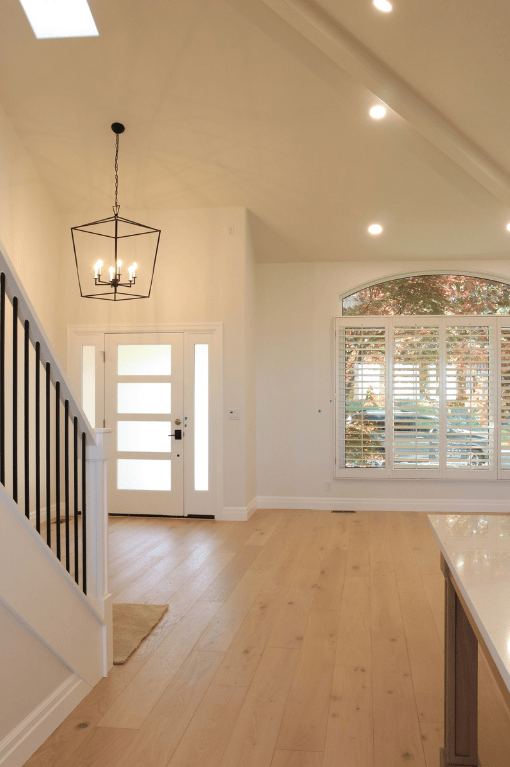
Because lenders rely on the appraisal to protect their investment, appraisers tend to be conservative. When basement work raises questions around permits or code compliance, the safest option is often to flag or exclude that space rather than assume it qualifies.
Unpermitted basement work in Utah is commonly identified in the following ways:
- Finished space not reflected in permit records: If the county or city records don’t show permits for basement finishing, appraisers may treat the space as unfinished.
- Bedrooms without compliant egress windows: Basement bedrooms without proper egress are a major red flag and often disqualify the room from being counted.
- Bathrooms or wet bars with no permit documentation: Plumbing additions are closely scrutinized, especially below grade.
- Electrical or HVAC work that appears non-standard: Exposed wiring, unusual venting, or DIY-looking work increases perceived risk.
When one or more of these issues appear, the appraiser may exclude part or all of the basement from the valuation. This directly affects how much equity the lender recognizes, even if the homeowner uses the basement daily.
| Basement Status | How Appraisers Treat It | Refinance Impact |
|---|---|---|
| Permitted & inspected | Recognized as legal living space | Full value and equity considered |
| Finished but unpermitted | Often excluded or discounted | Lower appraised value or reduced loan amount |
| Partially finished | Reviewed case-by-case | Unpredictable impact on refinance |
This is where decisions made years earlier, long before refinancing was even on the radar, tend to resurface. A basement that looks finished to you may not be treated as finished by an appraiser, and that gap can swing your refinance outcome more than you’d expect.
Cash-Out vs Rate-and-Term Refinancing in Utah (Why Basements Matter More for Cash-Out)
Not all refinances are evaluated the same way. In Utah, how much an unpermitted basement affects your refinance depends largely on whether you’re doing a rate-and-term refinance or a cash-out refinance.
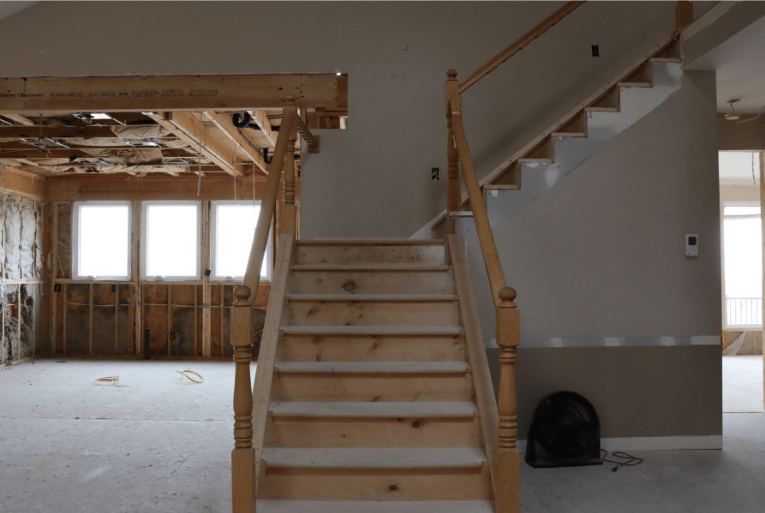
Understanding this difference helps explain why some homeowners refinance without issue, while others are blocked or surprised by lower-than-expected loan amounts.
| Refinance Type | What It’s Used For | Impact of an Unpermitted Basement |
|---|---|---|
| Rate-and-term refinance | Lowering interest rate or adjusting loan terms | May still proceed, but basement value may not be counted |
| Cash-out refinance | Accessing equity for renovations, debt, or investments | Higher risk, missing permits can significantly reduce or block cash-out |
With a rate-and-term refinance, the lender may be willing to move forward even if the basement isn’t fully counted, as long as the loan-to-value ratio still works.
Cash-out refinances are different. Because the homeowner is pulling equity out of the property, lenders rely heavily on the appraised value. If the basement contributes significantly to that value and isn’t legally recognized, the available cash-out amount can drop sharply.
In Utah, this is where unpermitted basements most often create refinancing problems, not because the space can’t be used, but because the lender can’t confidently lend against it.
Thinking about a basement finishing project of your own?
Get a Free EstimateUtah Refinance Checklist: What to Review Before You Apply
If you’re planning to refinance a Utah home with a finished basement, a little preparation can prevent appraisal surprises, delays, or reduced loan amounts. This checklist highlights the most common issues that surface during refinance reviews.
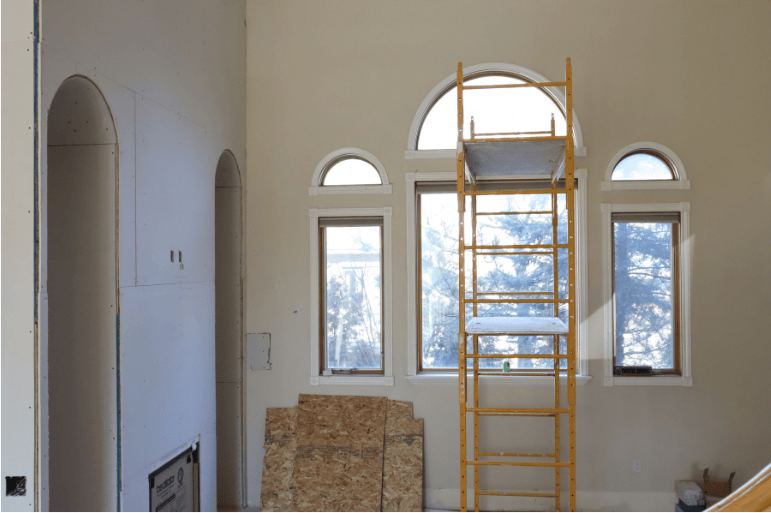
- Confirm permit history: Check city or county records to verify permits were pulled for basement finishing, bedrooms, bathrooms, electrical, plumbing, and HVAC work.
- Verify egress compliance: Ensure any basement bedroom has a properly sized and accessible egress window or door that meets Utah code.
- Review electrical and plumbing work: Look for signs of DIY or non-standard installations that may raise questions during appraisal.
- Match layout to permits: Make sure the current basement layout aligns with what was approved. Added walls, rooms, or fixtures without permits can trigger exclusions.
- Understand how the basement affects value: If a large portion of your equity depends on the basement, missing permits may significantly impact cash-out options.
- Address issues before appraisal: Resolving permit or code concerns early is often far easier than trying to fix them mid-refinance.
Homeowners often assume these checks are handled by the lender. In reality, appraisers report what they see, and unresolved basement issues can surface late in the process, when timelines and costs are harder to manage.
In Utah, taking time to review basement permits and code compliance before refinancing can protect both your loan options and your long-term home value.
What to Do If Your Basement Was Finished Without Permits
Finding out your basement was finished without permits can feel like a gut punch, especially mid-refinance. The good news is that this situation is more common than many Utah homeowners realize, and there’s usually a practical way to legalize the work rather than start over.
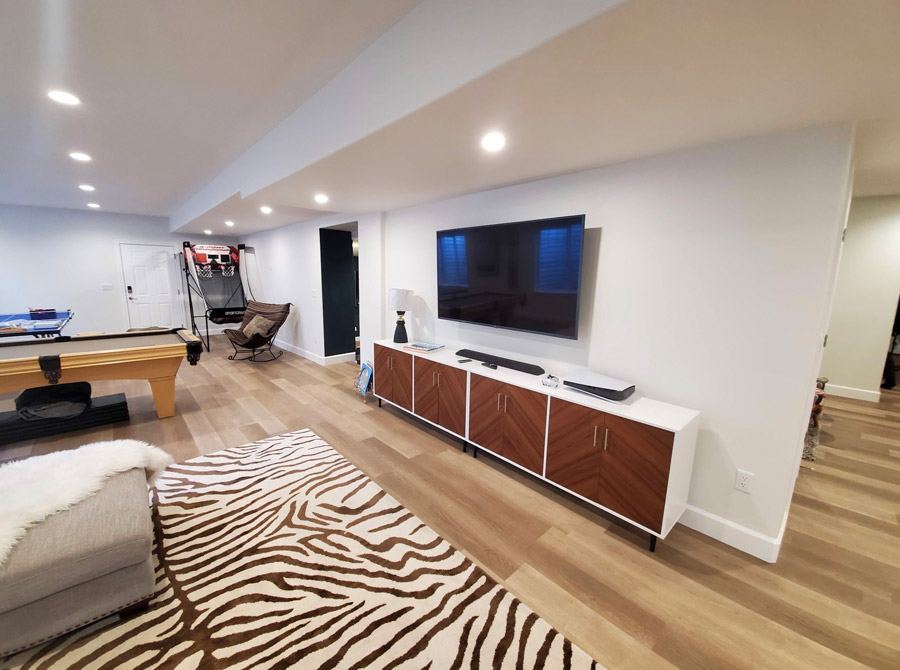
The key is understanding your options early, before the appraisal or lender review creates time pressure.
- Confirm the scope of unpermitted work: Not all basement elements carry the same risk. Cosmetic finishes may be less critical than bedrooms, bathrooms, or structural changes.
- Check for partial permits: Some homes have permits for electrical or framing but not final inspections. Filling gaps may be easier than starting from scratch.
- Explore retroactive permitting: Utah cities often allow homeowners to apply for permits after the fact, though inspections or corrections may be required.
- Assess what must be brought up to code: Egress, fire separation, electrical safety, and ventilation are common focus areas during retroactive reviews.
- Decide whether to fix now or adjust refinance expectations: In some cases, homeowners proceed with refinancing knowing the basement won’t be fully counted, while planning future corrections.
What usually causes the real headache is waiting until the appraisal flags the problem. By then your timeline is tight and your choices are narrow. Dealing with permit issues before that point gives you far more control over cost, scope, and scheduling.
For Utah homeowners considering refinancing, reviewing basement permit status early, even before contacting a lender, can prevent delays and help protect the value you expect to access.
Can a Refinance Be Denied Because of an Unpermitted Basement?
Unpermitted basement work won’t automatically kill a refinance in Utah, but it can create real roadblocks, especially when the basement carries a lot of the home’s value or equity. It’s worth knowing this same gap can also complicate your homeowners insurance if a claim ever comes up.
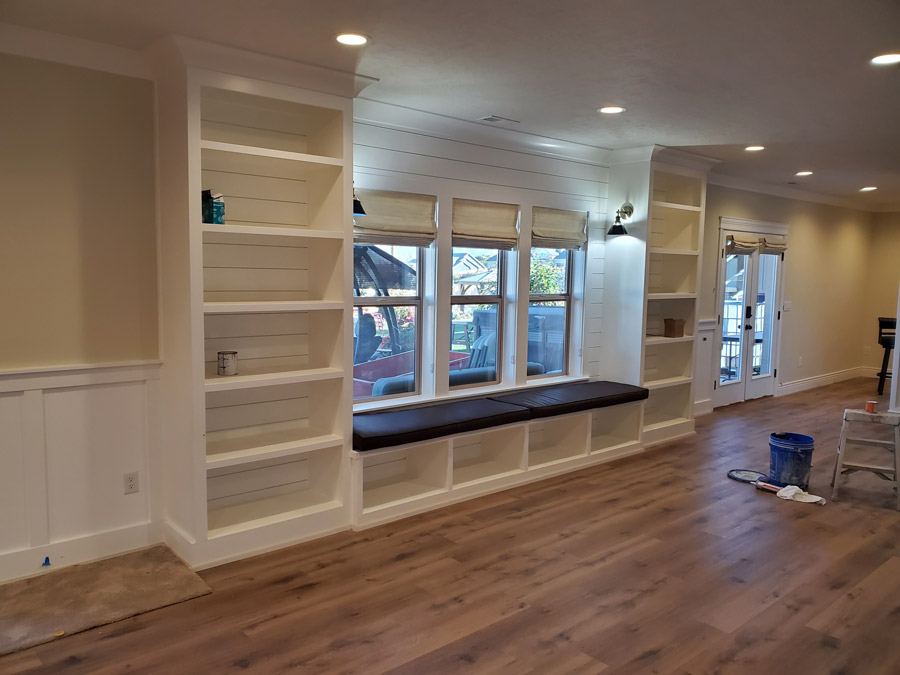
In most cases, the issue isn’t the basement itself, it’s how the appraiser is required to treat unverified living space. If the basement cannot be legally counted, the appraised value may come in lower than the homeowner or lender anticipated.
When that happens, refinancing outcomes can change quickly. A lower appraisal may reduce available cash-out funds, alter loan-to-value ratios, or push the borrower into less favorable loan terms.
In some situations, the refinance still proceeds, but not in the way the homeowner expected. In others, particularly cash-out refinances where equity is tight, the lender may pause or deny the loan until permit or code issues are resolved.
For Utah homeowners, this is where unpermitted basements really bite, not because refinancing becomes impossible, but because the numbers can shift hard once that basement square footage gets pulled out of the valuation.
Thinking about a basement finishing project of your own?
Get a Free EstimateFrequently Asked Questions
Does an unpermitted basement count toward equity in Utah?
Often no. Utah appraisers typically rely on permit records to determine what qualifies as legal living space. If permits are missing, the basement may be excluded from square footage and equity calculations during refinancing.
Can I refinance first and deal with basement permits later?
Sometimes, but it depends on the appraisal and loan type. If the refinance works without counting the basement, lenders may proceed. If the basement value is needed, permit issues often must be addressed first.
Is an unpermitted basement more of a problem for cash-out refinancing?
Yes. Cash-out refinances rely heavily on appraised value. If an unpermitted basement can’t be counted, available equity may drop significantly or block cash-out altogether.
Can a refinance be denied because of an unpermitted basement?
It can happen, especially when equity is tight or the lender requires the basement value to meet loan guidelines. More often, the loan terms change or the refinance is paused until issues are resolved.
Is retroactive permitting possible for basements in Utah?
Yes. Many Utah cities allow homeowners to apply for permits after the work is complete. This may involve inspections, corrections, or opening finished areas to verify code compliance.
Should I fix permit issues before applying to refinance?
In most cases, yes. Addressing permit or code concerns before appraisal gives homeowners more control over timelines, costs, and refinancing outcomes.
Planning a Basement Remodel or Refinance?
Permitted basement work protects your home’s value, not just today, but through refinancing, resale, and whatever comes next.
Ready to Start Your Basement Finishing Project?
Get a free consultation and estimate from Utah's trusted home renovation experts.

Bryant Bitner
Founder & Lead Project Manager, Pro-Worx Construction
Bryant leads Pro-Worx Construction and has helped hundreds of Utah families plan and build renovations they actually use, from basement finishes to full home remodels. He focuses on honest scoping, code compliance, and clear numbers from the first conversation.