In This Article
- 01Permit Fees & Local Code Upgrades
- 02Old Home Surprises (Plumbing, Wiring, & Asbestos)
- 03Water & Foundation Issues
- 04Change Orders & Scope Creep
- 05Utility Upgrades
- 06Material Price Swings
- 07Living Adjustments During Remodel
- 08Landscaping & Exterior Fixes
- 09Cleanup & Disposal Fees
- 10Inflation & Delays
- 11Frequently Asked Questions About Hidden Remodeling Costs in Utah
- 12Final Thoughts
Planning a home remodel in Utah? Whether it's a full home transformation in Salt Lake or a basement upgrade in Provo, most homeowners already know to budget for materials, labor, and permits. Here's the catch: the real budget busters are the hidden costs, the ones that never show up on the Pinterest board or in the quick contractor estimate. Miss enough of these and your $50,000 remodel can creep toward $65,000 before you've noticed.
Here's a breakdown of the hidden remodeling costs Utah homeowners don't see coming, and how to plan for them so none of this blindsides you.
1. Permit Fees & Local Code Upgrades
One of the first hidden remodeling costs that catches Utah homeowners off guard is permits. They’re not exciting, and you won’t see them in glossy “before and after” photos, but they’re essential, and they’re not free.
Every city in Utah has its own quirks when it comes to building permits. For example:
- Salt Lake City often requires multiple inspections throughout the project, not just a single final check. That means scheduling, waiting, and paying additional fees.
- Park City and other mountain towns are known for stricter building codes because of heavy snow loads, slope stability, and soil expansion. You may need to prove your remodel can handle extra weight or runoff, which adds engineering reviews and higher permit costs.
- Older neighborhoods in Provo or Ogden sometimes trigger historical district reviews, which can slow down the process and tack on consulting fees.
Depending on the size and complexity of your remodel, permit fees can add $500 to $3,000 or more to your project. That’s money most homeowners don’t budget for because it’s buried in the fine print, or not mentioned at all in the first estimate.
And then there’s the kicker: sometimes the city won’t just approve your plans as-is. If the remodel reveals that your wiring, plumbing, or insulation doesn’t meet current code, you’ll be required to bring it up to standard, even if it worked fine before you opened the walls. That could mean:
- Upgrading electrical panels to handle new loads
- Adding insulation to meet energy efficiency requirements
- Swapping out plumbing materials that are no longer allowed
Each of those adds unexpected costs to the remodel.
Tip: Always ask your contractor to line-item permits and code upgrades in your initial estimate. That way, if the city drops an extra inspection fee or requires you to upgrade a system, you’re not blindsided with a surprise invoice halfway through the remodel.
Utah Remodeling Permit Fees & Code Quirks
| <strong>City</strong> | <strong>Typical Permit Costs</strong> | <strong>Code/Inspection Quirks</strong> |
|---|---|---|
| Salt Lake City | $500–$2,000+ | Multiple inspections required throughout project; strict energy-efficiency compliance. Salt Lake City charges a plan-review fee equal to 65% of the building permit, on top of the base permit fee. See more details here |
| Park City | $1,000–$3,000+ | Extra requirements for snow load, slope stability, and soil expansion; often requires engineering reports. |
| Provo | $600–$1,800 | Older neighborhoods may trigger historic district reviews; extra approvals can add time + consulting fees. |
| Ogden | $500–$1,500 | Varies widely; older housing stock often triggers electrical/plumbing upgrades when opened. |
| Sandy / Draper | $700–$2,000 | Suburban codes are generally straightforward, but additions often require upgraded HVAC or panel capacity. |
| Heber / Summit County | $1,000–$2,500+ | Similar to Park City, snow load requirements and soil movement mean more scrutiny. |
How to use this in your remodel planning:
- Always ask upfront what permits apply in your city.
- Request a line-item estimate so you can see permit fees separated from materials and labor.
- Factor in code upgrades, especially if you live in an older home or a mountain town with stricter rules.
See the current Park City fee schedule for building permit calculations and plan-review deposits here
2. Old Home Surprises (Plumbing, Wiring, & Asbestos)
Remodeling an older Utah home can feel a lot like opening a mystery box, you never quite know what you’re going to find once the walls come down. And sometimes those surprises don’t just slow your project, they blow up your budget.

Outdated Plumbing
Many Utah homes built before the 1980s still have galvanized steel or polybutylene plumbing. Both are prone to leaks, corrosion, and restricted water flow. Once a remodel exposes those pipes, you’ll likely need to replace them with modern PEX or copper. A whole-home repipe can cost anywhere from $4,000 to $15,000, depending on size and accessibility.
Electrical Issues
Houses from the 1960s and 70s may still have aluminum wiring, which is a known fire risk. Even newer homes might not have panels sized to handle today’s remodels (think home theaters, bigger kitchens, or a finished basement with a wet bar). Upgrading to a 200-amp panel is common during remodels and runs $1,500–$3,000 on average in Utah.
Asbestos & Lead Paint
If your home predates 1980, asbestos could be hiding in floor tiles, ceiling texture, or insulation. Homes built before 1978 may also have lead-based paint. Neither is cosmetic, they're hazards, and federal and state law requires professional abatement, which can add anywhere from $2,000 to $10,000+ depending on scope. This comes up often enough in older Utah homes finishing a basement that it's worth testing before you swing a hammer, not after.
Code-Required Fixes
Here’s the kicker: once these materials are discovered, you don’t have a choice. Building codes require they be brought up to modern safety standards before your remodel can move forward. That means even if your wiring “worked fine” or your plumbing wasn’t leaking yet, the remodel process may force the upgrade.
Tip: If your house is older than 1980, budget an extra 10–20% as a contingency fund for hidden infrastructure updates. It’s much less painful to set that money aside now than to scramble for financing later when the demo crew uncovers asbestos tiles in your basement.
Architectural Digest highlights how outdated wiring ($200–$5K) and asbestos or old plumbing ($7K–$15K) can derail budgets in older homes. See for me details here
3. Water & Foundation Issues
If there's one hidden cost that blindsides more Utah homeowners than anything else, it's water damage and foundation problems. Basements are already the weak point, and in Utah the combination of snowmelt, heavy spring rain, and clay-heavy soil just makes it worse. A foundation crack that looked fine for years can turn into the single most expensive line item in the whole remodel.
Hydrostatic Pressure & Cracks
When the ground around your foundation becomes saturated, it creates hydrostatic pressure, essentially thousands of pounds of water pushing against your basement walls. Over time, this pressure causes hairline cracks, bowing, or even leaks where the floor meets the walls. These issues aren’t cosmetic; they’re structural. A crack might cost a few hundred to seal, but if the wall is bowing? Reinforcement systems can add $5,000–$15,000 to your remodel.
Hidden Water Damage
If you’re remodeling a basement that hasn’t been waterproofed, you might find:
- Mold behind finished walls
- Rotten framing or insulation
- Damaged flooring (carpet, wood, or laminate)
- Efflorescence (white mineral staining) signaling ongoing seepage
Each of these issues adds time and money. Mold remediation alone can cost $2,000–$6,000, and water-damaged framing or drywall replacement quickly multiplies costs.
Utah’s Soil Factor
Clay soils, common along the Wasatch Front, expand when wet and shrink when dry. That expansion cycle puts extra strain on basement walls. It’s one reason why Utah remodelers often recommend waterproofing and drainage systems even if you haven’t noticed leaks yet. It’s proactive protection, not just a fix.
Why This Matters for Remodels
Here’s the harsh truth: pouring money into a finished basement without addressing foundation or water issues is like putting hardwood floors in a tent, it looks great until the weather hits. The drywall, flooring, and finishes you paid for could be ruined after the first wet spring.
Tip: Always schedule a foundation and waterproofing inspection before starting a remodel. It might add $500–$1,000 upfront, but it could save you tens of thousands in repairs and tear-outs later.
Thinking about a home remodeling project of your own?
Get a Free Estimate4. Change Orders & Scope Creep
If there’s one phrase every homeowner dreads during a remodel, it’s: “That wasn’t in the original bid.”
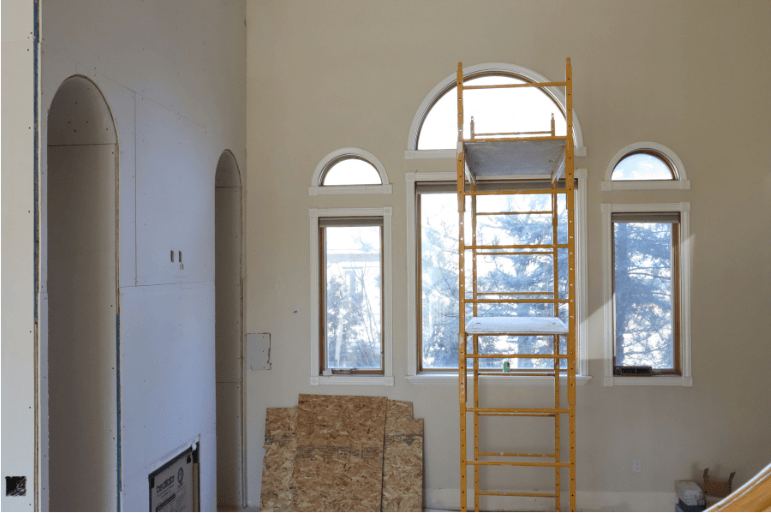
This is where change orders come in. A change order is essentially an official adjustment to your contract, more work, more materials, more money. And while sometimes they’re unavoidable, they’re also one of the biggest reasons Utah remodels end up costing 10–20% more than originally planned.
How Scope Creep Happens
- Design changes mid-project: You decide halfway through that the basement bathroom needs a walk-in shower instead of a tub.
- Unforeseen conditions: Demo reveals hidden plumbing or structural issues, forcing changes.
- Wish-list additions: The project starts as a kitchen remodel, but now you want to add recessed lighting in the living room “since the crew is already here.”
Each of these adds more time, labor, and materials, and each gets written into a new change order.
Real Costs of Change Orders
- Adding an egress window during a basement remodel? Expect $2,000–$4,000 extra.
- Upgrading countertops after installation has already started? Easily another $3,000–$5,000.
- Moving plumbing lines or relocating walls? That can tack on weeks to the timeline and thousands in labor.
And don’t forget: in Utah’s busy construction market, even “small” changes can cause scheduling ripples. If your project delays inspections or subcontractors, you may be waiting an extra few weeks before work resumes.
How to Protect Yourself
- Lock in decisions early. Finalize your design, finishes, and layout before demo starts.
- Get clear contracts. Make sure your agreement spells out how change orders are handled, what counts as “extra,” and how pricing is calculated.
- Keep a buffer fund. Set aside 10–15% of your budget specifically for change orders. If you don’t need it, great, you can use it for upgrades you actually want, not surprises you’re forced into.
Tip: Ask your contractor if they use fixed-price bids or cost-plus contracts. Fixed-price bids keep you safer from budget creep, while cost-plus contracts pass nearly every change directly to you. Knowing this upfront can save you from financial whiplash later.
5. Utility Upgrades
Most Utah homeowners planning a remodel budget for the visible stuff, cabinets, countertops, flooring, but forget about what’s behind the walls. And here’s the truth: upgrading utilities is one of the most common hidden costs in a remodel.
Electrical Panel & Wiring
If you’re finishing a basement or expanding your living space, chances are your current electrical panel isn’t sized for the extra load. Adding a home theater, basement kitchenette, or even just more outlets can push your system past its safe capacity.
- 200-amp panel upgrades (now the standard) run between $1,500–$3,000 in Utah.
- Running new circuits for appliances or lighting can add $500–$1,000 each.
Older homes may also need aluminum wiring replaced, which is both a safety and code issue.
HVAC System Resizing
Adding finished square footage, like a basement apartment or bonus room, means your furnace and A/C may struggle to keep up. If your system is undersized, you’ll either be uncomfortable or pay higher energy bills trying to force it.
- Ductwork modifications: $1,000–$3,000
- Full system upgrade (furnace + A/C): $7,000–$12,000 depending on size and efficiency
Plumbing Extensions
Want that basement wet bar, second laundry room, or bathroom? Running new supply and drain lines is rarely as simple as tapping into existing pipes, it often means trenching through the concrete floor.
- Adding a half bath: $3,000–$5,000
- Adding a full bath with shower: $7,000–$15,000
- Wet bar with sink and drain: $1,500–$3,500
Gas Lines & Appliances
Upgrading to a gas stove or adding a basement fireplace? New gas lines might be required, which cost $500–$2,000 depending on distance and access.
The Hidden Layer
Utility upgrades aren’t optional. If your remodel triggers extra load on outdated systems, inspectors will require fixes before signing off. Homeowners are often shocked because these costs don’t show up in the “dream board” stage, they show up once the contractor pulls permits.
Tip: Before starting your remodel, have an electrician, plumber, and HVAC tech evaluate your systems. Spending a few hundred upfront on inspections can save you thousands in “surprise” upgrades later.
Find out how much its costs to finish a basement in Utah here
6. Material Price Swings
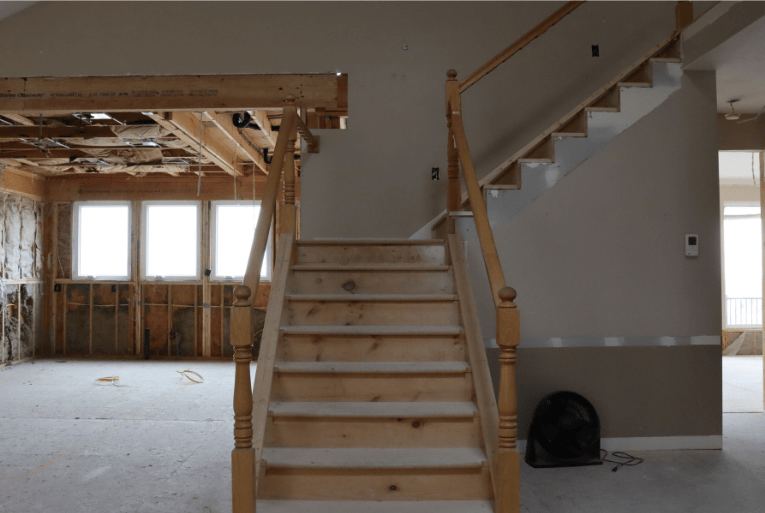
If you’ve been following home improvement news since 2020, you already know that material costs don’t stay put for long. Lumber prices alone in Utah have swung wildly, doubling during the pandemic, then dipping, only to rise again in recent years. And it’s not just lumber: drywall, steel, concrete, and even basic finishes like flooring and cabinetry can fluctuate depending on supply chain hiccups, demand, and fuel costs.
Why Utah Gets Hit Harder
- Regional demand: Utah’s housing boom means suppliers are often stretched thin. More demand = higher prices.
- Freight costs: Many building materials are trucked in, and higher fuel costs show up directly in delivery surcharges.
- Seasonal spikes: Spring and summer remodel seasons create mini price surges locally when every contractor is ordering materials at the same time.
How This Impacts Remodels
- If you lock in your remodel bid in January, but your contractor doesn’t order lumber until March, you could see a 10–15% jump in cost without changing a single design element.
- Specialty materials like custom cabinets, stone countertops, or imported tile are even more volatile, delays at ports or overseas factories can create both price hikes and timeline delays.
- Even something as simple as insulation or drywall can add thousands if your remodel is large and the market spikes mid-project.
Real Utah Examples
- In 2021, lumber price spikes added $20,000+ to the average new home build in Utah. While prices have cooled since then, volatility is still common.
- Homeowners in Davis and Utah County reported flooring and cabinetry bids changing by 8–12% within a few months due to backorders and supply shortages.
How to Protect Yourself
- Order early: Work with your contractor to secure materials as soon as possible after signing.
- Ask about allowances: Many contractors budget for material “allowances.” If your chosen finishes exceed that, you pay the difference. Make sure you know those numbers upfront.
- Build a buffer: Add at least 5–10% to your remodel budget just for material swings. If prices stay steady, great, you’ve got wiggle room for upgrades.
- Choose local when possible: Utah suppliers often have better lead times and less freight volatility compared to importing from out of state.
Tip: Don’t chase “lowest bid” contractors who don’t account for material swings. They may hit you with change orders later when prices rise. A transparent contractor will flag these risks early.
Thinking about a home remodeling project of your own?
Get a Free Estimate7. Living Adjustments During Remodel
When homeowners think about remodeling costs, they usually picture invoices from the contractor. But there’s another category of expenses most people forget: the cost of living through the remodel. These “soft costs” don’t show up in a line item on your estimate, but they hit your wallet all the same.
Temporary Housing
If you’re doing a full gut remodel, finishing a basement apartment, or tearing into your only kitchen or bathroom, you may need to move out temporarily.
- Short-term rentals in Salt Lake or Utah County can run $2,000–$3,500 a month depending on location.
- Even if you stay with family, you might still pay for storage, movers, or extended commutes.
Eating Out & Groceries
Without a functional kitchen, most families end up eating out more often. It might not seem like much at first, but even $40 a day for takeout adds up to $1,200 a month, on top of your normal grocery budget.
Storage Costs
When walls come down, your stuff has to go somewhere. Renting a storage unit in Utah averages $75–$150 a month, and bigger projects that require staging furniture off-site can double that. Add in moving truck fees or labor, and you’re looking at several hundred dollars before the remodel even starts.
Lifestyle Stress Costs
It's not only about money, it's about comfort. Remodeling noise, dust, and disrupted routines push many families into spending more on things like:
- Co-working spaces or coffee shops to escape the chaos
- Babysitting or pet boarding during heavy demo phases
- Extra cleaning services to handle post-construction dust
Pro Tip
When planning your remodel budget, add a “living adjustment” line item worth 5–10% of your project cost. That way, you’re not shocked when you swipe your card at DoorDash three nights in a row, or when you realize you need a storage unit until the drywall goes up.
8. Landscaping & Exterior Fixes
Most homeowners think of remodeling as an indoor project, new cabinets, shiny tile, maybe a fresh basement layout. But the outside of your home often pays the price for what’s happening inside. Heavy equipment, excavation, and trenching for utilities or waterproofing can leave your yard looking like a construction site long after the crew is gone.
Excavation Damage
If your remodel involves foundation work, basement waterproofing, or utility trenching, expect your lawn, garden beds, or driveway to take a hit. Excavators don’t tiptoe around tulips, yards can be torn up in a day, and restoring them adds hundreds or even thousands to your budget.
- Reseeding lawn: $300–$800
- Laying new sod: $1,500–$3,000 depending on yard size
- Driveway repair or repour: $2,000–$6,000+
Tree & Shrub Impact
In areas like Draper, Sandy, and Park City, where mature landscaping is common, excavation can damage root systems. Sometimes trees need to be removed and replanted, or replaced entirely. A single tree removal in Utah can run $500–$2,000, and replacement trees cost more on top of that.
Drainage & Grading Fixes
Once crews disturb the soil, your yard’s slope may not drain the same way it used to. Water pooling near your foundation is a recipe for future problems. Corrective grading costs $1,000–$3,000 but is essential if you want to protect your remodel investment.
Patios, Walkways & Hardscaping
Even if your remodel is indoors, outside access points matter. Contractors may need to remove sections of patios, decks, or walkways to bring in heavy equipment or access basement walls. Replacing concrete or pavers adds another $1,000–$5,000 depending on size.
Why It’s Overlooked
Because landscaping and hardscaping often aren’t in the remodel contract, homeowners assume the yard will look the same after construction wraps. In reality, most contractors only promise to remove debris, not to restore your yard to its former glory.
Tip: Ask your contractor specifically about site restoration before signing a remodel contract. Some will include basic yard repair in their bid, while others leave it entirely up to you. At minimum, plan a separate budget for landscaping repairs once the dust settles.
9. Cleanup & Disposal Fees
When you picture your remodel wrapping up, you probably imagine sparkling new finishes and a clean, polished space. The reality? Remodeling generates a lot of debris, broken drywall, old carpet, busted-up cabinets, concrete chunks, and endless piles of dust. And unless it’s spelled out in your contract, hauling away all that waste might not be included.
What Cleanup Actually Involves
- Dumpster rentals: Most projects require at least one. In Utah, a 20-yard dumpster runs $400–$600 per week, and big remodels may need multiple hauls.
- Disposal fees: Landfills charge tipping fees based on weight. Heavy materials like concrete, tile, or roofing add up quickly.
- Hazardous waste: Old paint, asbestos, or lead-contaminated materials can’t just be tossed in a dumpster, they require special disposal, which costs more.
- Final deep clean: Even after the big stuff is gone, drywall dust and sawdust cling to surfaces. Professional post-construction cleaning averages $300–$800 depending on home size.
The Hidden Gap in Contracts
Many Utah contractors include “basic cleanup,” which usually means they’ll haul out their tools and sweep up major debris. But it doesn’t always cover dumpster rental, dump fees, or professional deep cleaning. That part is often left for the homeowner to figure out.
Real-World Costs
- Kitchen remodel: 2–3 dumpster loads, $1,000–$1,500 total
- Basement gut: 3–4 dumpsters + landfill fees, $2,000–$3,500
- Full-home remodel: ongoing dumpsters, hazardous waste disposal, plus pro cleaning. $5,000+ just to get the place livable again
How to Avoid the Surprise
- Ask your contractor: “Does your bid include dumpsters, landfill fees, and a post-project clean?”
- If not, add a line item for disposal. You don’t want to be standing in a dust-filled basement calling around for dumpsters after the fact.
- Consider budgeting for a professional cleaning crew too. This isn't only about appearances, construction dust can aggravate allergies, damage electronics, and linger for weeks if it isn't properly removed.
Tip: For big remodels, negotiate a final cleaning clause into your contract. A truly finished project should mean the only thing you’re unpacking is furniture, not the shop-vac.
Thinking about a home remodeling project of your own?
Get a Free Estimate10. Inflation & Delays
Even with the best contractor, remodels rarely finish exactly on schedule, or on budget. In Utah’s hot housing market, both inflation and delays are major hidden costs that homeowners underestimate.
Inflation: The Silent Budget Killer
Remodel timelines stretch, sometimes because of design changes, sometimes because of supply chain issues. And the longer a project drags on, the more likely material and labor prices creep upward.
- Labor costs: Utah has been dealing with skilled labor shortages. When demand is high, daily rates climb. A job quoted at $50/hour today could be $60/hour in six months.
- Materials: Even basic supplies like lumber and drywall have seen double-digit swings in recent years. A project delayed by a few months can easily add thousands in material costs.
- Financing costs: If you’re using a home equity loan or line of credit, interest rates can adjust during longer projects, raising the total cost of borrowing.
Project Delays: Time is Money
Remodel delays aren’t just about waiting longer to use your new basement or kitchen, they come with their own price tags.
- Extended rentals or storage: If you moved out during the remodel, every week of delay means more money for temporary housing or storage units.
- Contractor rescheduling: When subcontractors (plumbers, electricians, framers) get pushed off schedule, you may end up waiting weeks before they’re available again. That downtime doesn’t save you money, it can actually cost more when crews have to remobilize.
- Seasonal setbacks: Utah weather can derail exterior-related work. Snow in late spring or early fall storms can stall roofing, grading, or excavation, extending timelines.
Why This Hits Utah Hard
Utah’s rapid population growth means remodel demand is consistently high. That demand squeezes both materials and contractors. When everyone’s remodeling in the spring and summer, delays compound, and costs follow.
How to Protect Yourself
- Lock in contracts early: Secure labor rates and material pricing as soon as possible.
- Build flexibility into your budget: Add 10–15% contingency specifically for inflation and delays.
- Schedule smart: Starting projects in late summer or fall can sometimes avoid peak-season bottlenecks.
- Communicate constantly: Weekly check-ins with your contractor can help spot delays early before they snowball.
Tip: Think of remodeling like flying. You hope to land on time, but smart travelers budget for a delay. The same goes for your remodel, plan for hiccups, and you won’t panic when they happen.
Frequently Asked Questions About Hidden Remodeling Costs in Utah
Q: How much should I set aside for hidden remodeling costs in Utah? Most contractors recommend adding 10–20% of your total budget as a contingency. Older homes or basement remodels may need closer to 20%, since plumbing, electrical, and foundation issues are common surprises.
Q: Why are permit fees so different between Utah cities? Each city sets its own requirements. For example, Salt Lake City often requires multiple inspections, while Park City enforces stricter codes for snow load and soil stability. These differences can push permit fees anywhere from $500 to $3,000+ depending on your location and project scope.
Q: What are the most common hidden costs in a Utah basement remodel? The big three are waterproofing, utility upgrades, and unexpected foundation fixes. If your basement isn’t sealed against Utah’s clay-heavy soils and spring runoff, water damage can undo everything you finish down there.
Q: Can I avoid change orders during my remodel? You can’t always avoid them, but you can reduce the risk. Lock in design decisions early, have your contractor explain how change orders are handled, and keep a 10–15% buffer for adjustments.
Q: Do material price swings really affect small remodels? Yes. Even modest projects can see a 5–10% increase if lumber, drywall, or cabinetry prices climb between the time you sign and the time materials are delivered. Securing materials early helps avoid this.
Q: Is it cheaper to stay home during a remodel, or move out temporarily? It depends on the project. Kitchen and bathroom remodels often make staying home inconvenient, while full-home or basement remodels with heavy demo may make temporary housing the cheaper and less stressful option. Always factor in eating out, storage, and extra cleaning if you stay.
Q: Will my contractor handle cleanup and disposal? Not always. Some bids include basic cleanup but don’t cover dumpster rental, landfill fees, or professional post-construction cleaning. Always confirm this in writing before you start.
Q: How much do delays usually add to a remodel in Utah? Delays can add hundreds to thousands in costs, depending on how they impact storage, rentals, labor, and material pricing. Utah’s busy construction market means subcontractor schedules are tight, missing a window can push projects back weeks.
Final Thoughts
Remodeling in Utah is exciting, but it isn't cheap, and the hidden costs are what sink most budgets. The good news is that with the right contractor, most of these surprises can be planned for ahead of time. At Pro-Worx Construction, we walk homeowners through the likely scenarios upfront so there are fewer “gotchas” once work is underway.
Ready to remodel with confidence? Contact Pro-Worx today for a transparent, no-surprise estimate and start your project on the right foot.
Ready to Start Your Home Remodeling Project?
Get a free consultation and estimate from Utah's trusted home renovation experts.

Bryant Bitner
Founder & Lead Project Manager, Pro-Worx Construction
Bryant leads Pro-Worx Construction and has helped hundreds of Utah families plan and build renovations they actually use, from basement finishes to full home remodels. He focuses on honest scoping, code compliance, and clear numbers from the first conversation.