In This Article
- 01The First Question We Ask Every Bar Client
- 02What Actually Separates a Wet Bar From a Dry Bar
- 03The Case for a Wet Bar
- 04The Case for a Dry Bar
- 05Cost Comparison
- 06Where the Bar Is Going Should Drive the Decision
- 07Electrical You'll Need Either Way
- 08What Actually Makes Either Option Feel High-End
- 09FAQs
- 10Final Thoughts
The First Question We Ask Every Bar Client
When someone tells us they want a bar in their basement or entertainment space, the very first thing we ask is: wet or dry? It sounds like a small detail, but that one answer drives the budget, the design, the plumbing plan, and even how much value the project adds when it's time to sell.
What Actually Separates a Wet Bar From a Dry Bar
The technical definition is simple. A wet bar has a sink with running water and a drain. A dry bar has counter space, storage, and usually a beverage fridge, but no plumbing at all. That one difference, water or no water, has bigger practical implications than most people expect going in.
The Case for a Wet Bar
A sink on-site makes drink prep and cleanup dramatically more convenient. You can rinse glasses, fill an ice bucket, top off a pitcher, or wash your hands without walking back upstairs mid-party, which matters a lot more than it sounds like when you're actually hosting. If the bar lives in a basement, where the trip upstairs is longest and most disruptive to the flow of a gathering, that convenience is usually worth the added cost. Wet bars also tend to carry more resale value than dry bars, since they function more like a true second kitchen amenity in a buyer's eyes.
Thinking about a wet bar & kitchenette project of your own?
Get a Free EstimateThe Case for a Dry Bar
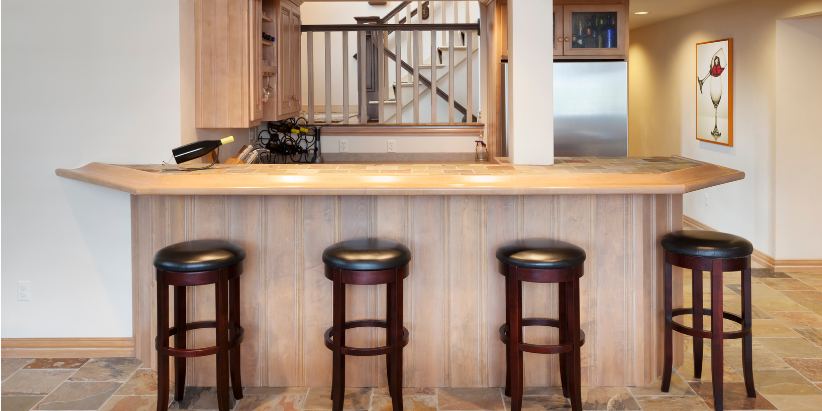
Skipping plumbing has real advantages beyond just lower cost. No water or drain lines means faster installation, since there's no need to tie into existing plumbing runs or coordinate inspections for new supply and drain work. It also means far more flexible placement, a dry bar isn't constrained by proximity to an existing stack or main drain line, so it can go wherever the room design calls for it, a living room, a dining area, even a spot that would be impractical or expensive to plumb. A beautifully built dry bar with a quality beverage fridge, dedicated wine storage, and well-chosen cabinetry is genuinely impressive on its own, plenty of our favorite builds have been dry bars.
Cost Comparison
This is usually the deciding factor once the lifestyle question is settled, so it's worth laying out clearly.
| Bar Type | Typical Cost Range | What Drives the Range |
|---|---|---|
| Dry bar | $5,000 – $12,000 | Cabinetry quality, countertop material, beverage fridge, lighting |
| Wet bar | $10,000 – $25,000 | Everything a dry bar includes, plus plumbing, fixtures, and venting |
| Plumbing add-on for a wet bar | $2,000 – $5,000 | Distance from existing supply and drain lines |
That plumbing line item is really the whole story. In a basement where the main drain stack runs nearby, adding a wet bar sink is relatively straightforward and sits at the lower end of that range. In a living room or anywhere far from existing plumbing, running new supply and drain lines gets more involved, both in cost and in how much floor or wall has to be opened up to do it.
Where the Bar Is Going Should Drive the Decision
- Basement or dedicated entertainment room: go wet. The convenience is worth the added cost, and in a basement, the main drain stack is usually close enough to keep plumbing costs reasonable. It also maximizes how functional and resale-friendly the room feels on its own.
- Living room, dining area, or a secondary space far from existing plumbing: a high-end dry bar is almost always the smarter play. You get the look and the function without an expensive, invasive plumbing run just to add a sink you may use a handful of times a year.
- Anywhere you're not sure you'll stay long-term: dry bars are also easier to reconfigure or remove down the line if your plans for the space change, since there's no plumbing to cap or reroute.
Thinking about a wet bar & kitchenette project of your own?
Get a Free EstimateElectrical You'll Need Either Way
This is the part that gets overlooked because it's invisible once the cabinetry is in. Both wet and dry bars need a dedicated circuit for a beverage fridge or wine cooler, since these units run continuously and shouldn't share a circuit with lighting or outlets that get switched on and off. If you're adding an ice maker, that's its own dedicated circuit and, for a wet bar, its own water line. Any outlet within reach of the sink area needs to be GFCI-protected, which is both code-required and just good practice around water. We rough in more outlets than clients think they'll need, under-counter space fills up fast once a blender, ice maker, and a couple of small appliances are all vying for the same strip of wall.
Popular Beverage Fridge and Ice Maker Options
For beverage and wine fridges, brands like U-Line, Avallon, and Summit are common choices in the builds we do, ranging from roughly $600 for a basic single-zone beverage fridge up to $2,500 or more for a dual-zone wine and beverage combination unit. Clear ice makers (the kind that produce the dense, slow-melting cubes popular in craft cocktails) run higher than standard nugget ice machines, typically $1,500 to $3,000 installed, and are worth it if cocktails are a regular feature of how you entertain.
What Actually Makes Either Option Feel High-End
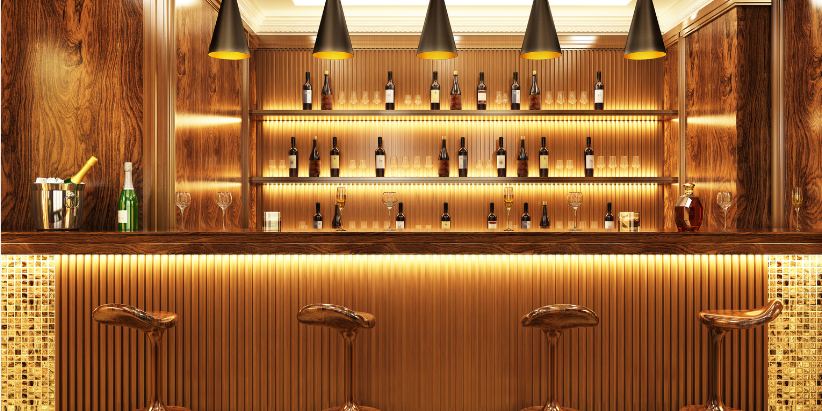
Whether you go wet or dry, the finish quality is what separates a great bar from a forgettable one. Premium countertops (quartz is our most requested material for bar tops, for the same stain- and heat-resistance reasons it dominates kitchens), thoughtful under-cabinet and shelf lighting, and quality cabinetry construction do more for the finished look than the presence or absence of a sink ever will. We've built plenty of dry bars that get more compliments than wet bars three times the cost, because the materials and lighting were dialed in.
FAQs
Can I add a wet bar sink to an existing dry bar later?
Sometimes, but it's almost always more expensive and disruptive than building it wet from the start, since you'd be opening finished walls and flooring to run new supply and drain lines. If there's any real chance you'll want a sink down the road, it's worth at least pricing out the plumbing now, even if you hold off on installing the sink itself.
Does a wet bar need a dishwasher?
Not usually. Most wet bars get by fine with just a sink for rinsing, since the bulk of real dishwashing still happens in the main kitchen. A small bar-sized dishwasher drawer is a nice addition for heavy entertainers, but it's an upgrade, not a necessity, and adds to both cost and plumbing complexity.
What's the best countertop material for a home bar?
Quartz is our most common recommendation for the reasons covered above (and in more depth in our separate guide on bar countertop materials): it's non-porous, resists staining from wine and citrus, and holds up well to the daily wear a bar surface takes. Granite and butcher block both have their place depending on the look you're going for, but quartz is the practical default for most clients.
Does a wet bar count as a second kitchen for permitting purposes?
Generally no, a simple bar sink doesn't trigger the same code requirements as a full kitchen, but requirements can vary depending on your city and whether you're adding a full range or oven alongside it. If you're considering a fuller kitchenette setup rather than just a bar sink, it's worth checking with your contractor on what that triggers for permitting before you finalize the design.
Thinking about a wet bar & kitchenette project of your own?
Get a Free EstimateFinal Thoughts
There's no universally right answer between wet and dry, there's only the right answer for where the bar is going and how you actually use the space. If it's the centerpiece of a basement entertainment room, lean wet. If it's a stylish accent in a living room or dining space far from existing plumbing, a well-built dry bar will serve you just as well for a lot less. Talk to Pro-Worx about your space and we'll help you land on the right call, and then build it with the finish quality that makes either option feel like a real focal point.
Ready to Start Your Wet Bar & Kitchenette Project?
Get a free consultation and estimate from Utah's trusted home renovation experts.

Bryant Bitner
Founder & Lead Project Manager, Pro-Worx Construction
Bryant leads Pro-Worx Construction and has helped hundreds of Utah families plan and build renovations they actually use, from basement finishes to full home remodels. He focuses on honest scoping, code compliance, and clear numbers from the first conversation.