
Finished vs Unfinished Basements: The Utah Reality
Utah Market Reality: In Utah’s housing market, finished basements consistently outperform unfinished ones — especially when they include flexible living space, a bathroom, or rental potential. Buyers don’t see unfinished basements as “future opportunity”; they see them as work they’ll have to pay for later.
In Utah, basements are not viewed as optional space — they are viewed as expected living area. Homes with finished basements are routinely compared against one another, while homes with unfinished basements are quietly pushed into a different mental category by buyers.
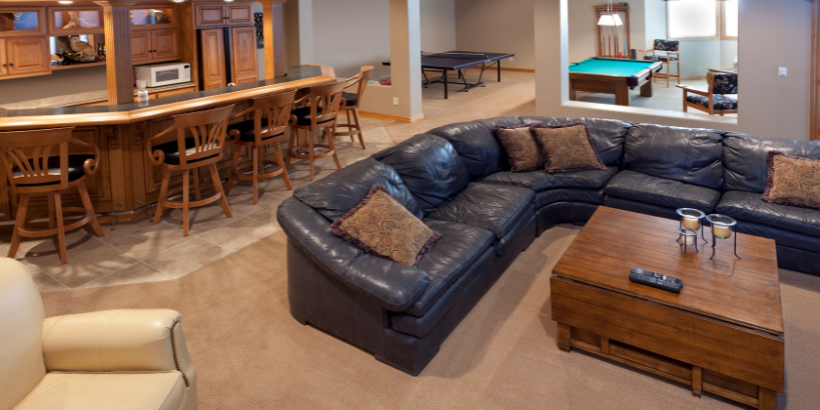
A finished basement in Utah is seen as bonus square footage that solves real lifestyle needs: space for growing families, room for multi-generational living, flexible work-from-home setups, or income-producing rental potential. Buyers understand the value immediately because the work is already done, permitted, and move-in ready.
An unfinished basement, on the other hand, doesn’t register as opportunity for most Utah buyers — it registers as cost. Buyers mentally subtract the price of finishing, factor in construction disruption, and often assume delays or surprises. Even if the basement is large, clean, and dry, the lack of finished space slows emotional buy-in.
This difference directly impacts both sale price and time on market. Finished basements help homes stand out, justify higher asking prices, and reduce buyer hesitation. Unfinished basements force buyers to weigh effort and expense — which often leads to longer decision cycles or lower offers.
In short, Utah buyers don’t ask “What could this basement become?” — they ask “How will I use it on day one?” If the answer isn’t obvious, the perceived value drops.
| Factor | Finished Basement | Unfinished Basement |
|---|---|---|
| Usable Living Space | Fully livable (bedrooms, gyms, offices, lounges) | Storage or utility only |
| Utah Buyer Appeal | High demand | Low to neutral |
| Average ROI in Utah | 70%–80% | 0%–30% |
| Impact on Sale Speed | Helps homes sell faster | Often slows buyer decisions |
| Daily Lifestyle Value | Immediate benefit | No lifestyle upgrade |
Usable Living Space: Why Finished Basements Win in Utah
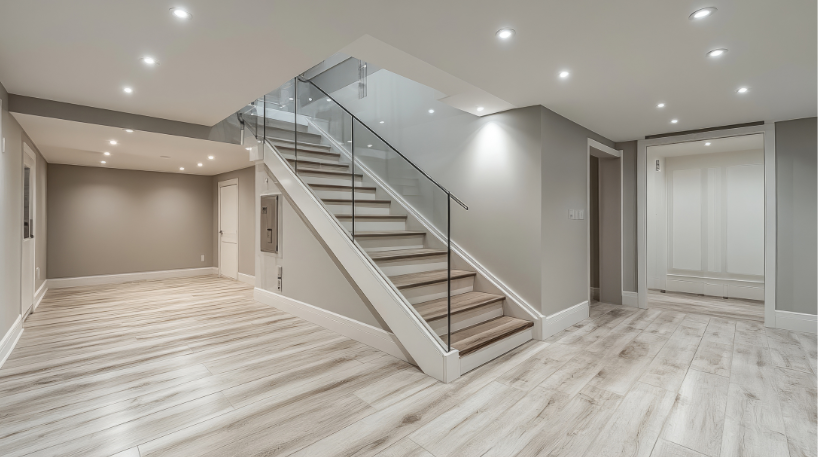
In Utah, usable living space is king. Finished basements function as true extensions of the home — adding bedrooms, offices, gyms, entertainment rooms, and flexible family space that buyers can use immediately.
Unfinished basements, even large ones, are rarely counted mentally as livable square footage. Buyers see concrete floors and exposed framing and instinctively classify the space as storage or future work — not something they can enjoy right away.
Because Utah homes are often purchased with long-term family use in mind, finished basements consistently carry more perceived value than raw square footage alone.
Conversion insight: Buyers pay for space they can use today — not space they might renovate later.
Utah Buyer Appeal: What Actually Drives Demand
Utah buyers strongly favor homes that already meet their lifestyle needs. Finished basements align perfectly with common Utah use cases: multi-generational living, work-from-home offices, home gyms, and teen hangout areas.
An unfinished basement requires imagination, budgeting, and tolerance for construction — three things most buyers actively avoid during a purchase. As a result, homes with finished basements generate stronger emotional reactions during showings and open houses.
In competitive Utah markets, that emotional response often becomes the deciding factor between two otherwise similar homes.
Conversion insight: Higher buyer appeal equals stronger offers and fewer concessions.
Average ROI in Utah: Finished vs Unfinished
Finished basements in Utah typically return 70%–80% of their cost at resale, with some layouts performing even better. Features like bathrooms, legal bedrooms, and flexible living zones significantly boost return.
Unfinished basements, by contrast, rarely generate measurable ROI. While they may preserve future potential, buyers almost always discount their offers to account for renovation cost, effort, and uncertainty.
In practical terms, this means unfinished basements often suppress value rather than protect it.
Conversion insight: A finished basement is one of the few remodels that delivers both daily enjoyment and strong resale recovery in Utah.
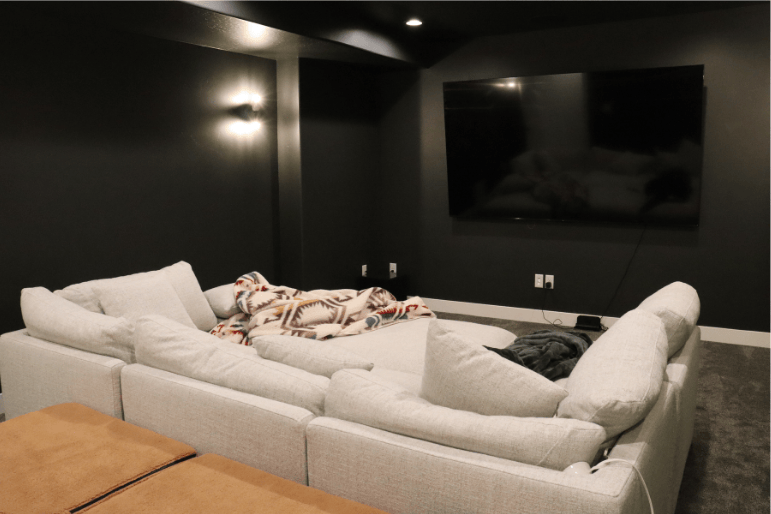
Impact on Sale Speed: Why Finished Homes Move Faster
Homes with finished basements in Utah tend to sell faster because they reduce buyer hesitation. There are fewer “what ifs,” fewer mental calculations, and fewer reasons to delay a decision.
Unfinished basements introduce friction into the buying process. Buyers pause to consider timelines, contractor availability, permit requirements, and budget overruns — all of which slow momentum.
That hesitation often results in longer days on market or lower initial offers.
Conversion insight: Faster sales reduce stress and protect negotiating power.
Daily Lifestyle Value: The Part Most ROI Calculators Miss
Beyond resale numbers, finished basements deliver immediate lifestyle value — something Utah homeowners actually feel day to day. Whether it’s a home gym, office, guest space, or family room, the space starts working for you immediately.
Unfinished basements offer no comparable benefit. They sit unused, underutilized, or filled with storage, contributing nothing to daily comfort or enjoyment.
For many Utah homeowners, the lifestyle upgrade alone justifies the investment — with resale ROI becoming a strong secondary win.
Conversion insight: You don’t just recover value later — you live better now.
Seller vs Long-Term Owner: Which One Are You?
If you plan to sell within the next few years, a clean, neutral, professionally finished basement can significantly improve marketability, shorten time on market, and support stronger pricing in Utah’s buyer-driven comparisons.
If you plan to stay long-term, the value compounds. You gain years of daily use, improved comfort, and flexibility — while still recapturing a large portion of the investment when you eventually sell.
Leaving a basement unfinished only makes sense when ownership timelines are extremely short or structural limitations
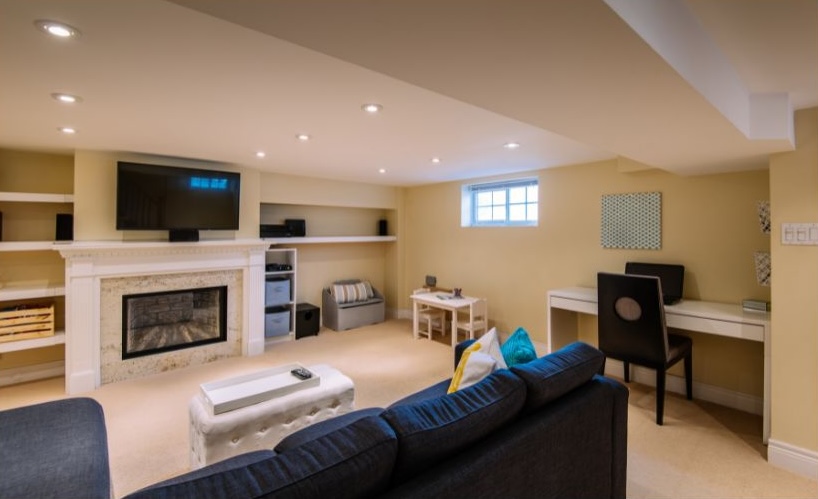
What Counts as a Finished Basement in Utah?
For ROI purposes, a finished basement must feel like a true extension of the home — not a half-done project.
- Insulated, finished walls: Comfortable year-round Utah climate control.
- Finished flooring: Vinyl plank, carpet, tile, or engineered wood.
- Electrical & lighting: Recessed lights, outlets, and switches.
- Heating & cooling: HVAC extensions or zoned systems.
- Egress windows (if bedrooms are added): Required for safety and resale value.
Pro Tip: In Utah, basements that feel “tacked on” return less value. Seamless design = higher ROI.
In Utah, a finished basement isn’t defined by appearance alone — it’s defined by whether the space feels, functions, and performs like the rest of the home. Buyers quickly spot basements that were rushed, under-built, or treated as an afterthought, and those spaces return far less value.
For ROI purposes, a finished basement must be comfortable year-round, legally compliant, and visually cohesive with the main living areas. Anything less is viewed as a partial upgrade — not true living space.
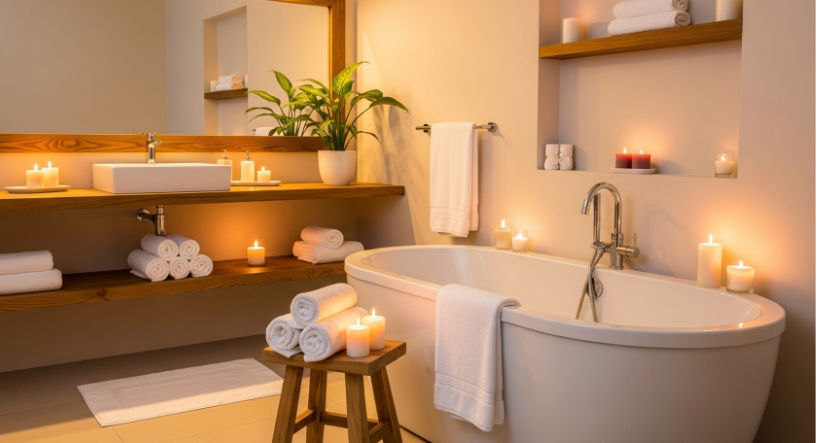
Insulated, Finished Walls: Comfort Is Non-Negotiable
Utah’s seasonal temperature swings make proper insulation essential. Finished basement walls should be fully insulated, drywalled, taped, and sealed to maintain consistent comfort through hot summers and cold winters.
Cold, drafty, or unevenly insulated basements immediately signal “unfinished,” even if the space looks polished on the surface. From an ROI standpoint, comfort equals usability — and usability drives value.
Finished Flooring: Function Meets Durability
Flooring plays a major role in how buyers classify basement space. Materials like luxury vinyl plank, carpet, tile, or engineered wood create warmth and continuity with the rest of the home.
Painted concrete, epoxy-only floors, or temporary coverings signal a cost-saving shortcut and reduce perceived value — especially in Utah markets where finished basements are the norm.
Electrical & Lighting: The Difference Between “Basement” and “Living Space”
Lighting is one of the fastest ways to elevate a basement. Recessed lighting, properly spaced outlets, wall switches, and code-compliant wiring transform a basement from utility space into true living area.
Utah buyers are particularly sensitive to dark basements. Poor lighting makes spaces feel smaller, colder, and less inviting — which directly impacts emotional buy-in during showings.
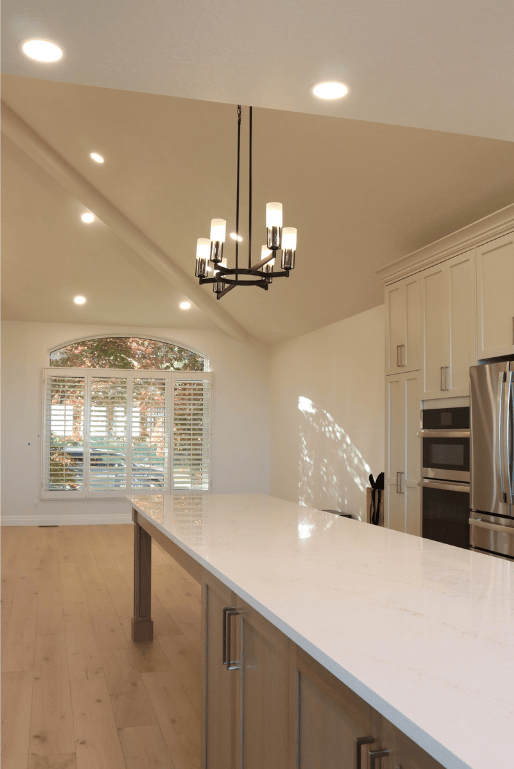
Heating & Cooling: A True Extension of the Home
For a basement to count as finished in Utah, it must be properly heated and cooled. Extending existing HVAC systems or installing zoned climate control ensures the space remains comfortable year-round.
Basements that rely on space heaters, portable units, or inconsistent airflow are rarely perceived as fully finished — and that perception shows up in resale pricing.
Egress Windows: Safety, Legality, and Resale Protection
Any basement bedroom in Utah must include a compliant egress window to meet safety codes and be counted as a legal bedroom. Without egress, a “bedroom” becomes a bonus room — and the value drops accordingly.
Homes with properly permitted bedrooms consistently outperform those with non-compliant layouts, both in sale price and buyer confidence.
Permits & Code Compliance: The Silent ROI Multiplier
Permits matter more than many homeowners realize. In Utah, unpermitted basement work can delay sales, reduce appraisal values, and raise red flags during inspections.
A properly finished basement should include permits for framing, electrical, plumbing, HVAC, and egress where required. Buyers may not ask about permits upfront — but inspectors and appraisers always do.
From an ROI perspective, permitted work protects your investment and preserves negotiating power when it matters most.
Common Utah Basement Mistakes That Kill ROI
- Exposed ceilings or utilities that make the space feel industrial or unfinished
- Low lighting that exaggerates ceiling height issues
- Unpermitted electrical or plumbing
- Painted concrete floors instead of finished flooring
- Space heaters instead of integrated HVAC
- Designs that don’t match the rest of the home
These shortcuts may save money upfront, but they significantly reduce buyer trust, emotional appeal, and resale value in Utah’s market.
Why “Half-Finished” Basements Underperform
Basements that feel partially finished — or obviously added later — confuse buyers. They raise questions about quality, compliance, and long-term durability.
In Utah, buyers reward basements that feel intentional, cohesive, and professionally built. Anything that looks temporary or compromised tends to be priced accordingly.
Pro Tip: In Utah, the highest-ROI basements are the ones that feel like they were always part of the home. Matching ceiling treatments, flooring style, lighting temperature, and finish quality to the main floor creates a seamless experience buyers are willing to pay for.

ROI Breakdown: Finished Basements in Utah
In Utah, homeowners typically recoup 70%–80% of basement finishing costs at resale — sometimes more in competitive neighborhoods.
| Basement Feature | ROI Impact in Utah |
|---|---|
| Additional Bedroom (with egress) | Very high |
| Home Office | High demand across Utah markets |
| Home Gym | One of Utah’s strongest ROI upgrades |
| Basement Bathroom | Major value multiplier |
| Rental / In-Law Suite | Exceptional ROI in Utah County & Salt Lake County |
- Multi-generational living: Extremely common in Utah homes.
- Rental or in-law suites: Strong buyer appeal in Utah County and Salt Lake County.
- Home gyms: One of the most requested basement upgrades in Utah.
- Teen hangout spaces: Family-focused layouts sell faster.
Pro Tip: A finished basement with a bathroom almost always outperforms one without in Utah’s market.
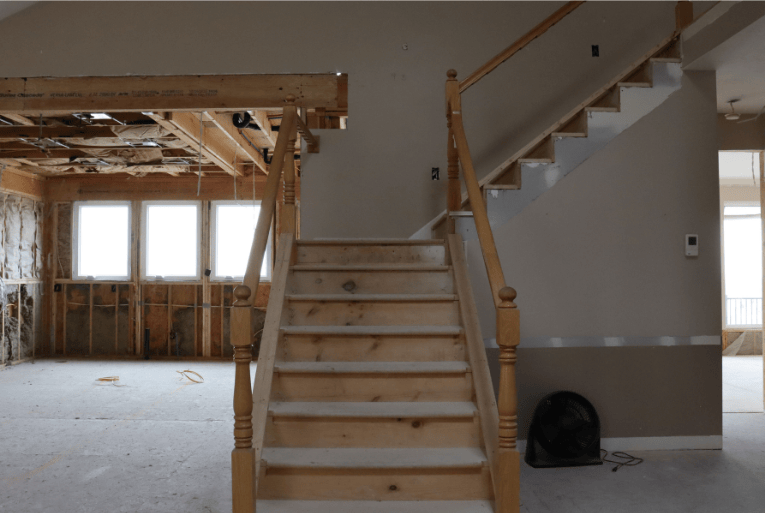
ROI Breakdown: Unfinished Basements in Utah
In Utah, finished basements are one of the most reliable remodeling investments — but only when they’re designed with function, flexibility, and buyer expectations in mind. Not all finished basements perform equally, and certain features consistently deliver stronger returns than others.
Additional Bedrooms: One of Utah’s Strongest ROI Drivers
Adding a legal basement bedroom in Utah can significantly increase resale value, especially in family-oriented markets. Bedrooms with proper egress are counted toward bedroom totals and immediately elevate how a home is categorized by buyers.
Homes with extra bedrooms appeal to larger families, multi-generational households, and buyers planning for long-term use — all common demographics in Utah.
ROI insight: Legal bedrooms outperform most cosmetic upgrades in both buyer demand and appraisal impact.
Basement Bathrooms: Small Footprint, Big Return
A basement bathroom is one of the most consistent ROI multipliers in Utah. Whether paired with a bedroom, office, or entertainment space, a bathroom dramatically increases usability and buyer confidence.
From a buyer’s perspective, a finished basement without a bathroom feels incomplete. From an appraiser’s perspective, it materially improves functionality.
ROI insight: Even modest basement bathrooms often return more value than their proportional cost.
Home Gyms & Fitness Spaces: High Demand in Utah
Utah buyers place unusually high value on home gyms and wellness spaces. Finished basements are the natural location for these setups due to ceiling height, privacy, and separation from main living areas.
Unlike niche features, home gyms translate well across buyer types — families, professionals, and retirees alike.
ROI insight: Flexible gym spaces outperform highly specialized rooms in resale scenarios.
Home Offices: A Post-Pandemic ROI Staple
Work-from-home arrangements remain common in Utah, and finished basement offices are now viewed as essential by many buyers. Quiet separation from the main living area makes basements ideal for productive workspaces.
Offices that can easily convert to guest rooms or bedrooms deliver the strongest ROI.
ROI insight: Flexibility is key — single-purpose offices underperform compared to adaptable layouts.
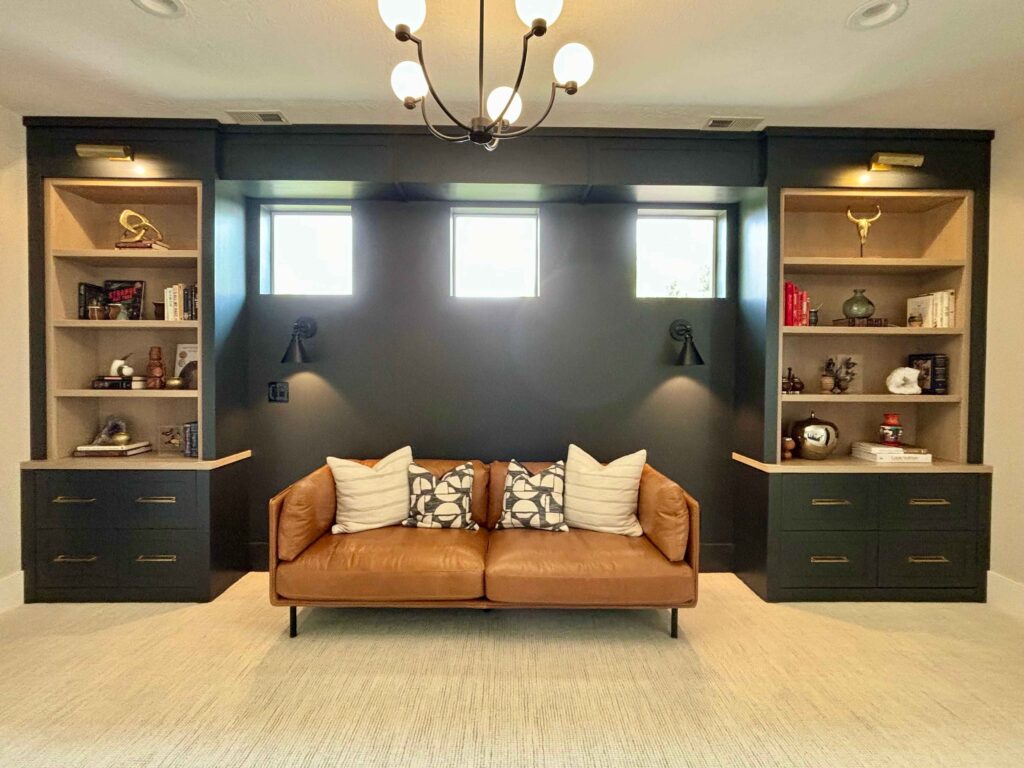
Rental & In-Law Suites: Exceptional ROI in Select Utah Markets
In Utah County, Salt Lake County, and surrounding areas, finished basements with rental or in-law suite potential can dramatically increase buyer interest. These layouts appeal to buyers looking for supplemental income or family housing.
Proper zoning, permitting, and layout design are critical — unpermitted “pseudo-apartments” often hurt resale value rather than help it.
ROI insight: Legal, well-designed suites can outperform traditional basement layouts — but shortcuts backfire.
Entertainment & Family Rooms: Emotional ROI That Converts
Basement entertainment spaces, media rooms, and family lounges perform well in Utah because they support everyday family life. These spaces help buyers emotionally connect with the home during showings.
Unlike luxury-only features, entertainment spaces appeal broadly and photograph well — improving both online listing performance and in-person impact.
ROI insight: Emotional connection drives faster offers and stronger pricing.
What Hurts ROI — Even in a Finished Basement
- Over-customized designs that limit flexibility
- Luxury finishes that exceed neighborhood norms
- Unpermitted bedrooms or bathrooms
- Poor lighting or low ceiling emphasis
- Layouts that feel disconnected from the rest of the home
In Utah, the best-performing basements are not the flashiest — they are the most usable.
Short-Term Sellers vs Long-Term Owners: ROI Still Wins
For homeowners planning to sell within a few years, a clean, neutral, professionally finished basement often shortens time on market and supports higher offers.
For long-term owners, ROI compounds. You gain years of daily use, improved comfort, and flexibility — while still recovering a large portion of the investment at resale.
Bottom line: In Utah, finished basements deliver one of the best balances between lifestyle value and financial return — when they’re built intentionally.
An unfinished basement technically offers “potential,” but Utah buyers rarely pay for potential.
- Storage-only value: Minimal impact on resale price.
- Buyer discounting: Renovation costs are mentally subtracted.
- Cold, dark perception: Common Utah buyer complaint.
- Limited listing impact: Often excluded from livable square footage.
| Unfinished Feature | Utah Buyer Perception |
|---|---|
| Concrete Floors | Cold and uninviting |
| Exposed Utilities | Feels incomplete |
| Low Lighting | Reduces comfort and safety perception |
| No Defined Rooms | Hard to visualize use |
Pro Tip: Utah buyers don’t imagine upgrades — they price in inconvenience.
The Utah Appraiser & Inspection Lens: How Finished Basements Are Really Evaluated
Homeowners often assume that any finished basement automatically adds value — but in Utah, appraisers and inspectors apply a much more specific lens. How a basement is built, documented, and integrated into the home determines whether it strengthens value or quietly undermines it.
How Utah Appraisers View Finished Basements
Utah appraisers don’t simply ask whether a basement is finished — they assess how finished it is. Appraisers look for evidence that the basement functions as true living space and aligns with the rest of the home in quality, usability, and compliance.
Key factors Utah appraisers evaluate include:
- Permitted construction: Unpermitted work is often excluded from value calculations.
- Legal bedrooms: Bedrooms without proper egress are not counted.
- Ceiling height: Low ceilings reduce usability and perceived value.
- Heating and cooling: Finished space must be climate-controlled.
- Finish consistency: Materials should align with the main floor’s quality.
When a basement meets these standards, it strengthens the appraisal and supports higher valuations. When it doesn’t, the space may be discounted or ignored entirely.
What Inspectors Flag in Utah Basements
Home inspections are where many basement-related deals stall or lose leverage. Utah inspectors are trained to identify safety, moisture, electrical, and compliance issues — and unfinished or improperly finished basements are a common source of red flags.
- Missing or undersized egress windows
- Improper electrical wiring or overloaded circuits
- Moisture intrusion or inadequate vapor barriers
- Improper HVAC airflow or reliance on space heaters
- Unpermitted plumbing or bathroom additions
Even minor issues can lead to repair requests, price reductions, or delayed closings — especially when buyers already feel unsure about basement quality.
Why “Looks Finished” Isn’t Enough in Utah
Basements that look good but fail inspection or appraisal standards often create problems late in the transaction. Buyers may love the space initially, only to renegotiate once issues surface.
In Utah’s market, appraisers and inspectors act as gatekeepers. A basement that passes both cleanly protects your asking price and negotiating position.
Permits, Documentation, and ROI Protection
Proper documentation matters more than most homeowners expect. Permits, final inspections, and clear records reassure buyers, agents, appraisers, and lenders that the work was done correctly.
From an ROI standpoint, permitted basement work:
- Supports higher appraised value
- Reduces inspection objections
- Protects against last-minute renegotiation
- Improves buyer confidence
The Bottom Line from an Appraiser’s Perspective
In Utah, finished basements add value when they are:
- Legally compliant
- Comfortable year-round
- Designed as true living space
- Built to match the quality of the home
Anything less may still look nice — but it won’t deliver full ROI when it matters most.
Pro Tip: The safest way to maximize basement ROI in Utah is to build as if an appraiser and inspector will scrutinize every detail — because they will.
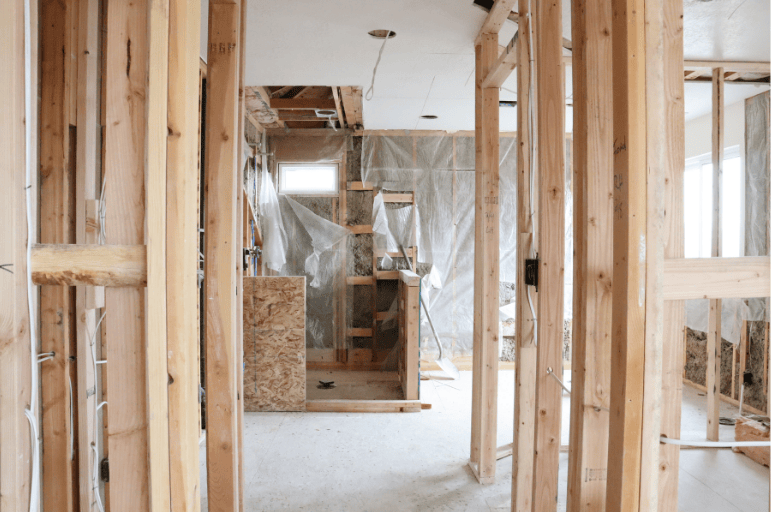
Utah Cost Comparison: Finished vs Unfinished
In Utah, most basement finishing projects fall between $30,000 and $70,000, depending on ceiling height, plumbing access, and whether a bathroom or bedroom is added.
| Project Type | Typical Utah Cost | ROI |
|---|---|---|
| Basic Basement Finish | $30,000 – $40,000 | 70%+ |
| Mid-Range Finish | $40,000 – $65,000 | 75%+ |
| High-End Finish | $65,000 – $100,000+ | Lifestyle-driven |
| Unfinished Basement | $0 | Minimal |
Pro Tip: In Utah, mid-range basement finishes often outperform luxury builds in pure ROI.
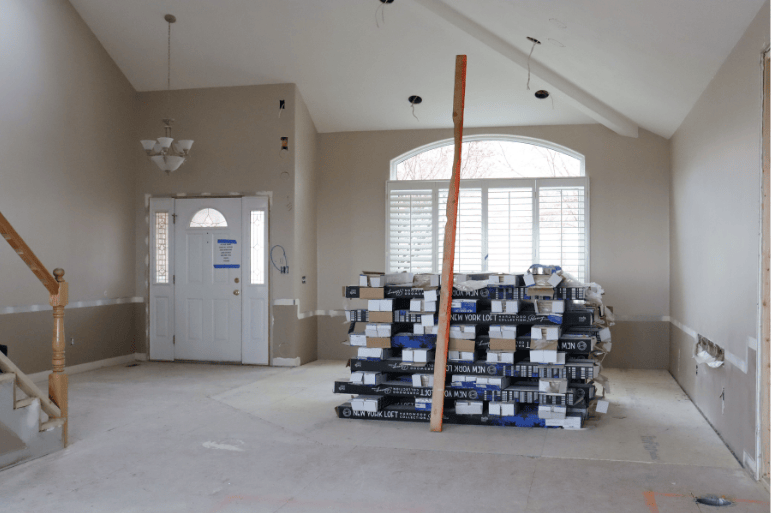
When Leaving a Basement Unfinished Makes Sense in Utah
There are situations where finishing may not be the right move — at least not yet.
- Low ceiling heights common in older Utah homes
- Moisture or drainage issues
- Very short ownership timelines
- Budget limitations
- Homes where layout limits functional use
In these cases, sealing, lighting, and partial upgrades may be the smarter first step.
While finished basements deliver strong ROI in most Utah homes, there are situations where finishing immediately may not be the smartest move — at least not without addressing underlying constraints first.
The key is knowing the difference between a basement that should remain unfinished temporarily and one that’s simply being avoided out of uncertainty.
Low Ceiling Heights in Older Utah Homes
Many older Utah homes were built with basement ceiling heights that fall below modern comfort expectations. Low ceilings make finished spaces feel cramped, reduce buyer appeal, and limit how the space can legally be used.
In these cases, finishing without addressing ceiling height can result in a space that technically counts as “finished” but underperforms in both lifestyle value and resale impact.
Moisture, Drainage, or Foundation Issues
Active moisture problems should always be resolved before any finishing work begins. Utah inspectors and buyers are highly alert to signs of water intrusion, efflorescence, or past flooding.
Finishing a basement before correcting drainage, grading, or waterproofing issues often leads to long-term problems — and can severely damage resale value if issues resurface.
Very Short Ownership Timelines
If you plan to sell within a very short window, a full basement finish may not have enough time to deliver its full ROI — especially if construction timelines, permits, or inspections delay listing plans.
In these situations, strategic partial improvements may make more sense than a full build-out.
Budget Constraints and Overextension Risk
Finishing a basement should never strain the overall financial health of the household. Overextending a budget often leads to shortcuts — and shortcuts are exactly what reduce ROI in Utah’s market.
A partially improved basement done correctly is far better than a fully finished basement done poorly.
Layouts That Limit Functional Use
Some basements simply don’t lend themselves well to efficient layouts due to structural walls, mechanical placement, or awkward geometry. Forcing a finish in these spaces can result in rooms that feel disconnected, impractical, or underwhelming.
In these cases, careful planning or phased upgrades may be the smarter path.
Smart Alternatives When Full Finishing Isn’t the Right Move
When finishing doesn’t make sense immediately, certain upgrades can still improve perception, reduce buyer hesitation, and protect future ROI:
- Sealing and insulating rim joists to improve comfort and energy efficiency
- Improved lighting to eliminate dark, uninviting areas
- Moisture mitigation such as sump pumps or drainage improvements
- Organized mechanical and storage zones
- Clear documentation showing issues were addressed professionally
The Strategic Takeaway for Utah Homeowners
Leaving a basement unfinished can be a smart short-term decision when it’s part of a larger plan — not an avoidance tactic. Addressing structural, moisture, or layout limitations first often leads to a much stronger finished product later.
The goal isn’t to finish at all costs — it’s to finish well, at the right time, and with ROI in mind.
Pro Tip: If you’re unsure whether your basement should be finished now, later, or in phases, a professional assessment can help you avoid costly missteps and prioritize improvements that protect long-term value.
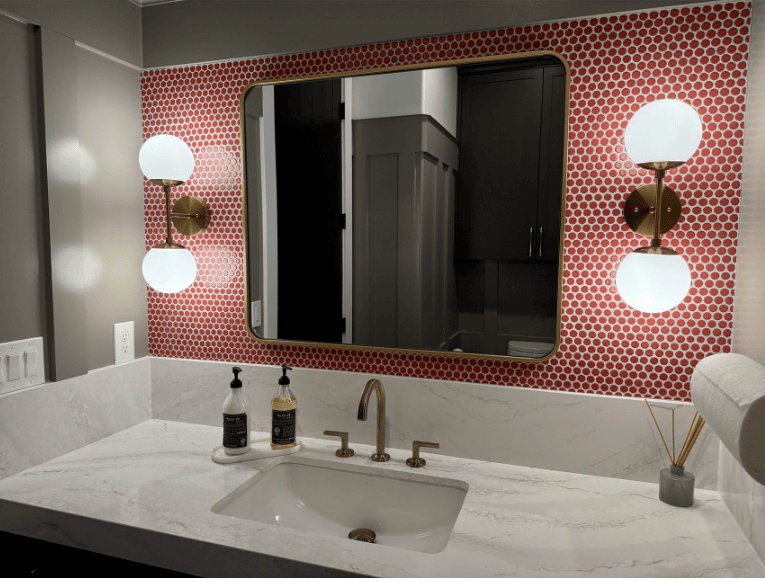
Finish Now or Finish Later? A Utah Basement Decision Matrix
If you’re weighing whether to finish your basement now or wait, the decision usually comes down to timing, structure, and ROI — not just budget. The matrix below helps Utah homeowners quickly determine the smartest path forward based on real-world factors buyers, appraisers, and inspectors care about.
| Decision Factor | Finish Now | Finish Later |
|---|---|---|
| Ceiling Height | Comfortable height that supports livable space | Low ceilings that would limit usability or comfort |
| Moisture & Drainage | No active moisture issues; properly sealed | Drainage or moisture issues need correction first |
| Ownership Timeline | Staying 2+ years or planning resale | Selling immediately or uncertain timing |
| Budget Readiness | Budget allows for a quality, permitted finish | Budget constraints risk shortcuts or compromises |
| Layout Flexibility | Layout supports bedrooms, baths, or flexible space | Structural or mechanical layout limits use |
| Utah Market Expectations | Comparable homes have finished basements | Finished basements are uncommon in the area |
| ROI Potential | 70%–80% typical recovery in Utah | ROI would be suppressed or delayed |
| Inspection & Appraisal Risk | Work can be fully permitted and code-compliant | High risk of inspection or compliance issues |
How to Use This Matrix
If most of your answers fall in the Finish Now column, finishing your basement is likely a strong move — financially and functionally — in Utah’s market.
If your answers lean toward Finish Later, it doesn’t mean finishing is a bad idea. It simply means certain constraints should be addressed first to protect ROI and avoid regret.
The Most Common Utah Homeowner Mistake
The biggest mistake homeowners make is rushing into a basement finish before the space is truly ready — or delaying indefinitely out of uncertainty.
Both approaches often lead to lost value.
The Smarter Middle Ground: Finish Strategically
In many Utah homes, the smartest approach is phased planning:
- Address moisture, insulation, and ceiling concerns first
- Plan layouts with future bedrooms or bathrooms in mind
- Upgrade lighting and electrical infrastructure early
- Finish when the space can be done properly — once
This strategy protects ROI while keeping long-term options open.
Pro Tip: A professional basement assessment can quickly determine whether your home is a “finish now,” “finish later,” or “finish in phases” candidate — and help you avoid costly missteps.
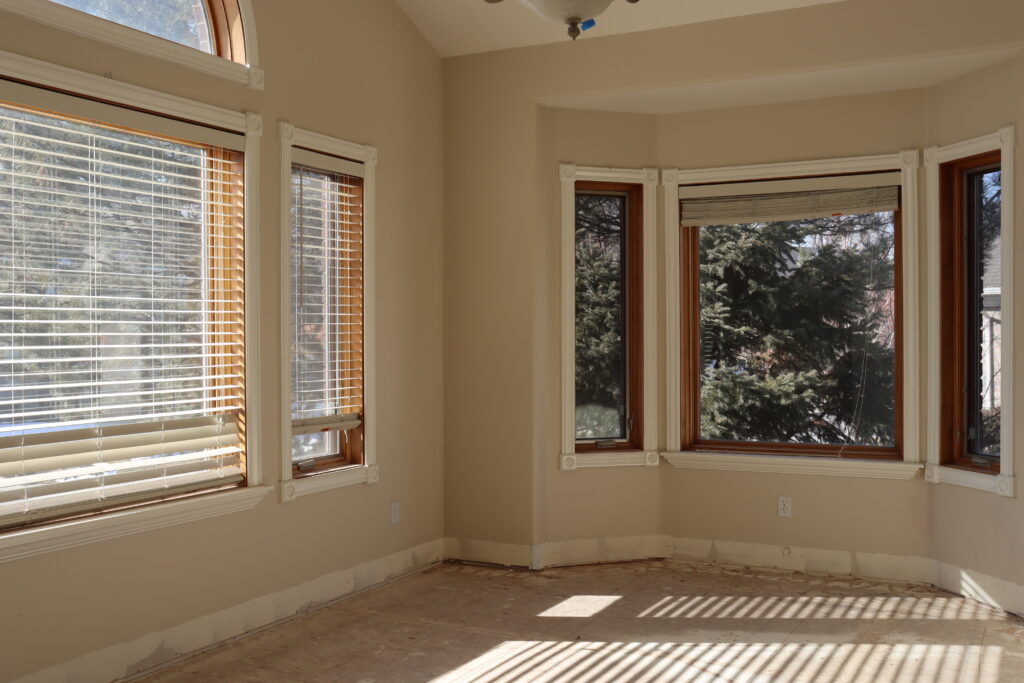
How to Maximize Basement ROI in Utah
- Design for flexibility: Offices, gyms, and guest rooms sell best.
- Add a bathroom: One of Utah’s biggest ROI multipliers.
- Pull permits: Unpermitted work kills resale value.
- Match the home’s quality: Overbuilding reduces returns.
- Use moisture-resistant materials: Longevity matters.
Maximizing basement ROI in Utah isn’t about adding the most features — it’s about making the right design and construction decisions that align with buyer expectations, appraiser standards, and long-term usability.
Design for Flexibility: The #1 ROI Rule in Utah
Flexible spaces consistently outperform highly specialized rooms in Utah’s market. Basements that can function as a home office today, a guest room tomorrow, and a teen hangout later appeal to the widest range of buyers.
Rooms that are too niche — such as overly themed media rooms or single-use hobby spaces — limit buyer imagination and reduce resale impact.
ROI insight: If a room can serve at least two purposes, it will almost always outperform single-use designs.
Add a Bathroom: One Upgrade That Almost Always Pays Off
In Utah, a basement bathroom is one of the strongest ROI multipliers you can add. Whether paired with a bedroom, office, or entertainment space, a bathroom dramatically increases usability and buyer confidence.
From an appraisal standpoint, bathrooms improve functional utility. From a buyer’s perspective, they eliminate inconvenience — especially for families and guests.
ROI insight: Even modest basement bathrooms often return more value than their proportional cost.
Pull Permits and Build to Code: Quietly Protect Your ROI
Permits aren’t exciting — but they are essential. In Utah, unpermitted basement work is one of the fastest ways to lose leverage during inspections and appraisals.
Proper permits reassure buyers, agents, appraisers, and lenders that the work was done correctly. They also reduce the risk of last-minute renegotiations or delayed closings.
ROI insight: Permitted work doesn’t just protect value — it protects your negotiating position.
Match the Home’s Quality: Don’t Overbuild the Basement
One of the most common ROI mistakes is overbuilding the basement relative to the rest of the home. Ultra-luxury finishes in an otherwise mid-range home rarely deliver proportional returns.
The highest-performing basements feel consistent with the main floor in finish level, materials, and design language.
ROI insight: Consistency beats luxury when it comes to resale value.
Use Moisture-Resistant Materials: Longevity = Value
Basements demand materials that can handle Utah’s seasonal moisture and temperature fluctuations. Flooring, wall systems, and trim should be selected with durability and longevity in mind.
Moisture-resistant materials not only reduce maintenance — they also protect against inspection concerns and long-term degradation that can hurt resale value.
ROI insight: Materials that last protect both your investment and buyer confidence.
Design With Appraisers in Mind
Appraisers value basements that feel intentional, compliant, and usable. Clear room definitions, proper ceiling heights, legal bedrooms, and integrated HVAC all contribute to stronger appraisals.
If a space feels ambiguous or compromised, it is often discounted — even if it looks attractive.
The Utah ROI Formula for Basements
The strongest basement ROI in Utah comes from a simple formula:
- Flexible layout
- Bathroom included
- Permitted construction
- Finish level aligned with the home
- Materials built to last
When these elements come together, finished basements consistently deliver both lifestyle value today and strong resale performance tomorrow.
Pro Tip: If ROI is your priority, the smartest move is designing your basement with resale in mind from day one — even if you plan to stay long-term.
So… Finished or Unfinished in Utah?
If you plan to live in your home for more than a couple of years, a finished basement almost always wins in Utah — financially and emotionally. You gain daily livability now and strong resale value later.
An unfinished basement, on the other hand, offers flexibility but very little payoff.
Pro Worx Construction specializes in Utah basement finishing designed for both lifestyle and resale value. Whether you want a simple upgrade or a full transformation, we help you invest where it actually counts.
Get a Free Utah Basement ROI Consultation
Frequently Asked Questions
Does a finished basement increase home value in Utah?
Yes. In Utah, most homeowners recoup approximately 70%–80% of the cost of a professionally finished basement at resale. In competitive markets, well-designed basements can also help homes sell faster and attract stronger offers.
The highest returns come from basements that feel like true living space — not add-ons — and include features buyers expect, such as proper lighting, climate control, and a bathroom.
Is a finished basement counted in square footage in Utah?
It depends on local regulations and appraisal guidelines. While finished basements are not always included in above-grade square footage, they still significantly impact buyer perception, appraisal comparisons, and final sale price.
In practice, Utah buyers compare homes based on usable living space — and finished basements strongly influence those comparisons, even when square footage is listed separately.
What basement features have the best ROI in Utah?
The strongest ROI features in Utah basements include:
- Bathrooms
- Legal bedrooms with egress
- Home offices
- Home gyms or flexible wellness spaces
- Open family or entertainment rooms
Features that are flexible and broadly appealing consistently outperform highly specialized or overly customized rooms.
Is it worth finishing a basement before selling in Utah?
In most cases, yes — provided the basement can be finished properly and within the neighborhood’s value range. A clean, neutral, permitted basement finish often shortens time on market and reduces buyer hesitation.
If the home will be listed very soon or structural issues exist, a professional assessment can help determine whether a full finish or targeted improvements make more sense.
Do unfinished basements hurt resale value in Utah?
Unfinished basements don’t always hurt value outright, but they often reduce buyer enthusiasm and negotiating power — especially in neighborhoods where finished basements are common.
Buyers typically subtract estimated renovation costs (and then some) from their offers, which can quietly suppress final sale price.
What permits are required to finish a basement in Utah?
Most Utah basement finishes require permits for framing, electrical, plumbing, HVAC, and egress windows when bedrooms are added. Permit requirements vary by city and county.
Proper permitting protects resale value, supports appraisals, and reduces inspection issues during a sale.
Can a basement bedroom count as a legal bedroom in Utah?
Yes — but only if it meets Utah safety and building code requirements, including proper egress window size, ceiling height, and ventilation.
Bedrooms that do not meet these requirements are typically classified as bonus rooms, which reduces their impact on value.
How much does it cost to finish a basement in Utah?
Most basement finishing projects in Utah range from $30,000 to $70,000, depending on size, ceiling height, plumbing access, and features such as bathrooms or bedrooms.
Mid-range finishes tend to deliver the strongest ROI compared to ultra-luxury builds.
Can Pro Worx help design a basement specifically for ROI?
Absolutely. Pro Worx Construction designs Utah basements with resale value, functionality, and long-term durability in mind.
Our approach balances budget, layout, permitting, and buyer expectations — so your basement works for you now and pays off later.
Additional Resources:
Top 10 Basement Renovation Ideas
Appraisal & Inspection Credibility
Appraisal Institute
🔗 https://www.appraisalinstitute.org/
International Association of Certified Home Inspectors
🔗 https://www.nachi.org/
Utah Department of Commerce
🔗 https://commerce.utah.gov/
International Residential Code
🔗 https://codes.iccsafe.org/content/IRC2021P2