
Not all basement foundation cracks in Utah are serious — but some absolutely are.
Utah’s expansive soils, freeze-thaw cycles, and rapid development across Utah County, Salt Lake County, and Davis County create real structural pressure on foundations.
So how do you know when a crack is cosmetic — and when it’s a serious structural warning?
The difference can mean the gap between a simple epoxy repair and a five-figure structural correction.
Why Foundation Cracks Are Common in Utah
Utah soil conditions are uniquely demanding on foundations. Much of the Wasatch Front sits on expansive clay soils that swell when saturated and contract during dry periods. That constant expansion and shrinkage places repeated stress on concrete foundation walls.
Add snow accumulation, spring runoff, irrigation systems, and sharp seasonal temperature swings — and even well-built homes experience some degree of movement over time.
Unlike warmer climates, Utah’s freeze/thaw cycles introduce another layer of pressure. When moisture around the foundation freezes, it expands. When it thaws, it contracts. That cycle repeats year after year.
- Expansive clay soil movement that pushes laterally against foundation walls
- Freeze/thaw pressure cycles that stress concrete during winter months
- Improper grading or drainage allowing water to pool near foundation walls
- Rapid new construction settlement in high-growth developments
- Inadequate soil compaction during build leading to uneven settling
- Heavy irrigation systems that oversaturate soil near the home
In fast-growing cities like Lehi, Herriman, and Riverton, rapid development means homes are often built quickly on newly graded land. Minor settlement cracks within the first 3–5 years are common as soil compacts and foundations stabilize.
In older hillside communities like Draper and Sandy, long-term soil pressure and grading shifts are more common — particularly where drainage systems have not been maintained or updated.
The key point: seeing a crack in a Utah basement isn’t unusual. But understanding why it formed — and whether the movement is still active — is what determines whether it’s cosmetic or structural.
Important: Hairline settlement cracks are common. Ongoing movement is not. The longer structural movement continues, the more expensive stabilization becomes — especially if you plan to finish your basement, refinance, or sell in the next few years.
Types of Foundation Cracks (And What They Mean)
Not all foundation cracks are created equal. Some are cosmetic and expected. Others signal structural pressure that should be evaluated before finishing your basement or listing your home.
Understanding the crack pattern is the first step toward determining risk level and repair urgency.
| Crack Type | Common Cause | Risk Level |
|---|---|---|
| Vertical Crack | Normal settlement | Low (if narrow & stable) |
| Horizontal Crack | Soil pressure / lateral movement | High |
| Stair-Step Crack (Block) | Foundation shifting | Moderate to High |
| Diagonal Crack | Uneven settling | Moderate |
| Floor Slab Crack | Shrinkage or settlement | Low to Moderate |
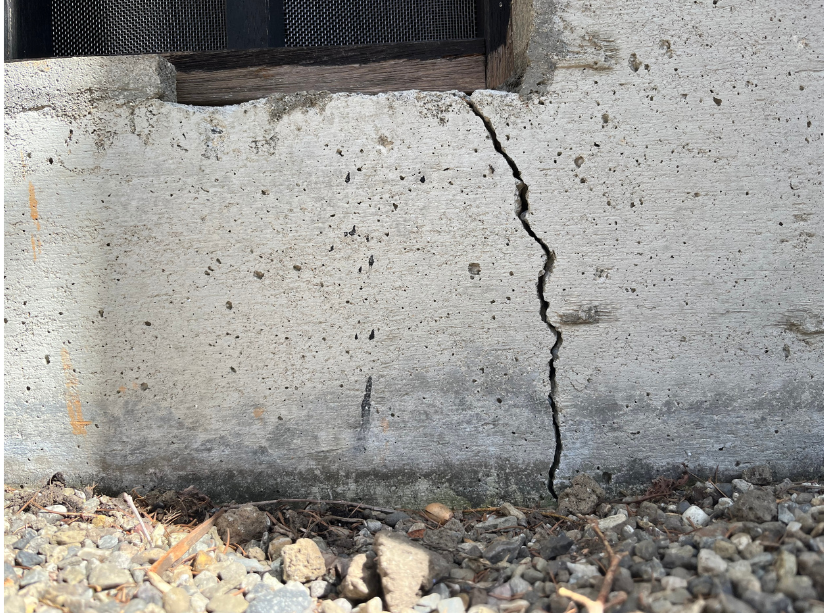
1. Vertical Cracks
Vertical cracks are the most common in Utah basements. They typically form as concrete cures or as the home settles during the first few years.
If the crack is hairline (less than 1/8 inch), not widening, and not leaking water, it’s often cosmetic. These are frequently seen in newer homes in Lehi and Herriman during early settlement.
2. Horizontal Cracks
Horizontal cracks are more serious. They usually indicate lateral soil pressure pushing against the foundation wall.
In Utah’s clay-heavy soils, saturated ground can exert significant outward pressure. If a horizontal crack is widening, bowing, or leaking, it should be evaluated promptly.
High-Risk Sign: If you can see visible wall bowing or feel movement when pressing on the wall, do not delay professional evaluation.
3. Stair-Step Cracks (Block Foundations)
Common in older block foundations in Draper and Sandy, stair-step cracks follow mortar joints and indicate differential settlement.
These may start small but can worsen if soil pressure continues unevenly.
4. Diagonal Cracks
Diagonal cracks often appear near corners of windows or doors and usually signal uneven settling beneath the foundation footing.
5. Floor Slab Cracks
Basement floor cracks are common and often cosmetic — especially shrinkage cracks formed as concrete cures. However, if cracks are wide, offset (one side higher than the other), or allow moisture intrusion, further evaluation may be needed.
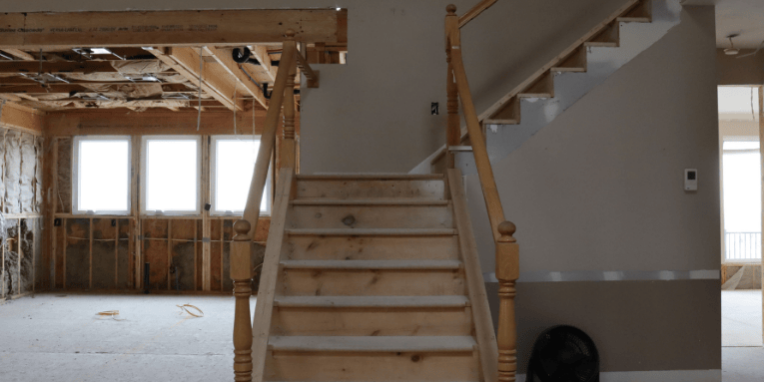
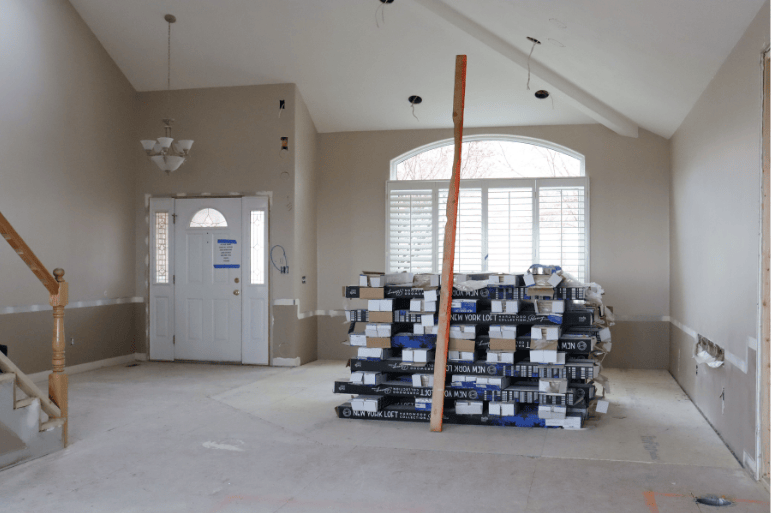
Before starting a basement remodel or finishing project, it’s important to confirm that cracks are stable and not actively widening. Covering an active structural issue with drywall can create larger repair costs later.
When Should You Be Concerned?
Not every crack requires structural repair — but some absolutely do. The key isn’t whether a crack exists. It’s whether movement is ongoing or pressure is increasing.
You should schedule a professional evaluation if you notice any of the following:
- Cracks wider than 1/4 inch
- Horizontal cracks in poured concrete walls
- Bulging or bowing foundation walls
- Stair-step cracks widening over time
- Doors or windows sticking upstairs (sign of structural shift)
- Water intrusion through the crack
- Visible expansion over weeks or months
Warning Sign: If cracks are accompanied by moisture, wall bowing, or interior finish separation, evaluation should not be delayed. Structural pressure rarely improves on its own.
If you’re planning a basement remodel, foundation integrity should always be evaluated before framing begins. Finishing over active structural movement can lead to:
- Drywall cracking after installation
- Flooring separation or tile fractures
- Water infiltration behind finished walls
- Failed inspections during refinance or resale
Addressing structural movement early is almost always more affordable than repairing finished basement materials later.
How Much Does Foundation Crack Repair Cost in Utah? (2026)
Foundation crack repair costs in Utah vary widely depending on whether the crack is cosmetic, structural, or caused by ongoing soil pressure.
The key difference isn’t the crack itself — it’s whether movement has stopped or is still active.
| Repair Type | Estimated Cost (2026) | When It’s Used |
|---|---|---|
| Epoxy / Polyurethane Injection | $500–$1,500 | Hairline or vertical cracks with no active movement |
| Carbon Fiber Reinforcement | $2,500–$5,000 | Horizontal cracks with mild lateral pressure |
| Structural Wall Stabilization | $7,000–$20,000+ | Bowing walls, severe pressure, foundation shift |
Epoxy or Polyurethane Injection ($500–$1,500)
Used primarily for non-structural vertical cracks. These injections seal the crack and prevent moisture intrusion but do not correct ongoing movement.
Common in newer homes in Lehi and Herriman experiencing early settlement.
Carbon Fiber Reinforcement ($2,500–$5,000)
Carbon fiber straps are installed along interior walls to prevent further bowing from soil pressure. This is typically recommended when horizontal cracking is present but wall deflection is still minimal.
Often seen in areas with expansive clay soils like Draper and Sandy.
Structural Wall Stabilization ($7,000–$20,000+)
When walls are actively bowing or shifting, more aggressive stabilization may be required. This can include steel braces, helical piers, or exterior excavation to relieve soil pressure.
Costs increase significantly if interior finishes must be removed during a basement remodel or if landscaping and hardscape require excavation.
Cost Reality: Early stabilization is almost always less expensive than repairing finished drywall, flooring, and cabinetry after movement continues.
In Utah County, Salt Lake County, and Davis County, repair pricing also depends on:
- Foundation type (poured concrete vs block)
- Soil moisture conditions
- Depth of excavation required
- Drainage correction needs
- Permit requirements
- Whether repairs are done before or after finishing
If you’re planning to refinance, sell, or finish your basement within the next few years, having cracks evaluated before listing or construction protects both your timeline and your equity.
Will Foundation Cracks Affect Resale or Refinancing?
Yes — especially if the cracks indicate active structural movement.
Hairline cosmetic cracks rarely derail a transaction. But horizontal cracks, wall bowing, moisture intrusion, or visible shifting can absolutely raise red flags during appraisal or inspection.
- Can trigger appraisal adjustments if structural integrity is questioned
- May delay or complicate refinancing if lenders require structural evaluation
- Can impact insurance underwriting or renewal
- May require formal disclosure during sale under Utah property condition reporting
- Can reduce buyer confidence even if repairs are minor
Appraisers compare homes based on condition, structural integrity, and market risk. If a foundation issue appears unresolved, the property may be:
- Adjusted downward in value
- Conditioned on repair prior to funding
- Flagged for engineer inspection
In competitive Utah markets like Lehi, Draper, and Sandy, buyers are increasingly cautious about foundation movement — especially in homes with finished basements.
Even if the issue is minor, visible cracks can slow negotiations or create leverage for buyers to request price reductions.
Smart Move: Having cracks evaluated and documented before listing or refinancing gives you control of the narrative — instead of reacting under contract pressure.
If you’re planning to finish your basement before selling, refinance in the next 12–24 months, or convert space into a rental unit, addressing foundation concerns early protects both equity and timeline.

Should You Fix Foundation Cracks Before Finishing a Basement?
Yes. Always.
Finishing a basement over active foundation movement is one of the most common — and most expensive — mistakes homeowners make.
Drywall hides cracks. Flooring hides slab separation. Insulation hides moisture intrusion. But structural pressure does not stop just because it’s covered.
During a proper basement remodel timeline, foundation integrity should always be evaluated before framing and interior finishes begin.
If movement continues after finishing, you may face:
- New drywall cracking within months
- Tile or LVP flooring separation
- Trim pulling away from walls
- Moisture damage behind finished surfaces
- Costly demolition to access the structural issue
Addressing foundation concerns first protects your investment — especially if you’re converting space into a legal bedroom, rental unit, or planning to sell in the next few years.
Financial Reality: Repairing structural movement before finishing is almost always less expensive than tearing out completed basement finishes later.
Bottom line: Cosmetic cracks are common. Structural cracks are expensive if ignored — especially once your basement is finished.

Foundation Crack FAQs (Utah 2026)
Are foundation cracks normal in Utah homes?
Yes — minor vertical hairline cracks are common due to normal settlement and Utah’s expansive clay soils. However, horizontal cracks, stair-step cracks, bowing walls, or cracks that continue widening over time should be professionally evaluated.
How wide is too wide for a foundation crack?
As a general rule, cracks wider than 1/4 inch warrant evaluation. Even smaller cracks should be monitored if they are growing, leaking water, or accompanied by wall movement or sticking doors and windows.
Are horizontal foundation cracks serious?
Yes. Horizontal cracks often indicate lateral soil pressure against the foundation wall. In Utah’s clay-heavy soils, this can signal bowing or structural stress and should be inspected promptly.
Can foundation cracks cause water leaks?
Yes. Even small cracks can allow moisture intrusion during heavy rain, irrigation cycles, or spring snowmelt. Over time, moisture can damage insulation, drywall, flooring, and framing if left untreated.
Do foundation cracks get worse over time?
Some settlement cracks stabilize naturally. However, cracks caused by ongoing soil pressure or drainage issues may widen or lead to wall bowing if not addressed. Monitoring crack width over several months can help determine whether movement is active.
Will foundation cracks affect a home appraisal in Utah?
They can. Appraisers and buyers may request further inspection if cracks appear structural. Addressing and documenting repairs before listing or refinancing can help prevent delays or value adjustments.

Not Sure If Your Cracks Are Structural?
Most Utah homeowners aren’t structural engineers — and they shouldn’t have to be.
Some cracks are normal settlement. Others signal ongoing soil pressure that can affect finishing plans, resale timing, or refinancing approval.
The difference isn’t always obvious from a quick visual glance.
- We evaluate crack pattern and width
- We check for wall deflection or pressure
- We assess drainage and soil exposure
- We determine whether movement is active or stable
- We help you decide if repair is necessary — or simply preventative
Smart Planning: If you’re finishing a basement in Lehi, remodeling in Draper, or preparing to sell in Sandy or Herriman, verifying structural stability early protects your budget and timeline.
A short evaluation today can prevent structural surprises after drywall is installed — or during a buyer’s inspection.
Concerned About Foundation Cracks?
We evaluate structural conditions before finishing basements across Lehi, Draper, Herriman, Riverton, and Sandy.
Protect your investment before cosmetic finishes hide structural risks.