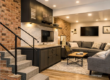

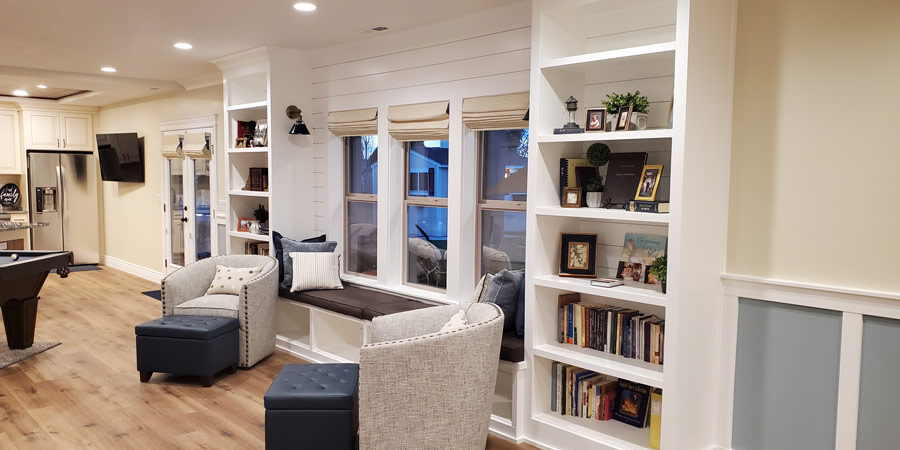
If your basement’s currently a concrete cave with exposed pipes, a forgotten treadmill, and the unmistakable smell of cardboard — you’re sitting on wasted potential.
Finishing your basement is one of the smartest ways to unlock livable space without doing a full-blown addition. But let’s be real: the first question on every Utah homeowner’s mind is the same:
“What’s this actually going to cost me?”
We’ve got you covered. In this guide, we’ll break down the real costs of finishing a basement in Utah, the factors that impact your budget, room-by-room breakdowns, hidden fees, permit costs by city, real examples from local projects, and how to budget like a pro — even if you’re not building tomorrow.
Let’s dig in.
Average Cost to Finish a Basement in Utah (2026)
Here’s what we typically see across Utah for standard basement finishing projects, based on layout, utilities, and finish level:
| Finish Level | Typical Project Scope | Estimated Cost Range (2026) |
|---|---|---|
| Basic Finish | One open living space, flooring, paint, lighting, minimal electrical | $35,000 – $50,000 |
| Mid-Range Finish | Living area, bathroom, office or bedroom, storage, upgraded lighting | $50,000 – $70,000 |
| High-End Finish | Guest suite, wet bar or kitchenette, theater, custom finishes | $75,000 – $110,000+ |
How to Read These Numbers
-
Basic = functional, clean, no plumbing additions
-
Mid-range = most common Utah basement projects
-
High-end = plumbing-heavy, permit-intensive, lifestyle spaces
If your project includes multiple bathrooms, a kitchenette, egress windows, or structural changes, expect to land at the top of — or above — these ranges.
Quick Utah-Specific Note
In Utah County and Salt Lake County, mid-range projects are now the norm.
In Summit County, labor access and inspections can push pricing higher.
Finished Basement vs Apartment vs ADU: Cost Comparison (2026)
Not all basement renovations are priced the same. The biggest cost jumps happen when plumbing, kitchens, and code requirements come into play.
| Basement Type | Typical Use | What’s Included | Estimated Cost Range (2026) |
|---|---|---|---|
| Finished Basement | Family room, office, gym, play space | Dry living areas, lighting, flooring, basic electrical | $35,000 – $70,000 |
| Basement Apartment | Long-term rental or in-law suite | Bedroom, bathroom, kitchenette or full kitchen, egress | $75,000 – $120,000+ |
| ADU-Style Basement | Income unit or separate dwelling | Full kitchen, bathroom(s), private entry, code compliance | $90,000 – $150,000+ |
Apartment and ADU-style basements cost more because they must meet stricter plumbing, electrical, fire, and egress requirements — not because of square footage alone.
Room-by-Room Cost Breakdown (Utah, 2026)
Want a more detailed look at where your budget actually goes? Here’s what we typically see in Utah when homeowners add specific rooms or features to a basement renovation.
| Room Type | Typical Cost Range (2026) | What’s Included |
|---|---|---|
| Living Room / Rec Area | $15,000 – $25,000 | Framing, drywall, flooring, lighting, basic electrical |
| Bathroom | $10,000 – $20,000 | Plumbing, fixtures, waterproofing, ventilation |
| Bedroom | $8,000 – $15,000 | Framing, drywall, closet, egress window required |
| Laundry Room | $6,000 – $12,000 | Plumbing hookups, venting, drainage, electrical |
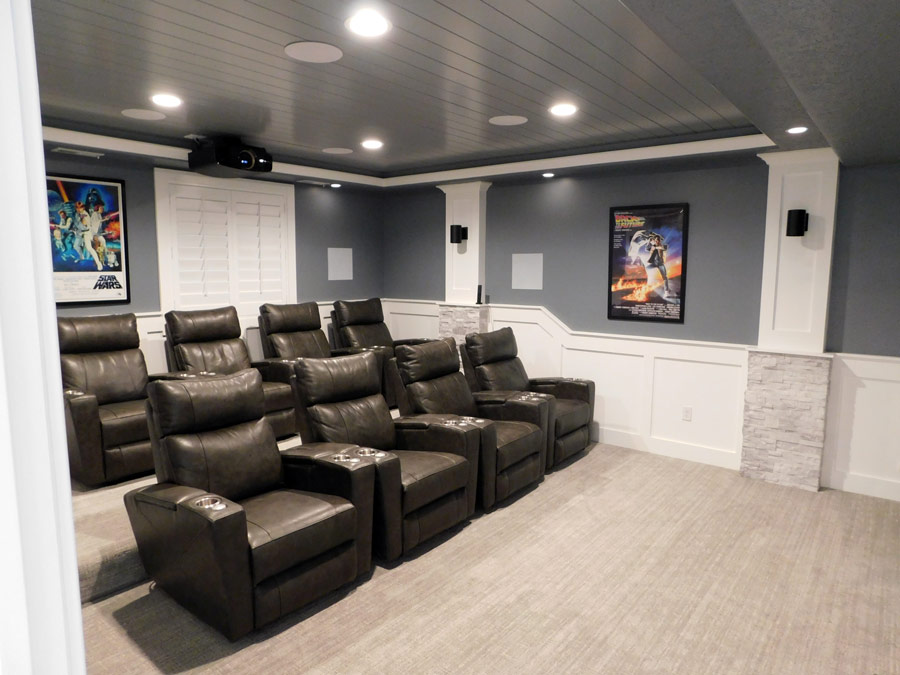
| Home Theater Setup | $12,000 – $30,000+ | AV wiring, soundproofing, lighting, seating prep |
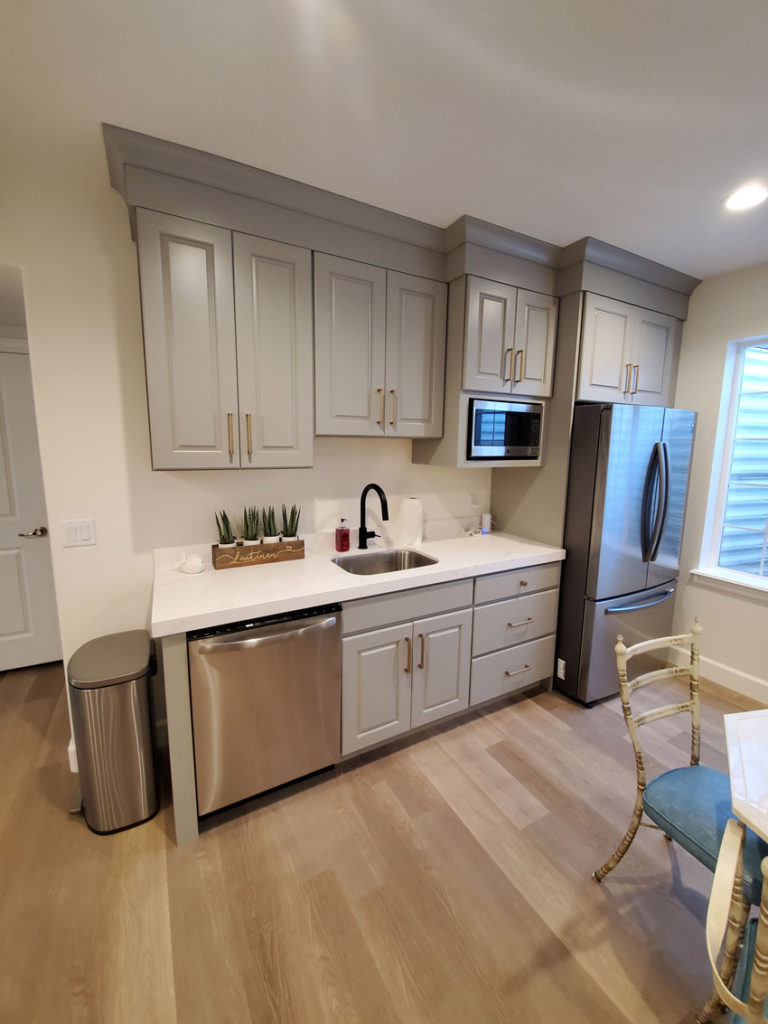
| Wet Bar / Kitchenette | $12,000 – $20,000 | Cabinets, countertops, plumbing, appliances |
How to Use This Table
These costs are additive, not all-inclusive. For example:
-
A finished basement with a living area plus a bathroom and bedroom will land higher than a single open space.
-
Specialty rooms like theaters and wet bars often push projects into the mid-range or high-end category due to electrical and plumbing requirements.
This breakdown is meant to help you prioritize features — not lock in a final price.
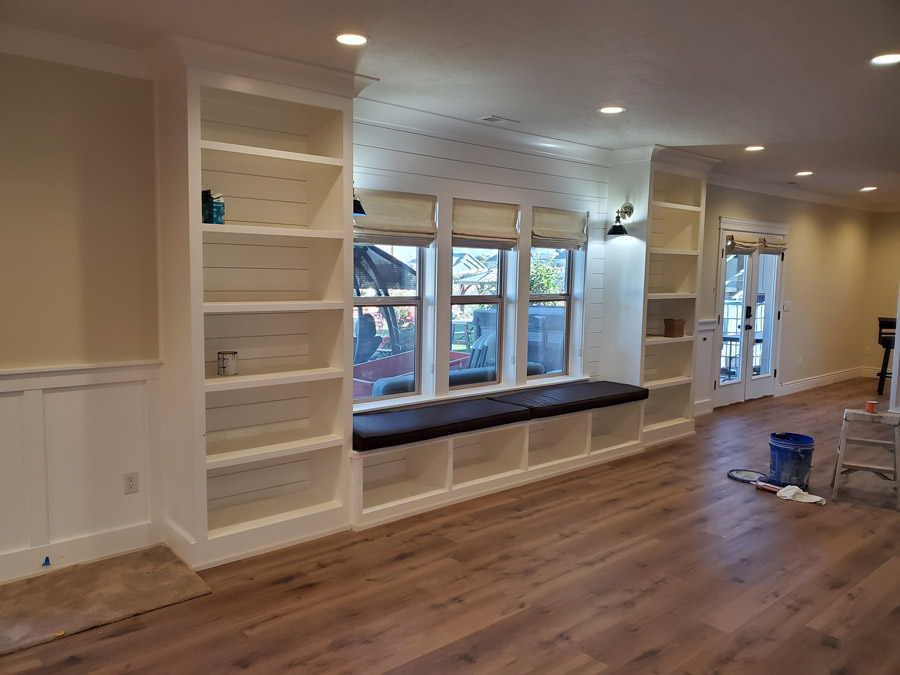
How to Budget for Your Utah Basement Finish (2026)
Even if you’re not ready to start construction this year, here’s how to build a realistic basement renovation budget in Utah — without getting blindsided later.
1. Start With a Range — Then Work Backward
For 2026, a more realistic planning range is:
-
$50–$70 per square foot for a standard finished basement
-
$75–$110+ per square foot for higher-end finishes or plumbing-heavy layouts
So if your basement is 1,000 sq ft, a safe planning range looks like:
-
$50,000–$70,000 for a mid-range finish
-
$75,000+ if you’re adding bathrooms, a kitchenette, or custom features
If you’re adding:
-
Bathroom: +$8,000–$18,000
-
Wet bar or kitchenette: +$10,000–$20,000
Planning low almost always leads to change orders. Planning with a range gives you flexibility.
2. Break Your Budget Into Categories
Here’s how a typical Utah basement renovation budget breaks down in 2026:
| Category | Budget % Range |
|---|---|
| Framing & Drywall | 15–20% |
| Flooring | 10–15% |
| Electrical & Lighting | 12–15% |
| HVAC & Insulation | 10–12% |
| Bathroom Plumbing | 10–15% (if included) |
| Permits & Inspections | 4–7% |
| Finishes & Fixtures | 15–20% |
| Contingency Fund | 5–10% |
Pro Tip: Always reserve at least 5–10% for surprises — panel upgrades, code corrections, or outdated mechanicals are common in Utah basements.
3. Get Pre-Qualified If You’re Financing
Before you finalize your design, talk to your lender about:
-
Home equity lines (HELOCs)
-
Home improvement loans
-
Construction loans (if bundling with an upstairs renovation)
Knowing your financing range early helps avoid redesigns later.
4. Prioritize Your Must-Haves First
Start your budget around what matters most:
-
Bathroom vs no bathroom
-
Guest suite vs open rec space
-
Storage vs finished rooms
Once your must-haves are covered, layer in upgrades based on what’s left — not the other way around.
What Actually Impacts Basement Renovation Costs in Utah (2026)
If you’ve compared basement renovation quotes and wondered why the numbers are all over the place, it’s not random — and it’s not contractors “making it up.” In Utah, basement costs are driven by a handful of variables that most online calculators completely miss.
1. Plumbing & Wet Areas
Any basement that includes:
-
Bathrooms
-
Kitchenettes or full kitchens
-
Wet bars
-
Laundry hookups
will see a meaningful jump in cost. Plumbing rough-ins, drain lines, venting, inspections, and concrete work add complexity quickly — especially in older Utah homes.
Typical cost impact: +$8,000–$25,000+
2. Electrical Load & Panel Capacity
Basements in 2026 aren’t just spare rooms. They’re theaters, gyms, offices, guest suites, and rental units — all of which demand more power than many homes were originally designed for.
Common upgrades include:
-
Electrical panel upgrades
-
Dedicated circuits
-
EV-ready, sauna, or theater circuits
Typical cost impact: +$3,000–$12,000
3. Ceiling Height & Structural Constraints
Low ceilings limit lighting, HVAC routing, and overall comfort. To improve usability, homeowners often choose to:
-
Re-route ductwork
-
Modify soffits
-
Adjust framing to gain headroom
These changes are possible — but they add real cost.
Typical cost impact: +$5,000–$20,000+
4. Egress Windows & Code Compliance
Bedrooms and apartment-style basements must meet Utah egress code. That typically involves:
-
Cutting concrete foundation walls
-
Installing window wells and drainage systems
-
Permits and inspections
Typical cost impact: +$6,000–$15,000 per egress window
5. Insulation, Soundproofing & Moisture Control
Utah’s climate makes proper basement insulation non-negotiable. Most finished basements in 2026 include:
-
High-R insulation
-
Sound-dampening walls
-
Moisture mitigation systems
This is one of the most common places homeowners regret cutting corners.
Typical cost impact: +$4,000–$10,000
6. Existing Permit Status
One of the biggest hidden variables is whether prior basement work was properly permitted.
Unpermitted or partially completed work often must be corrected before new construction can move forward — even if everything “looks fine.”
Cost impact: Varies widely, from minor fixes to major rework.
Permit Requirements by City (Typical Ranges)
Basement Renovation Cost Per Square Foot in Utah (2026)
Square footage alone doesn’t determine price, but these ranges help set realistic expectations:
-
Cosmetic refresh only: $75 – $110 per sq ft
-
Mid-range finished basement: $120 – $160 per sq ft
-
High-end or apartment build: $170 – $250+ per sq ft
Two basements of the same size can differ by tens of thousands of dollars depending on plumbing, layout, ceiling height, and code requirements.
A Reality Check Before You Budget
-
Under $25,000 usually means surface-level updates only
-
$30,000–$50,000 covers a solid, functional living space
-
$60,000+ typically includes plumbing, structural work, or higher-end finishes
-
$90,000+ projects are often income-producing apartments or guest suites
If the space will be lived in daily — or rented — shortcuts almost always cost more later.
Why Online Estimates Are Only a Starting Point
Online pricing guides can’t account for:
-
Your home’s layout and ceiling height
-
Local permitting and inspection requirements
-
Existing electrical and plumbing capacity
-
How you actually plan to use the space
A professional evaluation is the only way to get a number you can confidently plan around.
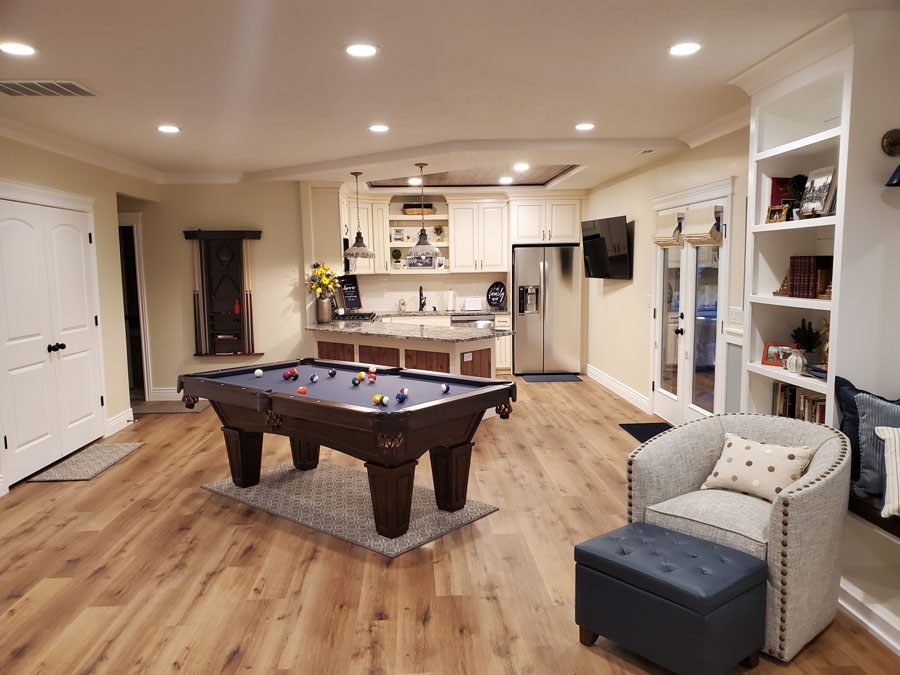
Building in Phases: A Smart Budget Strategy (2026)
If you’re not ready to invest $60,000+ all at once, a phased approach lets you spread costs over time while still building a basement that works long-term.
The key is doing the right work first, so later upgrades don’t require rework.
Phase 1: Core Finishing (Approx. $30,000–$45,000)
This phase creates usable, code-compliant living space and forms the foundation for everything else.
Includes:
-
Framing, insulation, and drywall
-
Basic electrical and lighting
-
One large open-plan living area
-
Rough-ins planned for future bathrooms or wet bars
Doing rough-ins now saves thousands later, even if fixtures are added in Phase 2 or 3.
Phase 2: Add Functionality (Approx. $15,000–$30,000)
Once the space is livable, this phase adds daily-use features.
Common upgrades:
-
Bathroom or laundry area
-
Built-in storage, closets, or cabinetry
-
Flooring, trim, and finish carpentry
-
Home office or bedroom build-out
This is where most basements move from “finished” to “fully functional.”
Phase 3: Premium Upgrades (Approx. $15,000–$35,000+)
This phase is about comfort, customization, and lifestyle.
Popular additions:
-
Wet bar or kitchenette
-
Decorative finishes and built-ins
-
Smart lighting, audio, and automation
Because the groundwork is already done, these upgrades are easier — and less disruptive — to add later.
Why Phasing Works So Well in Utah
-
It spreads cost without cutting corners
-
It avoids tearing out finished work later
-
It allows budgets to adapt as priorities change
A phased approach is especially smart in Utah homes where permits, inspections, and seasonal scheduling can affect timelines.
Hidden Costs to Watch For (Utah, 2026)
Even well-planned basement projects can run into unexpected costs. These are some of the most common budget disrupters we see in Utah homes:
-
Radon mitigation systems — often required after testing, especially in newer developments
-
Sump pump installation or drainage upgrades — critical in homes with water intrusion risks
-
Out-of-code framing or structural corrections — common in partially finished or older basements
-
Electrical panel upgrades — needed when adding theaters, gyms, or apartments
-
Asbestos or lead abatement — primarily in older homes, but still a real factor
Factoring these in early helps prevent surprise change orders once work is underway.
Is It Cheaper to DIY a Basement Remodel?
Short answer: sometimes — but not always.
DIY Pros
-
Lower upfront labor costs
-
Flexible scheduling
-
Personal satisfaction from hands-on work
DIY Cons
-
Slower project timelines
-
Higher risk of code violations or failed inspections
-
Potential rework costs if mistakes are discovered later
DIY can make sense for cosmetic tasks, but electrical, plumbing, and structural work often cost more to fix than to do correctly the first time.
One Utah homeowner contacted us halfway through a DIY drywall project — after realizing every sheet had been installed upside down. We stepped in and got the project back on track.
What’s Worth the Extra Spend in a Basement Remodel (2026)
If you’re going to spend more in a few areas, make it where comfort, durability, and long-term value actually show up.
Soundproofing & Insulation
Proper insulation does more than regulate temperature. It controls noise, improves energy efficiency, and makes basement spaces feel like real living areas — not afterthoughts.
Durable Flooring (LVP or Tile)
Basements are more prone to moisture. High-quality luxury vinyl plank (LVP) or tile holds up better than carpet and requires far less maintenance over time.
Lighting Design (Not Just Fixtures)
Thoughtful lighting — layered recessed lighting, accent lighting, and dimmers — dramatically changes how a basement feels. Good lighting makes low ceilings feel higher and rooms feel larger.
Smart Storage Solutions
Built-ins, under-stair storage, and custom closets prevent clutter and protect resale value. Storage is one of the most requested features by Utah homeowners.
A Full Bathroom
If your basement will be used daily, host guests, or generate rental income, a full bathroom is almost always worth the added cost. It increases usability, resale appeal, and long-term flexibility.
These upgrades tend to pay off both in day-to-day comfort and when it’s time to sell.
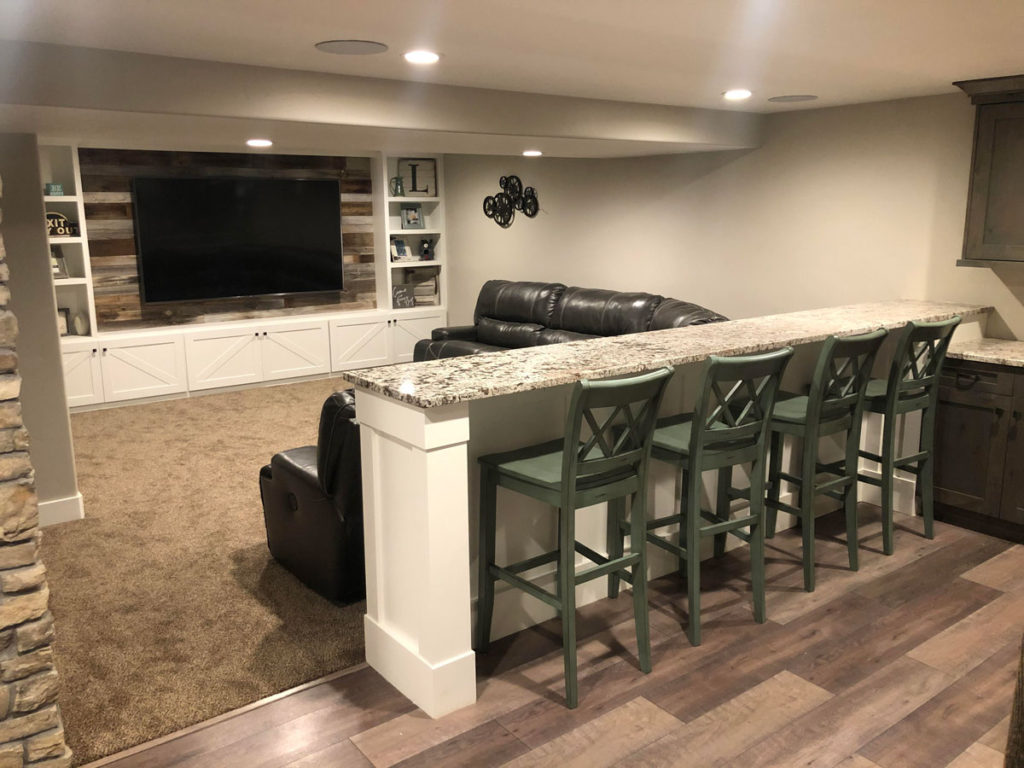
Real Utah Basement Projects (2026 Costs & Details)
Below are examples of recent basement renovations across Utah. These illustrate how scope, layout, and features directly affect total cost.
Lehi — Open-Plan Recreation Room
-
Size: 850 sq ft
-
Scope: One large open living area, closet storage, basic lighting, carpet flooring
-
Finish Level: Basic
-
Total Cost: $42,500
Why this price: No plumbing additions, simple layout, and minimal electrical kept costs lower while still creating usable living space.
Sandy — Family Lounge + Bathroom
-
Size: 1,100 sq ft
-
Scope: Living area, office nook, full bathroom, LVP flooring
-
Finish Level: Mid-range
-
Total Cost: $62,800
Why this price: Adding a full bathroom and upgraded flooring increased plumbing and electrical scope, pushing this project into mid-range territory.
Draper — Guest Suite + Theater + Wet Bar
-
Size: 1,400 sq ft
-
Scope: Bedroom with egress, full bathroom, home theater, wet bar
-
Finish Level: High-end
-
Total Cost: $96,500
Why this price: Multiple plumbing zones, soundproofing, AV wiring, and upgraded finishes significantly increased complexity and cost.
What These Examples Show
-
Square footage alone doesn’t determine cost
-
Plumbing, egress, and specialty rooms drive pricing
-
Most Utah projects land in the mid-range to high-end once functionality is added
FAQs: Basement Finishing Costs in Utah
What’s the cheapest way to finish a basement? Stick with open layouts, skip the bath, go with basic finishes.
Is it cheaper in winter or summer? Costs are stable year-round, but availability can shift.
Do I need permits? Yes — and we handle the process for you. Make sure your contractor is licensed through Utah DOPL before you start your basement remodel.
Will it raise my home value? Yes. Finished basements add 15–20% resale value in Utah.
Can I do part of it myself? You can, but DIY mistakes can get costly if they fail inspection.
Final Word: Make Your Basement Work for You
Whether you’re planning a cozy rec room, a full guest suite, or just a better storage setup, we’ll help you build it smart, stay on budget, and avoid surprises.
Get your free quote or explore our Utah Basement Gallery to get inspired.
If you are looking for inspiration ideas to transform your basement check out our latest blog here!