
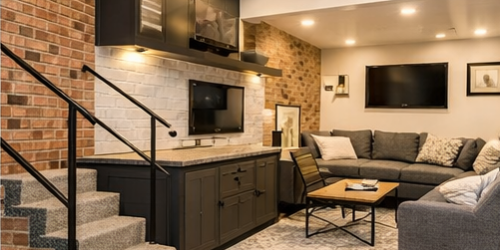
If you’re staring at a concrete skeleton under your house and wondering what it’ll cost to turn it into a living space, you’ve probably seen some wild numbers online. In Utah, the “average” cost is a moving target, especially with the labor and material shifts we’ve seen heading into 2026. Whether you’re in a rambler in Lehi or a 1910 villa in Salt Lake, the math usually comes down to one metric: Cost Per Square Foot.
“What is the real price to finish a basement in Utah in 2026?”
The short answer? $50 to $110 per square foot. But that’s a massive range. If you just want four walls and a carpet for a playroom, you’re at the bottom end. If you’re building a legal ADU (Accessory Dwelling Unit) with a kitchen and a bathroom to offset a 7% mortgage, you’re pushing into the triple digits. In a market where housing density is skyrocketing, understanding these tiers is your biggest financial lever.
We’ve analyzed the 2026 construction data and local supply chain trends to give you the real breakdown—the framing costs, the plumbing “tax,” and the blunt truth about what fits your budget.
Here is why your choice of finishes dictates your home’s value for the next decade.
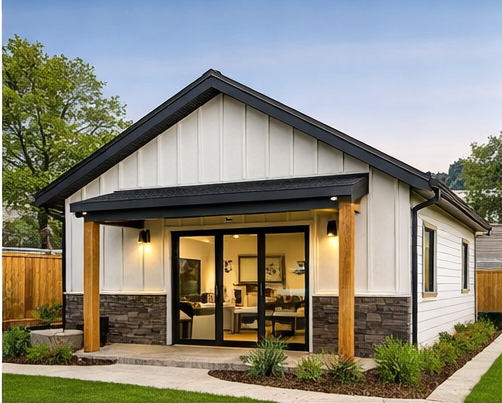
The 2026 Breakdown: Tiers of Investment
In Utah, a basement remodel is defined by its intended use. We see a clear split between “lifestyle” basements and “income” basements. You aren’t just buying drywall; you’re buying potential. It changes the entire “vibe” from a storage area to a legitimate second floor or a secondary revenue stream.
The biggest driver in 2026 is material stability. While wood and steel prices have leveled, specialized labor—plumbers and electricians—remains at a premium. This means your square foot cost is heavily front-loaded by the number of “wet” rooms (bathrooms/kitchens) you add to the plan.
The “Rough-In” Factor
Standard new builds in Utah usually come with bathroom rough-ins. If you have these, your cost per square foot drops. If we have to jackhammer your slab to move a toilet six feet to the left, you’re looking at a “concrete tax” that doesn’t show up in basic online calculators.
The Lighting & Electrical Load
Modern basements in 2026 aren’t just one bulb in the middle of a room. Between dedicated theater circuits, EV chargers in the garage (often wired through the basement), and smart-home hubs, your electrical sub-panel is a major cost center that averages $2,500 to $4,500 before the first pot light is installed.
The Insulation Reality
Living in Utah means dealing with massive temperature swings. In 2026, building codes have tightened around R-values. Spray foam vs. batts can change your comfort levels and your utility bills by 30%. It’s the “hidden” cost per square foot that pays for itself in about four Utah winters.
| Remodel Level | Avg. Cost Per Sq. Ft. (2026) | Best Use Case |
|---|---|---|
| The Basic Finish | $50 – $65 | Playrooms, basic storage, or a generic home gym. |
| The Family Suite | $70 – $90 | 3/4 Bathroom, 1-2 Bedrooms, and a dedicated laundry area. |
| The Legal ADU/Apartment | $95 – $120+ | Full kitchen, separate entrance, Fire/Life safety code upgrades. |
| The Entertainment Pro | $110 – $150 | High-end wet bar, soundproofed theater, and custom cabinetry. |
The “Code Compliance” Check-Off
If your goal is to add legal bedrooms, the square foot cost increases due to egress requirements. In Utah, you can’t just put a bed in a room and call it a bedroom—the city will flag it during a sale or appraisal.
| Requirement | Estimated Cost (2026) | Why It Costs This |
|---|---|---|
| Egress Window Well | $3,500 – $5,500 | Excavation, concrete cutting, and safety ladder install. |
| HVAC Zoning | $2,000 – $4,500 | Second thermostat and dampers to prevent the “basement freeze.” |
| Plumbing Tie-in | $1,500 – $3,500 | Connecting new lines to existing main stack. |
| Fire-Blocking | $800 – $1,500 | Required by Utah code to prevent fire spread between floors. |
- The ADU Multiplier: Adding a kitchen is the single biggest “jump” in cost per square foot, usually adding $15,000 to $25,000 to the total bill.
- Resale Velocity: In 2026, homes with “Move-in Ready” basements sell 20 days faster on average in Salt Lake County.
- The “Height” Tax: If your ceiling is under 8 feet, plumbing and HVAC bulkheads become more expensive to hide elegantly.
Pro Tip: Before you sign a contract, ask for a line-item breakdown. If a contractor gives you a flat “per square foot” price without seeing your electrical panel or plumbing rough-ins, they are likely hiding a massive “change order” in your future.
Want a precise line-item quote for your Utah basement?
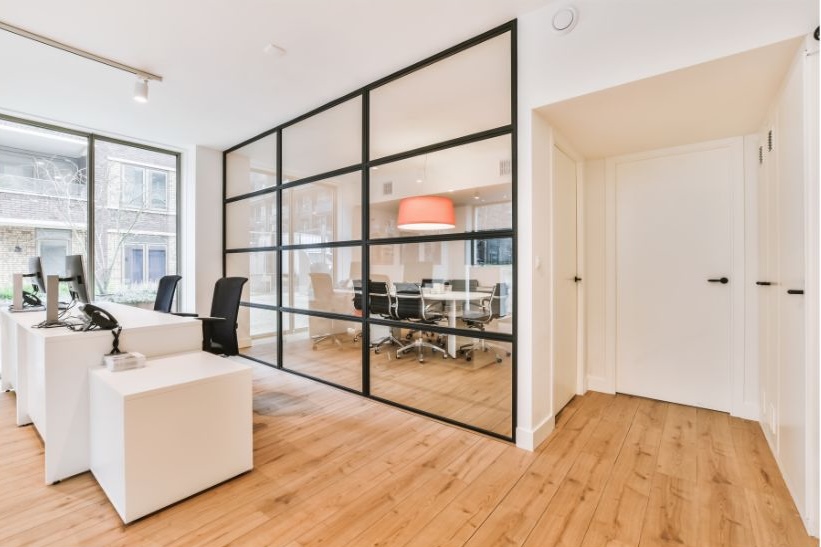
2026 Market Snapshot: The ROI of the Remodel
If you’re looking at your basement as a financial vehicle, you need to understand the appraisal spread. In Utah, finished basement square footage doesn’t value exactly like main-floor footage, but in 2026, the gap is closing. As land becomes scarcer in the Wasatch Front, building “down” is often more profitable than building “out.”
| Market Metric (Utah 2026) | Basic Finish | High-End/ADU Finish |
|---|---|---|
| Est. Total Project Cost | $45,000 – $65,000 | $85,000 – $130,000 |
| Immediate Equity Bump | ~65% of Project Cost | ~85% of Project Cost |
| Monthly Rental Income | N/A | $1,400 – $2,200 (Utah County) |
| “Days on Market” Impact | Neutral | High (Accelerated Sale) |
The data tells a clear story: You pay more up front for the ADU tier, but you recover significantly more at the finish line through income. If you’re building in Silicon Slopes or Downtown SLC, that monthly rental income often covers 40% of a modern mortgage, making the $100/sq ft price tag a bargain in the long run.
Regional Price Variances
In 2026, where you build in Utah changes your labor costs. While materials are consistent, “trade availability” creates local price bubbles. Here is what we’re seeing across the Wasatch Front:
| Utah Region | Avg. Labor Premium | Reason for Variance |
|---|---|---|
| Salt Lake County (Central) | +10% | Historic home complexity and parking/logistics for crews. |
| Utah County (Lehi/Provo) | +15% | High demand and scarcity of available master plumbers/electricians. |
| Davis/Weber County | Baseline | More competitive labor market and standard newer foundations. |
Blunt Truth: Don’t try to “beat the market” with a $30/sq ft handyman quote. In 2026, the cost of remediating unpermitted or poor-quality work is 3x the original cost. If you can’t afford a professional finish now, it’s better to wait and save than to risk your home’s structural integrity.
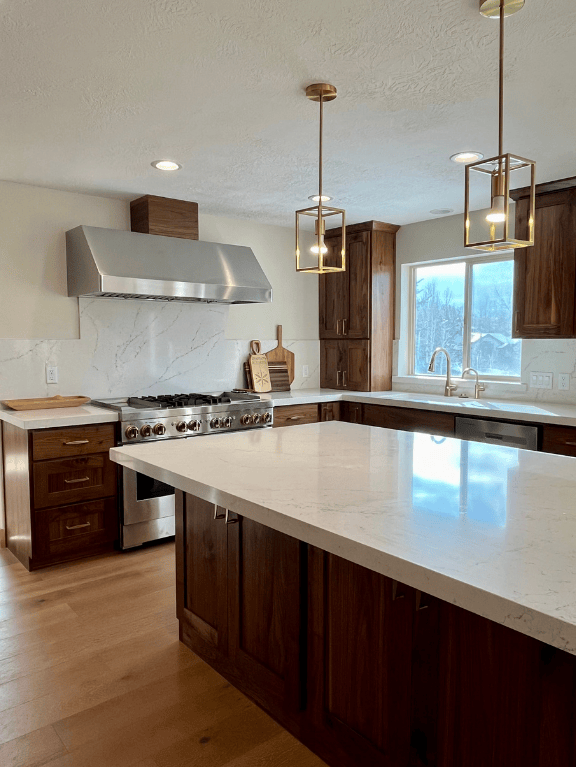
Pros and Cons: Finishing Now vs. Waiting
Deciding when to pull the trigger is as much about the economy as it is about your lifestyle. Here is the reality check for Utah homeowners in 2026:
| Feature | Finish in 2026 | Wait Until 2027+ |
|---|---|---|
| Interest Rates | Equity lines are accessible but still carry a premium. | Projected to drop, but material inflation may eat the savings. |
| Material Supply | High availability for LVP, drywall, and insulation. | Unpredictable based on global trade shifts. |
| Livable Space | Immediate relief for growing families or home offices. | Continued “cramped” lifestyle on the main floor. |
| Labor Quality | Top crews are booking 4-6 months out. | Waitlists likely to grow as new construction picks back up. |
Lifestyle Deep Dive: Which Tier Wins?
The “winner” depends entirely on your 5-year plan. If you are building a quiet retreat or a budget-friendly way to add bedrooms, the mid-range tier is the smart choice. If you are looking for long-term equity and rental flexibility, the ADU tier is undefeated.
| Scenario | The Better Choice | The Reason Why |
|---|---|---|
| Building a Home Theater | Entertainment Tier | Requires specialized sound-channels and lighting that mid-range tiers lack. |
| Hosting Guests/In-Laws | Mid-Range + | Focus on a high-end 3/4 bath and a larger bedroom footprint. |
| Operating a Home Office | Basic to Mid | Prioritize electrical and hardwired internet over fancy flooring. |
| Maximizing Total ROI | ADU Tier | Direct income offsets the high upfront cost within 3-4 years. |
One Final Consideration: Utah’s soil (expansive clay) can put pressure on foundation walls over time. If you see cracks or bowing now, fix them before you finish the basement. Spending $8,000 on foundation stabilization now is better than tearing out $40,000 of new drywall in three years.
Frequently Asked Questions: Utah Basement Cost Edition
Why is the price per square foot higher for small basements?
It’s called “Fixed Cost Dilution.” Permits, porta-potties, dumpsters, and mobilization fees cost roughly the same whether you finish 400 sq ft or 1,500 sq ft. On a small project, these costs are spread over fewer square feet, driving the “unit price” up.
Does finishing my basement increase my property taxes in Utah?
Yes. Once a permit is finalized, the county is notified. They will adjust your home’s assessed value based on the added livable square footage. While your taxes will go up slightly, the equity bump and potential rental income far outweigh the annual tax increase.
What is the most expensive part of a basement remodel?
Labor—specifically skilled trades. In 2026, the plumbing and electrical work often accounts for 30-40% of the total budget if you are adding a kitchen or a custom bathroom. This is followed closely by cabinetry and custom tile work.
Can I finish my basement without a permit to save money?
You can, but it’s a massive risk. Unpermitted work can cause insurance to deny flood/fire claims, make it impossible to refinance, and force you to tear out walls during a home sale to prove electrical safety. The $1,000 you save on a permit isn’t worth the $100,000 risk.
How long does a 1,000 sq ft remodel take in 2026?
Expect 12 to 16 weeks from the day we break ground. This timeline includes waiting for city inspections (which can be a bottleneck in fast-growing cities like Lehi) and allowing for cure times for paint and flooring.
Is a 2026 basement remodel worth the cost?
If you plan to stay in your home for at least 3 years, yes. The cost of moving to a larger home in Utah is currently 2x higher than the cost of simply building “down.” You aren’t just spending money; you’re capturing the lowest possible price-per-square-foot in the current market.
Final Thoughts: Scaling Your Budget Effectively
Utah homeowners are facing a unique crossroads in 2026. The days of the “handyman special” $20/sq ft basement are over. Professional, code-compliant work is the only way to protect your home’s value in a market that is increasingly scrutinized by appraisers and savvy buyers.
If your budget is tight, focus on the “bones”—the framing, electrical, and plumbing rough-ins. You can always upgrade carpet to LVP or basic lights to smart fixtures later. But you only get one chance to get the foundation of the remodel right.
The Investment Reality
In the Wasatch Front, land is the ultimate premium. A finished basement is the most efficient way to increase your net worth without buying a new zip code. Historically, these remodels offer the best “cost-to-happiness” ratio of any home project, provided you hire a team that knows Utah’s specific seismic and soil needs.
Ready to Build Your 2026 Basement Budget?
Don’t guess on your biggest investment. Whether you’re in a steep slope in Draper or a flat lot in Lehi, Pro-Worx Construction has the engineering expertise to maximize your space. We don’t just hang drywall; we build value. Let’s look at your plans and find the best ROI path for your property.
Additional Resources
Want to know how a walkout entrance changes these costs? Check out our deep dive into basement styles.