
If you’ve received multiple quotes for a basement remodel in Utah, you may have experienced sticker shock — especially if those quotes are tens of thousands of dollars apart.
One contractor says $48,000. Another says $67,000. A third comes in at $92,000.
So what’s going on?
The truth is: basement remodel quotes in Utah vary for predictable reasons. The key isn’t finding the lowest number — it’s understanding what’s included, what’s missing, and what could cost you later.
Why Basement Remodel Quotes Can Differ by $20K–$40K
When Utah homeowners receive multiple basement remodel bids, the spread can feel extreme. A $20,000–$40,000 gap usually isn’t random — it reflects real differences in planning depth, material assumptions, labor standards, and how thoroughly the project has been evaluated before pricing.
Two quotes may appear similar at first glance — same square footage, same number of rooms, same general layout — but the underlying details often tell a very different story. What’s included, what’s excluded, and what’s only estimated can dramatically shift the final number.
Here are the most common reasons basement remodel quotes vary so widely in Utah:
- Different levels of finishes and materials– One contractor may price basic builder-grade carpet and stock cabinets, while another includes luxury vinyl plank, custom cabinetry, upgraded trim, and designer fixtures. These material differences alone can account for thousands.
- Allowance-based pricing vs fixed pricing – Lower quotes often rely heavily on allowances. If flooring, tile, lighting, or plumbing fixtures exceed those placeholder budgets, the final project cost increases.
- Incomplete or vague scope descriptions – A proposal that says “finish basement” without detailing insulation upgrades, fire blocking, soffits, or mechanical adjustments may look cheaper — but those items still need to be addressed.
- Missing permit, inspection, or code upgrades – Proper permits, egress compliance, ceiling height corrections, and electrical panel upgrades are sometimes omitted from low bids.
- Labor structure and subcontractor quality – Experienced, licensed trades cost more than unverified subcontractors. The difference often shows up later in inspection results, workmanship quality, and long-term durability.
- Insurance, overhead, and warranty coverage – Fully insured, properly licensed contractors with written warranties carry higher overhead — but they also provide significantly more protection for the homeowner.
In short, a lower quote does not automatically mean better value — it often means fewer assumptions have been clarified upfront. The wider the gap between bids, the more important it becomes to understand exactly what each contractor has included — and what they haven’t.
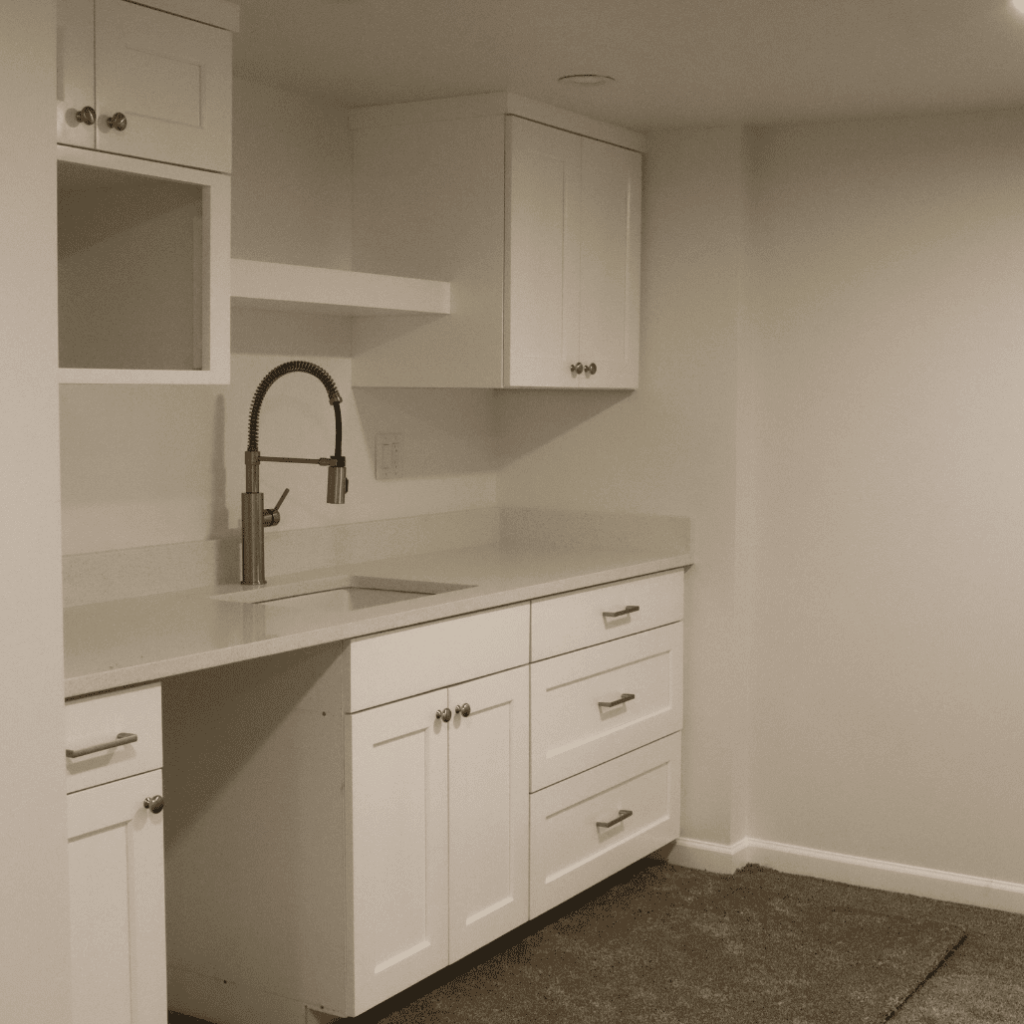
Allowances vs Fixed Pricing: The Hidden Cost Trap
One of the biggest reasons basement remodel quotes vary in Utah is how materials are priced. Some contractors use “allowances” — placeholder budgets for flooring, cabinetry, lighting, plumbing fixtures, tile, and trim — rather than confirmed selections with real pricing.
At first glance, allowances can make a quote look competitive. The number feels lower because it assumes entry-level or mid-range materials. But if your actual selections exceed those placeholder budgets — which they often do — the final project cost increases through change orders.
Here’s how the two pricing approaches differ:
| Pricing Type | What It Means | Risk to Homeowner |
|---|---|---|
| Allowance-Based | Estimated budgets for materials | Final cost increases if selections exceed allowance |
| Fixed Pricing | Materials selected and priced upfront | Greater cost certainty, fewer surprises |
For example, a quote might include a $3 per square foot flooring allowance. But many Utah homeowners ultimately choose materials closer to $6–$9 per square foot once they see real options. That difference alone can add several thousand dollars to the final invoice.
The same pattern shows up with cabinetry, tile, lighting packages, and plumbing fixtures. A lower initial bid may simply assume lower-grade finishes — not necessarily because that’s what you want, but because those numbers keep the estimate competitive.
Allowance-based pricing isn’t inherently wrong. It can be appropriate when selections truly haven’t been made. The issue arises when allowances are unrealistically low or when homeowners aren’t aware how easily those numbers can grow.
A fixed-price proposal built around confirmed selections provides more transparency. You know what you’re getting, what it costs, and how it fits within your overall basement remodel budget — without discovering late-stage surprises once construction is underway.
Scope Gaps: What Might Not Be Included
Not all basement remodel quotes include the same scope of work. In fact, scope gaps are one of the most common reasons homeowners experience mid-project price increases.
A proposal might appear complete — but if certain structural, mechanical, or code-required items are not clearly listed, they can surface later as “unforeseen additions.” That’s when change orders begin.
Here are some of the most commonly overlooked items in Utah basement remodel quotes:
- Egress window installation for basement bedrooms
- Upgraded insulation to meet current Utah energy code
- Electrical panel upgrades or additional circuits
- HVAC system balancing or expansion
- Fire blocking and life-safety compliance
- Permit, plan review, and inspection fees
To understand how significant these omissions can be, here’s a simplified breakdown:
| Commonly Missed Item | Why It’s Required | Potential Cost Impact |
|---|---|---|
| Egress Window | Required for legal basement bedrooms | $3,000–$7,000+ |
| Electrical Panel Upgrade | Needed if existing panel lacks capacity | $2,000–$5,000+ |
| HVAC Expansion | Ensures proper airflow and heating | $1,500–$6,000+ |
| Insulation Upgrades | Required to meet current energy code | Varies by scope |
| Permit & Inspection Fees | Legally required for compliant work | City-dependent |
If these items are excluded from a lower quote, the initial number may look appealing — but the final project cost often climbs once these requirements are addressed.
When comparing basement remodel proposals, don’t just look at the total. Ask for a detailed scope breakdown that clearly outlines structural work, mechanical systems, insulation standards, permits, and inspection coordination. A transparent scope reduces the risk of mid-project surprises and keeps your remodel financially predictable.
Labor & Subcontractor Differences
Labor structure is one of the least visible — but most impactful — differences between basement remodel quotes in Utah. Skilled, licensed trades with consistent oversight cost more upfront, but they significantly reduce the risk of delays, failed inspections, and long-term performance issues.
A lower quote may rely on less experienced subcontractors, limited project supervision, or crews juggling multiple jobs at once. While that can reduce initial pricing, it often introduces variability in workmanship and scheduling.
| Labor Approach | Typical Characteristics | Impact on Project |
|---|---|---|
| Experienced, Licensed Trades | Code-compliant work, detailed supervision, coordinated scheduling | Smoother inspections, fewer callbacks, more predictable timeline |
| Low-Cost or Minimally Supervised Labor | Limited oversight, inconsistent workmanship, reactive scheduling | Increased risk of rework, inspection delays, and quality issues |
For example, improperly installed framing may not be obvious until a rough inspection fails. Inconsistent electrical work can trigger corrections before drywall. Poor HVAC balancing can lead to comfort complaints long after the remodel is complete.
These issues aren’t always reflected in the initial bid — but they directly affect the homeowner’s experience. Delays, rework, and post-completion service calls can quickly erode any savings from a lower-priced proposal.
That difference isn’t always visible on paper, but it shows up in craftsmanship, schedule reliability, communication clarity, and warranty confidence. When evaluating basement remodel quotes, it’s worth understanding not just the price — but the team and oversight structure behind it.
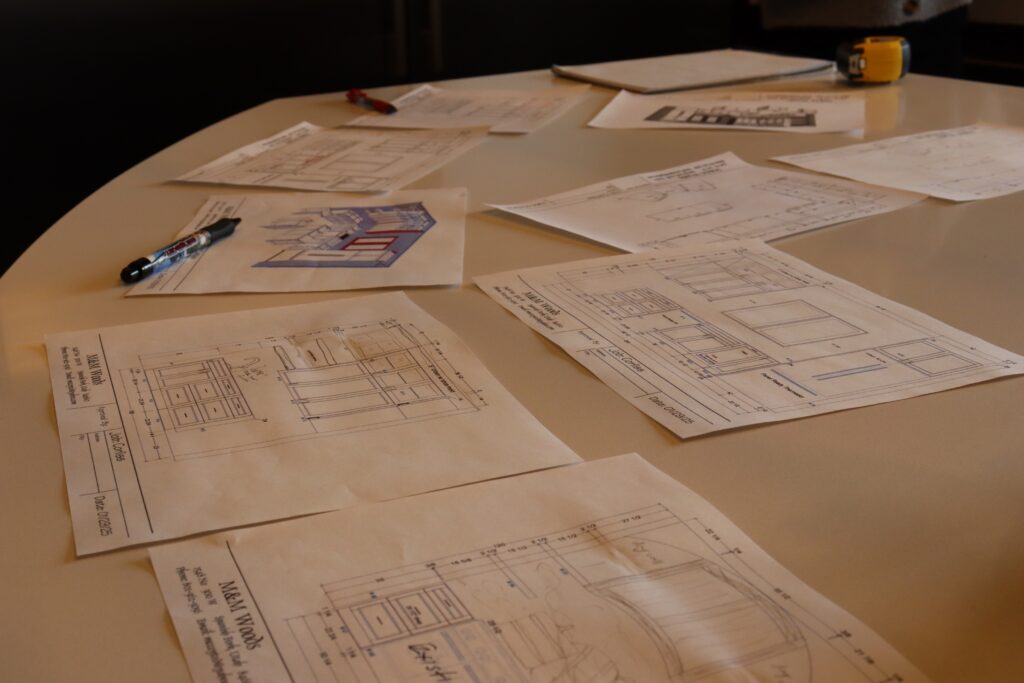
Insurance, Licensing & Warranty Coverage
Proper licensing, active insurance coverage, and written warranties all add operational cost to a construction company — and that cost is reflected in pricing. While these protections may not be immediately visible in a proposal, they play a critical role in safeguarding your home and financial investment.
Contractors operating without full general liability insurance, workers’ compensation coverage, or appropriate licensing can often submit lower bids. However, when something goes wrong — whether it’s property damage, injury, or failed inspections — that financial risk may shift directly to the homeowner.
| Protection Area | Why It Matters | Risk If Missing |
|---|---|---|
| General Liability Insurance | Covers accidental property damage | Homeowner may be financially responsible |
| Workers’ Compensation | Covers injuries on-site | Potential legal exposure for homeowner |
| Licensed Contractor Status | Confirms regulatory compliance | Permit issues or non-compliant work |
| Written Warranty Coverage | Provides post-completion protection | Limited recourse if issues arise later |
Beyond insurance, warranty structure matters. A professional contractor should clearly outline what is covered, for how long, and how service requests are handled after project completion. That clarity provides peace of mind long after the remodel is finished.
In Utah, properly pulled permits and passed inspections also play a major role in long-term value. Work completed without permits can complicate refinancing, resale disclosures, and insurance claims — especially for finished basements that add square footage or bedrooms.
While a fully licensed, insured contractor with written warranty protection may not submit the lowest bid, that added structure provides stability, accountability, and long-term security. When evaluating basement remodel quotes, protection should be part of the value equation — not just the bottom-line price.

How to Compare Basement Remodel Quotes the Right Way
When reviewing multiple basement remodel quotes, the goal isn’t simply to identify the lowest number — it’s to understand what you’re actually buying. A well-structured proposal should provide clarity, transparency, and realistic expectations from start to finish.
Here’s a practical framework Utah homeowners can use to compare proposals accurately:
- Request a detailed line-item breakdown. The proposal should clearly outline framing, electrical, plumbing, HVAC, insulation, drywall, flooring, finishes, and permit coordination. A single lump-sum number provides very little insight.
- Confirm what materials are included vs allowance-based. Ask for clarification on flooring, cabinetry, lighting, plumbing fixtures, and tile. If allowances are used, verify whether those numbers reflect the level of finish you expect.
- Verify permit and inspection inclusion. Confirm that plan submission, permit fees, inspections, and coordination are included — and that the contractor is responsible for managing them.
- Ask about egress, ceiling height, and code compliance. Bedrooms require proper egress. Ceiling heights must meet minimum standards. Electrical panels must support added load. These requirements should be addressed upfront — not discovered later.
- Review warranty terms in writing. Understand what is covered, for how long, and how service requests are handled after completion.
- Clarify timeline expectations. Ask for a realistic construction schedule that includes inspection phases, material lead times, and sequencing — not just an optimistic completion date.
To make comparisons easier, consider organizing each quote side-by-side:
| Comparison Area | Contractor A | Contractor B | Contractor C |
|---|---|---|---|
| Detailed Scope Provided? | ✔ | ✖ | ✔ |
| Permit Included? | ✔ | ✔ | ✖ |
| Allowance-Based Materials? | Yes | Yes | No |
| Warranty Provided? | ✔ | ✖ | ✔ |
| Estimated Timeline | 10–12 weeks | 8–10 weeks | 12–14 weeks |
Organizing proposals this way shifts the focus from price alone to overall value, clarity, and risk management.
The best basement remodel quote is not necessarily the cheapest — it’s the one that clearly defines the full scope, meets Utah building code requirements, protects your investment, and aligns with how you plan to use the space long term.

Basement Remodel Quote FAQs (Utah)
Why is one basement quote so much cheaper than another?
A significantly lower quote often reflects differences in material allowances, scope detail, labor structure, or omitted items such as permits, inspections, or required upgrades. In some cases, lower bids assume entry-level finishes that may not align with your expectations. The price difference usually becomes clearer when you review the scope line by line.
Should I always choose the lowest bid?
Not necessarily. A lower bid may look attractive initially, but if it lacks detail or excludes important components, the final cost can increase through change orders. Quality of workmanship, timeline reliability, code compliance, and warranty protection are just as important as the initial number.
How many quotes should I get for a basement remodel?
Most Utah homeowners benefit from comparing 2–3 detailed quotes from licensed contractors. More than that can create confusion if the scopes are not comparable. Focus on quality, transparency, and clarity rather than collecting the highest number of estimates.
What should a professional basement remodel quote include?
A professional quote should clearly outline framing, insulation, electrical, plumbing, HVAC, drywall, finishes, permit coordination, inspections, and cleanup. It should also clarify material selections or allowances, estimated timeline, payment schedule, and warranty coverage.
Are permits always required for finishing a basement in Utah?
In most Utah cities and counties, permits are required for basement finishing that involves structural changes, electrical, plumbing, HVAC, or creating legal bedrooms. Proper permits protect your resale value and ensure inspections confirm code compliance.
Can unfinished items increase the price later?
Yes. If certain elements are not clearly defined upfront — such as insulation upgrades, panel capacity, or egress requirements — they may surface during construction and result in additional charges. A detailed scope reduces the likelihood of unexpected increases.
How can I protect myself when signing a remodeling contract?
Before signing, review the full scope, confirm permit responsibility, verify licensing and insurance, understand payment schedules, and ensure warranty terms are documented in writing. Taking time to clarify expectations upfront can prevent costly misunderstandings later.
Need Help Reviewing Your Basement Remodel Quote?
We help Utah homeowners understand scope, pricing, permits, and long-term value — before construction begins.