
One of the most overlooked parts of a basement remodel in Utah is insulation. Homeowners focus on layouts, flooring, and finishes — but what’s behind the walls determines how comfortable, efficient, and durable the space will be long-term.
If you’re finishing or upgrading a basement in Utah, proper insulation isn’t optional. It directly affects energy bills, moisture control, indoor comfort, and whether the space meets current building code.
Utah’s climate — cold winters, hot summers, and major temperature swings — makes basements especially vulnerable to heat loss, condensation, and drafts when insulation is done incorrectly.
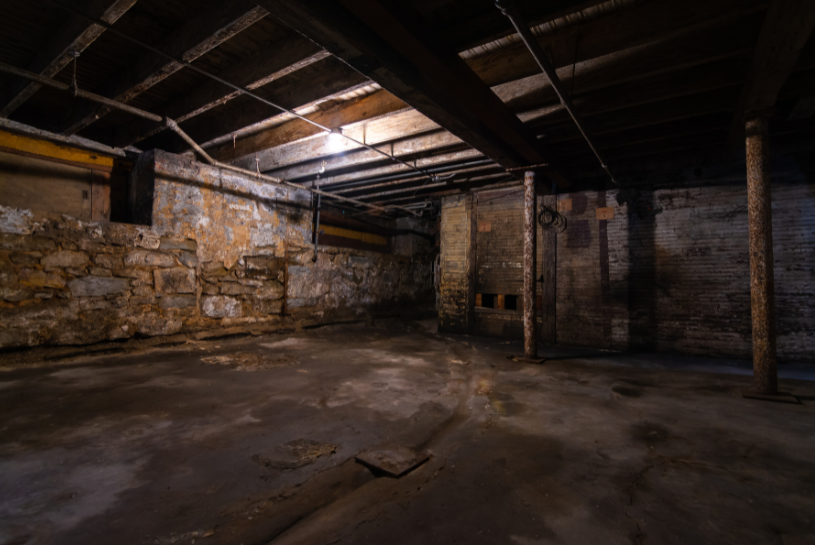
Do Basements in Utah Need Insulation?
Yes. In Utah, basements are required to be insulated when they are finished or converted into livable space. Once a basement is used as living area — bedrooms, family rooms, offices, or bathrooms — it must meet Utah’s current energy and building code requirements.
Even unfinished basements benefit significantly from insulation. While code requirements may be lighter for unfinished spaces, insulating foundation walls and rim joists helps reduce heat loss, stabilize indoor temperatures, and lower overall energy costs throughout the home.
Concrete foundation walls are in direct contact with cold soil for much of the year in Utah. Without insulation, they act like a heat sink — continuously pulling warmth out of the home during winter and creating condensation risks when warm indoor air meets cold surfaces.
Once a basement is insulated and finished, it must meet Utah’s current energy and building codes — not the standards that existed when the home was originally built. This is where many older Utah homes fall short during remodels, inspections, or resale.
In short, if a basement in Utah is meant to be lived in — or even just made more comfortable — insulation isn’t optional. It’s a foundational requirement that affects energy efficiency, moisture control, comfort, and long-term durability.
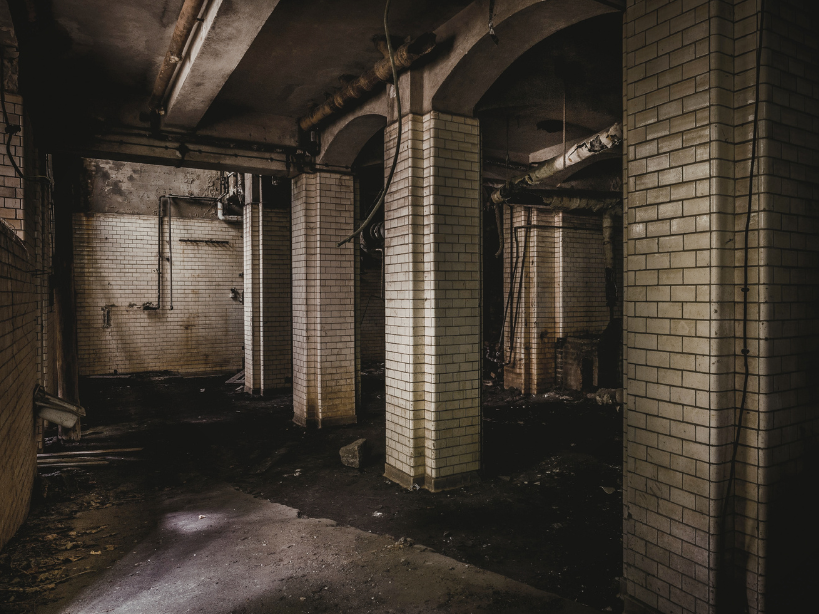
What Utah Building Inspectors Look for With Basement Insulation
When a basement is permitted in Utah, insulation is inspected before drywall goes up. Inspectors aren’t just checking that insulation exists — they’re verifying that it’s installed correctly, meets minimum R-values, and won’t create moisture or safety issues over time.
Across Utah County, Salt Lake County, and Davis County, inspectors tend to focus on the same core areas during basement inspections.
- Minimum R-values: Foundation walls, ceilings, and rim joists must meet Utah’s current energy code requirements based on climate zone.
- Continuous insulation coverage: Gaps, compressed insulation, or exposed concrete are common failure points.
- Proper air sealing: Rim joists, penetrations, and transitions between materials must be sealed to prevent drafts and moisture intrusion.
- Moisture control: Inspectors look for insulation methods that won’t trap condensation against concrete walls.
- Vapor barrier placement: Incorrect vapor barriers are a frequent issue in basements and can lead to failed inspections.
- Fire safety compliance: Certain foam insulation types must be protected with approved fire-rated coverings.
- Consistency throughout finished areas: All conditioned basement spaces must be insulated — not just select walls.
This inspection phase is where many DIY and poorly planned basement projects run into trouble. Fixing insulation issues after drywall is installed often means tearing finished work back out — which is why insulation planning is one of the most important steps in a Utah basement remodel.
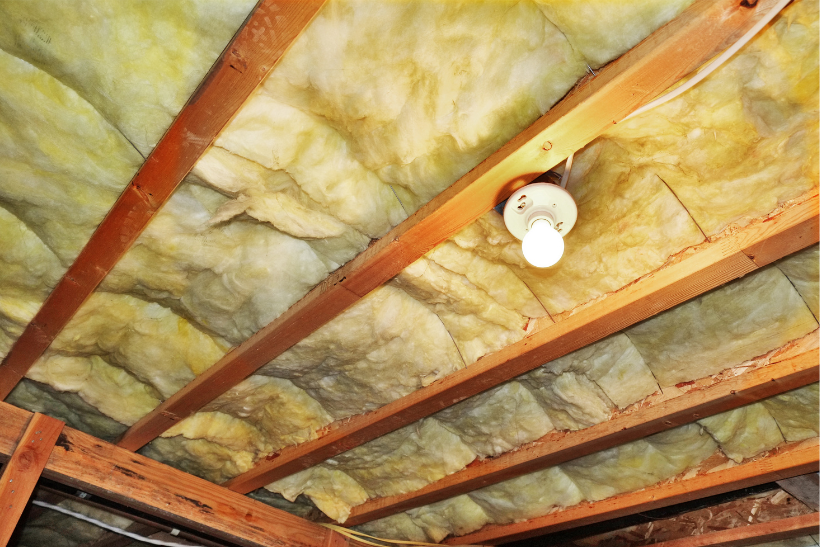
Utah Climate Zones & Why Basement Insulation Matters
Most of Utah falls into Climate Zones 5 and 6, which means long, cold winters, freezing ground temperatures, and large seasonal temperature swings. These conditions place extra stress on basements, which are surrounded by cold soil for much of the year.
Unlike above-grade walls, basement foundation walls are constantly exposed to ground temperatures that are significantly colder than indoor air during winter months. Without proper insulation, heat is continuously drawn out of the home through the concrete.
Basements that are poorly insulated often feel cold, damp, or drafty — even when the rest of the home is comfortable. This leads to higher heating costs, uneven temperatures between floors, and increased strain on HVAC systems.
Proper insulation creates a thermal break between the concrete foundation and the living space, helping stabilize indoor temperatures, reduce energy loss, and limit condensation caused by warm air meeting cold surfaces.
In Utah’s climate, insulation also plays a key role in moisture control. Cold foundation walls are one of the most common sources of condensation in basements, which can lead to mold growth, material deterioration, and musty odors if not properly addressed.
Because Utah basements sit at the intersection of cold soil, seasonal moisture, and indoor living space, insulation isn’t just about comfort — it’s a critical component of energy efficiency, moisture control, and long-term durability.
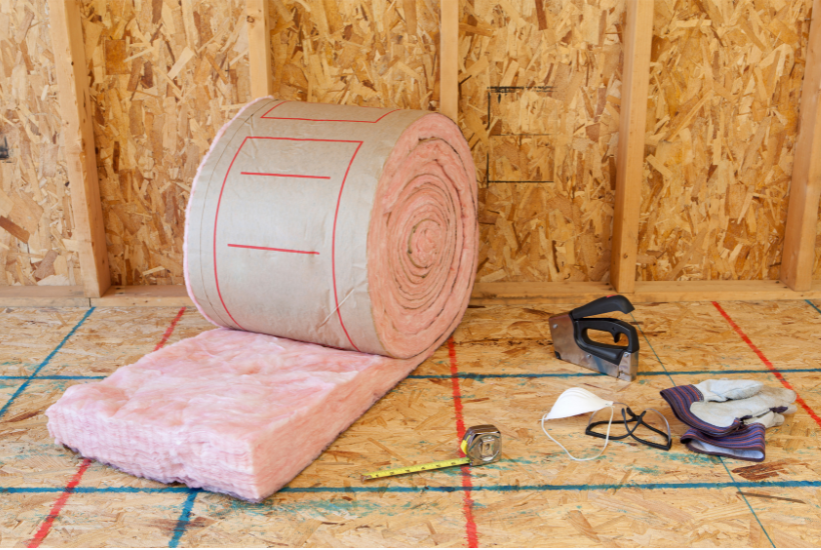
Utah Basement Insulation Code Requirements
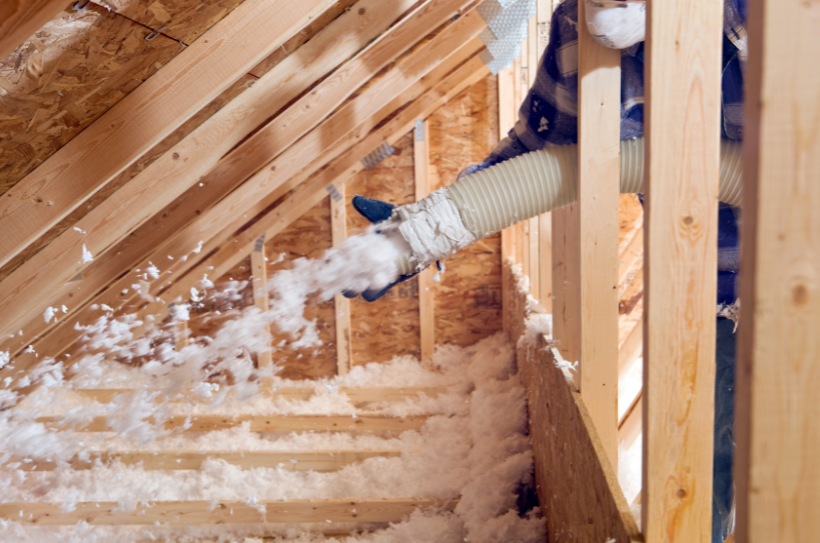
Utah follows the International Energy Conservation Code (IECC), along with state and local amendments that reflect Utah’s colder climate zones. These codes establish minimum insulation and air-sealing standards designed to reduce energy loss, control moisture, and improve overall home performance.
When a basement is finished or converted into conditioned living space, it must meet the same energy efficiency standards as the rest of the home. This means insulation requirements are not optional — they are verified during plan review and on-site inspections before drywall is approved.
Code requirements vary slightly by city or county, but the core standards for basement insulation remain consistent across most of Utah. Inspectors focus on both insulation values and how the insulation is installed, not just what material is used.
One of the most common misconceptions Utah homeowners have is assuming that “some insulation” is enough. In reality, inspectors verify both the R-value and the installation method — including continuity, air sealing, and moisture control.
For example, insulation that is compressed, poorly fitted, or interrupted by gaps may technically exist but still fail inspection. Rim joists are another frequent issue, as they are often skipped or insulated without proper sealing.
Because energy codes are updated periodically, older Utah homes almost always fall below current standards when basements are remodeled. This is why insulation upgrades are typically required even if the home previously passed inspection decades ago.
Meeting Utah’s basement insulation code isn’t just about passing inspection — it’s about ensuring the space is comfortable, efficient, and protected against moisture and energy loss for the long term.
Do Code Requirements Differ by Utah County?
Yes — but only slightly. While Utah follows the International Energy Conservation Code (IECC) statewide, individual cities and counties are allowed to adopt local amendments or enforce the code with minor variations.
In practice, this means the minimum insulation requirements are very similar across Utah, but details such as inspection process, documentation, or enforcement standards can differ from one jurisdiction to another.
- Salt Lake County: Strict enforcement of air sealing, rim joist insulation, and continuity of insulation coverage.
- Utah County: Close attention to R-values and moisture control methods, especially in finished basements.
- Davis County: Emphasis on insulation completeness and proper fire protection for foam products.
- Other Utah cities: May have slightly different permit submittal requirements or inspection sequencing.
Regardless of location, inspectors across Utah expect basement insulation to meet current energy code standards. Assuming that a neighboring city has “looser rules” is one of the most common reasons basement projects fail inspection.
Quick Code Summary: Utah Basement Insulation Requirements
In Utah, finished basements must meet current energy code requirements under the International Energy Conservation Code (IECC). This includes minimum insulation levels, proper air sealing, and moisture control.
- Foundation walls typically require R-15 continuous or R-19 cavity insulation
- Basement ceilings separating unconditioned space typically require R-30
- Rim joists must be insulated and air sealed
- Insulation must be installed without gaps, compression, or exposed concrete
- Foam insulation must meet fire protection requirements
These requirements are verified during inspections before drywall is installed. Older homes are commonly required to upgrade insulation when basements are remodeled.
Best Insulation Types for Utah Basements
Not all insulation performs the same in basements — especially in Utah’s cold, below-grade conditions. Moisture resistance, air sealing, and long-term durability matter just as much as R-value, if not more.
Because basement walls are surrounded by cold soil, insulation must manage three things at once: heat loss, condensation risk, and air leakage. Choosing the wrong material — or installing the right material incorrectly — is one of the most common causes of cold, damp basements.
- Rigid foam board: One of the most reliable basement insulation options in Utah. Rigid foam resists moisture, maintains consistent R-value, and works well when installed directly against concrete foundation walls.
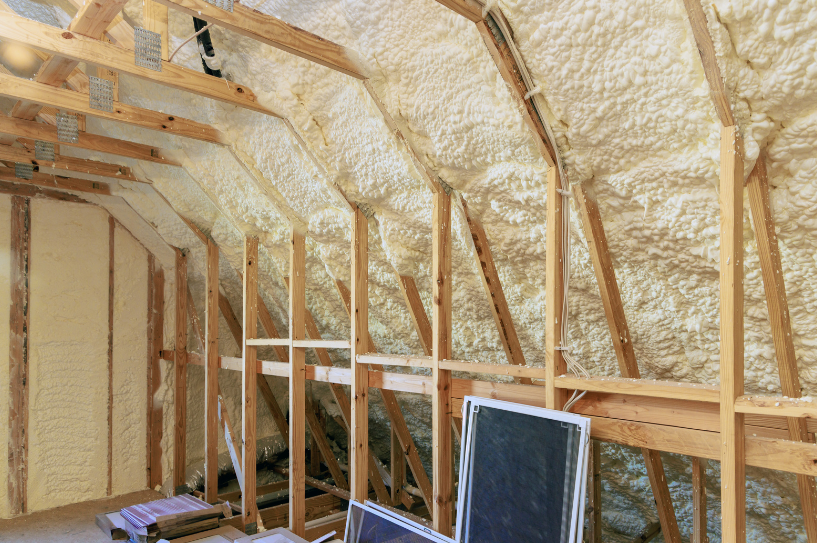
- Spray foam insulation: Provides insulation and air sealing in a single application. Closed-cell spray foam is especially effective in Utah basements because it adds moisture resistance and structural rigidity.
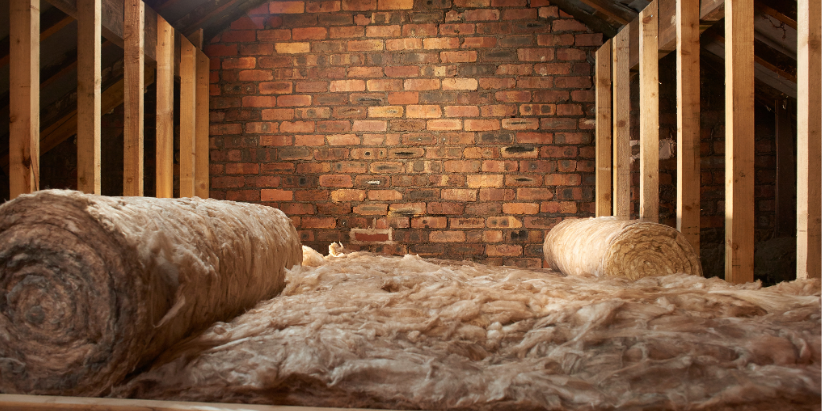
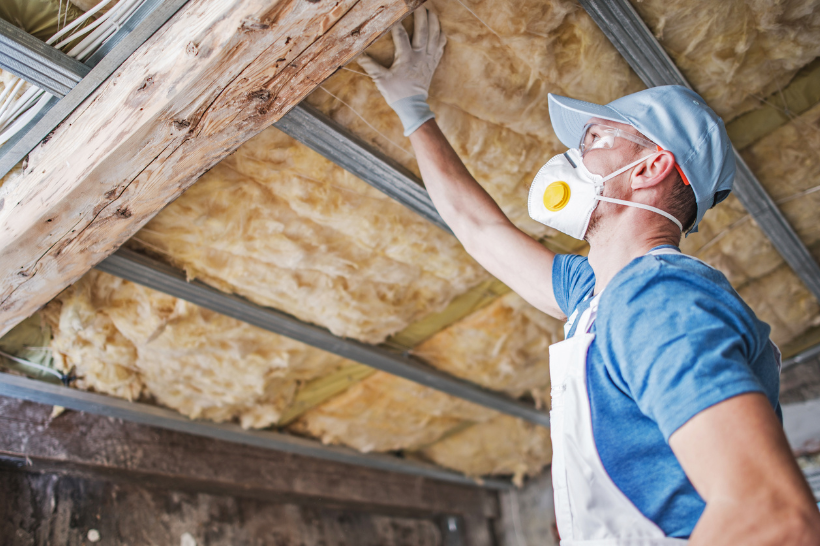
- Fiberglass batts: A cost-effective option, but only when paired with proper air sealing and moisture control. Fiberglass alone does not stop air movement and can trap condensation if installed incorrectly.
- Hybrid insulation systems: A common Utah approach that combines foam against concrete with fiberglass in framed walls. This balances performance, moisture control, and cost when done correctly.
Using standard fiberglass batts alone, without foam, air sealing, or vapor management, is one of the most common reasons basement insulation fails inspection or develops moisture problems over time.
Finished vs Unfinished Basement Insulation
Finished basements in Utah are treated as conditioned living space and must meet full energy code requirements. Insulation is inspected before drywall installation to verify R-values, coverage, and air sealing.
Unfinished basements may not require full wall insulation, but insulating foundation walls and rim joists can significantly improve comfort, reduce drafts, and lower heating costs throughout the home.
Moisture, Condensation & Mold Risks
Basements are naturally prone to moisture because they sit below grade. When warm indoor air meets cold foundation walls, condensation can form — especially if insulation and air sealing are poorly designed.
- Cold concrete + warm indoor air = condensation
- Poor air sealing allows moist air to reach cold surfaces
- Incorrect vapor barrier placement traps moisture inside walls
This is why insulation choice and installation method matter just as much as thickness. In Utah basements, managing moisture correctly is critical to preventing mold, odors, and long-term material damage.
Quick Answer: Best Insulation for Utah Basements
The best insulation for Utah basements is one that controls moisture, limits air leakage, and meets energy code requirements for cold climate zones.
- Rigid foam board or closed-cell spray foam is best for foundation walls
- Hybrid systems (foam against concrete + fiberglass in stud walls) offer balanced performance and cost
- Fiberglass alone is not recommended due to moisture and condensation risk
- All insulation must meet Utah’s minimum R-value and air-sealing requirements
In Utah’s climate zones 5 and 6, insulation choice matters as much as installation. Improper materials or air gaps can lead to heat loss, condensation, and mold over time.
Common Basement Insulation Mistakes in Utah
Many basement insulation problems in Utah don’t come from using the wrong materials — they come from incomplete or incorrect installation. Because basements sit below grade and face cold soil year-round, small insulation mistakes can quickly turn into comfort issues, moisture problems, or failed inspections.
- Insulating stud walls but not foundation walls:
Adding insulation only inside framed walls leaves cold concrete exposed behind them, allowing heat loss and condensation to occur where it can’t be seen. - Skipping rim joist insulation:
Rim joists are one of the biggest sources of drafts and moisture intrusion in Utah basements. Leaving them uninsulated creates cold floors and hidden condensation issues. - Using fiberglass without moisture control:
Fiberglass does not stop air movement. Without foam or proper air sealing, warm air reaches cold concrete and condenses, often leading to mold inside walls. - Blocking airflow or ventilation paths:
Poor insulation placement can interfere with ventilation, trapping moisture and reducing indoor air quality. - Failing to meet minimum R-values:
Older homes often fall below current Utah energy code requirements. Partial insulation or compressed materials may exist but still fail inspection.
Most of these mistakes aren’t visible once drywall is installed — which is why they’re so costly to fix later. Addressing insulation correctly from the start is one of the most effective ways to protect a Utah basement from comfort issues, moisture damage, and future rework.
Frequently Asked Questions About Basement Insulation in Utah
Is basement insulation required by code in Utah?
Yes. In Utah, finished basements must meet current energy code requirements under the International Energy Conservation Code (IECC). This includes minimum R-values, proper air sealing, and moisture control. Insulation is verified during inspections before drywall is installed.
What is the best insulation for Utah basements?
Rigid foam board and closed-cell spray foam perform best in Utah basements because they resist moisture and limit air leakage. Many finished basements use a hybrid system that combines foam against concrete with fiberglass in framed walls.
Does basement insulation help lower energy bills?
Yes. Proper basement insulation reduces heat loss through foundation walls, improves temperature consistency between floors, and lowers heating and cooling costs — especially during Utah’s cold winters.
Do unfinished basements need to be insulated in Utah?
Not always by code, but insulation is strongly recommended. Insulating foundation walls and rim joists in unfinished basements can reduce drafts, cold floors above, and overall energy loss.
Can I insulate my basement myself?
Homeowners can perform insulation work themselves, but finished basements still require permits and inspections. Incorrect insulation methods — especially related to moisture control — are a common cause of failed inspections.
What happens if basement insulation doesn’t meet code?
If insulation fails inspection, corrections are required before drywall can be installed. In some cases, previously finished work must be removed to address insulation or air-sealing issues.
Does basement insulation help prevent mold?
Yes. Proper insulation reduces condensation on cold foundation walls, which is a leading cause of mold and musty odors in basements.
Are insulation requirements different by Utah city or county?
The core insulation requirements are consistent statewide, but local jurisdictions may have minor amendments or different inspection procedures. Working with a contractor familiar with local codes helps avoid delays.
When is basement insulation inspected?
Basement insulation is typically inspected after installation and before drywall. Inspectors verify R-values, coverage, air sealing, and fire protection where required.
Planning a Basement Remodel?
We design basement insulation systems that meet Utah code, control moisture, and keep your space comfortable year-round.