
If you own a home along the Wasatch Front, you know the basement is not just extra space. It is the functional heartbeat of a Utah lifestyle. But as we roll into 2026, the buzz on Reddit threads and neighborhood Facebook groups, it is all about basement ceiling beam ideas. Should you go with exposed beams for that rustic mountain vibe, wrap them for a clean modern look, or add decorative options that make the whole space feel taller and more expensive? With Utah families wanting their basements to feel warm and inviting this is not just a style choice. It is a smart design decision that completely changes how the lower level feels and functions.
In 2026 every homeowner in Salt Lake, Utah County, or Utah County is asking: Do I want basic drywall that feels like every other basement or ceiling beams that turn my lower level into the showstopper everyone talks about at the next family gathering?
A simple exposed beam treatment in a Utah basement typically runs 8000 to 15000 dollars in todays market. Wrapping existing beams for a polished finish lands between 12000 to 22000 dollars. Going full decorative with custom or faux beams can push 18000 to 35000 dollars depending on the scale and finishes. The right ceiling beams make the basement feel taller richer and more like a finished part of the home.
Picking the wrong ceiling beam style is the fastest route to basement remodelers regret. In this 2026 guide we are breaking down basement ceiling beam ideas specifically for the Utah market. We cover what is allowed under 2026 building codes realistic costs in Salt Lake Valley and Utah County return on investment numbers from real 2026 sales data and the fun practical options that Utah families are loving right now. We will cover everything from Silicon Slopes modern offices to cozy entertainment zones that feel warm and inviting.
The 2026 Shift: Why Basement Ceiling Beams Are Everywhere in Utah Now
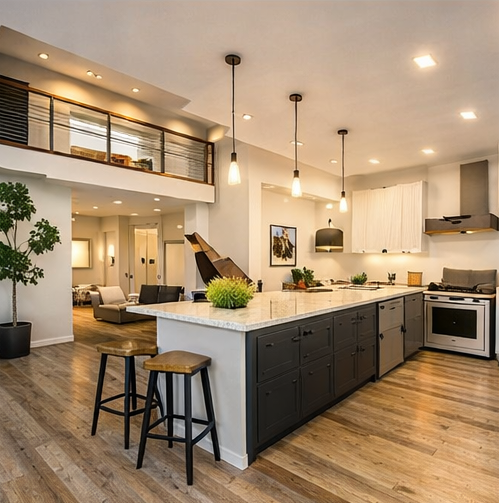
For years Utah basements stuck with flat drywall ceilings because they were cheap and quick. But in 2026 homeowners are realizing that the right ceiling beams can completely transform the feel of the space without stealing any headroom. Imagine watching the Jazz game or hosting Sunday dinner with beautiful beams overhead that make the room feel taller richer and more like a mountain lodge. No more boring box. Just character that makes everyone say wow the moment they walk down the stairs.
Recent 2026 data shows homes with thoughtfully designed ceiling beams are spending 28 to 40 percent less time on the market in Salt Lake County and Utah County. Buyers especially families are paying a premium for that architectural detail because it makes the basement feel custom and high quality.
A basement with warm wood beams and great lighting becomes the ultimate cozy hangout. No more feeling like you are in a plain concrete cave. The beams add texture warmth and that mountain home charm that fits perfectly with Wasatch Front living.
The Silent ROI of Ceiling Beams in 2026
Here is the fun part. Well chosen ceiling beams do not just look good. They put real dollars back in your pocket. 2026 appraisal data from the Wasatch Front shows that adding architectural ceiling beams can boost your homes value by 18000 to 45000 dollars at resale depending on whether they are exposed wrapped or decorative. That is way more impact than just another coat of paint. Families in Salt Lake and Utah County love the character so much it becomes one of the first things buyers notice and remember.
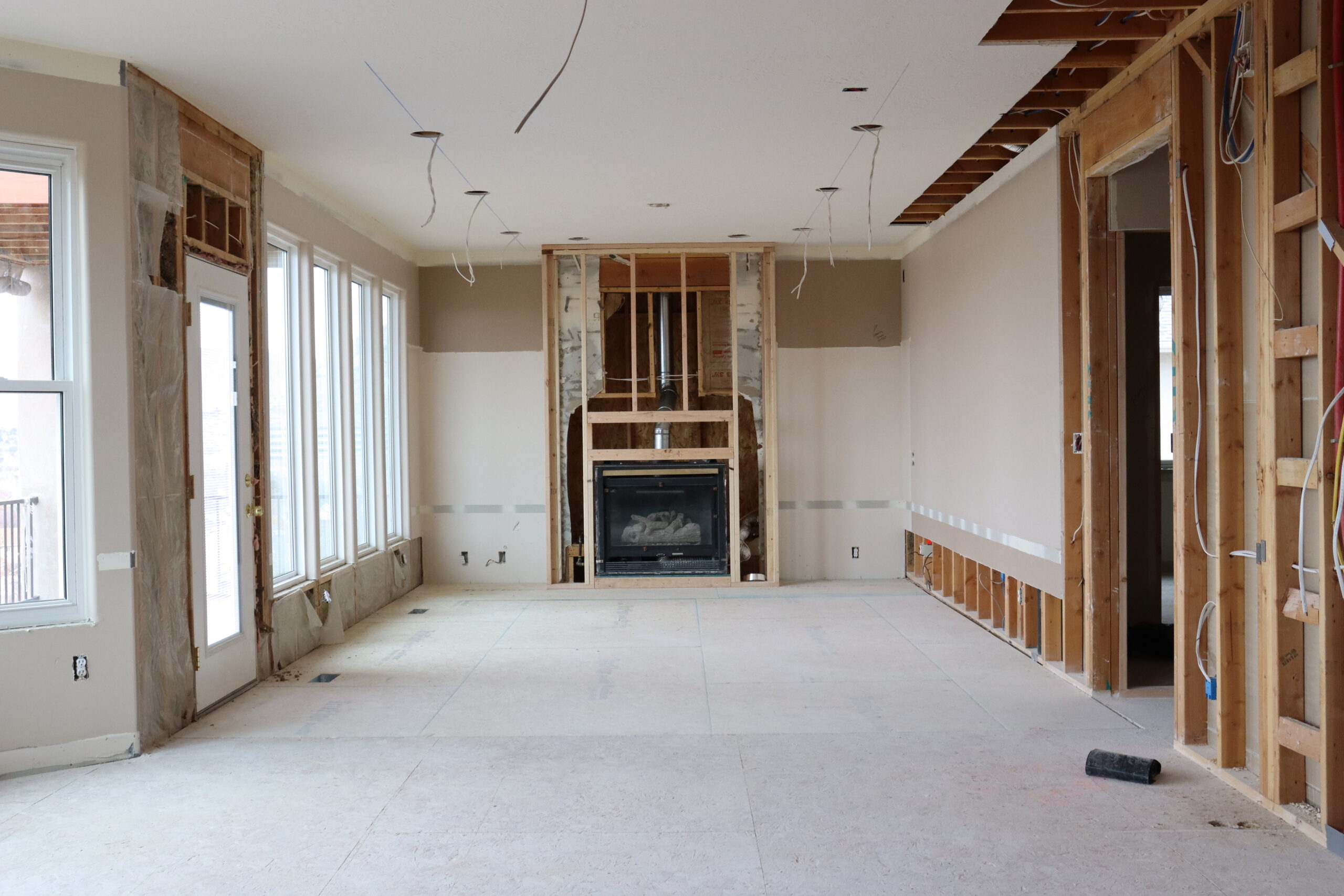
Basement Ceiling Beam Ideas: What Is Actually Allowed in Utah Right Now
Before we get to the pretty layouts let us talk rules. Nothing kills the vibe faster than a city inspector saying no. In 2026 Utah building codes treat ceiling beams differently depending on your setup:
- Exposed Beams: Totally allowed if they are structural or properly supported. Many older Wasatch Front homes already have joists that can be left open for that industrial mountain look. No special permits beyond normal basement finish.
- Wrapped Beams: Perfectly fine and often preferred for a clean modern finish. You box in existing joists with drywall or wood for a seamless high end appearance.
- Decorative Beams: Faux or added beams are allowed almost everywhere. They are not load bearing so they give you total design freedom without changing the structure.
Pro tip from Utah contractors: Always check with your local inspector early especially in areas with expansive clay soil. Proper anchoring keeps everything safe and code compliant for years to come.
| Beam Type | What Is Allowed in 2026 Utah | Best For |
|---|---|---|
| Exposed Beams | Structural joists left open or properly reinforced. Natural wood or stained finishes. | Rustic mountain homes game rooms or industrial chic spaces. |
| Wrapped Beams | Existing joists boxed in with wood or drywall. Painted or stained to match your style. | Modern clean looks family rooms or entertainment zones. |
| Decorative Beams | Faux beams added for looks only. Lightweight MDF or polyurethane options. | Low ceiling illusions luxury feel without structural changes. |
👆 Swipe left/right on mobile to see all columns
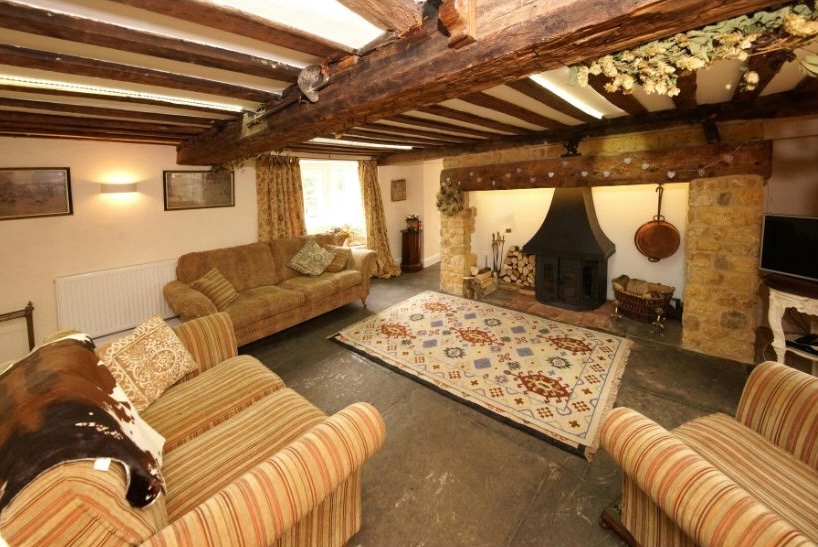
Creative Basement Ceiling Beam Ideas Utah Families Are Obsessed With
Here is where it gets fun. Basement ceiling beams do not have to look like something from the 1970s. Utah homeowners in 2026 are getting creative with options that feel high end but stay code friendly and budget smart.
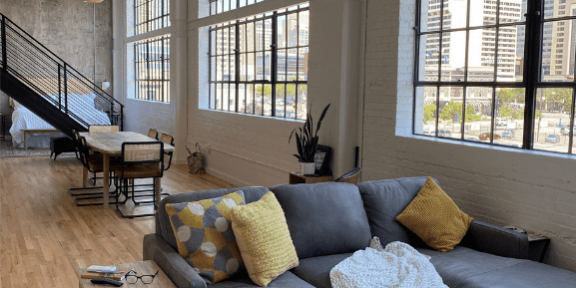
- Exposed Natural Wood Beams: Reclaimed barn wood or local pine stained to match your floors. Perfect for tight basements in older Salt Lake homes. Add recessed lighting between the beams for that warm glow everyone loves.
- Wrapped White Beams: Clean drywall wrap painted bright white to make low ceilings feel taller. Homeowners in Bluffdale and Herriman say this is their favorite for bright modern family rooms.
- Family Room Beams: Medium stained oak beams with hidden LED strips. They add warmth and character while keeping the space inviting for everyone.
- Decorative Faux Beam Grid: Lightweight beams arranged in a coffered pattern. Great for entertainment zones or home offices because they break up a plain ceiling without dropping any height.
- Industrial Mixed Material Beams: Black steel accents mixed with wood for that Silicon Slopes tech vibe. Super popular in Lindon and Utah County new builds.
Bonus 2026 trend. Smart lighting inside or around the beams. Voice controlled LEDs and color changing options are huge in Wasatch Front homes because they let you set the perfect mood for movie night or quiet reading time.
Blunt Truth: If you want the basement to feel taller warmer or more custom skip the flat ceiling. Go with at least wrapped or decorative beams. Utah buyers in 2026 are flat out asking realtors Does the basement have any architectural detail? A plain basement now feels half finished to most families.
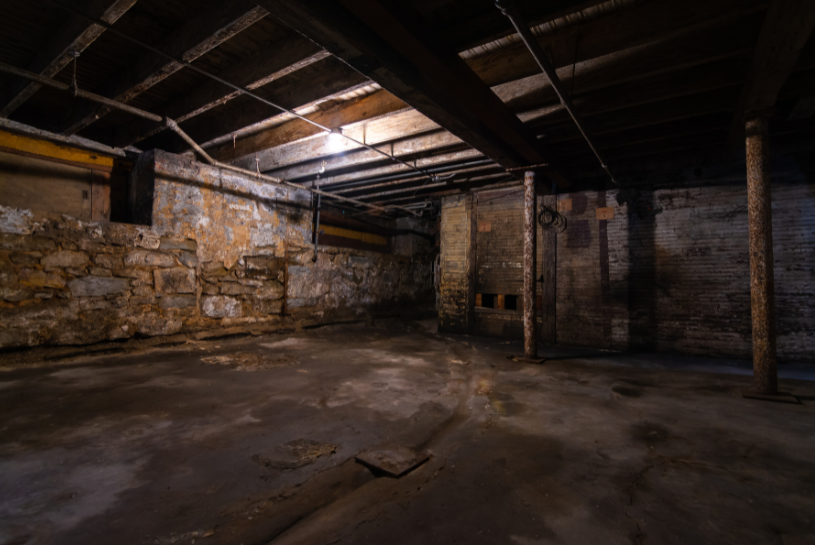
Realistic 2026 Cost Breakdown: 1000 Square Foot Basement Plus Ceiling Beams
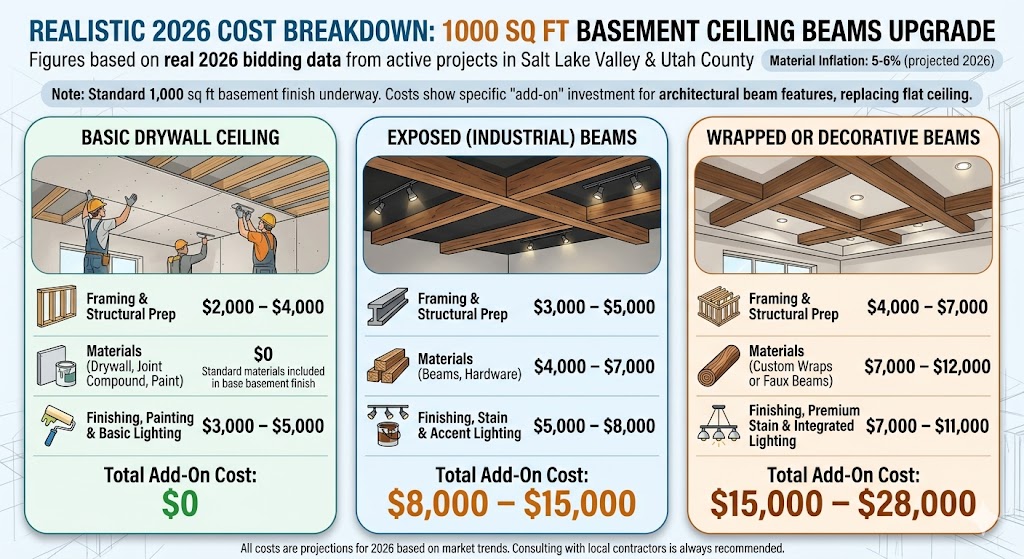
These figures are grounded in real 2026 bidding data from active projects in the Salt Lake Valley and Utah County. With material inflation holding steady at 5-6%, these numbers reflect the current reality of local labor and supply chains.
Note: This breakdown assumes a standard 1,000 sq. ft. basement finish is already underway. The costs below represent the specific “add-on” investment to upgrade from a flat ceiling to a custom beam architectural feature.
| Project Line Item | Basic Drywall Ceiling | Exposed (Industrial) Beams | Wrapped or Decorative Beams |
|---|---|---|---|
| Framing & Structural Prep | $2,000 – $4,000 | $3,000 – $5,000 | $4,000 – $7,000 |
| Materials (Wood or Faux) | $0 | $4,000 – $7,000 | $7,000 – $12,000 |
| Finishing, Stain & Lighting | $3,000 – $5,000 | $5,000 – $8,000 | $7,000 – $11,000 |
| Total Add-On Cost | $0 | $8,000 – $15,000 | $15,000 – $28,000 |
👆 Swipe left/right on mobile to see all columns
Why the Price Difference?
In Utah, where basement ceilings are often lower than the main floor, beams serve a dual purpose: they add architectural “weight” and can cleverly hide HVAC ducting or plumbing runs without resorting to awkward, low-hanging soffits.
- Exposed Beams: Often using the existing floor joists, these are sanded, stained, or painted for an industrial or farmhouse look. The cost is driven by the intensive labor required to prep rough-grade lumber into a finished visual product.
- Wrapped/Decorative Beams: These are high-end boxes (often white oak, reclaimed wood, or high-density faux materials) built around structural supports. This provides that “Tesla-vibe” sleekness and allows for integrated recessed gimbal lighting or LED strips inside the beam channels.
- The Lighting Factor: Adding beams isn’t just about wood; it’s about light. Routing electrical through decorative beams for a “layered” lighting effect adds significantly to the finish cost but is what truly separates a high-end basement from a standard one.
Design Secret: If you have 8-foot ceilings, we recommend shallow-profile beams. Going too deep with a 6-inch or 8-inch beam can make a basement feel cave-like. 2026 trends in Draper and Lehi are leaning toward wider, flatter beams that provide the visual break without sacrificing head clearance.
When Basement Ceiling Beams Make Total Sense And When They Do Not
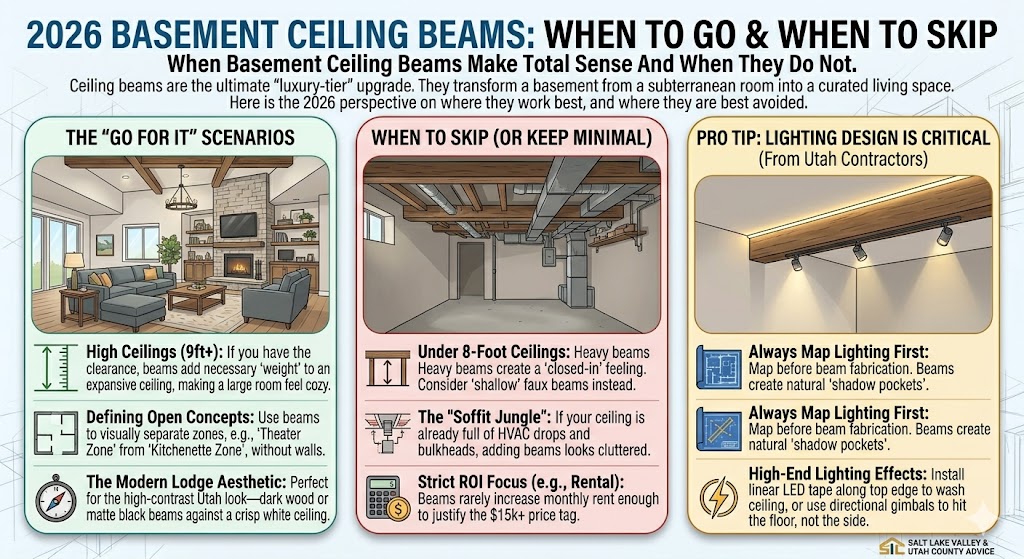
Ceiling beams are the ultimate “luxury-tier” upgrade. They transform a basement from a subterranean room into a curated living space. However, because they occupy physical and visual volume, they aren’t the right fit for every home. Here is the 2026 perspective on where they work best.
The “Go For It” Scenarios
- High Ceilings (9ft+): If you have the clearance, beams add necessary “weight” to an expansive ceiling, making a large room feel cozy and intentional rather than empty.
- Defining Open Concepts: Use beams to visually separate the “Theater Zone” from the “Kitchenette Zone” without the need for walls.
- The Modern Lodge Aesthetic: Perfect for that high-contrast Utah look—dark wood or matte black beams against a crisp white ceiling.
When to Skip (or Keep Minimal)
- Under 8-Foot Ceilings: If your slab-to-joist height is low, heavy beams can create a “closed-in” feeling. Consider “shallow” faux beams instead.
- The “Soffit Jungle”: If your ceiling is already full of HVAC drops and bulkheads, adding beams can make the ceiling look cluttered and chaotic.
- Strict ROI Focus: If you are finishing the basement purely as a rental, beams rarely increase the monthly rent enough to justify the $15k+ price tag.
Pro Tip from Utah Contractors:
Always map out your lighting before the beams are fabricated. Beams create natural “shadow pockets.” To get that “Tesla-vibe” high-end finish, we suggest installing linear LED tape lighting along the top edge of the beams to wash the ceiling with light, or using directional gimbals to ensure your light hits the floor, not the side of the wood.
Ultimately, beams are a design-first choice. If your goal is to eliminate the “basement feel” and create a space that rivals the main floor in quality and detail, beams are the single most effective architectural tool in your arsenal.
Final Verdict: Which Basement Ceiling Beam Idea Wins for You?
If you are a Utah family that wants the basement to feel taller warmer or more custom exposed wrapped or decorative ceiling beams are almost always the winner. They are the detail that turns a nice basement into this space feels like home.
If your basement is purely for storage or you really need every inch of height then flat drywall might still work. Either way 2026 is the year to stop leaving your basement plain. The right ceiling beams are the upgrade that keeps on giving every time someone walks downstairs and says this space is amazing.
Frequently Asked Questions Utah Basement Ceiling Beams 2026
Do I need a permit to add basement ceiling beams in Utah?
Yes for anything structural or exposed. Wrapped or decorative beams usually fall under normal basement finish permits in Salt Lake Utah County and Draper.
What is the difference between exposed wrapped and decorative beams?
Exposed uses real structural joists. Wrapped boxes in existing ones for a clean look. Decorative adds fake beams purely for style and visual interest.
How much do basement ceiling beams really add to my home value?
18000 to 45000 dollars in most 2026 appraisals on the Wasatch Front. Return on investment often hits 75 to 110 percent when done right.
Can I use real wood beams in a Utah basement?
Yes but they need proper moisture protection and sealing. Engineered or reclaimed wood works great in our dry climate once finished correctly.
What is the single biggest mistake people make with basement ceiling beams?
Forgetting to plan lighting and HVAC around them early. Beams change how light and air move so talk to a pro before you start framing.
ProWorx Construction • Salt Lake County • Utah County • Davis County • Summit County