
Is Your Remodel Going to Last—Or Crack, Warp, and Peel in a Year?
Remodeling your home is a significant financial commitment. But your material choices? That is where your project succeeds or fails. A gorgeous conceptual design means absolutely nothing if your expensive countertops stain within the first two months, your flooring buckles when the winter temperature drops, or your fancy backsplash feels completely dated by next spring.
Let’s make sure that doesn’t happen.
This guide delivers a direct, room-by-room breakdown of the best remodeling materials for 2026, detailing:
- What is actively driving design and structural choices in kitchens, bathrooms, living spaces, basements, and more
- Hard material pros and cons based on real-world job site performance, not just curated showroom sales talk
- Realistic market cost comparisons by room so you do not drain your budget before hitting the finish work and trim phases
- Exactly what materials to avoid if you expect your investment to endure heavy daily use
Whether you are tackling a single space or executing a full-home transformation, this practical, zero-fluff guide is built to help you make smarter, highly durable product selections.
Kitchen Remodel Materials: Durable, Stylish, and Spill-Proof
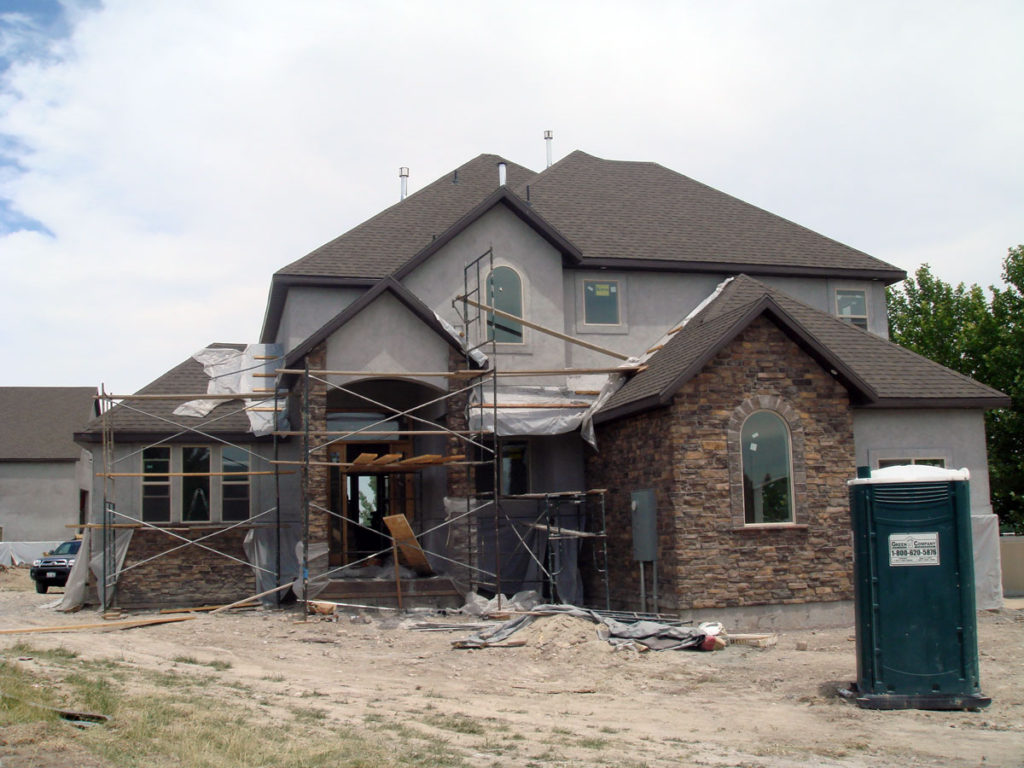
Kitchens take a beating. Spills, heat, heavy traffic, and the occasional dropped cast-iron pan. You need materials that are both durable and modern — and ideally timeless, not trendy-for-5-minutes.
| Material | Estimated Cost (per sq ft) | Trend Level (2026) | Pros | Cons |
|---|---|---|---|---|
| Quartz Countertops | $80–$135 | 🔥 High | Durable, non-porous, modern, low maintenance | Expensive, heavy, requires professional installation |
| Tile Backsplash | $18–$45 | High | Easy to clean, endless design options | Grout maintenance required |
| Engineered Wood Floor | $7–$14 | Medium | Warmer than tile, less expensive than traditional hardwood | Can scratch, not completely water-resistant |
| LVP Flooring | $3–$8 | 🔥 High | Waterproof, affordable, highly durable | Less “premium” feel than natural wood or tile |
Check out some kitchen benchtop material trends according to houzz here
2026 Design Note: Integrated stone sinks, reeded cabinet details, and warm wood accents mixed with natural stone are leading the market. Cold, stark white-on-white kitchens and glossy minimalist cabinets are completely out.
Bathroom Remodel Materials: Moisture Matters More Than Style
A pretty bathroom that molds or leaks? Hard pass.
These are the materials that blend spa vibes with waterproof strength — and can handle all the steamy, soapy chaos of real life.
| Material | Estimated Cost (per sq ft / unit) | Trend Level (2026) | Pros | Cons |
|---|---|---|---|---|
| Porcelain Tile | $12–$40 / sq ft | 🔥 High | Waterproof, sleek, budget-flexible | Cold underfoot, grout lines require routine sealing |
| Floating Vanity | $350–$1,500+ / unit | High | Modern look, opens up floor space, easier to clean underneath | Reduced storage space compared to traditional bases |
| Glass Shower Panel | $600–$2,200 / unit | 🔥 High | Clean sightlines, visually expands small bathrooms, eliminates curtain mold | Water spots and soap scum show easily without a squeegee |
| Natural Stone | $18–$60 / sq ft | Medium | Luxurious, organic aesthetics, one-of-a-kind finishes | High maintenance, porous, requires regular sealing and specialized cleaners |
2026 Design Note: Monolithic slab walls, warm unlacquered brass or brushed nickel fixtures, and curbless walk-in showers with concealed linear drains are leading the luxury market. Oversized wood-look floor tiles and stark industrial black fixtures have taken a backseat.
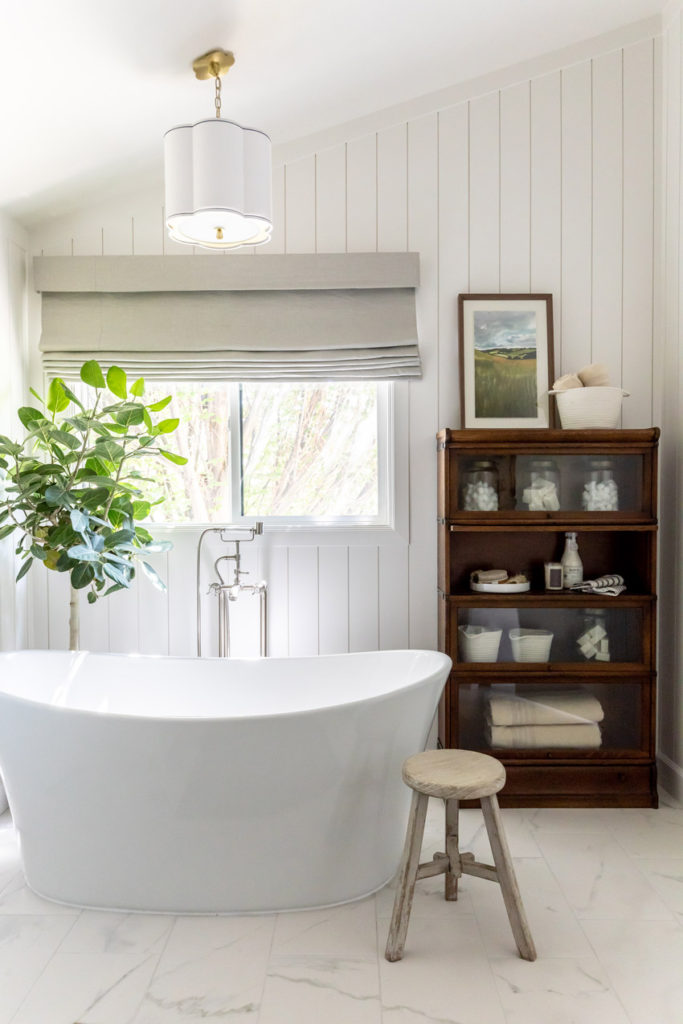
Living Room Remodel Materials: Warm, Durable, and Low-Fuss
This room handles everything — feet on the couch, wine on the rug, Nerf wars, dance parties. So you want finishes that feel comfortable but polished, and stand up to daily life.
| Material | Estimated Cost (per sq ft) | Trend Level (2026) | Pros | Cons |
|---|---|---|---|---|
| Hardwood Flooring | $9–$16 | Medium | Timeless, exceptional resale value, adds authentic warmth | Prone to scratching, highly sensitive to moisture changes |
| Engineered Hardwood | $6–$12 | 🔥 High | More dimensionally stable than solid wood, premium surface veneer | Limited number of times it can be sanded and refinished |
| LVP Flooring | $3–$8 | High | 100% waterproof, scratch-resistant, massive variety of high-end wood grain textures | Slightly lower perceived value for high-end buyers |
| Accent Wall Panels | $6–$25 | 🔥 High | Adds architecture and depth (micro-slats, plaster textures, integrated stone) | Higher upfront installation and finishing costs |
2026 Design Note: Micro-slat acoustic wood panels, seamless lime wash or micro-cement plaster walls, and hidden baseboards are driving modern living spaces. Grid-like configurations of stark white recessed can lights are out, replaced entirely by warm, layered architectural lighting—like concealed LED trim tracks and flush plaster-in wall sconces.
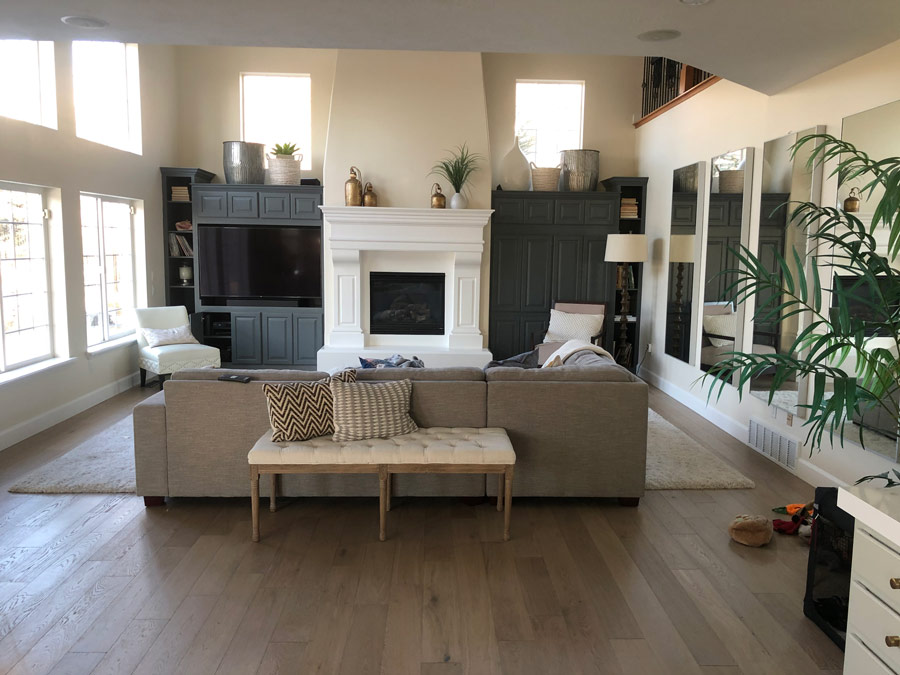
Bedroom Remodel Materials: Quiet, Cozy, and Clean
This is your recovery room — so aim for soft textures, calm tones, and low allergens. Carpet’s fading. Cleanable floors + plush layered rugs are in.
| Material | Estimated Cost (per sq ft) | Trend Level (2026) | Pros | Cons |
|---|---|---|---|---|
| Carpet | $4–$10 | Low | Excellent sound dampening, soft underfoot, cost-effective | Traps dust, pet dander, and allergens; difficult to keep perfectly clean |
| LVP Flooring | $3–$8 | 🔥 High | Extremely easy to sanitize, compatible with high-performance sound underlays | Lacks the organic, premium feel of solid hardwood |
| Acoustic Wall Panels | $12–$30 | Medium | Substantial dampening of household noise, adds tactile visual texture | Slightly reduces room footprint; requires careful layout integration |
| Natural Wood Accents | $9–$22 | 🔥 High | Brings grounding, bio-centric warmth; highly sustainable options (like pine or white oak) | Requires premium craftsmanship to prevent a dated, overly rustic look |
2026 Design Note: Earthy, grounding tones like sage, mushroom, and warm cream are anchoring the space, often paired with tactile grasscloth wallpapers or limewash finishes. Free-standing heritage furniture pieces (like statement armoires) are replacing stark, cold built-ins, and soft orb or concealed architectural lighting is favored over bright overhead fixtures.
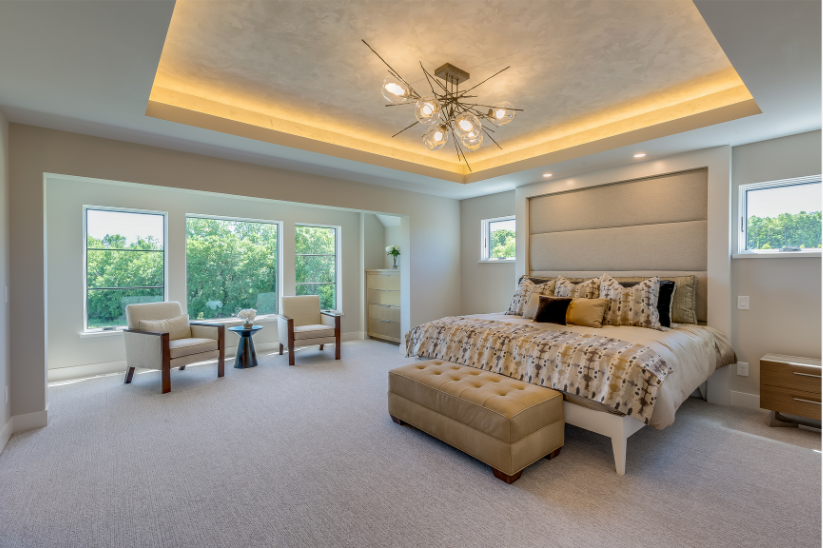
Basement Remodel Materials: Cold, Damp, and Full of Opportunity
Basements are tricky. You’re battling moisture, temperature swings, and limited light. Your materials need to be tough but flexible — especially if you’re using it as a rental or multi-use space.
| Material | Estimated Cost (per sq ft) | Trend Level (2026) | Pros | Cons |
|---|---|---|---|---|
| Luxury Vinyl Plank | $3–$8 | 🔥 High | 100% waterproof, looks premium, highly resilient against subterranean humidity | Requires a dedicated thermal underlayment to avoid feeling cold underfoot |
| Moisture-Resistant Drywall | $2.00–$4.50 | High | Inhibits mold growth, protects structural framing from dampness | Higher material and finishing costs than standard panels |
| Metallic or Quartz Epoxy | $5–$11 | Medium | Indestructible surface perfect for home gyms, workshop spaces, and rentals | Completely non-porous and cold without radiant subfloor heating |
| Architectural Drop Ceilings | $3–$7 | 🔥 High | Conceals mechanical runs while maintaining total utility access; dampens sound | Requires premium modern profiles to avoid looking commercial or dated |
2026 Design Note: Integrated acoustic ceiling systems with hidden grid systems and flush architectural track lighting are replacing standard drop ceilings. Finished basements are moving toward high-end multi-functional spaces—like custom walk-in wine cellars, home simulators, and dedicated ADU rental suites—where advanced acoustic engineering and high-output warm LED lighting systems simulate natural daylight.
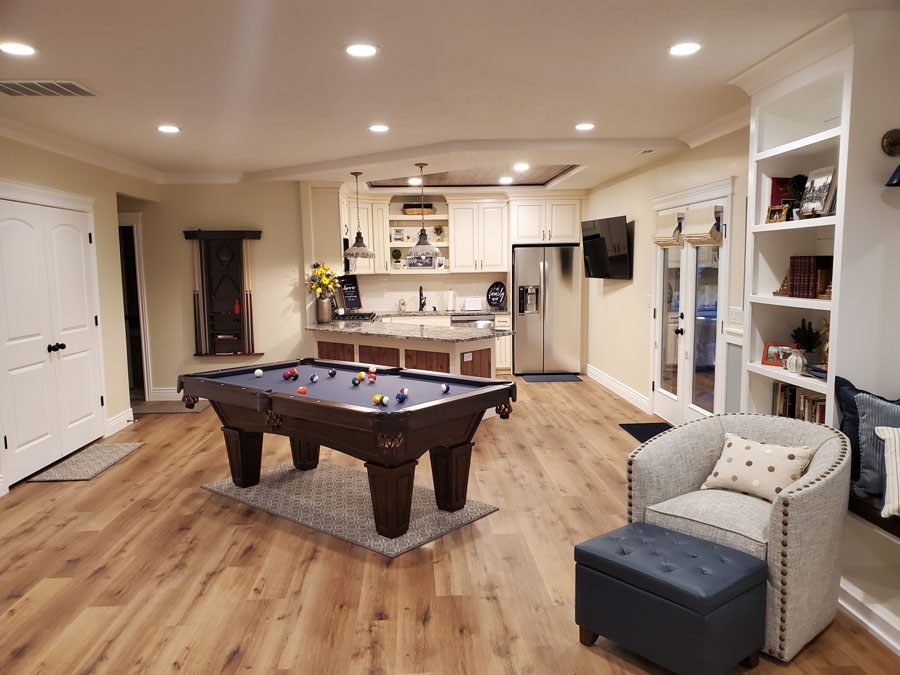
Outdoor Remodel Materials: Weather-Proof, Wine-Ready, Wow Factor
Outdoor living is booming. If your backyard is a mud pit or your deck is splinter city, here’s what to use to transform it into usable space 365 days a year.
| Material | Estimated Cost (per sq ft / unit) | Trend Level (2026) | Pros | Cons |
|---|---|---|---|---|
| Composite Decking | $30–$55 / sq ft | 🔥 High | No staining, warping, or rot; splinter-free and highly durable | Higher initial material cost than pressure-treated lumber |
| Porcelain Pavers | $10–$25 / sq ft | 🔥 High | Fade-resistant, slip-resistant, ultra-modern clean lines | Requires a meticulously leveled base and professional installation |
| Cedar or Redwood | $8–$18 / sq ft | Medium | Natural insect resistance, gorgeous authentic grain, stays cool underfoot | Demands regular cleaning and sealing to maintain color and prevent weathering |
| Louvered Aluminum Pergola | $1,500–$6,000+ / unit | 🔥 High | Motorized weather control, integrated gutter tracks, architectural profile | Requires professional electrical tie-ins and structural anchoring |
2026 Design Note: Automated, motorized louvered pergolas with integrated screen drops are leading the backyard space. The goal is complete environmental control—pairing flush-mounted gas infrared heaters and professional-grade outdoor kitchen island blocks with the main house structure. Basic, non-functional wood pergolas and plastic furniture setups are out.
What’s Worth the Splurge?
Here’s where to invest, and where to save:
| Remodel Area | Worth the Splurge | Save Here |
|---|---|---|
| Kitchen | Countertops (Quartz/Slab), Premium Cabinets | Paint, Backsplash Tile |
| Bathroom | Waterproofing/Slab Work, Concealed Linear Drains | Vanity (High-End Prefab over Custom Built) |
| Living Room | Engineered Hardwood, Architectural Trim Tracks | Paint, Soft Furnishings and Decor |
| Bedroom | Custom Wardrobe Layouts, Layered Lighting Automation | Flooring (High-Performance LVP + Premium Rug Combo) |
| Basement | Subfloor Thermal/Moisture Barriers, Advanced Acoustics | Drywall Texture Finish, Paint Grades |
| Outdoor Space | High-Performance Composite, Structural Hardscaping | Standard Greenery, Low-Voltage DIY Accent Lights |
Remodeling Material FAQs
Q: What’s the most durable flooring for a whole-home layout?
A: High-performance Luxury Vinyl Plank (LVP) or high-end engineered hardwood with a thick wear layer. Premium LVP handles moisture and high traffic seamlessly across kitchens, basements, and living spaces, while engineered hardwood offers a better balance of real-wood resale value and structural stability.
Q: Should I use the same flooring throughout the entire main level?
A: Yes. Keeping a single, continuous flooring material across open-concept spaces eliminates jarring transitions, makes the floor plan feel significantly larger, and creates a clean visual flow. LVP or engineered oak are the top choices for achieving this cohesion without failing in moisture-prone zones.
Q: What countertop material gives a high-end luxury look without the massive price tag?
A: High-definition quartz that mimics premium natural stone calacatta patterning, or solid soapstone-alternative laminates with flush, seamless undermount profiles. They deliver the architectural visual weight of expensive slabs at a fraction of the cost, completely avoiding the maintenance headaches of highly porous, dated granite.
Q: How do I choose materials that won’t look dated in two years?
A: Focus on architectural permanence and natural textures over fast-cycling aesthetic trends. Invest in structural, grounding elements like warm wood veneers, unlacquered metals, and large monolithic surfaces. Completely stay away from high-contrast industrial fixtures, ultra-stark white-on-white minimalism, and overly intricate micro-tile mosaics that scream mid-2020s.
Q: Is it worth upgrading to curbless showers and linear drains during a bathroom remodel?
A: Absolutely. Moving to a curbless walk-in shower with a concealed linear drain isn’t just a design preference; it removes visual clutter, expands the footprint of smaller bathrooms, and dramatically increases universal accessibility—making it one of the highest-returning structural investments you can make for long-term resale value.
Ready to Remodel Smarter?
Choosing materials is more than just picking what looks pretty on Pinterest. It’s about how your home works, how you live, and how your choices will hold up under stress — from toddlers to tenants to that one uncle who slams every door.
Live in Utah?
If you’re based anywhere from Salt Lake to Park City, our team at Pro-Worx Construction can bring these remodeling ideas to life — from material selection to full project execution.
We can help you plan smart, build right, and avoid remodel regret. Reach out for a quote — or just binge the rest of our home remodeling blogs while you’re here.