
Overview
If you want family arriving for Thanksgiving or Christmas to walk into a finished basement, late July is genuinely the last realistic window to start the process. A Utah basement finish takes 10 to 12 weeks of construction after permits are approved, and permits take 1 to 4 weeks depending on your city. The math only works in your favour if you start the planning conversation now. This guide walks through the exact timeline from first call to finished basement, the specific decisions that get made in what order, the risks that can push a December completion past Christmas, and what to do if you are already cutting it close.
Table of Contents
- What Does a Utah Basement Finish Actually Take From First Call to Done?
- What Is the Exact Timeline If You Start Planning in August?
- What Are the Biggest Risks That Could Push Your Basement Past the Holidays?
- Why Is Fall the Best Time to Start a Utah Basement Project?
- What Decisions Do You Need to Make Before Calling a Contractor?
- What If You Miss the Window for Christmas — When Should You Aim For Instead?
- What Can You Realistically Expect From a Utah Basement Started Now?
- Frequently Asked Questions
Every year we take calls in October from homeowners who want a finished basement by Christmas. Some of those projects make it. Many do not. The ones that make it almost always started the planning conversation in July or August. The ones that do not almost always started it in September or October, when the math simply stops working regardless of how motivated everyone is.
We finish basements across Utah County, Salt Lake County, Davis County, and Summit County. Here is the honest timeline for anyone reading this in late July who wants family to walk into a finished basement this winter.
What Does a Utah Basement Finish Actually Take From First Call to Done?
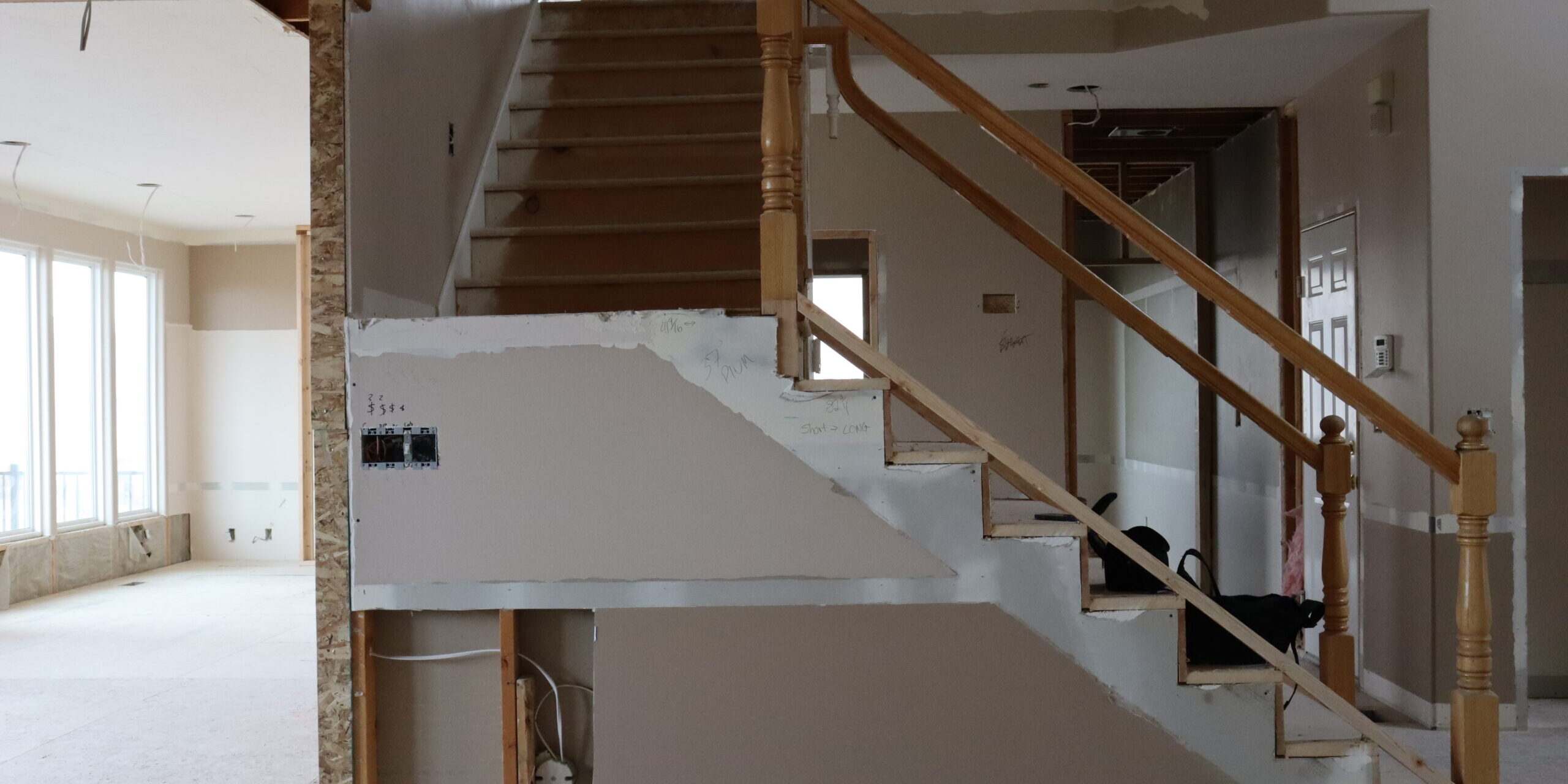
The construction itself takes 10 to 12 weeks for a typical Utah basement finish according to current Utah contractor data. But the construction does not start on day one. There is a planning and permitting phase that comes first and takes time regardless of how motivated everyone is to move quickly.
| Phase | What Happens | Typical Duration |
|---|---|---|
| Consultation and design | Contractor walks the space, you discuss layout and scope, drawings are produced | 1 to 2 weeks |
| Permit submission and approval | Plans submitted to city, reviewed and approved. Simple projects 3 to 7 business days in some cities. More complex projects or resubmissions 2 to 4 weeks. | 1 to 4 weeks |
| Framing and rough-ins | Walls framed, electrical, plumbing, and HVAC rough-in completed and inspected | 3 to 5 weeks |
| Drywall, texture, and paint | Drywall hung, taped, mudded, textured, primed, and painted | 2 to 3 weeks |
| Flooring, trim, and finishes | Flooring installed, trim and doors hung, bathroom tile, fixtures, electrical finish | 2 to 3 weeks |
| Final inspection and punch list | City final inspection, punch list items addressed, walkthrough with homeowner | 1 to 2 weeks |
Total from first call to finished basement: 14 to 18 weeks in most cases. That is 3.5 to 4.5 months. Some projects come in faster. Complex projects or those with resubmitted permits take longer. That is the honest range.

What Is the Exact Timeline If You Start Planning in August?
Here is the week-by-week math for a homeowner who calls a contractor in the first week of August 2026.
| Timing | What Is Happening | Where You Are |
|---|---|---|
| Early August | First call, contractor walkthrough, scope discussion | Day one of the process |
| Mid August | Layout finalised, drawings produced, permit submitted | 2 weeks in |
| Late August to early September | Permit approved, construction start date confirmed, materials ordered | 4 to 6 weeks in |
| September | Framing begins, rough-in trades scheduled | Construction week 1 to 4 |
| October | Rough-ins complete and inspected, drywall starts | Construction week 5 to 8 |
| November | Drywall complete, paint, flooring begins | Construction week 9 to 11 |
| Early to mid-December | Finishes complete, final inspection, walkthrough | Done before Christmas |
This timeline works if the process starts now and moves without significant delays. It has no buffer for a permit resubmission, a change order mid-project, or a special-order material with a long lead time. The margin is real but it is not generous. Every week you wait in August or September compresses that margin further.
A family in Syracuse called us in late July last year. Their goal was a finished family room and bathroom for Christmas when both sets of grandparents were visiting for the first time in three years. We walked the basement in early August, submitted the permit in the second week of August, broke ground in mid-September, and handed them the keys on December 18th. The final inspection passed on the 16th. They texted us a photo of the grandparents sitting in the new space on Christmas Eve. That project worked because the call came in July. If it had come in October it would not have been possible.

What Are the Biggest Risks That Could Push Your Basement Past the Holidays?
Even a project that starts on time in July can slip past Christmas if specific risks are not managed from the beginning. Here is what actually causes holiday basement projects to miss the deadline.
| Risk | How Much Time It Can Add | How to Prevent It |
|---|---|---|
| Permit resubmission | 1 to 3 additional weeks | Work with a contractor who submits complete, accurate plans the first time. Incomplete applications are the most common cause of permit delays. |
| Change orders mid-project | 1 to 4 weeks per significant change | Lock in every design decision before construction starts. Moving a wall or changing a bathroom layout after framing begins means waiting for trades to reschedule. |
| Special order materials | 2 to 8 weeks depending on the item | Order non-standard flooring, custom tile, or specialty fixtures before construction starts. Do not wait until the flooring phase to discover an 8-week lead time. |
| Failed rough-in inspection | 1 to 3 weeks for correction and reinspection | Use a licensed, experienced contractor whose rough-in work consistently passes first inspection. Ask specifically about their first-pass inspection record. |
| Unexpected foundation or moisture issues | 1 to 6 weeks depending on severity | Get a thorough pre-construction walkthrough that checks for cracks, moisture, and slab type before committing to a timeline. |
| Contractor scheduling gaps | Unpredictable | Confirm that the contractor can commit to your specific start and completion dates before signing. Ask what happens to your timeline if a subcontractor has a conflict. |
Why Is Fall the Best Time to Start a Utah Basement Project?
Starting in late summer and building through fall is not just about the holiday deadline. It is also genuinely the best time of year for a basement project in Utah for reasons that have nothing to do with Christmas.
Why fall works better than spring or summer for Utah basement projects:
- Contractor availability. Spring and early summer are the busiest booking periods in Utah construction. Exterior projects, landscaping, and outdoor remodels compete for the same trades. By late summer and fall, contractors and their sub-trades have more open calendar space. A project that quotes at 14 to 16 weeks during peak season can realistically complete in 10 to 12 weeks during fall when trades are more available.
- Permit processing speed. City building departments get flooded with permit applications in spring. Fall applications often move through review faster simply because the volume is lower.
- Basement work is indoor work. Unlike exterior projects, a basement finish is completely unaffected by Utah weather. The basement will be the right temperature and humidity for drywall, paint, and flooring work regardless of what October and November bring outside.
- Enjoy the space all winter. Finishing in the fall means the family room, home theater, or guest suite is ready for the months when the family is inside the most.
What Decisions Do You Need to Make Before Calling a Contractor?
You do not need to have everything figured out before the first call. But having answers to these questions ready will make the consultation faster and the design-to-permit phase significantly shorter.
Decisions to make before calling:
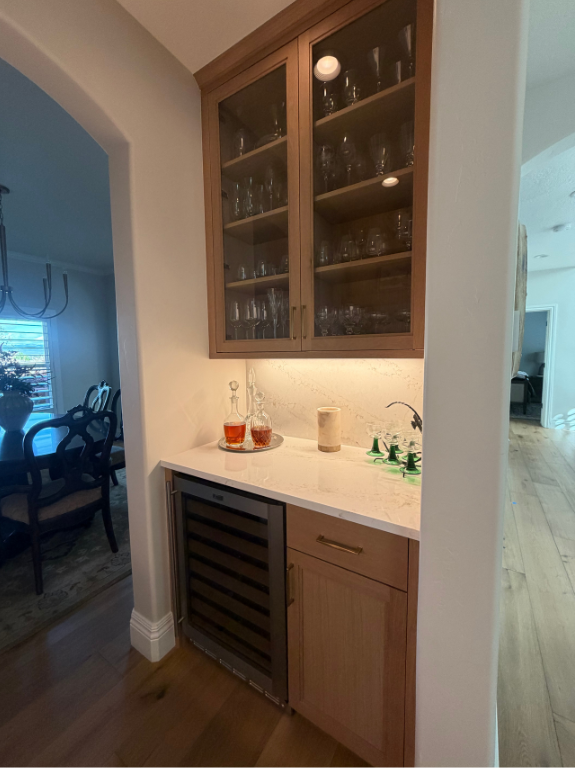
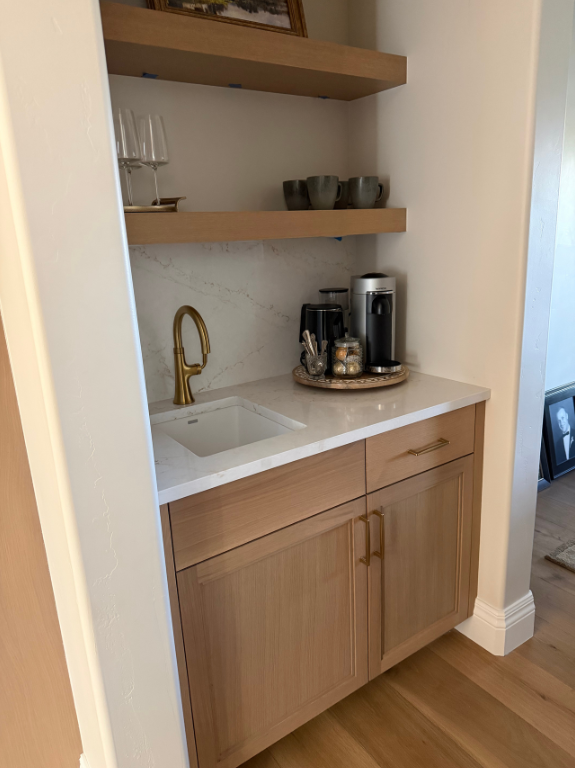
- What rooms do you need? Family room only, bedrooms, bathroom, home office, wet bar, or a combination. Every additional room adds time and cost. Knowing your priority rooms upfront keeps the scope realistic for the timeline.
- Do you need a bedroom? If yes, an egress window will be required. This needs to be flagged early because cutting an egress window in a foundation wall is one of the items with the longest lead time coordination.
- What finish level are you targeting? Basic and functional or mid-range quality finishes. High-end custom finishes add weeks to every phase.
- What is your budget range? You do not need an exact number but knowing whether you are at $45,000 or $85,000 helps a contractor design to the right scope immediately rather than having multiple conversations about scale.
- Will you be financing? If you are using a HELOC or home equity loan, start that application now. Approval takes 2 to 4 weeks and you want financing confirmed before construction begins, not during it.
Decisions that can wait until after the consultation:
- Specific flooring product and colour
- Paint colours
- Light fixture choices
- Bathroom tile and fixture selection
- Cabinet style and hardware
The decisions in the second list can be made after the permit is submitted, while the permit is being reviewed. This is how you use the waiting period productively rather than letting it sit idle. Ask your contractor for a material selection list and work through it during the permit approval window.
A couple in Alpine came to our first meeting with a hand-drawn sketch of what they wanted, a clear budget, and a confirmed HELOC already in place. The consultation took 45 minutes instead of two hours. Plans were submitted within a week. The permit came back in nine days. Construction started on September 9th. Their basement was done on December 11th with two weeks to spare before the in-laws arrived. They said the preparation work they did before calling us was the single thing that kept the project on schedule because every decision was made before it was needed rather than during construction when delays are expensive.
What If You Miss the Window for Christmas — When Should You Aim For Instead?
If August passes without a contractor call, Christmas becomes a very difficult target. That does not mean the project is off. It just means the realistic target shifts.
| If You Start Planning In… | Realistic Completion Target | Notes |
|---|---|---|
| Late July to early August | December, before Christmas | Achievable with no major delays. This is the window. |
| Mid to late August | December to January | Possible but tight. Any delay pushes into the new year. |
| September | January to February | Christmas is off the table as a reliable target. Plan for New Year or Valentine’s Day instead. |
| October | February to March | Mid-winter completion. Still great timing for getting the space before spring. |
| November or December | March to April | Winter break is gone but spring in a new basement space is still a win. |
The most important thing about missing the Christmas window is not to rush a project to hit an artificial deadline. A basement finish that gets pushed through in ten weeks because everyone is trying to hit Christmas almost always has a punch list that takes weeks to close out, inspections that get rushed, or material choices that get made in a hurry and regretted later. A February completion done properly is significantly better than a December completion done under pressure.
What Can You Realistically Expect From a Utah Basement Started Now?
Here is a realistic picture of what a basement finish started in late July 2026 delivers for a typical Utah home at a mid-range budget.
What you get:
- A fully finished, permitted, and inspected basement ready for family to use before Christmas
- Typically 800 to 1,500 square feet of new livable space depending on your home
- A space that adds 75 to 85 percent of its cost back to the value of your home at resale according to NAR’s Remodeling Impact Report
- A finished basement that resolves the storage-versus-living-space tension that drives most families to consider it in the first place
What to have ready before your first consultation:
- A rough sense of the rooms you want and your priority between them
- A general budget range
- Your permit history for the property if you have done previous work
- Whether you are using a HELOC, home equity loan, or cash. If financing, start the application this week.
- Your holiday target date, stated clearly so the contractor can plan the schedule backward from it
Frequently Asked Questions
Can I realistically finish a Utah basement before Christmas if I start now?
Yes, if you start the planning conversation in late July or early August. A Utah basement finish takes 10 to 12 weeks of construction after permits are approved, plus 2 to 4 weeks for the design and permit phase. Starting now puts you on track for a December completion. Every week you wait past mid-August compresses the margin further until Christmas becomes unrealistic as a target.
How long does it take to get a basement permit in Utah?
It varies significantly by city and by how complete the submission is. Simple projects in cities like Salt Lake County can move in 3 to 7 business days. Larger or more complex projects, or submissions that need corrections and resubmission, can take 2 to 4 weeks. Working with a contractor who submits complete, accurate plans the first time is the single most reliable way to speed up the permit phase.
What is the biggest mistake people make when planning a holiday basement finish?
Starting the conversation too late. October calls for a Christmas completion are almost always impossible without rushing work that should not be rushed. The second biggest mistake is making design changes after construction starts. Change orders are the single most common reason projects miss a deadline even when they start on time.
Is fall a good time to finish a Utah basement?
Yes, for multiple reasons. Contractor availability improves as exterior projects wind down after summer. Permit processing is often faster with lower application volume. Basement work is completely unaffected by fall weather. And a finish that starts in August and September gives you a finished space to enjoy all winter, which is when Utah families spend the most time indoors.
What rooms can I realistically finish in a basement by Christmas if I start now?
A family room and bathroom is the most common combination for a holiday-focused finish and is very achievable in the July start window. Adding one or two bedrooms is also realistic. A highly complex project with a full kitchen, multiple bathrooms, and extensive custom work is harder to complete reliably in the available window. Tell your contractor your priority spaces and let them tell you what the timeline supports.
Should I start financing before calling a contractor?
Starting the HELOC or home equity loan application in parallel with the contractor conversation is smart. Financing approval takes 2 to 4 weeks and you want confirmed funds before construction begins. If you wait until after the consultation to start the financing application, you risk having confirmed plans and a permit but no funding ready when construction is supposed to start.
Finish Basement Before Christmas Utah • Utah Basement Holiday Timeline • How Long to Finish Basement Utah 2026

Bryant Bitner
Founder & Lead Project Manager, Pro-Worx Construction
Bryant has delivered finished basements before Christmas for Utah families who planned ahead and watched the same dream slip past New Year’s for families who called too late. He knows exactly which decisions accelerate the timeline and which ones quietly eat into it. He would rather tell you in July that Christmas is achievable than tell you in October that it is not.
When he is not on job sites you will find him helping families understand what their timeline actually looks like before they commit to a deadline they cannot hit.