In This Article
Why Timeless Beats Trendy When You're Spending This Much
Kitchen trends move fast. We've watched all-white everything dominate for a decade, then subway tile backsplashes become so universal they started to feel generic, then two-tone cabinets have their moment. If you're spending anywhere from $30,000 to $80,000 or more on a kitchen remodel, which is the typical range we see across Utah projects depending on scope and finish level, you want choices that will still look right in 10 to 15 years, not ones that read as dated the moment the next trend cycle hits.
That doesn't mean your kitchen has to be boring. It means putting your money into the elements that are hardest and most expensive to change, cabinetry, countertops, flooring, and leaning on cheaper, swappable elements like paint, hardware, and lighting fixtures to keep things feeling current as tastes shift. Here are the five choices that have proven their staying power across pretty much every kitchen we've built, remodeled, or walked through in the last several years.
1. Shaker-Style Cabinetry
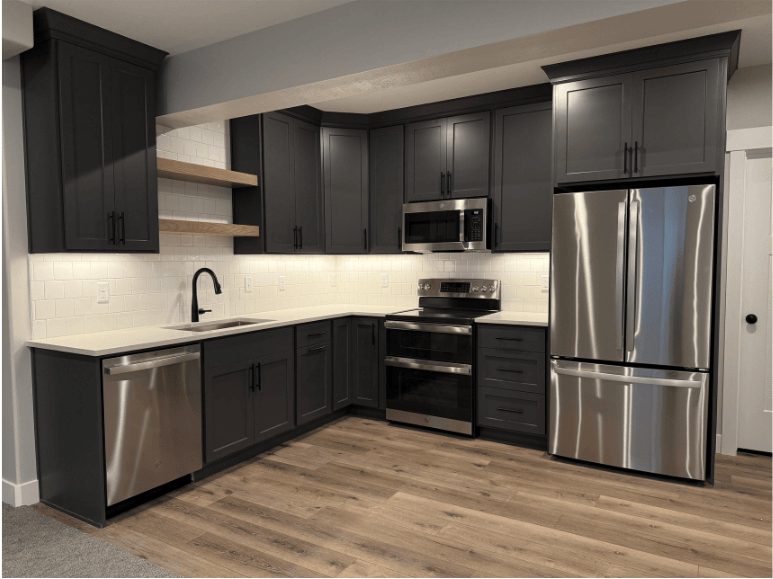
Shaker cabinets, with their clean lines and simple recessed center panel, trace back to 18th century Shaker furniture design, and they've never really gone out of style since becoming a kitchen staple. That's not an accident. The flat panel with a simple frame reads as classic in a traditional kitchen, clean in a transitional one, and minimal enough to work in a modern space too. Very few cabinet styles pull off that range.
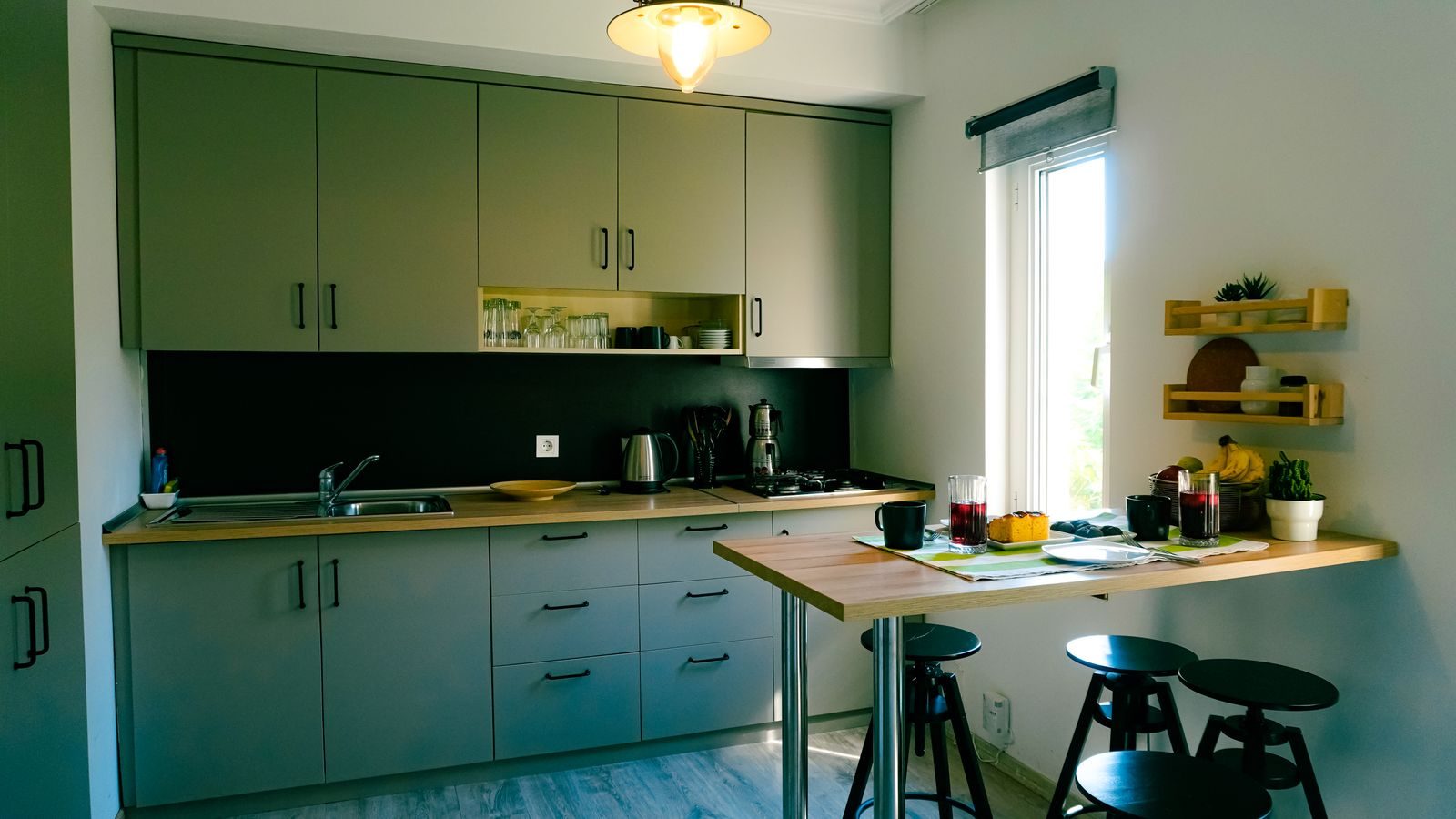
Color is where you can have fun without risking the shape going out of style. Crisp white Shaker doors give you a bright, timeless kitchen. A deep navy or forest green island with white perimeter cabinets adds real personality while keeping the door style itself completely classic. Either way, you're not locked into a look that screams a specific decade the way, say, heavily ornate raised-panel cabinets from the early 2000s now do.
2. Engineered Quartz Countertops
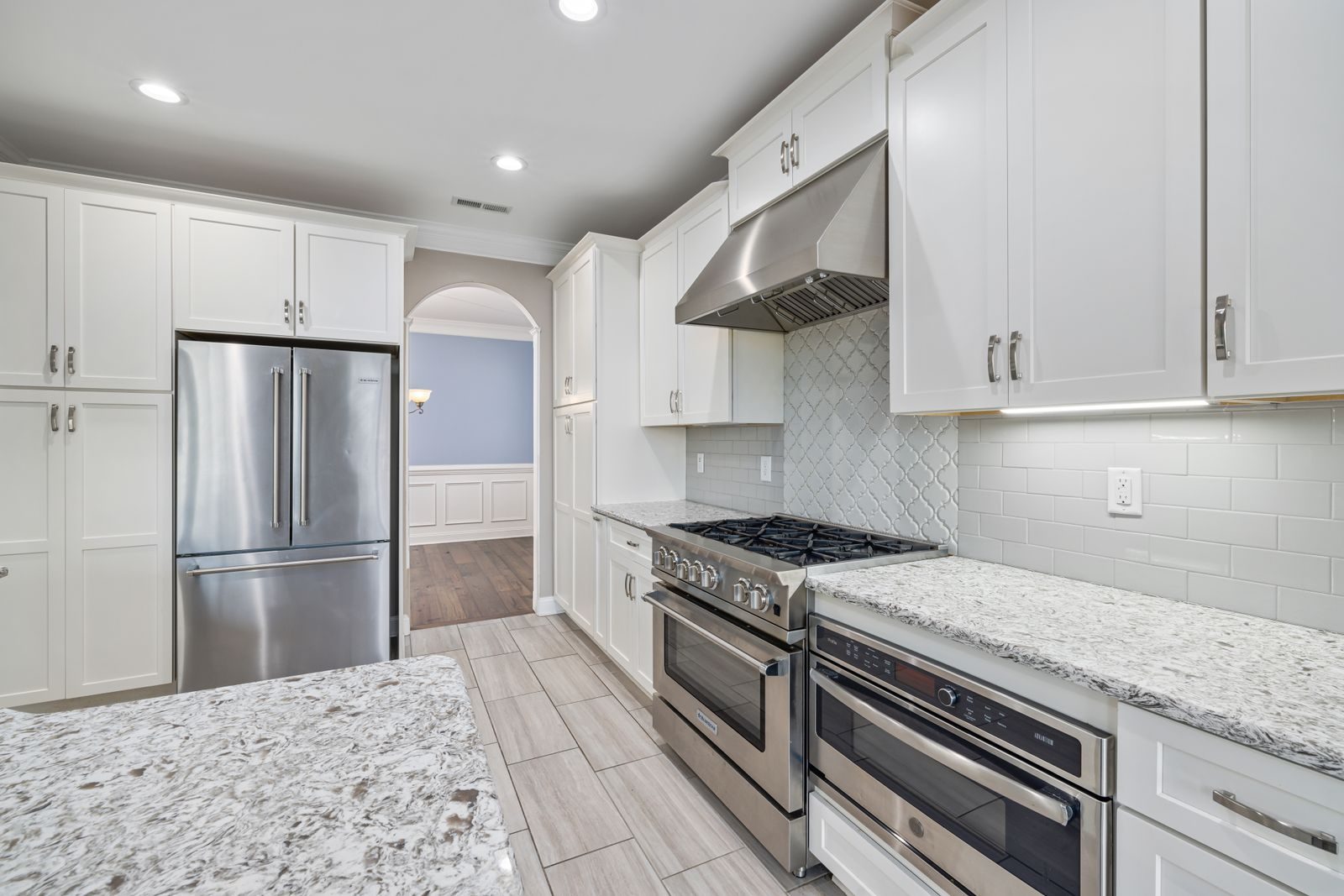
Natural stone has an undeniable charm, but engineered quartz has earned its spot as the practical, timeless choice for most kitchens. It's roughly 93% crushed natural quartz bound with resin, which means it's non-porous (no annual sealing required), highly resistant to staining, and available in an enormous range of patterns, including marble-look slabs from brands like Cambria and Caesarstone that are genuinely hard to distinguish from the real thing in a finished kitchen.
The trade-off, and it's a fair one, is that quartz handles extreme heat slightly less gracefully than granite and can fade with prolonged, direct UV exposure near a sunny window. For the vast majority of kitchens, those are minor considerations next to the convenience of a countertop that doesn't need yearly maintenance and resists the kind of staining that ages granite poorly if it's not sealed on schedule.
Thinking about a kitchen remodeling project of your own?
Get a Free Estimate3. Undermount Sinks
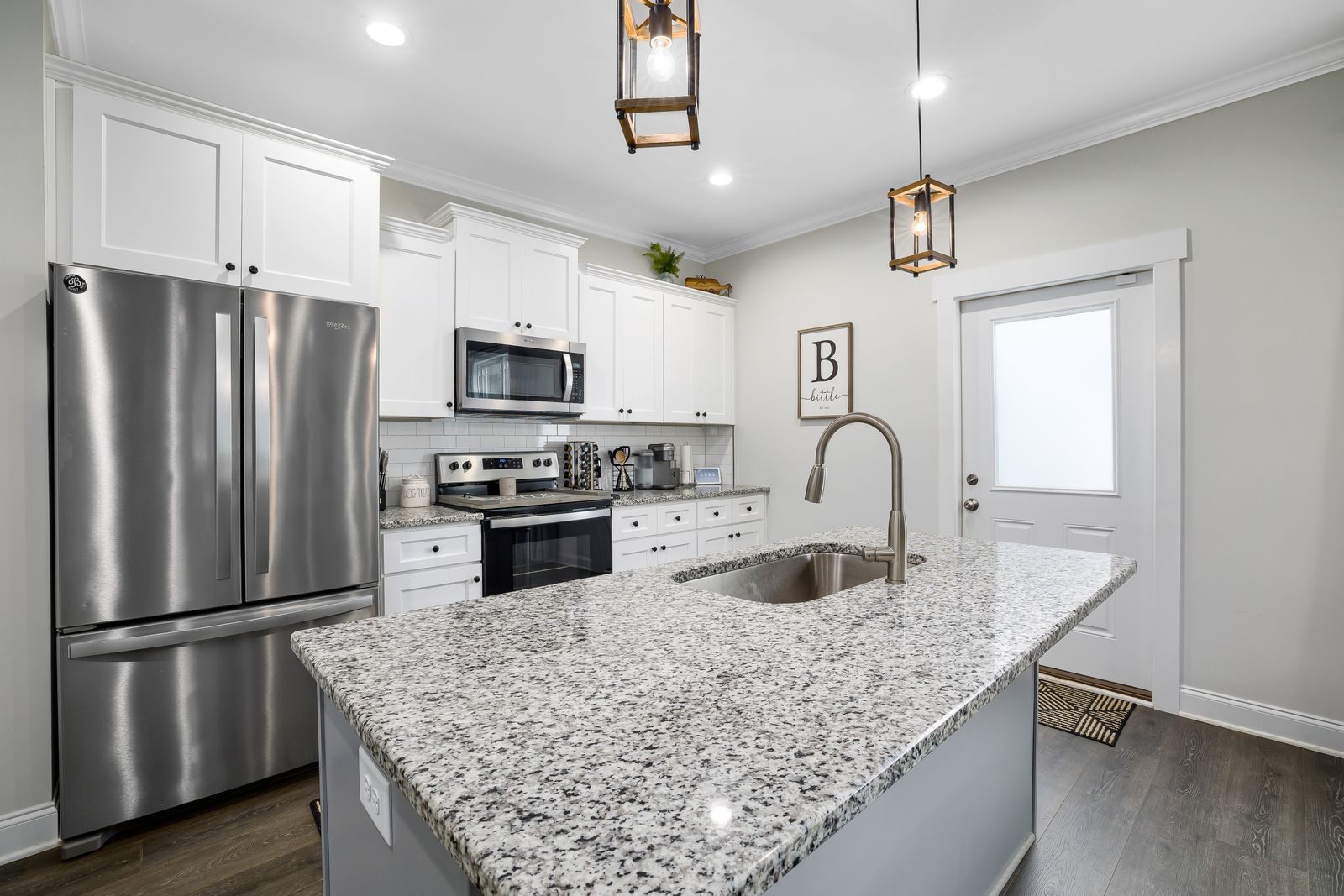
Drop-in sinks with a visible metal rim were standard for decades, but they've fallen out of favor for good reason. An undermount sink, mounted from below so the countertop edge is exposed and seamless, creates a cleaner look and makes wiping crumbs and water straight into the sink actually possible instead of catching on a rim.
They pair well with both quartz and granite, and for most households, a large single-bowl undermount in stainless steel or a composite granite finish is the most versatile choice, big enough for stock pots and sheet pans, simple enough to never look dated.
4. Warm Flooring: Hardwood or LVP
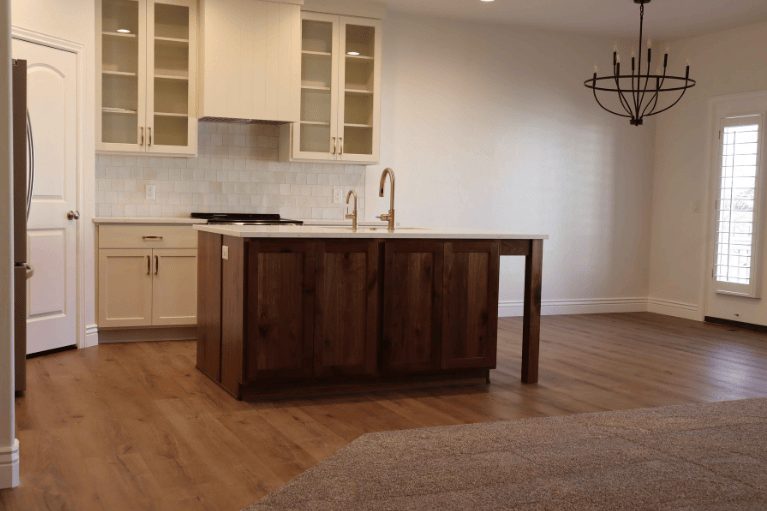
Tile is durable and still common, but it can read cold and clinical, especially in a kitchen that opens into a living or dining space with hardwood floors. Engineered hardwood or a high-quality luxury vinyl plank brings warmth underfoot and visual continuity if the rest of your main floor already has wood flooring, which is increasingly the case in open-concept Utah homes.
Today's LVP in particular has closed the gap with hardwood in a way that matters for kitchens specifically: it's fully waterproof, scratch-resistant against dropped pans and dog nails, and costs meaningfully less than real hardwood while still looking convincing underfoot and in photos.
5. Neutral Palettes With One Bold Move
All-white kitchens had a long run, but that look has started to feel a little expected rather than fresh. The approach that's held up best over time is a soft, warm neutral, think greige, warm gray, or a muted off-white, on the walls and perimeter cabinets, with personality injected through one bold move: a colored island, a statement backsplash, or a striking pendant light over the sink or island.
The logic here is practical as much as aesthetic. The big-ticket, hard-to-change elements (cabinets, counters, flooring) stay neutral and age gracefully. The cheap, easy-to-swap elements (paint on an island, light fixtures, hardware, a backsplash if you're ambitious) carry the personality and can be refreshed in a weekend if your taste shifts five years down the road.
Timeless vs. Trend-Driven: A Quick Comparison
| Element | Timeless Choice | Higher-Risk Trend Choice |
|---|---|---|
| Cabinet door style | Shaker (simple recessed panel) | Heavily ornate or highly specific niche profiles |
| Countertop | Quartz or granite in neutral patterns | Trend colors or extreme patterns tied to one era |
| Sink | Undermount, single or double bowl | Novelty shapes or farmhouse styles that don't fit the layout |
| Flooring | Engineered hardwood or neutral LVP | Heavily patterned or very dark/very light trend tile |
| Wall color | Warm neutral with an accent feature | Bold color on every surface at once |
Thinking about a kitchen remodeling project of your own?
Get a Free EstimateFAQs
Does choosing timeless materials mean my kitchen will look generic?
Not if you're intentional about it. Timeless materials in the big, expensive elements give you a stable foundation, and you still have plenty of room to express personality through hardware, lighting, backsplash, and paint, the parts that are cheap and easy to update later if your taste shifts.
Is quartz always the better choice over granite for timelessness?
Not necessarily, it depends on what you value. Quartz is lower maintenance and very consistent, which reads as timeless to a lot of buyers and homeowners. Granite's natural variation has its own enduring appeal for people who love that organic look. Both have held up well over the long run when chosen in classic patterns rather than trend colors.
How long should a well-built kitchen remodel actually last before it feels dated?
With the materials in this list, most homeowners go 15 to 20 years before feeling a real urge to redo the whole kitchen, and even then it's often more about wanting new appliances or a layout change than the materials themselves looking outdated.
What's the biggest mistake people make chasing trends in a kitchen remodel?
Putting a trend into one of the expensive, hard-to-change elements, a very specific trend-colored countertop or a highly stylized cabinet door profile, rather than into cheap, swappable elements like paint and fixtures. When the trend fades, you're stuck looking at an expensive reminder of it every day.
Final Thoughts
The common thread across all five of these picks is that they prioritize quality materials and classic proportions over whatever's trending on social media this year. That's not a boring strategy, it's a smart one when you're putting tens of thousands of dollars into a space you'll use every single day for the next couple of decades. Build the foundation right, and your kitchen ages gracefully instead of needing a redo before you've even paid it off.
Ready to Start Your Kitchen Remodeling Project?
Get a free consultation and estimate from Utah's trusted home renovation experts.

Bryant Bitner
Founder & Lead Project Manager, Pro-Worx Construction
Bryant leads Pro-Worx Construction and has helped hundreds of Utah families plan and build renovations they actually use, from basement finishes to full home remodels. He focuses on honest scoping, code compliance, and clear numbers from the first conversation.