
Overview
This guide explains why basement floors in Utah feel so much colder than the rest of the house, what radiant floor heating actually costs once you separate electric systems from hydronic systems, and whether the comfort is worth the price tag for a real Utah basement project. It covers installed cost ranges, monthly operating cost, lifespan, a lesser known humidity benefit that has nothing to do with comfort, and three real homeowner stories from across the Wasatch Front. The short answer is that it depends heavily on whether you are pouring new concrete anyway, but the full answer explains exactly where radiant heat earns its cost back and where it is simply a luxury you are paying for every month.
Table of Contents
- Why Does My Basement Floor Feel So Much Colder Than Upstairs
- Electric or Hydronic, Which One Actually Makes Sense for a Basement
- What Radiant Floor Heating Actually Costs in a Utah Basement
- Does the Math Change If You Are Already Pouring a New Slab
- How Much Does It Actually Add to Your Monthly Bill
- The Humidity Trick Nobody Tells You About Radiant Heat
- Common Mistakes Homeowners Make With Basement Radiant Heat
- So Is It Actually Worth It in Utah
- Frequently Asked Questions
Every Utah household has the same winter ritual. Someone walks downstairs in socks, immediately regrets it, and yells up the stairs asking why the basement is always ten degrees colder than the kitchen even though the thermostat says otherwise. Then someone else yells back that the thermostat does not lie, the floor does. That second person is technically correct, and it is the whole reason radiant floor heating exists.
We get asked about heated basement floors constantly during finishing projects across Salt Lake, Summit, Davis, and Utah County. People see it on a renovation show, fall in love with the idea, then panic a little when they hear the price. So let us walk through what this actually costs, where it actually pays off, and where you are simply buying comfort because you want it, which is a perfectly fine reason too.
Why Does My Basement Floor Feel So Much Colder Than Upstairs
Your thermostat measures air temperature, not surface temperature, and that gap is the entire problem. The air in a finished basement can sit at a perfectly comfortable 70 degrees while the concrete slab underneath your feet stays locked in the mid 50s, because that slab is in direct contact with the ground, and Utah ground holds a steady temperature year round no matter what the weather is doing above it.
Bare skin loses heat through direct contact far faster than it loses heat to air, which is why a basement can feel cold even when the room itself is not. Forced air heating warms the air around you, which helps, but it never touches the actual source of the discomfort. Radiant floor heating is the only system that goes straight at the slab itself instead of trying to out muscle it with warmer air blowing from a vent across the room.
Electric or Hydronic, Which One Actually Makes Sense for a Basement
This is the question that derails almost every homeowner’s research, because the two systems are not really competing products, they are built for different jobs entirely.
| Factor | Electric System | Hydronic System |
|---|---|---|
| How it works | Thin resistance cables or mats under the floor | Hot water circulated through PEX tubing |
| Best fit | A single room, a bathroom, a small office area | A whole basement, especially during a full finish |
| Upfront cost | Lower for small areas | Higher upfront, needs a boiler or water heater source |
| Cost to run | Higher per square foot over time | Lower per square foot over time at larger scale |
A simple way to think about it. Electric is the better tool for a powder room or a small home office. Hydronic earns its keep once you are heating an entire basement floor plan, because the boiler and the plumbing infrastructure get shared across every room instead of paying for separate electric mats in each one.
A family in South Jordan originally wanted electric radiant heat under their entire 1,100 square foot basement because their neighbor had it in a single bathroom and loved it. Once we walked through the math on heating the whole floor electrically versus tying into their existing gas water heater for a hydronic loop, the choice became obvious. They went hydronic for the main living area and kept electric just for the bathroom tile, which ended up being the best of both systems instead of forcing one system to do a job it was never built for.
What Radiant Floor Heating Actually Costs in a Utah Basement
Here are the numbers people actually need, broken out by project size, since the per square foot pricing you see floating around online almost never matches what a basement specific install actually runs once concrete and subfloor prep are factored in.
| Project Type | Electric Cost | Hydronic Cost |
|---|---|---|
| Single bathroom (50 to 100 sq ft) | $500 to $1,700 | $4,000 to $5,000 |
| Home office or theater room | $2,400 to $4,500 | $3,500 to $7,000 |
| Full 1,000 sq ft basement | $12,000 to $30,000 | $13,700 to $25,000 |
Notice how close the full basement numbers land between the two systems. That is the tipping point most homeowners never realize exists. Below about 300 to 400 square feet, electric is almost always the cheaper road. Above that, hydronic starts closing the gap fast, and once you are heating a whole basement floor plan, hydronic frequently comes out ahead on total project cost while also costing less every single month to run.
Does the Math Change If You Are Already Pouring a New Slab
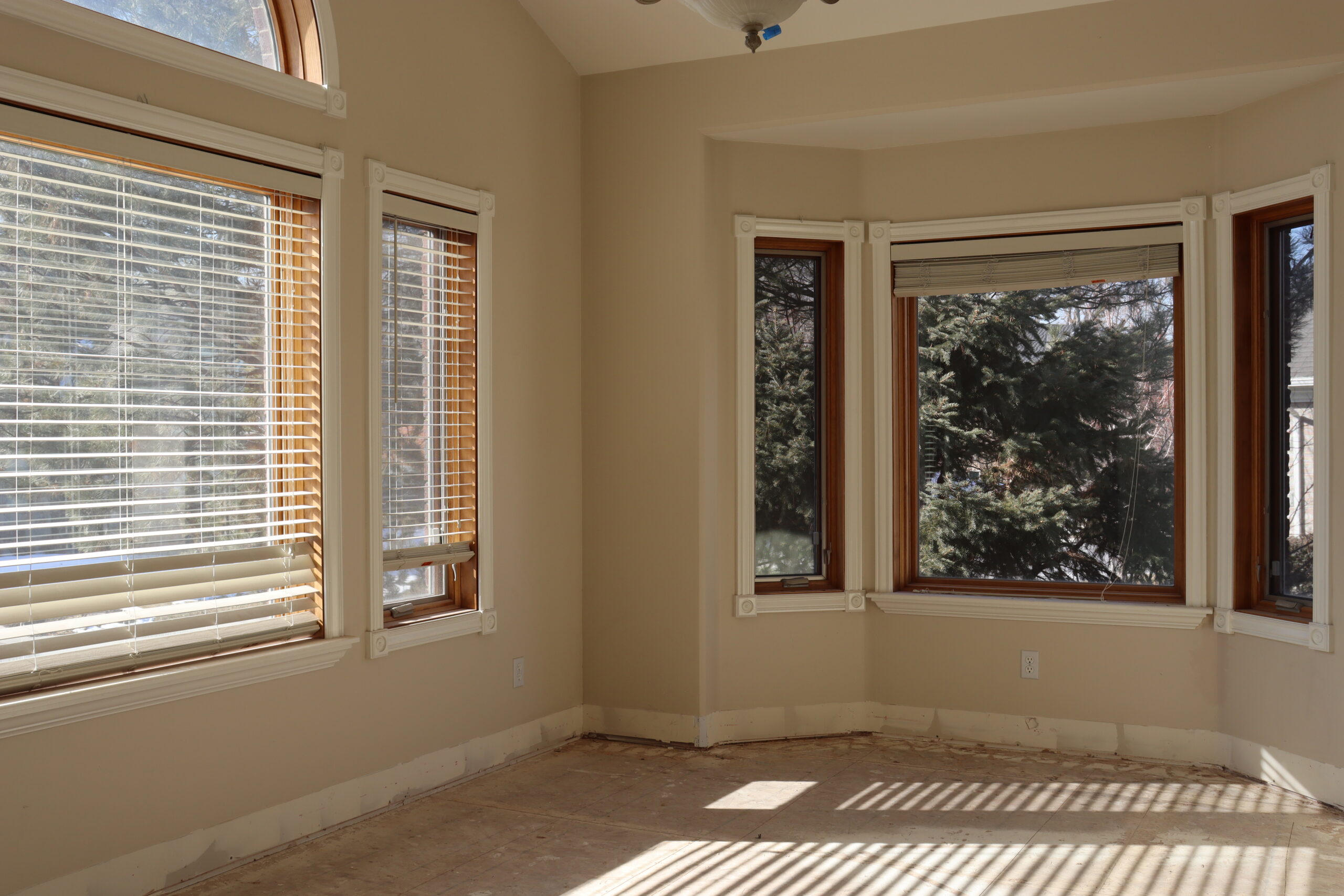
Retrofitting radiant heat into an existing finished or partially finished basement typically costs 50 to 80 percent more than installing it during new construction or a full gut renovation, mainly because of floor removal, height adjustments at doorways, and the extra labor of working around existing framing.
If your basement is already down to bare concrete, or if you are pouring a new slab for any reason such as a sewer line repair or a sump pit installation, that is the cheapest possible window to add radiant heat you will ever get. Once drywall and flooring are in and the space is lived in, the cost to go back and add it roughly doubles for the same square footage.
A Draper homeowner called us about a cracked main drain line that needed the concrete cut open anyway. Instead of just patching it and moving on, we asked if they had ever considered radiant heat, since the slab was about to be open regardless. They said yes immediately, mostly because their basement had been the coldest room in the house for eight years and they were tired of it. We added the tubing while the plumbing repair was already underway, and the total added cost for the heat was a fraction of what a standalone retrofit would have run them later.
How Much Does It Actually Add to Your Monthly Bill
This is the question people search right after they get over the sticker shock of installation. Operating cost depends heavily on usage habits, but here is what most Utah households actually see.
| Usage Pattern | Electric Monthly Cost | Hydronic Monthly Cost |
|---|---|---|
| Small bathroom, a few hours daily | $14 to $20 | Not practical for this scale |
| Whole basement, daily winter use | $150 to $250 | $65 to $150 |
Radiant heat as a whole, regardless of system type, tends to run more efficiently than standard forced air, often cutting down central heating use by up to 25 percent once it is doing the bulk of the work in a finished basement. Utah’s electricity rates also tend to run a bit below the national average, which softens the long term cost gap between electric and hydronic compared to states with pricier power, though hydronic powered by natural gas still wins the long game for whole basement use.
The Humidity Trick Nobody Tells You About Radiant Heat
Cold concrete is a magnet for condensation. When humid air meets a surface that sits below the dew point, moisture forms on that surface, even if you cannot always see it happening. A basement slab sitting in the mid 50s while the room air is warmer and more humid is exactly that kind of surface, which is part of why so many unfinished or poorly finished basements develop a faint musty smell even when there is no obvious leak anywhere.
A heated slab raises the surface temperature above the dew point for most of the year, which means moisture has a much harder time condensing on or near the floor in the first place. This will not fix an actual water intrusion problem, that still needs to be solved at the source, but it does meaningfully reduce the kind of low level ambient dampness that makes a basement feel clammy even when nothing is technically wrong. Nobody installs radiant heat purely to manage humidity, but it is a genuinely useful side effect that almost never makes it into the sales pitch.
A Holladay homeowner installed hydronic radiant heat purely for comfort in a basement gym and home theater. About a year later they mentioned, almost in passing, that the basement no longer had that faint damp smell it used to get every spring even though nothing else about their drainage had changed. They had not connected the dots themselves until we explained the dew point effect on a heated slab. It was a bonus they never expected and never would have known to ask about.
Common Mistakes Homeowners Make With Basement Radiant Heat
| Common Mistake | Why It Happens | How to Avoid It |
|---|---|---|
| Skipping rigid insulation under the slab | Trying to save on the install | Insulate first or the heat just leaks straight down into the ground |
| Choosing electric for a whole basement | Assuming all systems scale the same way | Get a hydronic quote once you are heating more than a few hundred square feet |
| Adding heat after flooring is already down | Not planning ahead during design | Decide on radiant heat before the concrete or flooring goes in, not after |
| Pairing it with thick carpet and pad | Not realizing carpet insulates against the heat itself | Use tile, vinyl plank, or thin engineered hardwood for the best heat transfer |
| No separate thermostat or zoning | Trying to control it from the main floor thermostat | Always install a dedicated basement zone and thermostat for actual control |
So Is It Actually Worth It in Utah
If you are gutting a basement to the bare slab anyway, or pouring new concrete for any reason, radiant heat is one of the easiest dollars to spend well, since the marginal cost is far lower than a future retrofit and you get the comfort, the even heat, and that quiet humidity benefit for years without ever thinking about it again.
If your basement is already finished and comfortable enough, radiant heat becomes purely a lifestyle purchase rather than a smart timing decision, and that is fine too, plenty of homeowners spend money on comfort they will use every single day for the rest of the time they live there. The real answer to whether it is worth it has less to do with the price tag and more to do with where you are in your renovation timeline the moment you are asking the question.
Frequently Asked Questions
How long does radiant floor heating actually last?
In floor heating coils and tubing typically last 30 to 50 years when installed correctly, since they sit embedded in concrete or under the subfloor where they experience almost no wear or physical stress over time.
Can I add radiant heat under an existing basement floor without tearing it all out?
In most cases no, not without removing the existing flooring down to the slab or subfloor first. Some thin electric mat systems can be installed with minimal floor buildup, but a true retrofit almost always means starting from bare concrete.
Does radiant floor heating work under carpet in a basement?
It can, but carpet and thick pad act as insulation, which slows heat transfer significantly and makes the system work harder and cost more to run. Tile, vinyl plank, or thin engineered hardwood transfer heat far more efficiently.
Is hydronic radiant heat dangerous if it leaks?
A leak is rare with modern PEX tubing, but it is harder to locate and repair than an electric system since it is embedded in concrete. Quality installation with pressure testing before the slab is poured greatly reduces this risk.
Can radiant floor heating fully replace my furnace in the basement?
For many basements, yes, a properly sized radiant system can serve as the primary heat source for that level, especially since basements lose less heat to the outdoors than upper floors. Most homeowners still keep ductwork available as a backup.
Does radiant heat increase home value the way a finished basement does?
It is generally viewed as a comfort upgrade rather than a direct value adder on an appraisal. It can help a basement show better and feel more livable to buyers, which supports a faster sale, but it is rarely the deciding factor in price the way square footage or a bathroom is.
How cold does a Utah basement floor actually get without any heat?
Most unheated basement slabs along the Wasatch Front sit somewhere in the low to mid 50s year round, since they stay in direct contact with stable ground temperature regardless of the outdoor weather above them.
Is it cheaper to just use a space heater instead of radiant floor heat?
Upfront, yes, by a wide margin. Long term, a space heater warms the air while leaving the cold slab problem completely unsolved, so the comfort is temporary and the running cost of frequent space heater use can add up over a full winter.
Radiant Floor Heating Basement Utah • Heated Basement Floor Cost • Electric vs Hydronic Radiant Heat
Bryant Bitner
Founder & Lead Project Manager, Pro-Worx Construction
Bryant helps Utah families decide when radiant heat is genuinely worth the investment and when it is simply a comfort upgrade worth paying for anyway. He believes the best time to plan for warm floors is before the concrete goes down, not after.
When he is not on job sites you will often find him showing homeowners simple ways to make their basement projects faster and more affordable.