
One of the most overlooked decisions in a Utah basement remodel isn’t flooring, paint, or lighting.
It’s the ceiling.
Homeowners tend to focus on the visible design elements first—luxury vinyl flooring, recessed lighting, accent walls, or the perfect entertainment layout. But the ceiling plays a much bigger role than most people realize. It affects the overall look of the space, the feeling of openness, how sound travels between floors, and even how easy it will be to repair plumbing or electrical systems in the future.
In cities like Salt Lake County and Utah County, most basements contain critical infrastructure above your head—HVAC ducts, plumbing lines, electrical wiring, and structural beams. In many homes, the basement also houses the main furnace, water heater, and mechanical systems that power the rest of the property.
Because of this, basement ceilings are rarely as simple as the ones on the main floor. The design has to work around existing systems while still creating a comfortable, finished living space. Choosing the wrong ceiling design can make maintenance difficult, reduce usable ceiling height, or create frustrating noise issues between the basement and the main level of the home.
For example, sealing everything behind drywall might create a beautiful ceiling—but it can also make future plumbing repairs far more complicated. On the other hand, leaving the ceiling exposed might provide easy access but may not deliver the finished look homeowners want for a guest suite, family room, or home theater.
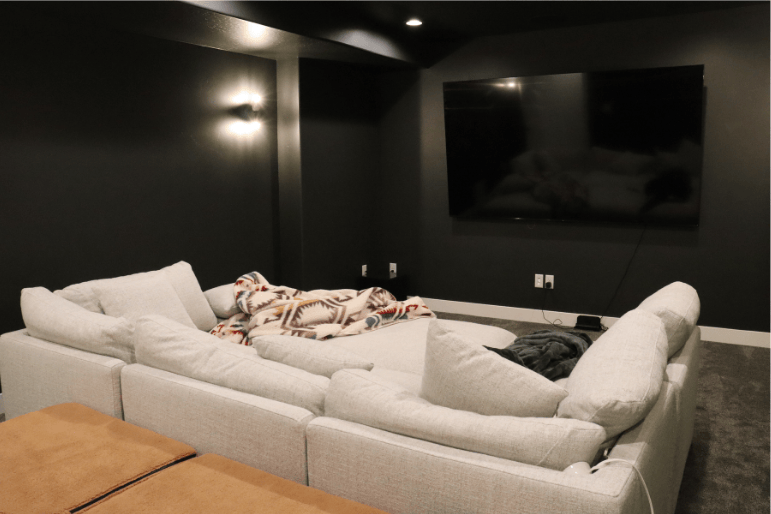
The right basement ceiling balances three things: aesthetics, access, and budget.
A well-designed ceiling can make a basement feel taller, brighter, and more comfortable, while also protecting the functionality of your home’s mechanical systems. In fact, the ceiling choice often influences lighting design, soundproofing, and even how spacious the basement feels once construction is complete.
If you’re planning a basement remodel in Utah, understanding the pros and cons of each ceiling style is essential before construction begins. The decision you make at this stage will impact not just the look of your basement—but also how practical the space is to maintain for the next 20 years.
Below are the three most popular basement ceiling options homeowners are choosing in 2026—and how to decide which one works best for your home, your budget, and the type of basement space you’re trying to create.
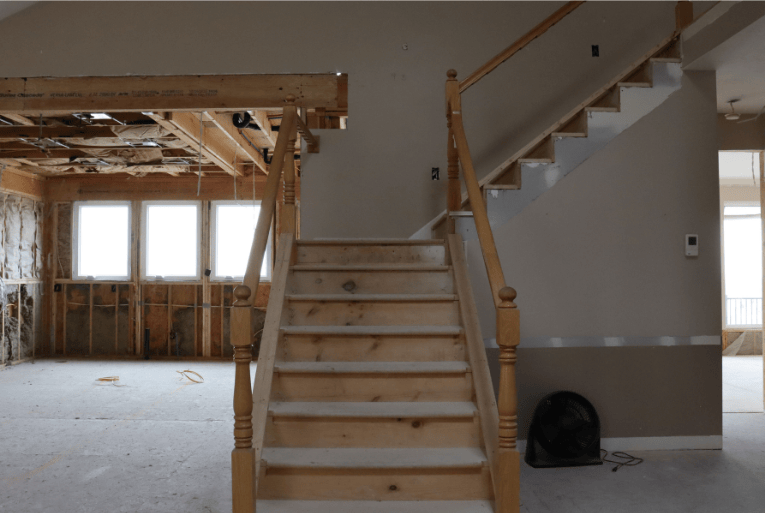
Why Basement Ceilings Are Different From Upstairs Ceilings
Unlike the ceilings on the main floor of your home, basement ceilings are rarely empty cavities. In most Utah homes, the space between the floor joists acts as the main highway for mechanical systems that keep the house functioning. Plumbing drains, electrical wiring, gas lines, water supply pipes, internet cables, and HVAC ductwork all pass through this area before branching off to other rooms in the home.
This is especially true in homes built across Lindon, Riverton, and South Jordan, where basements frequently house the primary furnace, water heater, and major plumbing stacks. Because Utah homes often rely on centralized HVAC systems, large duct trunks and ventilation runs typically pass directly through the basement ceiling before feeding the upper floors.
As a result, the ceiling area in a basement isn’t just structural—it’s also a critical service zone for the entire house. If you remove access to that space entirely, even minor repairs can become complicated and expensive. Something as simple as fixing a plumbing leak or adding new wiring for lighting might require cutting open finished drywall, patching it, and repainting the entire ceiling.
Another factor that makes basement ceilings unique is ceiling height. Many basements start with 8 to 9 feet of vertical space, but ducts, beams, and pipes can quickly reduce the usable height. A poorly planned ceiling design can make the basement feel cramped or closed in, while the right design can make the space feel taller and brighter.
Sound transfer is also a major consideration. Without proper insulation and ceiling design, footsteps, music, and everyday activity from the main floor can travel easily into the basement. This becomes especially important if you’re planning spaces like a home theater, gym, or guest suite where comfort and privacy matter.
Because of these factors, basement ceilings must balance appearance with accessibility. A perfectly smooth drywall ceiling might look beautiful, but if a pipe leaks or wiring needs updating, repairs become far more complicated. On the other hand, leaving everything exposed makes maintenance easy but may not deliver the finished look many homeowners want.
That’s why choosing the right ceiling design is one of the most important structural decisions during a basement remodel. The best solution depends on your ceiling height, mechanical layout, budget, and the type of space you’re creating.
The Three Most Common Basement Ceiling Types
Most modern basement remodels in Utah fall into one of three ceiling styles. Each option offers a different balance of design, cost, and accessibility depending on the needs of the space.
- Drywall ceilings — the most finished, residential look and the closest match to ceilings upstairs.
- Drop ceilings — a suspended grid system that allows easy access to plumbing, wiring, and ducts.
- Exposed ceilings — an increasingly popular modern style where mechanical systems remain visible but are painted for a clean industrial look.
Each of these options has advantages depending on the layout of your home and the type of basement space you want to create. Understanding how they compare will help you choose the right solution before construction begins.
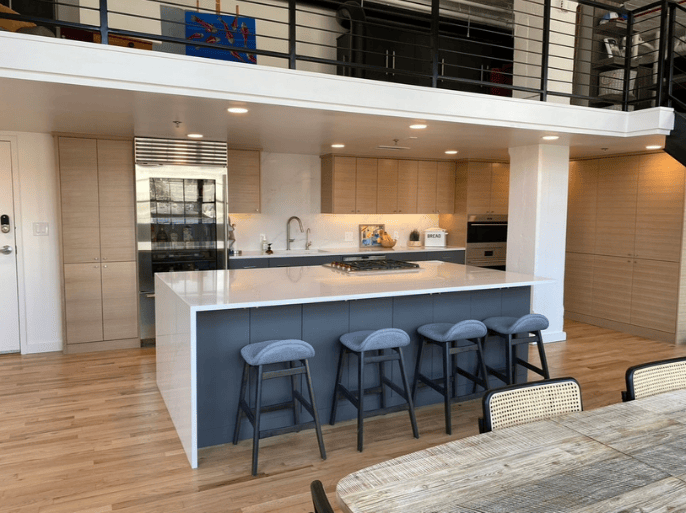
Option 1: Drywall Basement Ceilings (The Most Finished Look)
Drywall ceilings are the most traditional and polished option for finished basements. Once painted, they look identical to the ceilings in the rest of your home, creating a seamless transition between floors.
Many homeowners choose drywall ceilings when building luxury spaces such as home theaters, guest suites, or family rooms. The smooth surface reflects light better and creates a more finished residential feel.
Advantages of Drywall Ceilings
- Most polished, high-end appearance
- Best sound separation between floors
- Works well with recessed lighting
- Matches the rest of the home’s architecture
Drawbacks
- Difficult to access plumbing or wiring
- Repairs require cutting drywall
- Slightly more expensive than exposed ceilings
Pro-Worx Tip: When installing drywall ceilings in Utah basements, we often recommend adding sound insulation like Rockwool mineral wool between floor joists. This dramatically reduces noise transfer between floors.
Typical Cost in Utah
Expect drywall basement ceilings to cost approximately:
- $4 – $7 per square foot installed
- Additional cost for recessed lighting or soundproofing
In a typical 1,000 square foot basement finish, this usually adds $4,000 – $7,000 to the overall project.
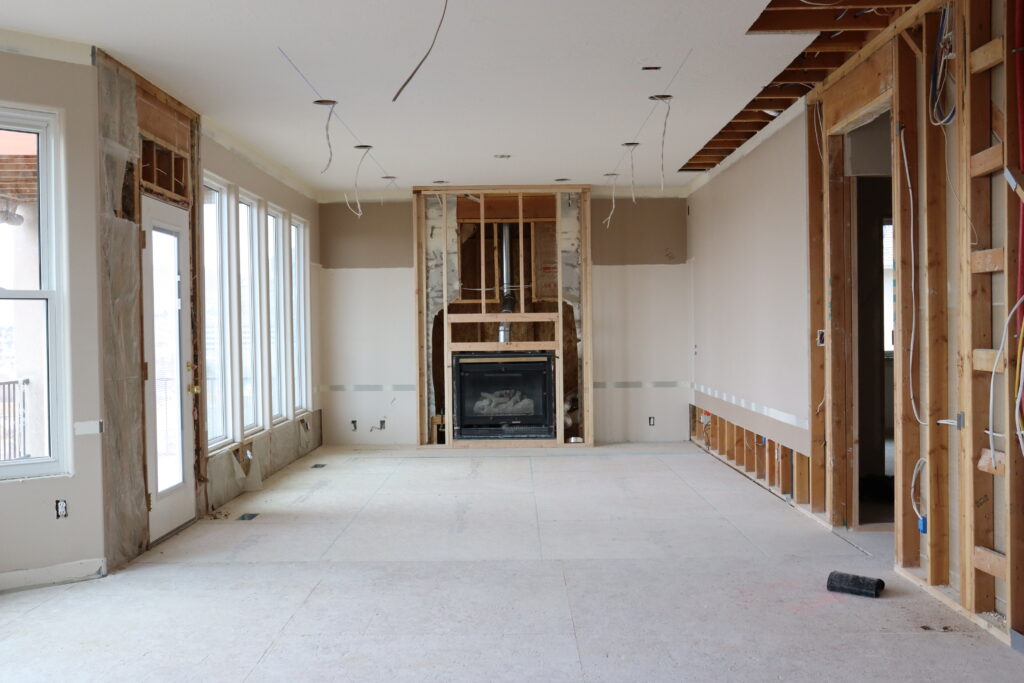
Option 2: Drop Ceilings (Best for Access)
Drop ceilings—also called suspended ceilings—are extremely common in finished basements. Instead of attaching drywall directly to the floor joists, this system uses a lightweight metal grid that hangs slightly below the structure of the floor above. Ceiling panels then sit inside that grid, creating a clean, finished surface while still allowing access to the mechanical systems above.
For many homeowners across Salt Lake County , Davis County, Summit County and Utah County, this design provides the perfect balance between functionality and aesthetics. The removable panels make it easy to access plumbing pipes, electrical wiring, internet cables, or HVAC ducts without cutting into drywall or damaging the finished ceiling.
This accessibility is one of the biggest reasons contractors recommend drop ceilings in basements that contain complicated mechanical systems. If a pipe leaks, a new electrical line needs to be installed, or an HVAC duct needs servicing, the panels can simply be lifted out of the grid. Repairs that might take hours with drywall can often be handled in minutes.
Modern drop ceilings have also improved significantly in appearance compared to older versions found in office buildings. Many ceiling tiles now come in textured, smooth, or decorative finishes that better match residential interiors. Combined with recessed lighting or slim LED panels, the finished look can feel far more polished than the stereotypical “office ceiling” many people imagine.
Advantages
- Easy access to pipes and wiring: Individual ceiling panels can be lifted out of the grid, making repairs simple and fast.
- Faster installation: The grid system installs quickly compared to drywall finishing, sanding, and painting.
- Great for future renovations: If you ever add new wiring, plumbing, or lighting, the ceiling can be modified without major demolition.
- Lower cost: Drop ceilings are generally cheaper than drywall installations in most Utah basement remodels.
- Acoustic benefits: Many ceiling tiles help absorb sound, reducing noise echo in large basement rooms.
Drawbacks
- Slightly reduced ceiling height: The metal grid hangs several inches below the floor joists.
- Less seamless appearance: Even modern panels cannot fully replicate the look of smooth drywall ceilings.
- Grid visibility: The metal framing lines between panels remain visible.
- Style limitations: Some homeowners prefer a more traditional finished ceiling for luxury spaces.
Drop Ceiling vs Drywall Comparison
| Feature | Drop Ceiling | Drywall Ceiling |
|---|---|---|
| Accessibility | Panels remove easily for repairs | Must cut drywall for access |
| Installation Time | Fast installation | Longer process (drywall finishing) |
| Appearance | Clean but grid lines visible | Smooth seamless ceiling |
| Ceiling Height | Loses 3–6 inches of height | Installed directly to joists |
| Maintenance | Very easy to service utilities | Repairs require drywall patching |
Typical Cost in Utah
Drop ceilings typically cost:
- $3 – $5 per square foot installed
For many Utah homeowners, this becomes the most practical solution when the basement contains complex mechanical systems. It keeps maintenance simple, reduces repair costs over time, and still provides a clean finished look for recreation rooms, playrooms, or family entertainment spaces.

Option 3: Exposed Basement Ceilings (Modern Industrial Style)
The third option has become extremely popular in modern basement designs: exposed ceilings. Instead of installing drywall or a suspended ceiling grid, the structural elements of the home—floor joists, beams, pipes, and ductwork—remain visible.
Rather than looking unfinished, these elements are intentionally styled as part of the design. Contractors typically spray or paint the entire ceiling one uniform color—most commonly matte black, charcoal gray, or deep navy. Painting everything the same color helps visually blend the pipes, ducts, and framing together so the ceiling feels intentional rather than unfinished.
This approach creates a modern industrial aesthetic that has become increasingly popular in renovated basements across Salt Lake County and Utah County. Instead of hiding mechanical systems, the design embraces them as part of the architecture.
Exposed ceilings also help basements feel larger because they preserve every inch of vertical space. In many homes built in areas like Bluffdale, Park City and West Jordan, ductwork and beams can lower ceiling height quickly. By leaving everything exposed, homeowners avoid losing additional height to drywall framing or drop ceiling systems.
You’ll often see exposed ceilings used in basement spaces designed for activity and entertainment—such as home gyms, game rooms, kids’ play areas, or modern media rooms. Combined with track lighting, pendant fixtures, or LED strip lighting, the look can feel intentionally contemporary and visually striking.
Advantages
- Lowest cost option: Because no drywall or suspended grid system is required, installation costs are significantly lower.
- Maximum ceiling height: With no framing or ceiling panels installed below the joists, the full structural height of the basement remains visible.
- Easy access to plumbing and wiring: Repairs and upgrades can be performed quickly without removing ceiling materials.
- Modern industrial design: When painted properly, exposed ceilings create a contemporary aesthetic that fits well with modern basement remodels.
- Flexible lighting design: Track lights, pendant fixtures, and directional spotlights can easily be mounted directly to joists or beams.
Drawbacks
- Less sound insulation: Without drywall or ceiling panels, sound travels more easily between floors.
- Visible mechanical systems: Some homeowners prefer a cleaner, more traditional ceiling appearance.
- Dust accumulation: Exposed pipes and joists can collect dust over time and may require occasional cleaning.
- Not ideal for luxury suites: Spaces like guest bedrooms or high-end home theaters often benefit from more finished ceiling designs.
Typical Cost
Exposed ceilings are usually the most affordable option because they require minimal materials and labor. Instead of installing drywall or a suspended ceiling system, contractors typically prepare the mechanical systems, mask sensitive components, and spray or roll the entire ceiling structure with a uniform paint finish.
In most Utah basement remodels, exposed ceilings cost approximately:
- $1.50 – $3 per square foot
For homeowners looking to maximize ceiling height while keeping remodeling costs down, this approach can be an excellent solution. When combined with modern lighting and thoughtful design elements, exposed ceilings can transform what once looked unfinished into a deliberate architectural feature.

How Ceiling Height Impacts Your Choice
Utah building codes require most finished basement living areas to maintain minimum ceiling heights for habitable space. In most jurisdictions across the Wasatch Front, finished basements must generally maintain a ceiling height of around 7 feet in the majority of the room to meet residential building standards. Mechanical areas, beams, or ducts can sometimes be slightly lower, but the overall living space still needs to meet those minimum clearance requirements.
In many homes across the Wasatch Front, basements start around 8–9 feet tall before finishing. While that sounds like plenty of space, structural elements such as HVAC ductwork, plumbing lines, electrical runs, and support beams can quickly reduce usable headroom once the basement is finished.
This is why ceiling design plays such a critical role in basement remodeling. Every ceiling system takes up some vertical space. Drywall ceilings attach directly to floor joists but still require framing and drywall thickness. Drop ceilings hang several inches below the joists to accommodate the grid system and ceiling panels. If the basement already contains large ducts or beams, installing the wrong ceiling system can make the room feel noticeably lower and more confined.
That’s one reason exposed ceilings have become increasingly popular in modern basement remodels. By leaving the joists and mechanical systems visible, homeowners preserve the full structural height of the basement. Even if the actual ceiling height doesn’t change, the visual openness often makes the space feel significantly larger and less cramped.
However, exposed ceilings aren’t the only solution for homes with limited headroom. In many Utah basements, the main issue isn’t the entire ceiling height—it’s one or two large HVAC trunk lines running across the room. In these situations, experienced contractors can design a ceiling that hides those ducts while keeping the rest of the ceiling higher.
For example, a drop ceiling can sometimes be installed only in certain sections of the basement to conceal ductwork while maintaining height in the rest of the room. Alternatively, drywall soffits can be built around beams or ducts to create architectural features that look intentional while preserving headroom in the surrounding areas.
Because every home’s structure and mechanical layout is different, ceiling height should always be evaluated early in the remodeling design process. A thoughtful ceiling plan can make the difference between a basement that feels tight and one that feels spacious and comfortable.
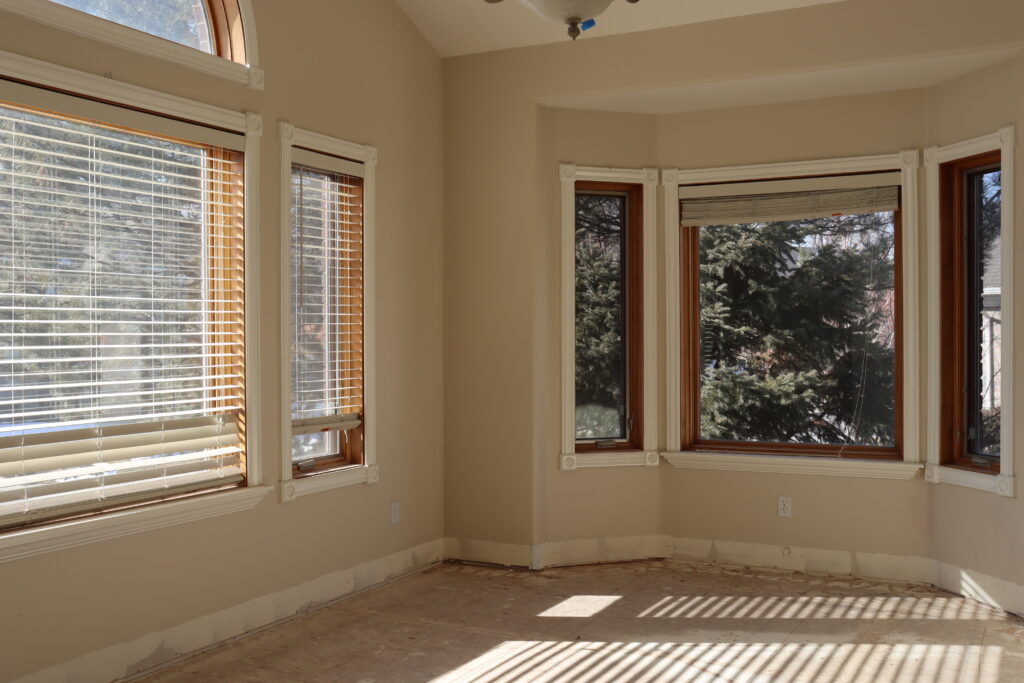
Which Basement Ceiling Is Best for Your Remodel?
Choosing the right ceiling for your basement remodel ultimately depends on how you plan to use the space and how your home’s mechanical systems are laid out. Every option—drywall, drop ceilings, and exposed ceilings—offers a different balance between aesthetics, accessibility, cost, and ceiling height.
For homeowners across Salt Lake County , Davis County, Summit County and Utah County, the best choice usually comes down to the intended purpose of the basement. A luxury guest suite or home theater often benefits from a finished drywall ceiling, while a family recreation space may prioritize easier maintenance or greater ceiling height.
The comparison below highlights when each ceiling option tends to work best during a basement renovation.
| Ceiling Type | Best For | Key Advantage | Potential Drawback |
|---|---|---|---|
| Drywall Ceiling | Guest suites, home theaters, finished living spaces | Most polished, residential appearance | Limited access to plumbing or wiring |
| Drop Ceiling | Family rooms, playrooms, multi-purpose basements | Easy access to utilities and mechanical systems | Reduces ceiling height slightly |
| Exposed Ceiling | Gyms, game rooms, modern entertainment spaces | Maximum ceiling height and lowest cost | Less sound insulation and visible ductwork |
Choose Drywall If:
- You want a luxury finished look that matches the rest of your home.
- Your plumbing and HVAC layout is relatively simple.
- You plan to build a home theater, guest suite, or high-end living space.
- You want the best potential for soundproofing between floors.
Choose Drop Ceilings If:
- You want easy access to plumbing, wiring, and HVAC components.
- Your basement contains multiple mechanical systems or utility lines.
- You want a practical balance between appearance and functionality.
- You anticipate future upgrades such as networking, lighting, or plumbing changes.
Choose Exposed Ceilings If:
- You want to preserve the maximum possible ceiling height.
- You like a modern industrial design style.
- You’re building a basement gym, recreation space, or entertainment room.
- You want the most budget-friendly ceiling solution.
Ultimately, the best basement ceiling design depends on your priorities. Some homeowners prefer the clean, finished look of drywall ceilings, while others prioritize maintenance access or maximizing headroom. A professional basement remodeling contractor can help evaluate your home’s mechanical layout and recommend the ceiling option that balances style, function, and long-term practicality.
Design Tips That Make Basement Ceilings Look Better
Regardless of which ceiling option you choose, a few design strategies can dramatically improve the overall appearance of a finished basement. Many homeowners focus on flooring, paint colors, and furniture—but the ceiling often has the biggest visual impact on how spacious and polished the room feels.
Across modern basement remodels in Salt Lake County , Davis County, Summit County and Utah County,, designers frequently use the following techniques to improve both aesthetics and functionality.
Use consistent ceiling colors. If you choose an exposed ceiling, painting everything one dark color—usually black or charcoal—helps mechanical systems visually disappear. A single color prevents pipes, wires, and ducts from standing out individually.
- Add layered lighting: Recessed lights, track lighting, or pendant fixtures help define the ceiling design and brighten the room.
- Hide ducts strategically: In drywall ceilings, small soffits can be built around ductwork so the rest of the ceiling remains higher.
- Use acoustic insulation: Sound insulation between joists helps reduce noise between floors.
- Plan mechanical access: Even with drywall ceilings, access panels can be installed in key locations.
- Use larger tiles in drop ceilings: Modern 2×4 or decorative tiles feel more residential than small commercial panels.
These small design choices often make the difference between a basement that feels unfinished and one that feels like a natural extension of the home.

Frequently Asked Questions: Basement Ceilings
What is the best ceiling for a basement?
The best basement ceiling depends on the layout of your mechanical systems and how you plan to use the space. Drywall ceilings provide the most finished appearance, drop ceilings offer easy maintenance access, and exposed ceilings maximize ceiling height while keeping costs lower.
Are drop ceilings outdated?
Older drop ceilings sometimes had a commercial look, but modern ceiling tiles have improved significantly. Many homeowners now use decorative panels or larger tiles that look far more residential while still providing easy access to plumbing and wiring.
What is the cheapest basement ceiling option?
Exposed ceilings are usually the most affordable option because they require minimal materials. Instead of installing drywall or ceiling grids, contractors typically paint the joists, pipes, and ducts a uniform color to create a finished industrial-style look.
Do basement ceilings reduce ceiling height?
Yes. Drop ceilings typically lower the ceiling by about 3–6 inches, while drywall ceilings attach directly to the joists and usually reduce height slightly less. Exposed ceilings preserve the full structural height of the basement.
Can basement ceilings be soundproofed?
Yes. Installing insulation such as mineral wool between floor joists can significantly reduce noise transfer between floors. Additional soundproofing techniques include resilient channels, double drywall layers, or acoustic ceiling panels.
Planning a Basement Remodel in Utah?
Choosing the right ceiling design is just one part of creating a functional and beautiful basement space. At Pro-Worx Construction, we help homeowners across the Wasatch Front design basements that balance style, practicality, and long-term value.