
In 2026, Utah homeowners are making one costly mistake over and over again:
“I’ll just add a kitchen to my basement… how different can it be?”
In cities across Salt Lake County and Utah County, that single decision can trigger permits, inspections, fire code upgrades—and in some cases, fines or forced removal.
Because in Utah, a “wet bar” and a “second kitchen” are NOT the same thing.
One keeps things simple. The other changes your entire project overnight.
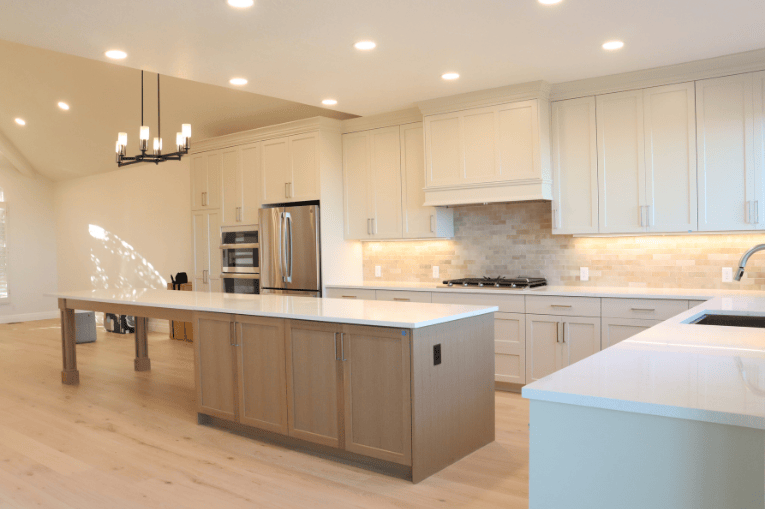
Wet Bar vs Second Kitchen: The Real Difference
Most homeowners think this is just about appliances. It’s not. It’s about how the city classifies your space.
You can build two basements that look almost identical—same cabinets, same layout, same finishes—and have completely different legal requirements depending on one detail. In Utah, that detail determines whether your basement is treated as part of your home… or as an entirely separate living unit.
That classification affects everything: permits, inspections, construction requirements, resale value, and even how your insurance policy responds if something goes wrong.
1. The Wet Bar: Safe, Simple, and Permit-Friendly
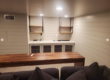
A wet bar is considered part of your main home—not a separate living unit. It’s designed to add function and convenience without triggering additional building codes or zoning requirements.
This is why wet bars are the go-to choice for homeowners in areas like Lehi and Sandy who want a finished, usable basement without adding complexity to the project.
You still get the benefits of a functional space—drinks, snacks, light meal prep—without crossing into “dwelling unit” territory.
- Allowed: Sink, mini fridge, microwave, cabinets
- NOT allowed: Stove, oven, range
- Permits: Standard basement finish permits
- Use case: Entertainment, guests, family living space
For most homeowners, this is the lowest-risk way to upgrade a basement while keeping timelines short and costs predictable.
2. The Second Kitchen: Where Everything Changes
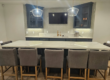
The moment you add a stove, your basement is no longer “just a basement.” In the eyes of the city, you’ve created a second dwelling—whether you intended to or not.
This is where many projects go sideways. Homeowners think they’re adding convenience, but what they’re actually doing is triggering a completely different set of building codes designed for rental units and multi-family living.
In cities like Draper and Herriman, this means stricter inspections, additional safety requirements, and a more involved permitting process from the start.
- Trigger: Stove or oven (gas or 220v electric)
- Classification: Separate dwelling (I-ADU)
- Requirements: Fire separation, zoning, inspections
- Risk: Fines, insurance issues, forced removal if unpermitted
If it’s done properly, a second kitchen can turn your basement into a powerful income-generating asset. If it’s done incorrectly, it can become one of the most expensive mistakes in your entire remodel.
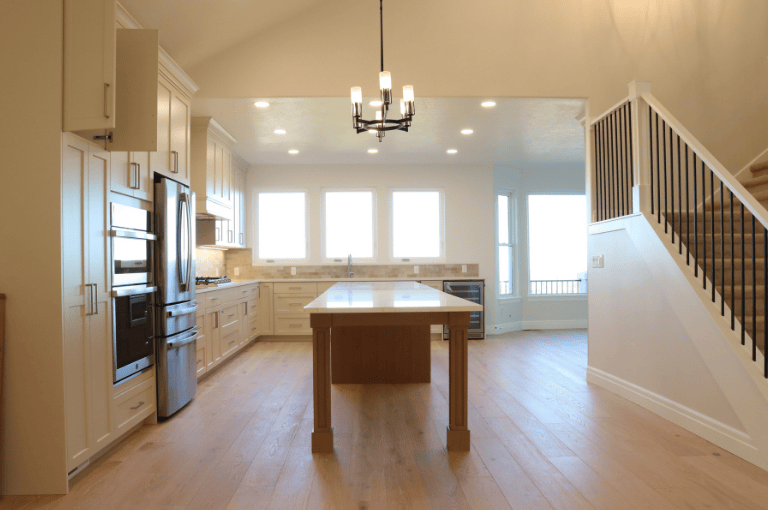
The “Stove Rule”: The Most Expensive Mistake Homeowners Make
In Utah, the stove is the line you don’t casually cross.
It’s not about how your basement looks—it’s about how it functions. You can have cabinets, countertops, a sink, even a full fridge… and still stay within a “finished basement” classification. But the moment a stove or oven is introduced, everything changes from a legal and construction standpoint.
That single upgrade signals to the city that your basement is capable of operating as an independent living space. And once that happens, your project is no longer treated as a simple remodel—it’s treated as a second dwelling unit with a completely different set of requirements.
If you install a stove without the correct permits, your basement can legally be classified as an illegal dwelling.
And this isn’t just a technicality. Once a space is flagged as an unpermitted dwelling, it can create problems across the board—from inspections and appraisals to financing and insurance coverage.
We’ve seen homeowners in Draper and Sandy forced to remove full kitchens after inspections—or worse, denied insurance claims after a fire because the space didn’t meet code requirements.
In some cases, the cost to “fix” the issue after the fact ends up being significantly higher than doing it properly from the start. That’s why this is one of the most expensive mistakes homeowners make—it often isn’t discovered until it’s already built.
Why the Code Is So Strict
The rules around second kitchens aren’t arbitrary—they’re based on safety, liability, and how homes are used in real life. When you introduce cooking into a separate living area, you’re also introducing a higher level of risk that the building has to be designed to handle.
- Cooking is the #1 cause of house fires — which is why kitchens trigger stricter safety standards
- Two families = higher risk — separate occupants mean separate cooking, heating, and living patterns
- Requires fire-rated separation between levels — typically 5/8″ Type X drywall and proper fire blocking
- Triggers full building code compliance — including ventilation, egress, and mechanical requirements
Once you understand this, the “stove rule” stops feeling like an inconvenience—and starts making sense. It’s not just about what you’re building… it’s about making sure the structure can safely support how the space is being used.
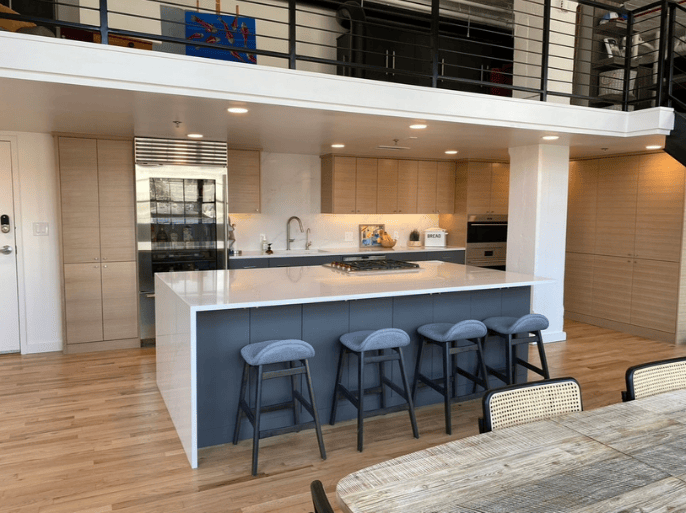
Cost Breakdown: Wet Bar vs Second Kitchen (2026)
On paper, the difference between a wet bar and a second kitchen might look like a simple upgrade. In reality, you’re comparing two completely different types of projects—one cosmetic, the other structural and regulatory.
A wet bar is typically a straightforward addition during a basement finish. A second kitchen, however, often triggers additional plumbing, electrical upgrades, ventilation requirements, and inspection layers that quickly increase both cost and complexity.
| Feature | Wet Bar | Second Kitchen |
|---|---|---|
| Cost | $5k–$12k | $20k–$45k+ |
| Permits | Basic | Full ADU permits |
| ROI | Lifestyle only | Rental income potential |
| Risk | Low | High if done wrong |
The biggest surprise for most homeowners isn’t the price of the cabinets or appliances—it’s everything happening behind the walls. Once you move into second kitchen territory, you’re often paying for upgraded electrical circuits, dedicated ventilation, and code-driven construction changes that don’t exist in a standard basement finish.
In areas like Utah County, we regularly see projects that start with a $10k “kitchen idea” turn into a $30k+ scope once the correct permits and requirements are factored in.
That said, the return profile is completely different. A wet bar adds usability and enjoyment—it makes the space feel finished and functional. A second kitchen, when done properly, can turn your basement into an income-producing asset that offsets your mortgage and increases buyer demand at resale.
The key isn’t choosing the cheaper option—it’s choosing the one that aligns with how you actually plan to use the space long-term.
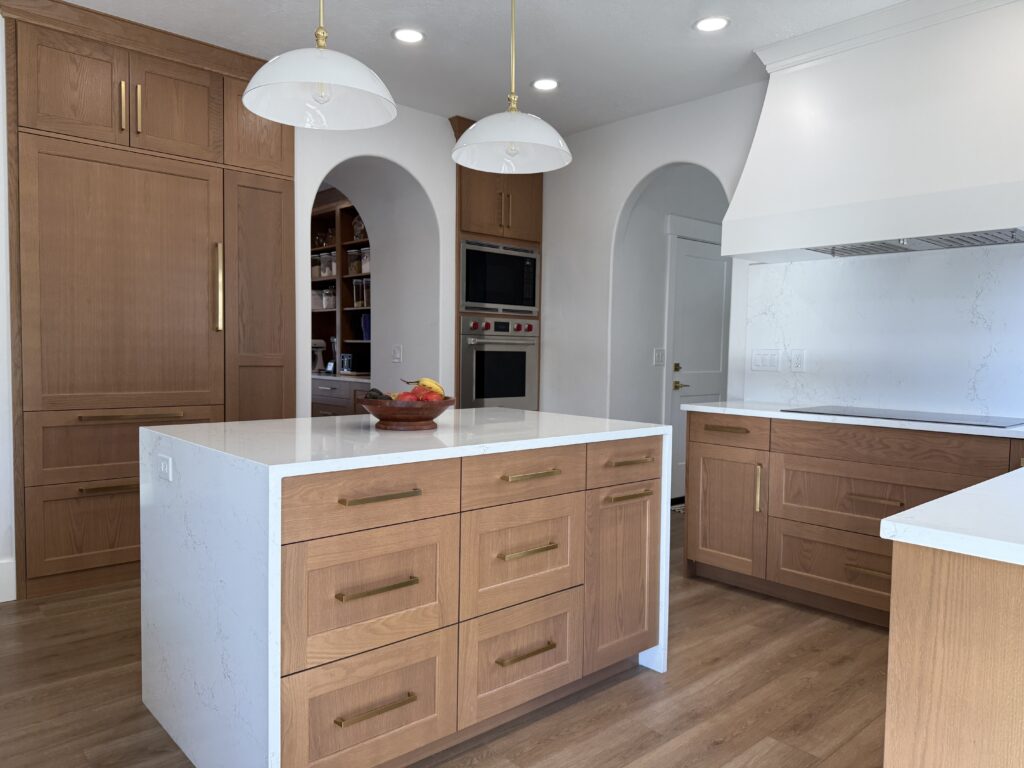
The “Illegal Kitchen” Problem (And Why It Backfires)
A lot of homeowners try to “get away with it.”
On paper, it feels like a shortcut. Skip the permits, avoid the extra costs, and still get the benefit of a second kitchen or rental setup. But in Utah, this almost always turns into a bigger problem down the line.
What starts as a “temporary workaround” can quickly become a permanent liability—especially once the property is inspected, refinanced, sold, or involved in an insurance claim.
- Adding a stove after final inspection
- Hiding it as a “temporary setup”
- Renting without permits
We’ve seen this happen across Salt Lake County and Utah County, where homeowners move forward thinking they’re saving money—only to be flagged later when the space is reviewed by a city inspector or appraiser.
It doesn’t always happen immediately. Sometimes it’s triggered by a neighbor complaint about parking. Sometimes it comes up during a refinance. And sometimes it only becomes an issue when something goes wrong—like a fire or water damage—when insurance starts asking questions.
At that point, the problem isn’t just the kitchen—it’s the fact that the space was never approved to function the way it’s being used.
If caught, you could:
- Lose rental income overnight
- Be forced to remove the kitchen
- Face fines or permit penalties
And in some cases, the cost to bring everything back into compliance ends up being higher than doing it correctly from the start. That’s why this approach almost always backfires—it trades short-term savings for long-term risk.
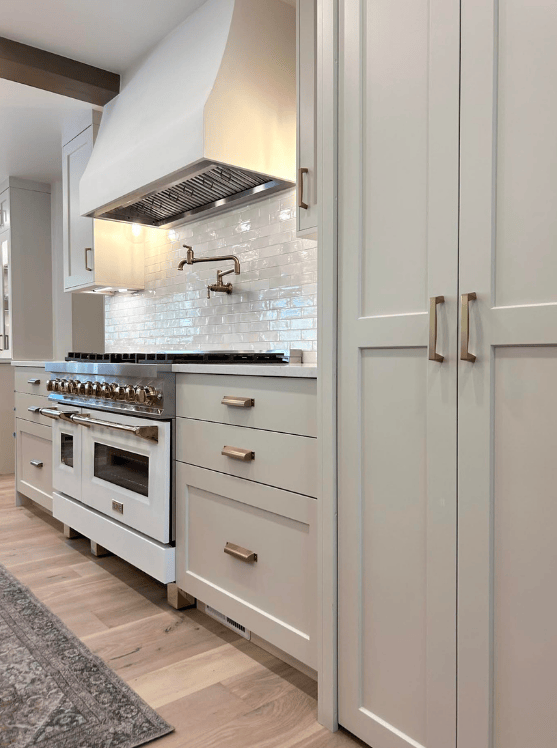
Smart Strategy: Build Now, Decide Later
Pro Tip: You don’t have to choose today.
One of the biggest mistakes homeowners make is feeling like they have to commit to a full second kitchen upfront. In reality, the smartest approach is often to build flexibility into the project from day one.
At Pro-Worx, we design basements based on where you are now—while setting you up for where you might want to be in the future. That way, you avoid unnecessary costs today without closing the door on rental income later.
This approach—what we call “future-proofing”—lets you stay within wet bar guidelines today while quietly preparing the space for a legal upgrade when the timing makes sense.
At Pro-Worx, we often future-proof basements by:
- Running plumbing for a future kitchen
- Installing electrical capacity for a range
- Designing layout for easy conversion
The key is doing the “behind-the-walls” work now—when everything is already open—so you don’t have to rip out drywall, flooring, and finishes later.
| Feature | Build Now (Wet Bar) | Upgrade Later (Second Kitchen) |
|---|---|---|
| Upfront Cost | Lower initial investment | Higher—but phased over time |
| Permits | Standard basement finish | Full ADU permits required |
| Construction Impact | Minimal disruption | Avoids tearing into finished space |
| Flexibility | Use as living space today | Convert to rental when ready |
| Long-Term Value | Lifestyle upgrade | Income-producing asset |
You start with a wet bar—then upgrade later without tearing everything apart.
It’s a smarter way to build: lower risk upfront, full flexibility long-term, and no expensive rework when your goals change.
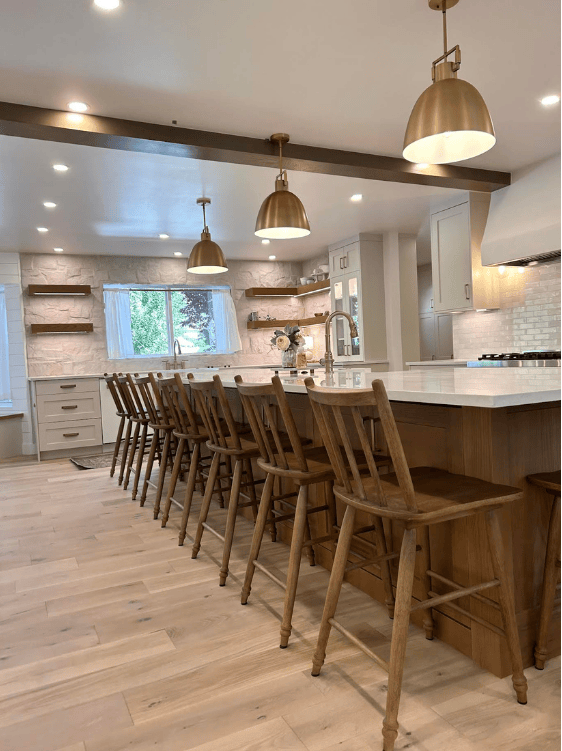
So… Which One Should You Choose?
At this point, it really comes down to one thing: how you plan to use your basement—not just today, but over the next 3–5 years.
Both options can be the “right” choice. The mistake is choosing one without understanding what it means for your costs, flexibility, and long-term goals.
| Scenario | Wet Bar | Second Kitchen |
|---|---|---|
| Your Goal | Lifestyle upgrade, extra living space | Rental income or multi-generational living |
| Risk Level | Low — simple and straightforward | Higher — must meet legal and safety requirements |
| Timeline | Faster build (standard basement finish) | Longer due to permits, inspections, and upgrades |
| Cost Approach | Lower upfront cost | Higher upfront, but income potential |
| Flexibility | Easy to build now and upgrade later | Locked into full compliance from the start |
| Best For | Homeowners who want simplicity and speed | Homeowners thinking long-term investment |
If you’re not planning to rent your basement anytime soon, a wet bar keeps things simple, affordable, and flexible. You get a fully functional space without dealing with extra permits or long timelines.
If your goal is income or maximizing property value, a second kitchen makes sense—but only if you’re willing to do it properly and follow code from day one.
Frequently Asked Questions
Can I add a stove later?
Yes—but you’ll need permits and inspections before using it legally. In Utah, adding a stove changes how your basement is classified and may require compliance with ADU regulations, including fire separation, ventilation, and zoning. If your basement was future-proofed during construction, this upgrade is much easier and more cost-effective.
Is a microwave considered a kitchen?
No. A microwave, mini fridge, and sink are considered part of a wet bar. They do not trigger the same legal or building code requirements as a full kitchen. The key factor is a stove or oven, which changes the classification of the space.
Will this affect resale?
Yes. A legally permitted second kitchen can increase value and buyer demand, especially for rental potential. However, an unpermitted kitchen can create issues during inspections and appraisals, which may lead to price reductions or required removal.
Do I need a permit for a wet bar in Utah?
In most cases, a wet bar is included under a standard basement finishing permit. Because it does not include a stove or oven, it does not trigger ADU requirements. However, plumbing and electrical work still need to be done to code and inspected where required.
Can I rent my basement without a kitchen?
Generally, no. Most Utah cities require a legal dwelling unit (I-ADU) with a full kitchen for long-term rental. Renting out a space without proper permits or facilities can result in fines, complaints, or forced shutdown of the rental.
What counts as a legal basement apartment in Utah?
A legal basement apartment (I-ADU) typically requires a full kitchen with a stove, proper fire separation, egress access, ventilation, and compliance with local zoning laws. Each city may have slightly different rules, but the presence of a stove is what usually triggers full compliance requirements.
Not Sure What Your Basement Can Legally Support?
We’ll walk you through what’s allowed, what adds value, and what to avoid.