
Overview
This complete 2026 guide covers basement bar design ideas for Utah homes. From simple wet bars to full entertaining setups, you will find current pricing, practical layouts, material recommendations, lighting and storage tips, and real stories from local families. Whether you want a quiet spot for an evening drink or a space that comfortably handles weekend gatherings, this article gives clear options that fit Utah basements and real life.
Table of Contents
- Why a Basement Bar Works So Well in Utah Homes
- How Much Does a Basement Bar Cost in Utah in 2026
- Simple Wet Bar Ideas That Still Feel Useful
- Adding a Sink and Real Function to Your Basement Bar
- Full Entertaining Setups for Utah Families
- Materials and Finishes That Hold Up Well in Utah Basements
- Lighting and Storage Details That Make a Difference
- Zoning and Flow: Making the Bar Work with the Rest of Your Basement
- Common Mistakes Utah Homeowners Make with Basement Bars
- What to Think About Before You Start Building
- Frequently Asked Questions About Basement Bars in Utah
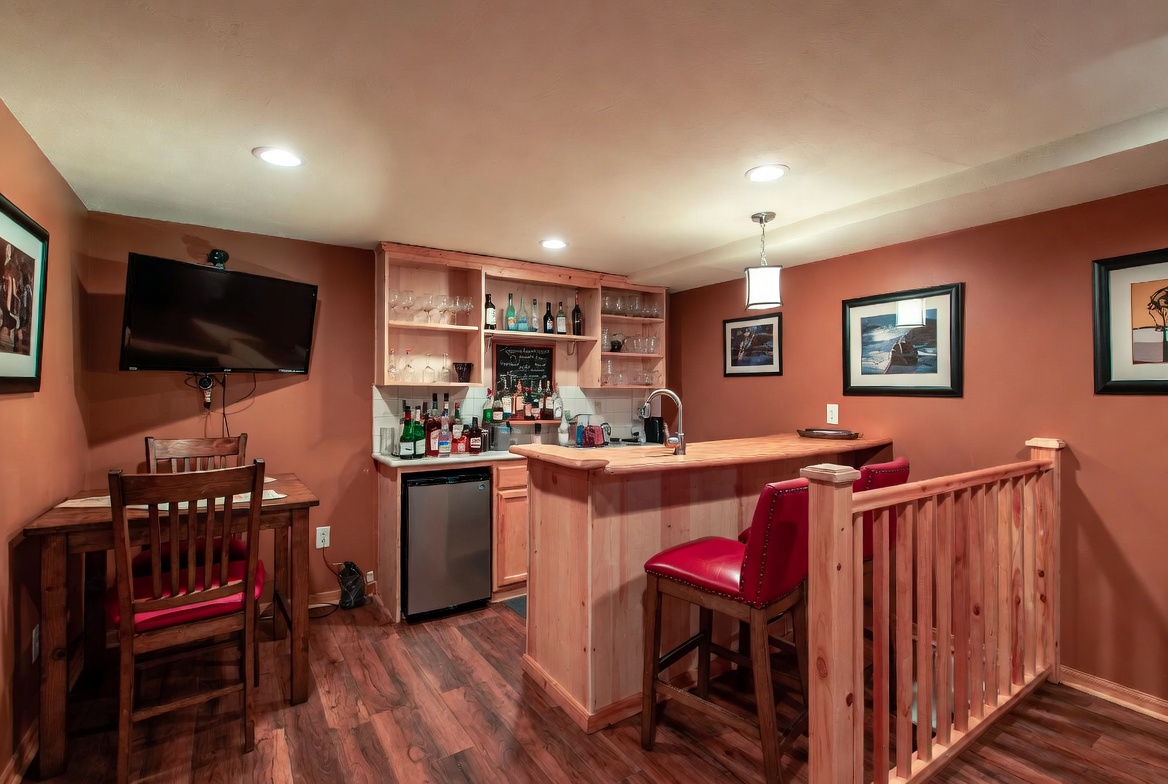
Utah winters are long, and many families enjoy having a dedicated place to gather without turning the main floor into constant party mode. A basement bar gives you that space. It does not need to be large or expensive to make a meaningful difference in how you use your home. Some people want something simple for quiet evenings. Others want a setup that can handle bigger groups and longer nights. Both approaches work when they match how you actually live.
The questions we hear most often involve cost, whether to add plumbing, and how to keep the bar from feeling disconnected from the rest of the basement. This guide answers those questions with current 2026 numbers and practical ideas from projects across Utah. You will also see how families approached their builds and what they learned along the way.
Why a Basement Bar Works So Well in Utah Homes
Walkout basements are common in Utah and they offer a natural advantage for entertaining. They bring in light and give easy access to the backyard. Adding a bar turns that lower level into a true gathering zone instead of just extra square footage. During the colder months it becomes a warm, self-contained space where people can relax without tracking snow through the house.
It also improves how the whole house functions. When guests come over, you are not constantly running upstairs for drinks. Everything stays in one area, which helps keep the main living spaces calmer. This is especially useful with kids around, since you can keep the activity somewhat contained while still being nearby.
Another benefit is flexibility. A thoughtfully planned bar can work for quiet weeknight use or bigger weekend gatherings. Many Utah families appreciate being able to start simple and add features later as their needs change.
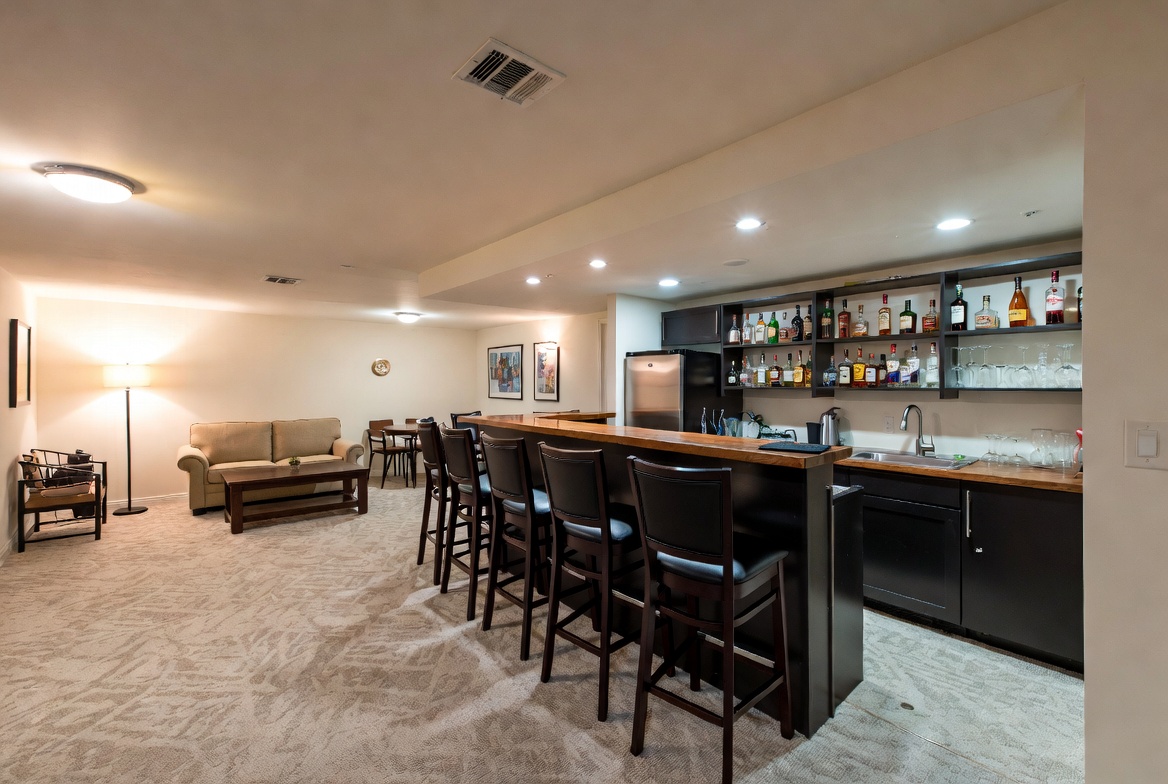
How Much Does a Basement Bar Cost in Utah in 2026
Cost is usually the first thing people want to know. Pricing depends on plumbing, cabinetry quality, and how custom you want the design. Here is what current projects are showing.
| Type of Bar | Typical Cost Range | What Usually Drives the Price |
|---|---|---|
| Simple Wet Bar | $7,500 – $10,500 | Basic cabinets, countertop, small fridge, simple shelving |
| Wet Bar with Sink | $11,000 – $18,500 | Sink, plumbing, better cabinetry, under-counter fridge, lighting |
| Full Custom Entertaining Bar | $20,000 – $35,000+ | Custom built-ins, higher-end materials, wine storage, seating, more electrical and plumbing |
A Lehi Family’s Experience
A couple in Lehi started with a basic bar using stock cabinets and a small beverage fridge for around six thousand dollars. After a year they decided they wanted running water. They added a sink and better lighting. The space now gets used almost every weekend. They said beginning with something simpler helped them understand exactly what they needed before spending more.
Plumbing and electrical work create the biggest jumps in cost. If your basement already has good access to lines, you can save money. Many families start simpler and upgrade once they know how they use the space.
Simple Wet Bar Ideas That Still Feel Useful
You do not need running water or expensive custom work to create a basement bar that actually gets used. Many Utah families start with a simple wet bar and find it works perfectly for their needs. When planned well, these setups feel intentional and useful instead of basic or temporary.
The goal with a simple bar is to focus on the essentials done right. You want a clean surface, some storage, a place to keep drinks cold, and somewhere for people to sit or stand comfortably. Here is what tends to work well.
Key Elements of a Simple but Useful Wet Bar
- Durable countertop — Quartz or laminate that is easy to wipe down and resists moisture.
- Closed storage underneath — Cabinets or a small credenza to hide bottles, supplies, and clutter.
- Beverage fridge or wine cooler — Keeps drinks cold without needing a full kitchen setup.
- Some form of shelving — Either open shelves above or a mix of open and closed storage.
- Seating or standing room — At least two or three bar stools or a narrow ledge for drinks.
Simple Layout Ideas That Work Well
| Layout Style | Best For | What to Include |
|---|---|---|
| Against the Wall | Smaller basements or tight spaces | Long narrow counter, cabinets below, open shelves above, 2–3 stools |
| Corner Setup | Making use of unused corners | L-shaped counter, fridge tucked in the corner, good lighting above |
| Island Style | Larger basements with more space | Freestanding bar with seating on both sides, storage on the back |
Tips to Make a Simple Bar Feel Intentional
- Match the finishes to the rest of your basement so it does not look like an afterthought.
- Use consistent lighting even simple under-cabinet lights make a big difference.
- Keep the top surface relatively clear. Too much clutter makes it feel messy instead of welcoming.
- Add a small rug or runner in front of the bar to define the space and make it feel more finished.
- Choose bar stools that are comfortable for longer conversations, not just quick drinks.
Quick tip: Many families regret not leaving enough standing room in front of the bar. Even with stools, people often stand and chat. Make sure there is at least 3 feet of clear space in front of the counter.
A simple wet bar does not have to feel cheap or temporary. When you focus on good basics, a solid surface, smart storage, cold drinks, and comfortable seating, it can become one of the most used areas in your basement. Many Utah homeowners start here and later add a sink or more features once they know exactly how they use the space.
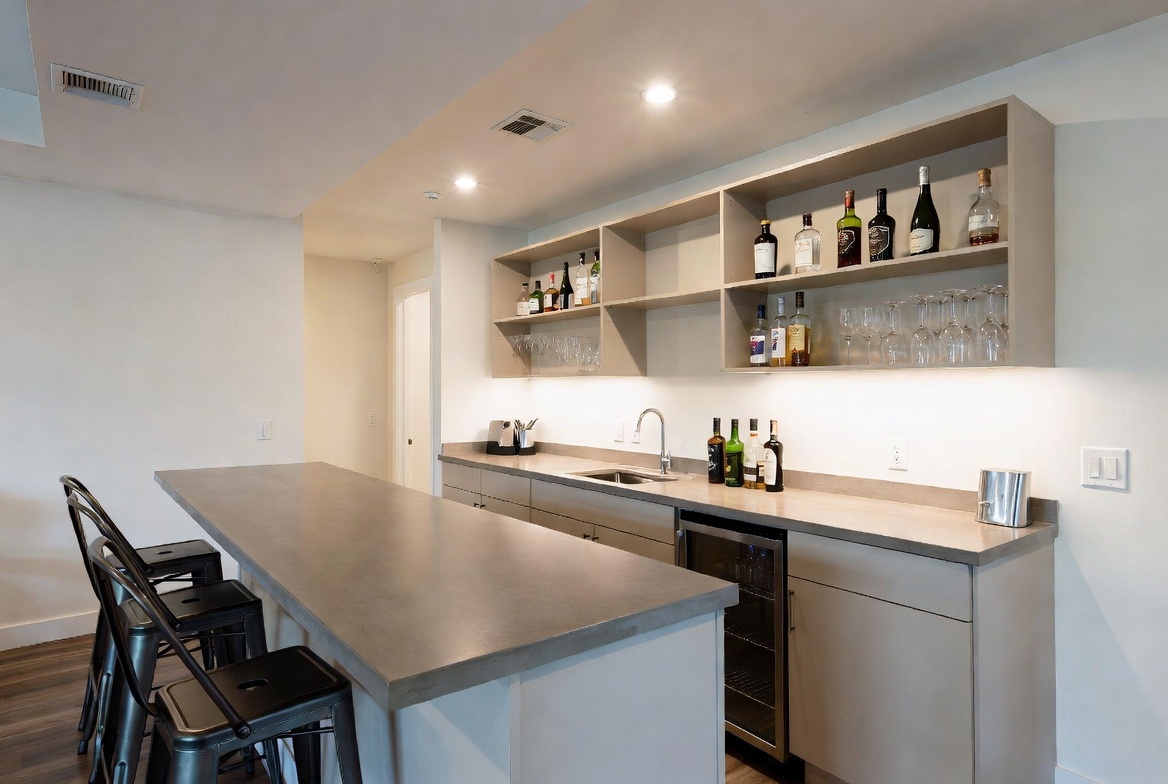
Adding a Sink and Real Function to Your Basement Bar
Adding a sink is one of the biggest upgrades you can make to a basement bar. It transforms the space from a place where you just grab a drink into a genuinely useful area where you can actually prepare drinks, rinse glasses, and clean up without running upstairs every few minutes.
While a simple bar without plumbing works fine for many families, adding a sink makes the bar feel more complete and functional, especially if you entertain regularly or want the space to handle more than just pouring drinks.
What Changes When You Add a Sink
- You can rinse glasses and shakers right at the bar instead of carrying them upstairs.
- Cleanup after gatherings becomes much faster and easier.
- You can fill ice trays, water pitchers, or even wash small items without leaving the space.
- The bar starts to feel more like a real entertaining zone rather than just a drink station.
- It opens the door to adding other useful features like a small dishwasher drawer.
Plumbing Considerations in Utah Basements
The main challenge with adding a sink is plumbing. Here’s what you need to think about:
- Access to drain lines — Not every basement has easy access to a drain. Walkout basements are usually easier than standard basements.
- Water supply lines — You’ll need both hot and cold water lines nearby, or the ability to run them.
- Venting requirements — Proper venting is important to prevent slow drains and odors.
- Floor slope and location — The sink location matters. It’s much easier (and cheaper) if the bar is positioned near existing plumbing.
- Professional assessment — Always have a contractor check your specific basement before finalizing plans.
| Feature | Bar Without Sink | Bar With Sink |
|---|---|---|
| Daily Usability | Good for pouring drinks | Much more functional for prep and cleanup |
| Cost Impact | Lower upfront cost | Higher due to plumbing work |
| Maintenance | Very low | Requires occasional cleaning of drain |
| Best For | Occasional or casual use | Regular entertaining and frequent use |
Extra Features Worth Considering with a Sink
Once you’re adding plumbing, many families also include these upgrades:
- Small dishwasher drawer — Very useful for glasses and small items after parties.
- Extra electrical outlets — Helpful for blenders, ice makers, or charging devices.
- Hot water tap — Convenient for tea, hot chocolate, or quick cleanup.
- Under-sink storage — Space for cleaning supplies and trash.
- Filtered water option — Some families add this for better tasting drinks.
A Draper Family’s Experience
A family in Draper added a sink and a small dishwasher drawer when they built their bar. With three active kids and frequent guests, being able to clean up without leaving the basement made a big difference. The space became their main gathering spot on weekends instead of just a quick stop for drinks. They said the plumbing investment was worth it because the bar now feels truly functional for how they live.
Is Adding a Sink Worth It?
It depends on how you plan to use the space. If you only use the bar occasionally for drinks, you can probably skip the sink and save money. However, if you entertain often or want the bar to feel like a real extension of your living space, adding a sink usually makes a noticeable difference in daily convenience.
The key is checking your plumbing access early. Getting a contractor to look at your basement before you commit to a design can save you from expensive surprises later on.
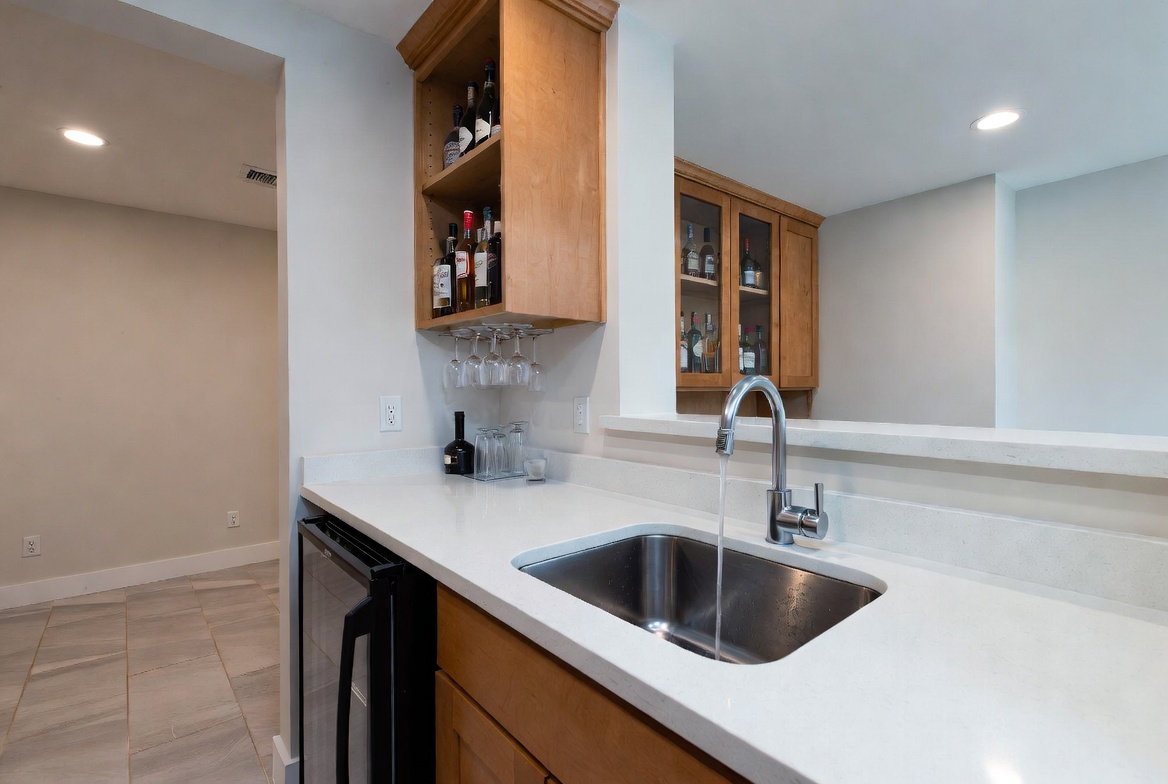
Full Entertaining Setups for Utah Families
Some families want more than a basic place to grab a drink. They want a basement bar that can comfortably handle bigger groups, longer evenings, and regular use. A full entertaining setup goes beyond just a counter and some stools it creates a complete zone where people naturally gather and stay.
These setups are popular in Utah because winters are long and many families prefer hosting at home. When done well, a full bar setup can become the heart of the basement and reduce traffic going up and down the stairs.
What Makes a Full Entertaining Setup Different
A full setup usually includes several of these elements working together:
- Custom or high-quality cabinetry — Built to fit the space with plenty of storage.
- Proper sink with plumbing — Makes the bar truly functional for prep and cleanup.
- Under-counter refrigeration — Beverage fridge, wine fridge, or even a small ice maker.
- Wine storage or display — Whether it’s a small rack or a more prominent feature.
- Comfortable seating nearby — Not just bar stools, but places for people to sit and talk.
- Good lighting and technology — Dimmable lights, a TV, or integrated sound system.
Simple Bar vs Full Entertaining Setup
| Aspect | Simple Wet Bar | Full Entertaining Setup |
|---|---|---|
| Storage | Basic cabinets or open shelves | Custom cabinetry with hidden and open storage |
| Functionality | Mainly for serving drinks | Prep, serving, cleanup, and storage |
| Seating | Usually just bar stools | Bar stools + nearby seating area |
| Technology | Basic lighting | Dimmable lighting, TV, or sound system |
| Best For | Casual or occasional use | Regular entertaining and bigger groups |
Layout and Flow Tips
One of the most important parts of a full setup is how the space flows. Here are some practical considerations:
- Create clear paths so people can easily move between the bar and seating areas.
- Position the bar so it doesn’t block natural traffic flow through the basement.
- Include both standing room at the bar and seated areas nearby for longer conversations.
- Think about where the TV or main focal point should be so it doesn’t compete with the bar.
- If your basement has a walkout, consider how the bar relates to the outdoor space during warmer months.
A South Jordan Family’s Experience
One homeowner in South Jordan built a larger custom bar with good storage and seating. He wanted it to work for both casual weeknights and bigger groups. He added hidden storage behind the bar for extra supplies. This kept the surface clean while still having everything close when needed. He uses the space regularly and says it feels like a natural part of his basement rather than a separate room.
Making It Work for Families
Many Utah families want their entertaining space to feel welcoming for both adults and kids. Here are some ways to achieve that balance:
- Keep some lower storage or counter space that’s easy for kids to access for snacks or drinks.
- Include a small table or banquette nearby so younger kids have somewhere to sit.
- Use durable, easy-to-clean materials so spills aren’t a constant worry.
- Consider adding a small snack or beverage station that works for all ages.
- Make sure there’s enough lighting so the space doesn’t feel too dark or adult-only.
Is a Full Setup Right for You?
A full entertaining setup makes the most sense if you regularly host people or want the basement to feel like a true extension of your living space. It requires more planning, a higher budget, and usually some plumbing and electrical work. However, when done thoughtfully, it can significantly increase how much you and your family actually use the basement.
The key is designing it around how you actually entertain rather than trying to copy something you saw online. Focus on flow, storage, and comfort, and the space will feel natural instead of forced.
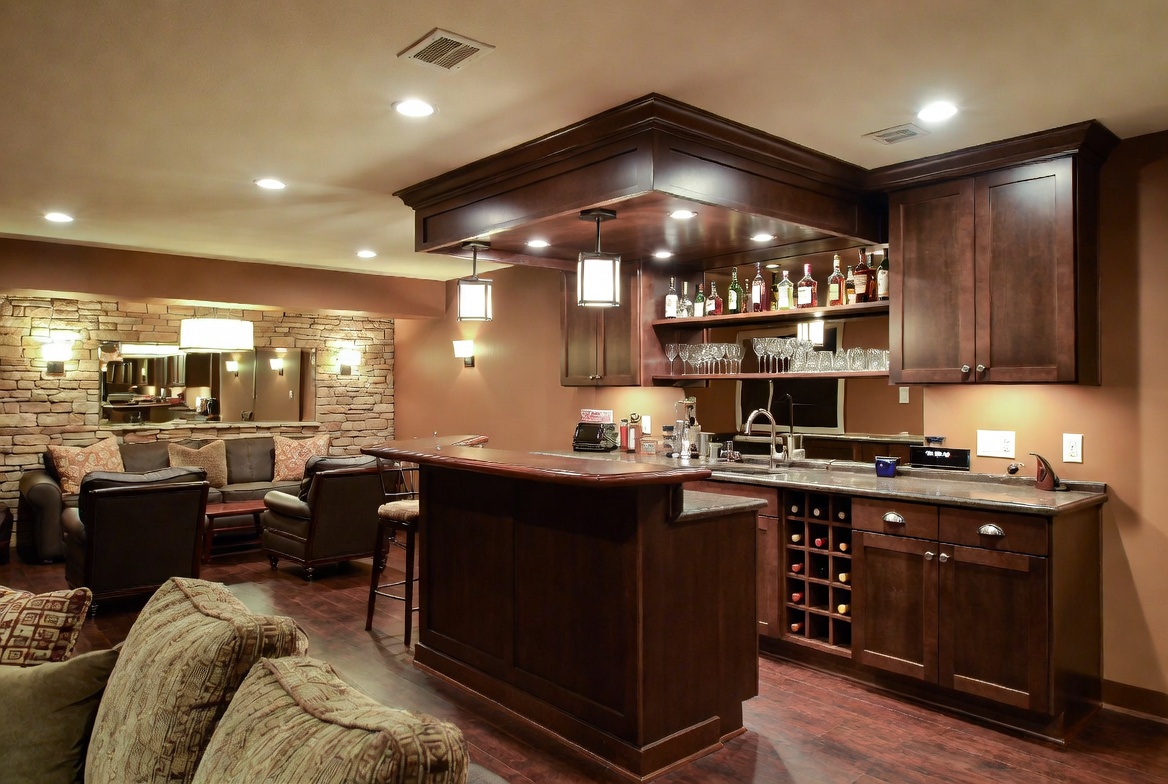
Materials and Finishes That Hold Up Well in Utah Basements
Utah basements can experience temperature changes and occasional humidity, so choosing the right materials is important. The finishes you pick will affect both how the bar looks and how easy it is to maintain over time.
While it’s tempting to choose materials based only on appearance, it’s smarter to focus on durability, moisture resistance, and how easy they are to clean, especially in a space that will see regular use.
Countertops
The countertop takes the most wear, so it needs to be tough and easy to maintain.
- Quartz — Very popular choice. It’s durable, non-porous, and resists stains and moisture well. Requires minimal maintenance.
- Granite — Classic and durable, but needs periodic sealing. Works well if you like natural stone.
- Quartzite — Harder than granite and more heat resistant, but usually more expensive.
- High-quality laminate — A more budget-friendly option that can still look good. Choose thicker, water-resistant versions.
Cabinetry
Cabinets need to handle humidity changes and regular use without warping or showing wear quickly.
- Painted cabinets — Offer a clean, modern look. Choose quality paint and proper sealing for better moisture resistance.
- Stained wood — Shows natural grain and can hide minor wear better than solid colors in some cases.
- High-quality laminate or thermofoil — More affordable and resistant to moisture. Good for lower cabinets that may see more spills.
- Soft-close hardware — Worth the small upgrade. Makes cabinets feel higher quality and last longer.
Flooring Around the Bar
The flooring directly in front of and around the bar should be durable and easy to clean.
- Luxury Vinyl Plank (LVP) — One of the best choices for basements. Waterproof, durable, and comfortable underfoot.
- Porcelain or ceramic tile — Extremely durable and moisture-resistant. Works well if you want a more finished look.
- Engineered hardwood — Can work but is less ideal directly in front of the bar due to potential spills.
- Carpet — Generally not recommended right around the bar because of spills and wear.
Backsplash and Wall Materials
- Tile backsplash — Practical and easy to clean. A simple subway tile or larger format tile works well behind the bar.
- Painted walls — Use a higher-quality paint with some sheen (eggshell or satin) so it wipes clean more easily.
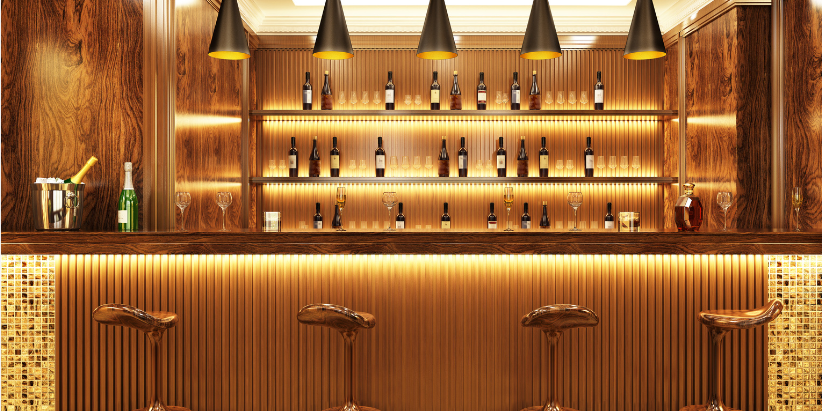
- Wood slat or paneling — Can add warmth and character, but make sure it’s properly sealed if used near the bar area.
| Material | Durability | Maintenance | Best For |
|---|---|---|---|
| Quartz Countertop | Excellent | Very low | Most basement bars |
| LVP Flooring | Very good | Low | High-traffic bar areas |
| Painted Cabinets | Good | Medium | Modern or light-colored looks |
| Tile Backsplash | Excellent | Low | Behind sink or wet areas |
Quick Tips for Choosing Materials
- Prioritize moisture resistance over trendiness, especially for anything near the sink or floor level.
- Choose finishes that are easy to wipe down — you’ll thank yourself after parties and gatherings.
- Consider how the materials will look with the rest of your basement rather than in isolation.
- Don’t skip quality hardware. Soft-close hinges and durable pulls make a noticeable difference in daily use.
Investing in better materials in the beginning usually saves money and frustration over time. Materials that are easy to maintain and hold up well will keep your bar looking good for years, even with regular use.
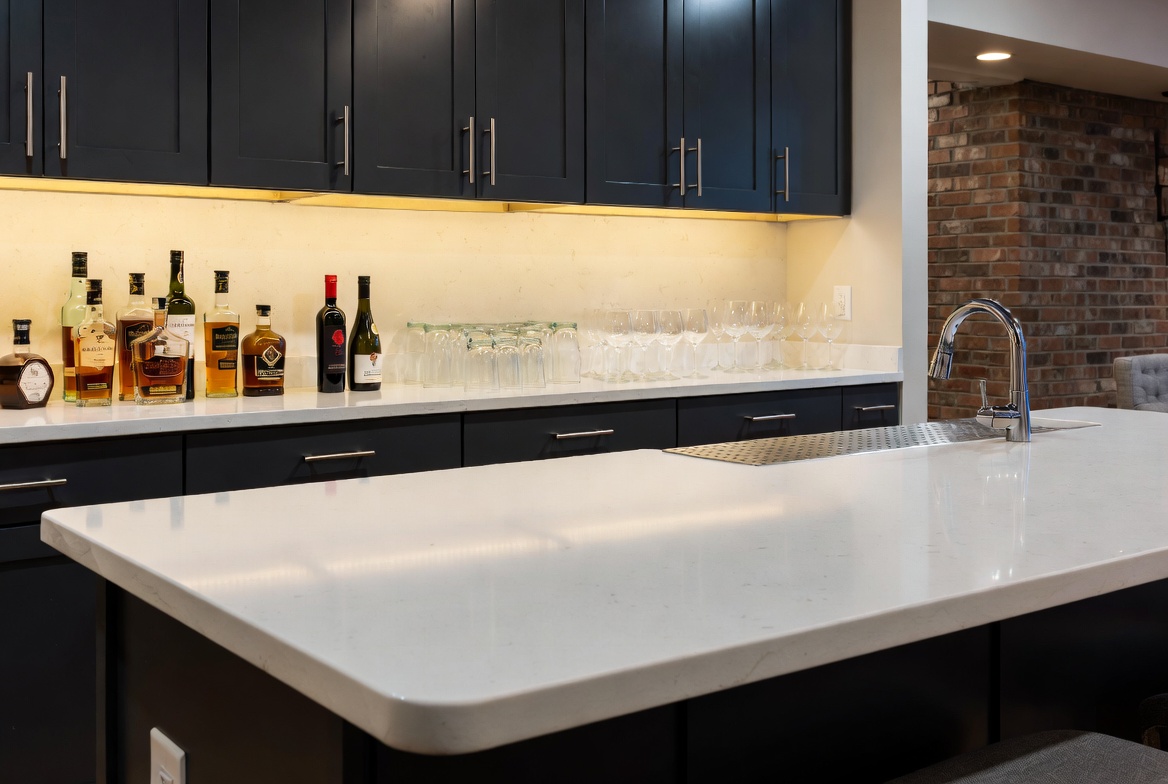
Zoning and Flow: Making the Bar Work with the Rest of Your Basement
One of the most common challenges with basement bars is making them feel like a natural part of the space instead of something stuck in the corner. Good zoning and flow help people move comfortably between the bar, seating areas, and the rest of the basement.
When the layout works well, guests can easily get a drink and then find a place to sit without feeling crowded or blocked. Poor flow is one of the main reasons some bars end up being used less than expected.
Why Zoning Matters
Zoning simply means dividing the basement into different activity areas. A well-zoned basement bar usually includes:
- The Bar Zone — Where drinks are made and served.
- The Gathering Zone — Nearby seating or standing space for conversation.
- The Transition Zone — Clear pathways connecting the bar to the rest of the basement.
Practical Flow Tips
- Leave enough space in front of the bar so people can stand comfortably while waiting for a drink.
- Avoid placing the bar in a way that blocks main walkways through the basement.
- Create a natural path from the stairs or main entrance toward the bar.
- If you have seating nearby, make sure there’s enough room for people to move between the bar and seats without squeezing past each other.
- In walkout basements, consider how the bar relates to the door leading outside as good positioning can make the space feel more open.
| Zoning Approach | Best For | Key Benefit |
|---|---|---|
| Bar + Adjacent Seating | Most common and practical | Easy conversation between people at the bar and those sitting nearby |
| Bar as a Room Divider | Larger basements | Creates natural separation between different activity areas |
| Open Concept with Clear Paths | Families who want flexibility | Allows the bar to feel connected to the rest of the basement |
The best layouts feel intuitive. People should be able to grab a drink and easily find a place to stand or sit without having to navigate around furniture or each other.
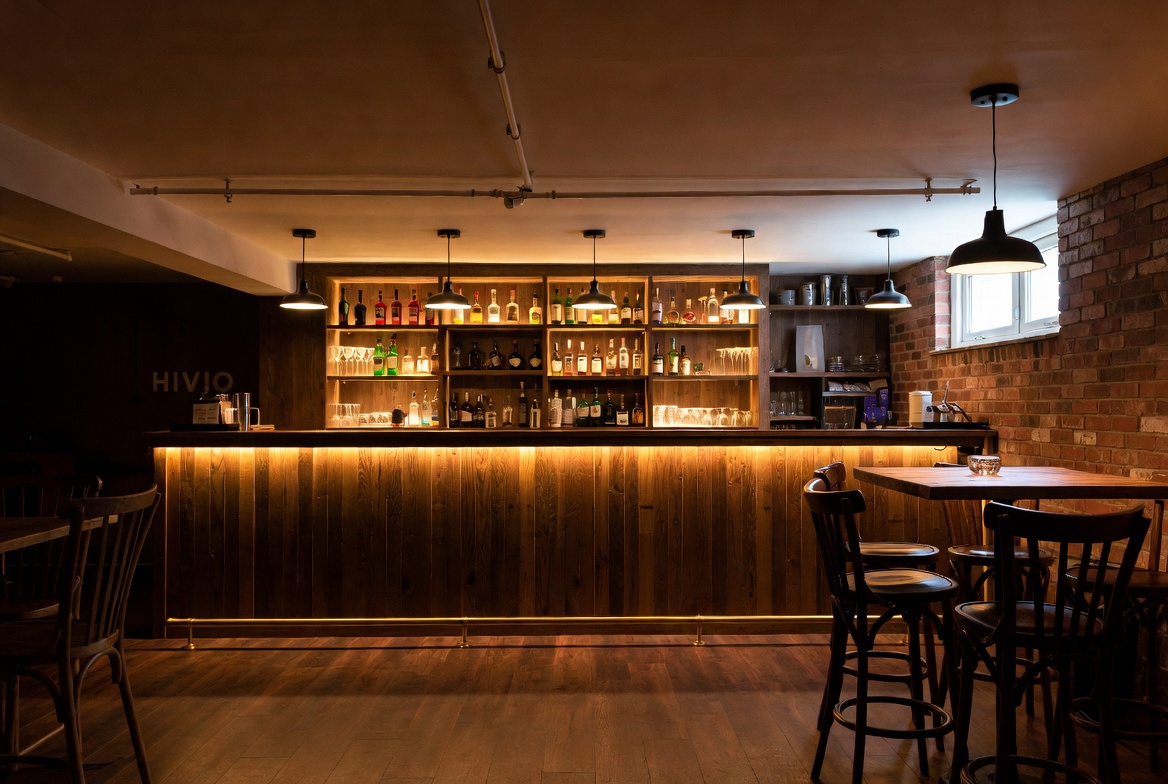
Common Mistakes Utah Homeowners Make with Basement Bars
Many basement bar projects run into the same avoidable problems. These issues often come from rushing the planning stage or focusing too much on how the bar looks instead of how it will actually be used.
Top Mistakes to Avoid
- Underestimating storage needs — Many people run out of space for bottles, glasses, and supplies within the first year.
- Poor lighting — Dark corners or harsh overhead lights make the space feel unwelcoming and hard to use.
- Bad traffic flow — Placing the bar where it blocks natural movement through the basement.
- Choosing the wrong materials — Using finishes that are hard to clean or don’t hold up well to regular use.
- Not enough standing room — Forgetting that people often stand and chat in front of the bar.
- Ignoring acoustics — Hard surfaces can make the space feel echoey and loud when people are talking.
- Overcomplicating the design — Adding too many features that don’t match how the family actually entertains.
| Mistake | Why It Happens | Better Approach |
|---|---|---|
| Not enough storage | Focusing only on the look of the bar | Plan for both hidden and open storage from the beginning |
| Poor lighting | Using only one type of light | Combine under-cabinet, overhead, and accent lighting |
| Blocking flow | Placing the bar based on looks only | Walk through the space and test traffic patterns before building |
| Wrong materials | Choosing trendy finishes | Prioritize durability and easy maintenance |
Taking time during the planning stage to think about daily use and traffic patterns helps avoid most of these issues. Many of these mistakes are much easier and cheaper to fix on paper than after construction is finished.
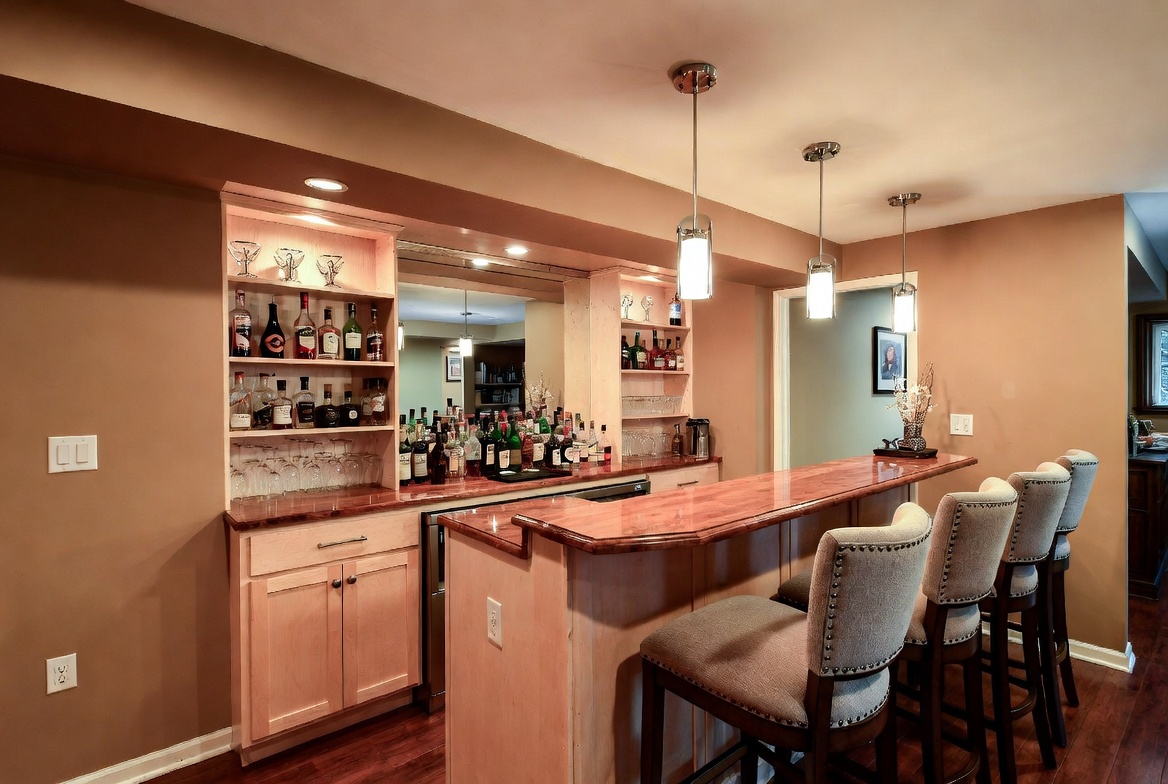
What to Think About Before You Start Building
Before you start designing or budgeting, it’s worth taking time to think through how you actually want to use the space. Rushing this part often leads to regrets later.
Key Questions to Ask Yourself
- How often do you plan to use the bar: occasionally or several times a week?
- Do you usually entertain small groups or larger gatherings?
- Do you want the bar to be the main focus of the basement or more of a supporting feature?
- Will kids be using the space regularly, or is it mainly for adults?
- How important is it to have running water and easy cleanup?
- What’s your realistic budget, including plumbing and electrical work?
Important Planning Considerations
- Plumbing and electrical access — Check this early. Adding it later is significantly more expensive.
- Connection to the rest of the basement — Think about how the bar will look and feel from other areas.
- Storage needs — Be honest about how many bottles, glasses, and supplies you’ll actually need to store.
- Future flexibility — Consider whether you might want to add features (like a sink or more seating) later.
- Maintenance — Choose materials and finishes that are realistic to keep clean and looking good.
Practical tip: Walk through your basement and picture a typical evening. Imagine where drinks would be made and where people would sit or stand. This simple step helps create layouts that actually work once everything is built.
The more clearly you define how you want to use the space before construction begins, the more satisfied you’ll be with the final result. It’s much easier to adjust plans on paper than after the work has started.
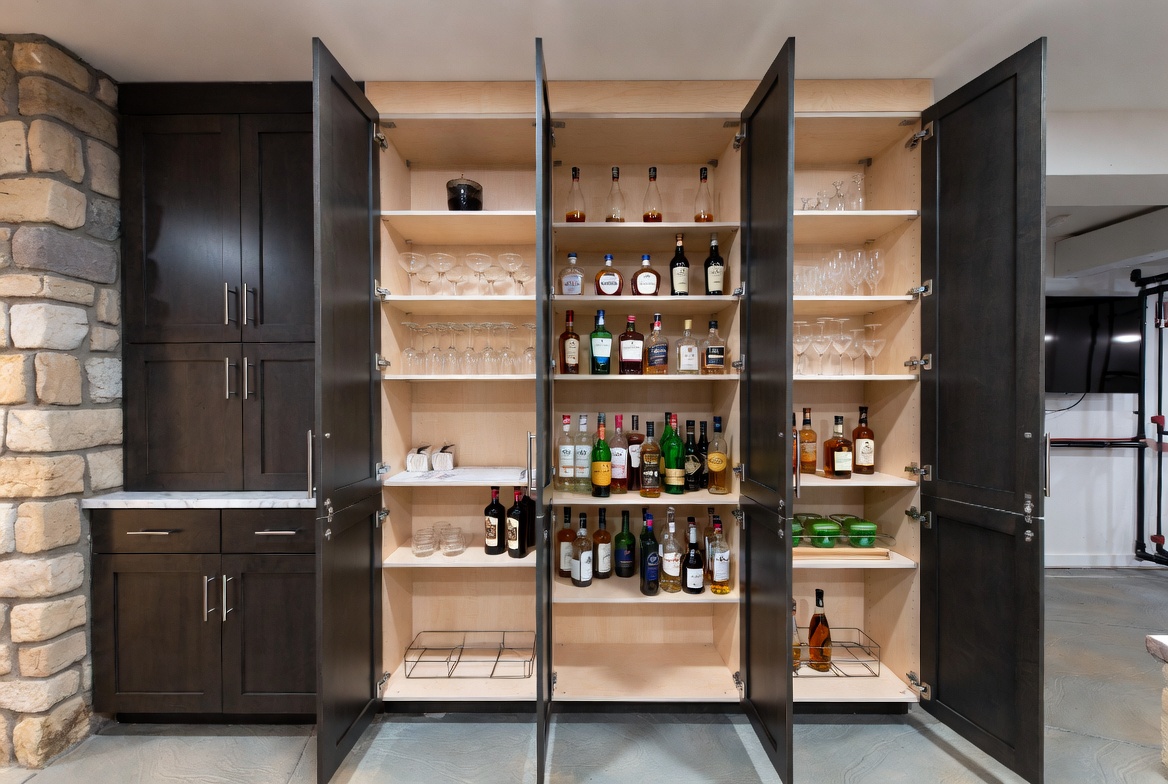
Final Thoughts
A basement bar does not have to be elaborate to be worth it. The best ones match how your family actually spends time together. Some people want something simple and quiet. Others want a space that can handle bigger gatherings. Both are valid when planned around real use.
Utah homes with walkout basements have a real advantage here. You can create something that feels connected to the rest of the house while still giving you a dedicated entertaining area. Start with what feels right for your current life and add from there as needed.
Frequently Asked Questions About Basement Bars in Utah
How much does a simple basement wet bar cost in Utah?
A basic wet bar without plumbing usually costs between $3,500 and $7,500. The price depends mostly on cabinetry quality and countertop choice.
Is it worth adding a sink to a basement bar?
It depends on how often you’ll use the space. A sink makes cleanup much easier and turns the bar into a more functional area. If you entertain regularly, it’s usually worth the extra cost of plumbing.
Can I build a basement bar without major plumbing?
Yes. Many simple bars work well with just a beverage fridge and storage. You can always add plumbing later if you decide you want it.
How long does it take to build a basement bar?
Simple versions can often be completed in 2 to 3 weeks. Projects that include plumbing and custom work usually take 4 to 8 weeks, depending on the scope and material lead times.
What kind of seating works best around a basement bar?
Bar stools are useful along the counter. Adding a small table or a couple of comfortable chairs nearby gives people a place to sit and talk without standing the whole time.
Should the bar match the rest of the basement?
It usually looks better when the finishes feel connected to the rest of the space. Using similar colors and materials helps the bar feel like a natural part of the basement instead of something added on later.
Can a basement bar work in a smaller space?
Yes. Even narrow areas can work well if you use smart storage and keep good traffic flow. The key is avoiding a cramped feeling in front of the bar.
Do basement bars add value when selling a home in Utah?
They add lifestyle appeal more than direct resale value. A well-designed bar can make the basement feel more usable, which many buyers appreciate — especially in Utah where people spend a lot of time indoors during winter.
Basement Bar Design Ideas • Wet Bar Ideas Utah • Full Entertaining Setups 2026

Bryant Bitner
Founder & Lead Project Manager, Pro-Worx Construction
Bryant leads Pro-Worx Construction and has helped many Utah families turn their basements into spaces they actually enjoy. He focuses on practical designs that fit real budgets and real lifestyles, whether that means a simple wet bar or a full custom entertaining area.
When he is not on job sites you will often find him talking with homeowners about what they really need versus what looks good in pictures.