

Overview
This complete 2026 guide walks you through every phase of finishing a basement in Utah. It covers realistic timelines, what actually happens during each stage, how phases overlap, common delays, cost ranges per phase, and the experiences from local families who have lived through the process. Whether you are planning a simple rec room or a full apartment-style basement, this article gives you a clear picture of what to expect from start to finish.
Table of Contents
- Why This Guide Is Different from Most Basement Finishing Advice
- Phase 1: Planning, Design, and Permitting
- Phase 2: Demolition and Site Preparation
- Phase 3: Framing
- Phase 4: Rough-Ins (Plumbing, Electrical, and HVAC)
- Phase 5: Insulation and Drywall
- Phase 6: Painting, Trim, and Flooring
- Phase 7: Finish Work and Final Inspections
- How the Phases Really Overlap (And Why Delays Happen)
- Real Cost Breakdown by Phase in Utah (2026)
- Frequently Asked Questions About Basement Finishing Phases
Finishing a basement is exciting in theory. In reality, it is a long, messy, and often unpredictable process that can stretch for months. Most guides give you a clean list of steps. This one tells you what actually happens, how the phases really work together (or clash), and what Utah families wish they had known before they started.
This guide is based on real experiences from homeowners across the Wasatch Front who finished their basements in 2025 and 2026. It includes the surprises, the delays, the coordination headaches, and the small decisions that ended up making a big difference.
Why This Guide Is Different from Most Basement Finishing Advice
Most basement finishing guides make the process sound neat and linear. However, in reality, phases overlap, trades bump into each other, materials get delayed, and decisions you make in week three can create problems in week twelve. This guide focuses on how the process actually unfolds for Utah homeowners, not how it looks on a project management chart.
Phase 1: Planning, Design, and Permitting
This is the phase most people rush through, and it often causes the biggest headaches later. Good planning saves time and money. Rushed planning creates expensive changes mid-project that could have been avoided with better decisions upfront.
Why This Phase Matters More Than You Think
Many homeowners treat planning as something to get through quickly so construction can start. In reality, the quality of your planning directly affects your budget, timeline, and how happy you are with the finished space.
- Decisions made during planning are the cheapest and easiest to change.
- Changes made after framing or rough-in become significantly more expensive.
- Good planning reduces the number of change orders during construction.
- Rushed planning is one of the most common reasons basement projects go over budget.
What Actually Happens During Planning and Design
During this stage, you will work with a designer, architect, or experienced contractor to turn your ideas into a workable plan. This usually includes:
- Measuring the existing space and identifying any challenges (low ceilings, support beams, existing plumbing or electrical locations).
- Creating a layout that works with your needs and the physical limitations of the basement.
- Choosing finishes, fixtures, and materials (flooring, lighting, paint colors, cabinetry, etc.).
- Deciding on the scope of work (basic rec room vs full apartment with bathroom and kitchenette).
- Preparing drawings and specifications for permitting.
The Permitting Process in Utah
In Utah, most cities and counties require permits for basement finishing projects. The permitting process can take anywhere from two to eight weeks depending on your city and how complete your plans are.
- Basic projects (no structural changes, no new bathroom or kitchen) usually have faster permit turnaround.
- Projects with new bathrooms, wet bars, or structural modifications require more detailed plans and longer review times.
- Some cities have moved to online permitting systems, which can speed things up if your plans are complete and accurate.
- Incomplete or unclear plans are the most common reason for permit delays.
| Aspect | Good Planning | Rushed Planning |
|---|---|---|
| Layout Changes | Caught early and inexpensive to fix | Expensive change orders during construction |
| Budget Accuracy | More realistic numbers from the start | Frequent surprises and cost overruns |
| Permitting Time | Faster approval with complete plans | Multiple revisions and longer waits |
| Final Result | Fewer regrets and changes later | More compromises and “we should have…” moments |
| Overall Project Stress | Lower — fewer last-minute decisions | Higher — constant changes and surprises |
A family in Spanish Fork spent three months planning their basement with a designer. They changed the layout twice during the permitting process. Because they caught the issues early, they avoided major change orders later in construction. Their contractor later told them that skipping detailed planning usually adds 15 to 25 percent to the total project cost through change orders and delays. They said the extra time spent planning felt slow at the time but saved them significant stress and money later.
Questions to Ask During This Phase
Here are some important questions to discuss with your designer or contractor early on:
- What are the biggest challenges with this basement (ceiling height, support beams, existing plumbing or electrical, moisture, etc.)?
- Are there any code requirements we need to plan for now (egress windows, smoke/CO detectors, GFCI/AFCI protection, etc.)?
- How long do you expect the permitting process to take in our city?
- What decisions do we need to make now versus what can wait until later?
- What are the biggest cost drivers in this project, and where can we potentially save money without major compromises?
Taking the time to plan carefully during this first phase usually leads to a smoother construction process and a finished basement you are happier with in the long run.
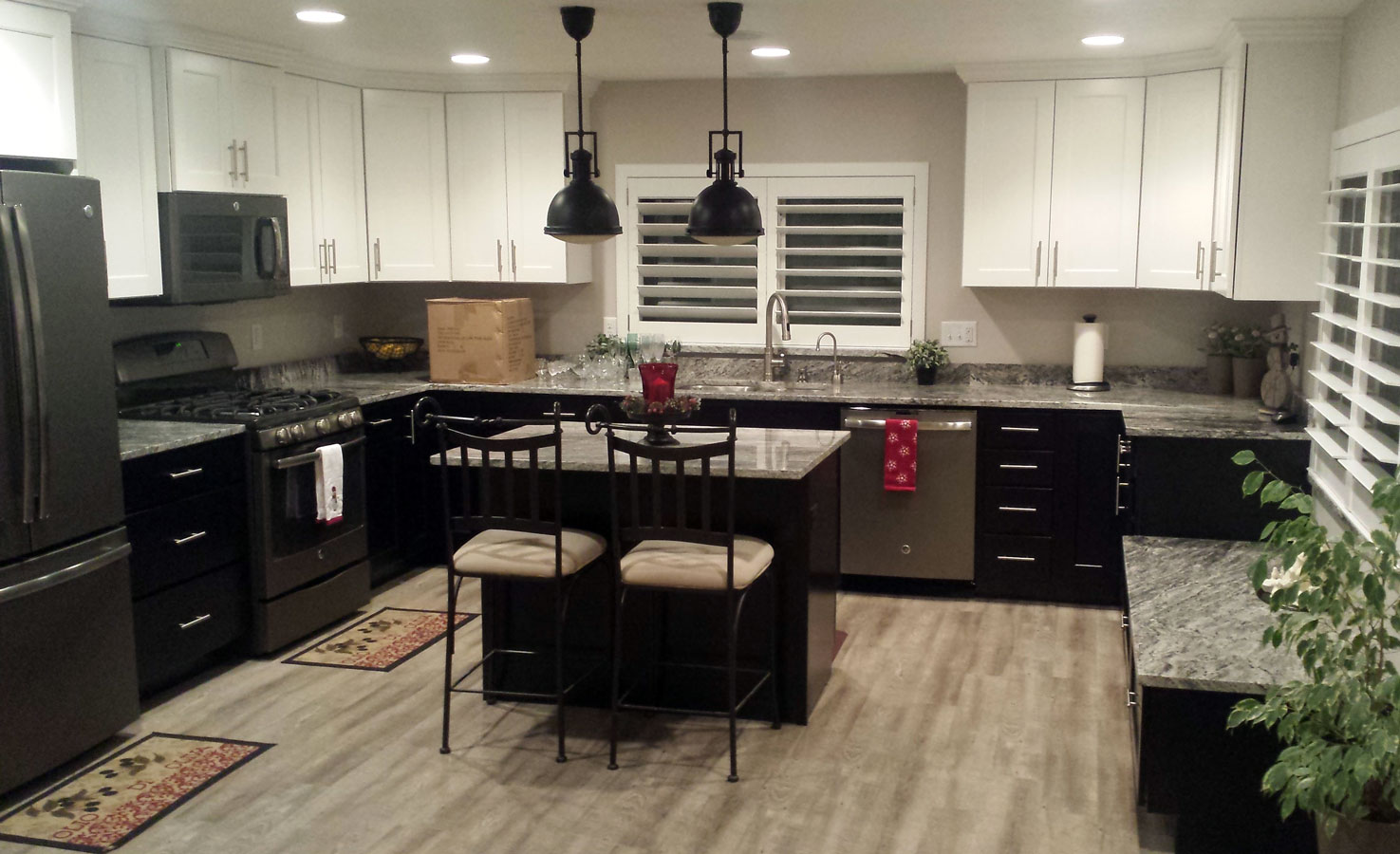
Phase 2: Demolition and Site Preparation
This is when the basement actually starts to look and feel like a construction zone. For many homeowners, this is the moment it becomes real as the space they have been using (or ignoring) suddenly gets torn apart. Demolition can feel exciting at first, but it also brings dust, noise, and a surprising amount of disruption to daily life.
What Actually Happens During Demolition
Demolition is the process of removing everything that needs to go before new work can begin. This usually includes:
- Old flooring (carpet, tile, vinyl, or sometimes old concrete coatings).
- Non-load-bearing walls that are being moved or removed.
- Outdated or damaged mechanical items (old ductwork, electrical panels that need upgrading, old plumbing lines).
- Any existing finishes that no longer work with the new layout.
- Debris and construction waste that needs to be hauled away.
The goal is to strip the basement back to a clean starting point so framing and rough-in work can begin on a solid foundation.
How Long Does Demolition Usually Take?
The length of the demolition phase depends on how much needs to come out and how accessible the space is.
- Simple projects with minimal removal might only take 2–4 days.
- Projects that involve removing walls, old flooring throughout, and outdated mechanicals often take 1–2 weeks.
- Very large basements or projects with structural demolition can take longer.
- Weather and access (getting debris out of the house) can also affect how long this phase takes.
| Item Being Removed | Common in Most Projects? | Notes |
|---|---|---|
| Old flooring | Yes | Carpet, tile, vinyl, or old finishes |
| Non-load-bearing walls | Often | If changing the layout |
| Old ductwork | Sometimes | If HVAC is being updated or rerouted |
| Old electrical or plumbing | Often | Especially in older homes |
| Debris and waste | Always | Must be hauled away properly |
The Dust and Debris Reality
One of the biggest surprises for homeowners during demolition is how much dust and debris it creates. Even when crews use plastic sheeting and dust barriers, fine dust tends to find its way upstairs.
- Drywall dust, old insulation, and flooring particles can spread through the house if not properly contained.
- Many families say they underestimated how much they would need to clean during and after this phase.
- Good contractors use negative air machines and thorough sealing, but some dust is almost always unavoidable.
- It is worth asking your contractor how they plan to control dust before demolition begins.
How to Prepare Your Home for Demolition
A little preparation can make the demolition phase less stressful:
- Clear out anything you want to keep from the basement well before demolition starts.
- Seal off the basement from the rest of the house as much as possible (plastic sheeting, closed doors, towels under doors).
- Move or cover furniture on the main floor, especially near the basement stairs.
- Talk to your contractor about their dust control plan and whether they will do a final clean at the end of demolition.
- Be prepared for some noise and disruption during work hours.
Demolition is a messy but necessary step. Once it is complete, the space is ready for framing and the real transformation to begin. Taking time to prepare your home and asking good questions upfront can make this phase much more manageable.
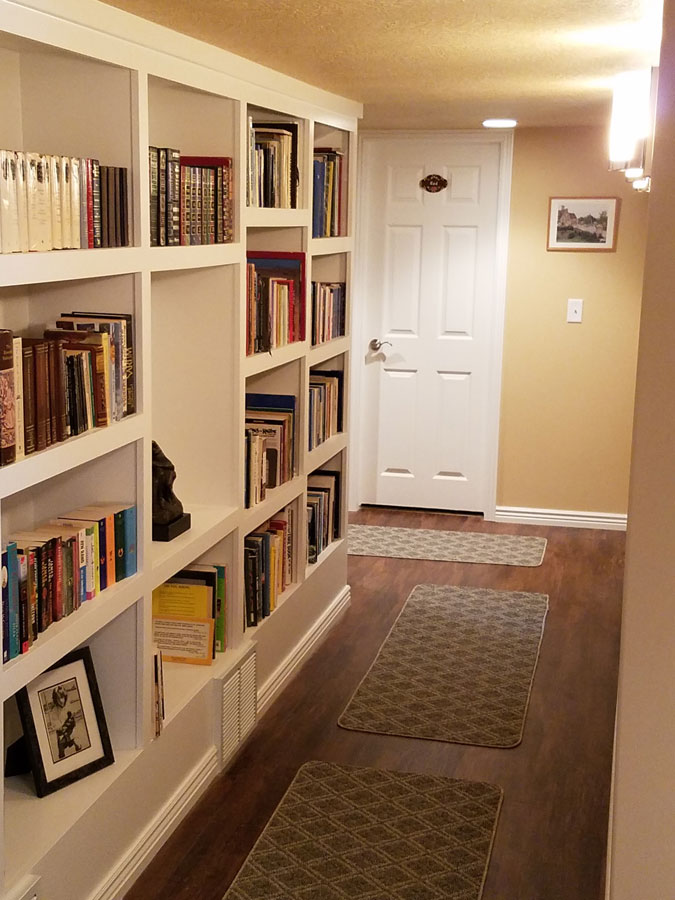
Phase 3: Framing
Framing is when the basement finally starts to take shape. This is the phase where walls go up, rooms are defined, and you can walk through the space and begin to visualize how it will actually feel once it is finished.
What Happens During Framing
During framing, carpenters build the skeleton of the new rooms using wood studs. This includes:
- Building new walls to create rooms, hallways, and closets.
- Framing door openings and window wells (if adding egress windows).
- Building any bulkheads or soffits needed to hide ductwork or beams.
- Creating the structure for future bathrooms, wet bars, or other features.
This phase usually takes one to three weeks, depending on the size and complexity of the layout.
Why This Is the Last Good Chance to Make Layout Changes
Once framing is complete, the layout becomes much more expensive and time-consuming to change. This is often the last realistic opportunity to adjust room sizes, move walls, or rethink the flow without major cost increases.
- Moving a wall during framing is relatively inexpensive.
- Moving a wall after rough-in (plumbing and electrical) becomes significantly more expensive.
- Moving a wall after drywall can easily cost several thousand dollars and add weeks to the schedule.
Real Story from a Utah Family
A couple in Draper changed their mind about the location of a bathroom during framing. Because they caught it early, the change only cost them about $1,800. Their contractor told them that if they had waited until after drywall, the same change would have cost closer to $6,000 and added three weeks to the schedule. They were glad they spoke up while the walls were still just wood studs.
What Homeowners Should Watch For During Framing
- Walk through the framed space and imagine daily life — does the layout actually work for how you will use the rooms?
- Pay attention to door swings, closet sizes, and furniture placement while the space is still open.
- Ask your contractor about any surprises they discovered once the walls came down (moisture issues, unexpected beams, etc.).
- This is a good time to confirm that all planned electrical and plumbing locations still make sense with the final layout.

Phase 4: Rough-Ins (Plumbing, Electrical, and HVAC)
This is one of the most important and technical phases of the entire project. All the behind-the-scenes systems get installed while the walls are still open. Once drywall goes up, these systems become much harder (and more expensive) to change or fix.
What Happens During Rough-In
Three main trades usually work during this phase, often overlapping with each other:
- Plumbing Rough-In — Running drain lines, supply lines, and vent pipes for bathrooms, wet bars, laundry, or future kitchenettes. This also includes setting the locations for toilets, sinks, showers, and any floor drains.
- Electrical Rough-In — Running all wiring through the studs, installing electrical boxes for outlets, switches, and lights, and setting up circuits (including dedicated circuits and often a subpanel if needed).
- HVAC Rough-In — Installing or modifying ductwork, returns, and sometimes new zoning or registers to properly heat and cool the new basement space.
Why Coordination Between These Trades Matters
Plumbing, electrical, and HVAC often need to work in the same spaces at the same time. Poor coordination is one of the most common sources of delays and extra costs in Utah basement projects.
- Ducts may block planned lighting locations or outlet runs.
- Plumbing lines may run through spaces where electrical boxes were supposed to go.
- One trade’s work can accidentally damage another trade’s work if communication is poor.
- Inspectors may fail one trade’s work because of conflicts created by another trade.
| Trade | Main Work During Rough-In | Common Issues If Poorly Coordinated |
|---|---|---|
| Plumbing | Drain lines, supply lines, vent pipes, fixture locations | Lines blocking electrical boxes or duct runs |
| Electrical | Wiring, boxes for outlets/switches/lights, circuits, subpanel | Wires damaged by other trades or blocked by ducts |
| HVAC | Ductwork, returns, registers, zoning | Ducts running through planned lighting or outlet locations |
What Homeowners Should Pay Attention To
- Walk through the space with your contractor during rough-in and confirm outlet, switch, and light locations while the walls are still open.
- Ask about any conflicts between trades as soon as they come up as early fixes are much cheaper than later ones.
- Make sure your contractor has a clear plan for how the three trades will coordinate their work.
- This is also a good time to double-check that future-proofing items (like EV charger circuits or extra capacity for an ADU) are being included if you planned for them.
Rough-in is a critical phase. When it goes smoothly, the rest of the project tends to move forward more easily. When coordination is poor, it often creates delays and extra costs that ripple through the rest of the job.
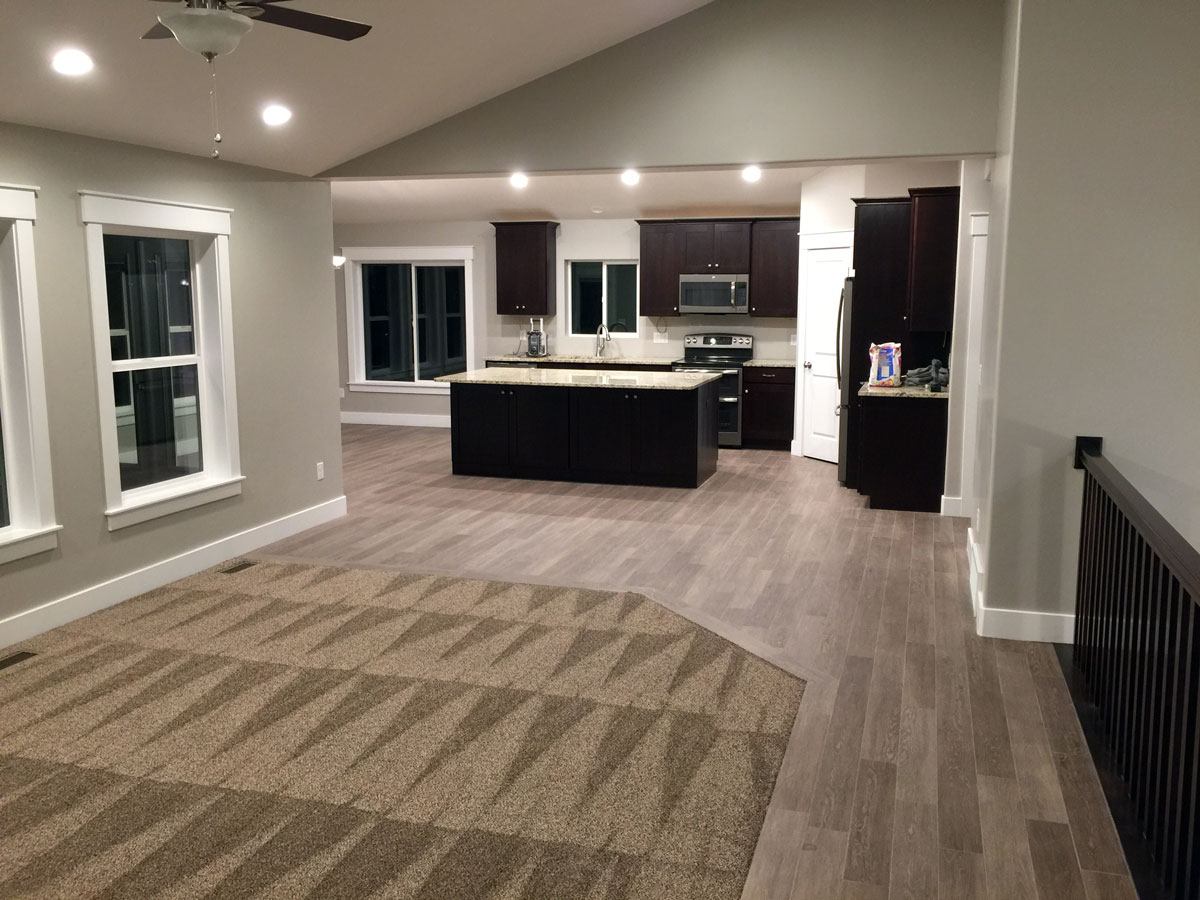
Phase 5: Insulation and Drywall
Once all the rough-ins pass inspection, insulation and drywall can begin. This phase is when the basement finally starts to feel like a real, enclosed space again instead of an open construction zone.
Insulation
Insulation is installed to help with temperature control, soundproofing, and energy efficiency. In Utah basements, this phase usually takes one to three days depending on the size of the space.
- Fiberglass batts — Most common and affordable option. Relatively quick to install.
- Spray foam — More expensive but offers better air sealing and higher R-value. Often used in rim joist areas.
- Rigid foam boards — Sometimes used on exterior walls for additional insulation and moisture control.
Proper insulation makes a noticeable difference in how comfortable the finished basement feels year-round, especially during Utah winters.
Drywall Installation and Finishing
Drywall (also called sheetrock or gypsum board) is hung on the walls and ceilings, then taped, mudded, and sanded to create smooth surfaces ready for paint.
- Hanging drywall usually takes 1–3 days depending on the size of the basement.
- Taping and mudding (the “finishing” part) typically takes several days to a week or more, as multiple coats are applied and sanded between coats.
- The number of coats and the level of finish (Level 4 vs Level 5) affects both the final appearance and the timeline.
- This phase creates a lot of fine white dust that can spread through the house if not properly contained.
| Aspect | What to Expect | Tips for Homeowners |
|---|---|---|
| Timeline | 1–3 days for hanging, 4–10 days for finishing | Ask your contractor for a realistic schedule based on the size of your basement |
| Dust | Creates fine white dust that spreads easily | Seal off the basement as much as possible and consider running air purifiers upstairs |
| Finish Level | Level 4 is standard; Level 5 is smoother (more expensive) | Ask which level they plan to use and whether it matches your paint finish goals |
| Inspection | Some cities require inspection after drywall but before paint | Confirm with your contractor whether an inspection is needed at this stage |
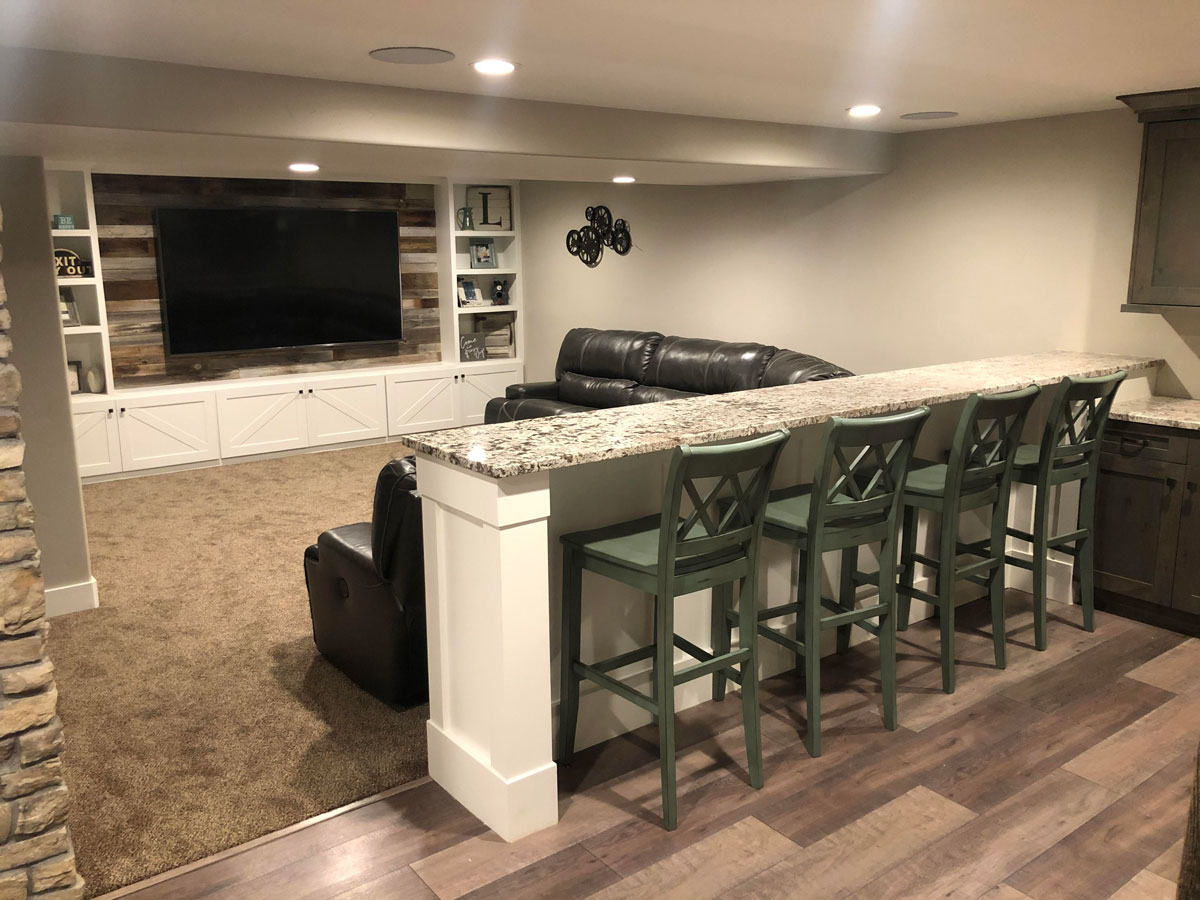
Phase 6: Painting, Trim, and Flooring
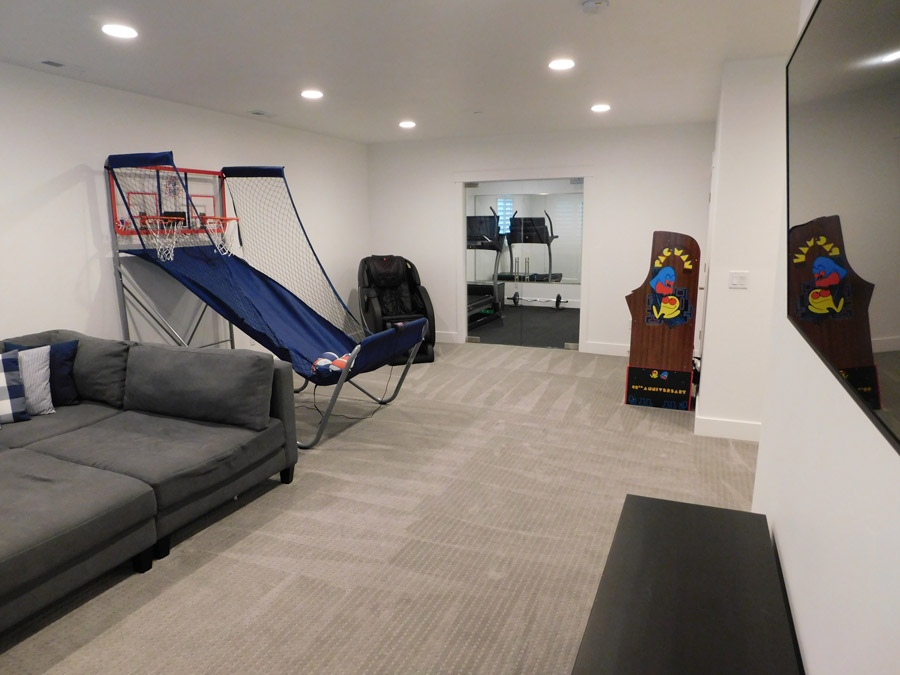
This is when the basement really starts to look and feel finished. Painting, installing baseboards and door trim, and laying flooring transform the space from a dusty construction zone into something that actually feels like part of your home.
Painting and Trim
Painting usually happens first, followed by installing baseboards, door casings, and other trim work. This phase typically takes one to two weeks.
- Priming and painting walls and ceilings is done before trim goes on in most cases.
- Baseboards, door frames, and window casings are installed after painting to keep them clean and crisp.
- Many families are surprised by how much more “finished” the space feels once the trim is installed.
Flooring
Flooring is often one of the last major installations. It can take anywhere from a few days to two weeks depending on the material and the size of the basement.
- Luxury Vinyl Plank (LVP) — Very popular in Utah basements. Durable, waterproof, and relatively fast to install.
- Carpet — Softer and warmer underfoot. Good for bedrooms and family rooms where comfort is a priority.
- Tile — Common in bathrooms and wet areas. Takes longer to install than LVP.
- Engineered hardwood — Less common in basements due to moisture concerns, but possible with proper prep.
A family in Park City chose luxury vinyl plank flooring for most of their basement but went with carpet in the bedrooms. They were surprised by how much warmer and quieter the carpeted rooms felt compared to the LVP areas. They said choosing flooring earlier in the process would have helped them make better decisions about furniture placement and overall layout. The difference in feel between the two flooring types was more noticeable than they expected.
How the Space Transforms During This Phase
- Painting makes the rooms feel brighter and more defined.
- Trim work gives the space a polished, custom look.
- Flooring is often the biggest visual transformation as it ties everything together and makes the basement feel complete.
- Many homeowners say this is the phase when they finally start to feel excited instead of overwhelmed.
| Flooring Type | Pros | Cons | Best For |
|---|---|---|---|
| Luxury Vinyl Plank (LVP) | Durable, waterproof, easy to clean, relatively fast install | Can feel harder/colder underfoot than carpet | High-traffic areas, basements with moisture concerns |
| Carpet | Soft, warm, good sound absorption, comfortable | Can trap dust/allergens, harder to clean spills | Bedrooms, family rooms, areas where comfort is priority |
| Tile | Very durable, waterproof, easy to clean | Cold and hard underfoot, longer install time | Bathrooms, wet bars, high-moisture areas |
Phase 7: Finish Work and Final Inspections
This is the final stretch of the project. It is when all the visible pieces come together and the basement finally becomes usable. While it can feel like the longest phase because the space is almost finished but not quite ready, it is also when everything starts to feel rewarding.
What Happens During Finish Work
Finish work includes all the final installations that make the space functional and polished:
- Electrical finish work — Installing outlets, switches, light fixtures, dimmers, and trim plates.
- Plumbing finish work — Installing toilets, sinks, faucets, showers, and any other fixtures.
- HVAC finish work — Installing registers, grilles, and thermostats.
- Final trim and hardware — Door hardware, closet rods, shelving, and any remaining millwork.
- Cleaning and touch-ups — Final cleaning, paint touch-ups, and addressing any small imperfections.
Final Inspections and Punch List
Once finish work is complete, final inspections are scheduled with the city or county. Inspectors check that all work meets code. Any items that fail inspection must be corrected before final approval.
- A “punch list” is created which is a list of small items that still need to be completed or fixed.
- Common punch list items include paint touch-ups, loose trim, missing outlet covers, or minor adjustments to doors and hardware.
- Addressing the punch list usually takes a few days to a week.
- Once all punch list items are complete and final inspections pass, the project is officially done.
| Finish Work Item | Typical Time Required | What Homeowners Often Notice |
|---|---|---|
| Electrical fixtures & switches | 2–5 days | Space suddenly feels brighter and more functional |
| Plumbing fixtures | 1–3 days | Bathrooms and wet areas become usable |
| Final inspections | 1–2 days (plus scheduling time) | Can feel like a waiting game |
| Punch list completion | 2–7 days | Small details that make the space feel truly finished |
Why This Phase Can Feel the Longest
Even though the heavy construction is over, this phase often feels the slowest because the space is almost usable but not quite ready. Many families say this is when they feel the most impatient.
- The basement looks mostly done, which makes waiting feel harder.
- Small punch list items can drag on if not actively managed.
- Final inspections sometimes get delayed due to inspector scheduling.
- Staying patient during this phase is one of the hardest parts for many homeowners.
How the Phases Really Overlap (And Why Delays Happen)
In real basement finishing projects, phases rarely happen in a clean, separate sequence like they do in textbooks. Work often overlaps, and that overlap is completely normal — but it requires good coordination to avoid problems.
How Phases Typically Overlap
Here’s how phases often run together in actual Utah basement projects:
| Phase Overlap | What Usually Happens | Why It Matters |
|---|---|---|
| Framing + Rough-In | Electrical and plumbing often start before framing is 100% complete | Saves time but requires careful coordination |
| Rough-In Trades Overlap | Plumbing, electrical, and HVAC working at the same time | Most common source of coordination issues |
| Drywall + Late Rough-In | Drywall sometimes starts in finished areas while rough-in continues elsewhere | Can speed things up but risks damage to new drywall |
| Finish Work + Punch List | Some finish items are completed while punch list work is still happening | Requires good project management to stay on track |
Why Delays Happen
Delays usually happen for a few common reasons:
- One trade falls behind — When electrical or plumbing runs long, it blocks insulation, drywall, and everything after it.
- Poor coordination between trades — When plumbers, electricians, and HVAC technicians are not communicating well, work gets redone or delayed.
- Change orders — Changes made after rough-in or drywall almost always cause delays and extra costs.
- Material or inspection delays — Waiting on materials or inspector availability can create bottlenecks.
- Weather or access issues — Especially relevant in Utah during winter months when access or material delivery can be affected.
How to Keep the Project Moving Smoothly
- Work with a general contractor who actively manages the schedule and communication between trades.
- Make major decisions early as changes become much more expensive and disruptive later in the process.
- Stay in regular contact with your contractor so you know if any phase is falling behind.
- Build some buffer time into your expectations as most basement projects take longer than homeowners initially think they will.
Understanding that phases overlap and that some delays are normal helps set realistic expectations. The smoothest projects are usually the ones where everyone stays flexible and communicates clearly throughout the process.
Real Cost Breakdown by Phase in Utah (2026)
Here are typical cost ranges for each major phase on a standard basement finishing project in Utah in 2026 (based on a 1,000 square foot basement):
| Phase | Typical Cost Range | Notes |
|---|---|---|
| Planning & Permitting | $1,500 – $4,000 | Design fees and permit costs |
| Demolition | $1,000 – $3,500 | Removal and disposal |
| Framing | $3,000 – $7,000 | Materials and labor |
| Rough-Ins (Plumbing + Electrical + HVAC) | $8,000 – $18,000 | Biggest variable — depends heavily on panel upgrades and fixtures |
| Insulation & Drywall | $4,000 – $8,000 | Includes taping and texture |
| Paint, Trim & Flooring | $6,000 – $14,000 | Big range depending on material choices |
| Finish Work & Final Inspections | $2,000 – $5,000 | Fixtures, final connections, and punch list |
Final Thoughts
Finishing a basement is a big project with many moving parts. The families who end up happiest are usually the ones who went into it with realistic expectations about the timeline, stayed flexible when things changed, and worked with contractors who communicated well.
There will be dust, noise, and weeks when it feels like nothing is happening. There will also be moments when the space suddenly starts to feel like part of your home again. Understanding each phase helps you stay patient and make better decisions along the way.
Frequently Asked Questions
How long does it usually take to finish a basement in Utah?
Most standard basement finishing projects take between 8 and 16 weeks from the start of demolition to final inspection. More complex projects with bathrooms, wet bars, or structural changes often take 4 to 6 months.
Which phase usually takes the longest?
The rough-in phase (plumbing + electrical + HVAC) and the drywall finishing phase are the ones that most often cause delays. Poor coordination between trades during rough-in is one of the biggest sources of schedule overruns.
Can I live in the house while the basement is being finished?
Yes, most families stay in their home during the project. However, expect dust, noise, and periods when the basement stairs may be blocked or difficult to use. Good dust control and clear communication with your contractor help make it more manageable.
What causes the most delays during a basement finishing project?
The most common causes of delays are poor coordination between trades (especially during rough-in), change orders made after framing or drywall, and waiting on materials or inspections. Projects with very detailed upfront planning tend to stay on schedule better.
What should I expect in terms of dust and noise?
Demolition and drywall phases create the most dust. Even with good containment, some dust usually finds its way upstairs. Noise is highest during demolition and framing. Most contractors work during normal business hours (roughly 7am–5pm).
How do I choose the right contractor for a multi-phase basement project?
Look for a contractor who has strong experience with basement finishing specifically, communicates clearly, and can explain how they manage coordination between trades. Ask for references from recent basement projects and check whether they actively manage the full schedule.
What happens if I want to make changes after a phase is complete?
Changes become significantly more expensive and time-consuming the further along the project gets. Moving a wall during framing is relatively affordable. Making the same change after drywall can easily cost several thousand dollars and add weeks to the schedule. Try to finalize decisions early.
How much should I budget for unexpected costs?
Most experienced contractors recommend adding a 10–15% contingency to your total budget for change orders and surprises. Projects with very detailed planning upfront tend to stay closer to the original budget.
Basement Finishing Phases Utah • Basement Renovation Timeline 2026 • What to Expect When Finishing a Basement

Bryant Bitner
Founder & Lead Project Manager, Pro-Worx Construction
Bryant leads Pro-Worx Construction and has helped many Utah families navigate the full journey of finishing their basements. He focuses on clear communication, realistic timelines, and helping homeowners understand how each phase affects the next so there are fewer surprises along the way.
When he is not on job sites, he enjoys helping families understand what the process really looks like from start to finish.