
Overview
This guide covers basement nook and built-in ideas that help Utah homeowners make the most of every square foot. You’ll find realistic cost ranges, practical layout options, storage solutions, design tips, and real stories from local families. Whether you want a cozy reading nook, smart storage, or multi-use built-ins, this article gives clear ideas that work in real basements.
Table of Contents
- Why Basement Nooks and Built-Ins Are Worth It in Utah
- How Much Do Custom Built-Ins Cost in a Utah Basement?
- Popular Basement Nook Ideas That Actually Work
- Built-In Storage Solutions That Maximize Space
- Design Tips for Making Every Square Foot Count
- Materials and Finishes That Hold Up Well
- Common Mistakes When Adding Basement Nooks and Built-Ins
- What to Think About Before You Start Building
- Frequently Asked Questions
Basements in Utah homes often have odd angles, low ceilings in some spots, and leftover spaces that feel hard to use. Instead of leaving those areas empty or just throwing in a basic couch, many families are turning them into smart nooks and built-ins that actually add function and value.
Whether it is a quiet reading spot under the stairs, custom storage along a wall, or a small built-in desk area, these ideas help turn wasted space into something useful.
Why Basement Nooks and Built-Ins Are Worth It in Utah
Utah basements are often large, but they are rarely perfectly shaped. Many have support beams, sloped ceilings, low headroom in certain areas, or awkward corners that make standard furniture feel out of place. Instead of fighting these quirks, many homeowners are using nooks and built-ins to work with the space rather than against it.
Working With Awkward Spaces
Most basements were not designed with furniture in mind. That is why many people end up with empty corners, underused areas under stairs, or long walls that never quite feel finished. Built-ins and nooks solve this by being custom-fitted to the actual space.
- They can wrap around support beams or follow sloped ceilings.
- They turn leftover corners into functional spots instead of dead space.
- They create visual interest and make the basement feel more intentional and designed.
- They often provide better storage than freestanding furniture in oddly shaped areas.
Adding Real Value to Your Home
A well-designed built-in or nook does more than just look nice. It makes the basement feel more finished and livable. When buyers walk through a home, they notice when a lower level has thoughtful storage or cozy, usable spots instead of just empty square footage.
For families already living in the home, these features make a big difference in daily life. A basement with well-planned nooks and built-ins tends to get used more often because it feels more complete and functional.
| Aspect | Standard Furniture | Built-Ins & Nooks |
|---|---|---|
| Fit in Awkward Spaces | Often leaves gaps or feels out of place | Custom fit to beams, slopes, and corners |
| Storage | Limited to what fits in the room | Maximizes every inch, including under stairs and along walls |
| Look & Feel | Can feel temporary or mismatched | Makes the basement feel finished and intentional |
| Long-Term Value | Can be moved or removed | Adds lasting function and appeal to the home |
| Daily Usability | Often underused in basements | Creates cozy, purposeful spots people actually use |
Making the Basement More Usable Year-Round
Many families want their basement to feel like an extension of the main living space rather than a cold, underused area. Well-designed nooks and built-ins help with this by creating warm, inviting spots that encourage people to spend time downstairs.
- A cozy reading nook can become a favorite winter hangout spot.
- Built-in storage keeps the space organized so it does not feel chaotic or overwhelming.
- Thoughtful seating areas make the basement feel more like a true living space instead of just extra square footage.
- These features often increase how much the whole family uses the basement during the colder months.
Basement nooks and built-ins are not just about looks. They solve real problems with space, storage, and usability that many Utah homeowners face. When done well, they turn a basic basement into a space that feels complete and worth spending time in.
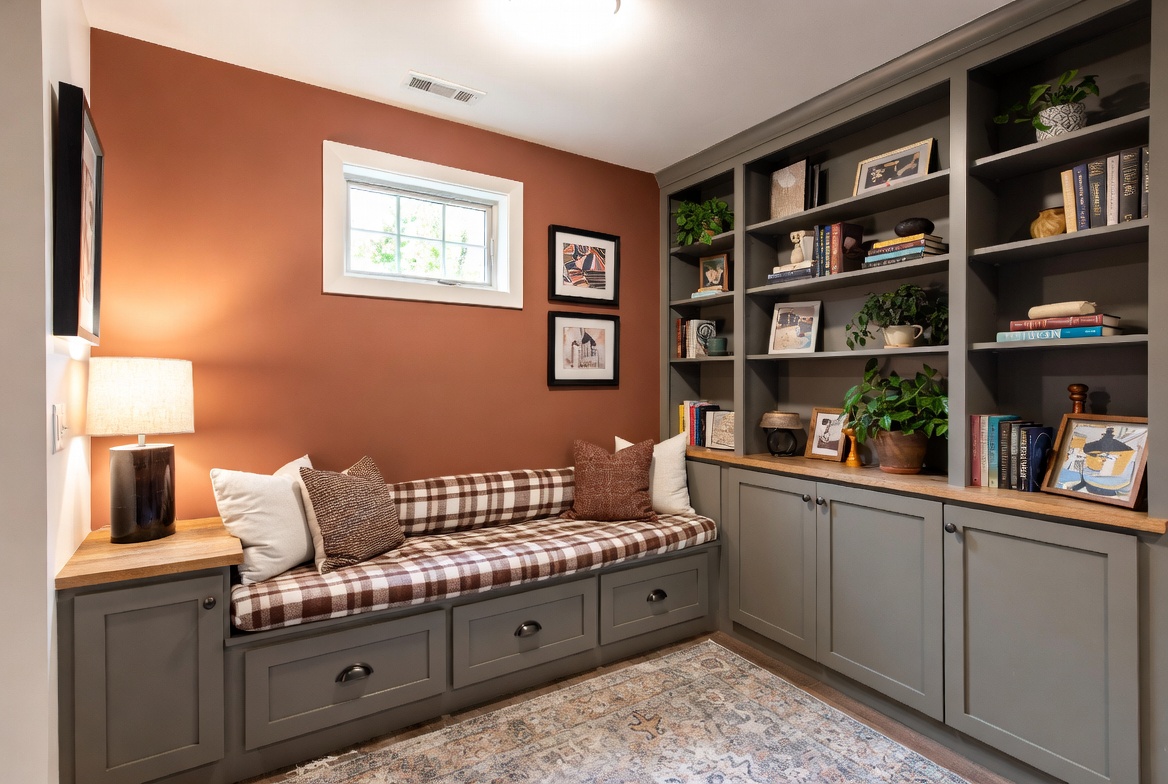
How Much Do Custom Built-Ins Cost in a Utah Basement?
Pricing for basement nooks and built-ins varies quite a bit depending on the size of the project, the materials used, and how custom the work is. Some families start small with a simple bench or shelf, while others invest in larger, multi-use built-ins that become a main feature of the basement.
Here are current realistic cost ranges for Utah projects in 2026, along with what typically drives the price.
What Influences the Cost?
Several factors affect how much you will spend on basement built-ins and nooks:
- Size and complexity — Larger projects with multiple zones or custom millwork cost more than simple benches or single-wall shelving.
- Materials — Painted cabinetry is usually more affordable than stained wood or high-end finishes. Solid wood costs more than plywood or laminate.
- Custom vs semi-custom — Fully custom built-ins designed and built on-site are more expensive than using some pre-made components.
- Lighting and electrical — Adding integrated lighting, outlets, or charging stations increases the cost.
- Existing conditions — Working around support beams, sloped ceilings, or uneven walls can add time and labor.
- Whether the basement is finished — Adding built-ins to an already finished basement is usually cleaner and less expensive than working in an unfinished space.
Cost Breakdown by Type of Built-In
| Type of Built-In or Nook | Typical Cost Range | What’s Usually Included |
|---|---|---|
| Simple Nook or Bench | $1,800 – $4,500 | Basic built-in bench with storage underneath, simple finishes, basic lighting if needed |
| Mid-Range Built-In | $5,000 – $12,000 | Custom shelving, desk or seating area, better materials, integrated lighting, some millwork |
| Full Custom Built-In | $13,000 – $28,000+ | Multi-use zones, high-end finishes, detailed millwork, integrated lighting, and storage throughout |
Starting Simple vs Investing in Custom
Many families choose to start with a smaller project to test how they will actually use the space. A simple built-in bench or set of shelves can make a big difference without a large investment. If you love how it turns out, you can always add more later.
On the other hand, if you already know you want a long-term solution with multiple functions (such as storage, seating, and display), investing in a mid-range or full custom project from the beginning often makes more sense. It avoids having to redo work or live with something that no longer fits your needs after a year or two.
A Lehi family’s experience
A family in Lehi added a simple built-in bench with storage under the stairs for around three thousand dollars. They used it as a reading spot and extra seating for guests. After about a year, they decided to add shelving above it. The small project made that awkward corner feel useful instead of wasted, and their kids actually use the space regularly now. They said starting small helped them figure out exactly what they needed before spending more.
Is It Worth Spending More on Custom Work?
It depends on your goals and how long you plan to stay in the home. For many families, a well-designed mid-range built-in delivers the best balance of cost, function, and long-term satisfaction. It looks intentional, provides good storage, and makes the basement feel more complete without the highest price tag.
If budget is tight, starting with a simple nook or bench is still a great way to improve how the space feels and functions. You can always upgrade or add more later once you see how your family uses it.
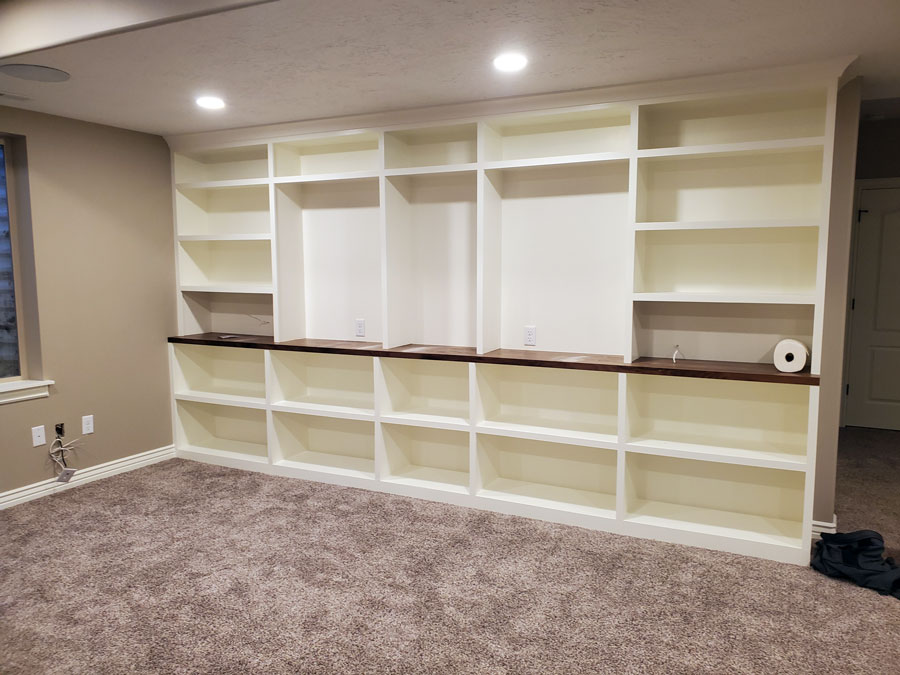
Popular Basement Nook Ideas That Actually Work
Not every basement has a perfect open space for a big sectional or large entertainment center. That is where nooks come in. These smaller, intentional spaces can turn leftover corners, under-stair areas, or awkward walls into something people actually enjoy using every day.
The best nooks are designed around how your family lives rather than trying to copy something you saw online. Here are some of the most practical and popular options for Utah basements.
Reading Nooks
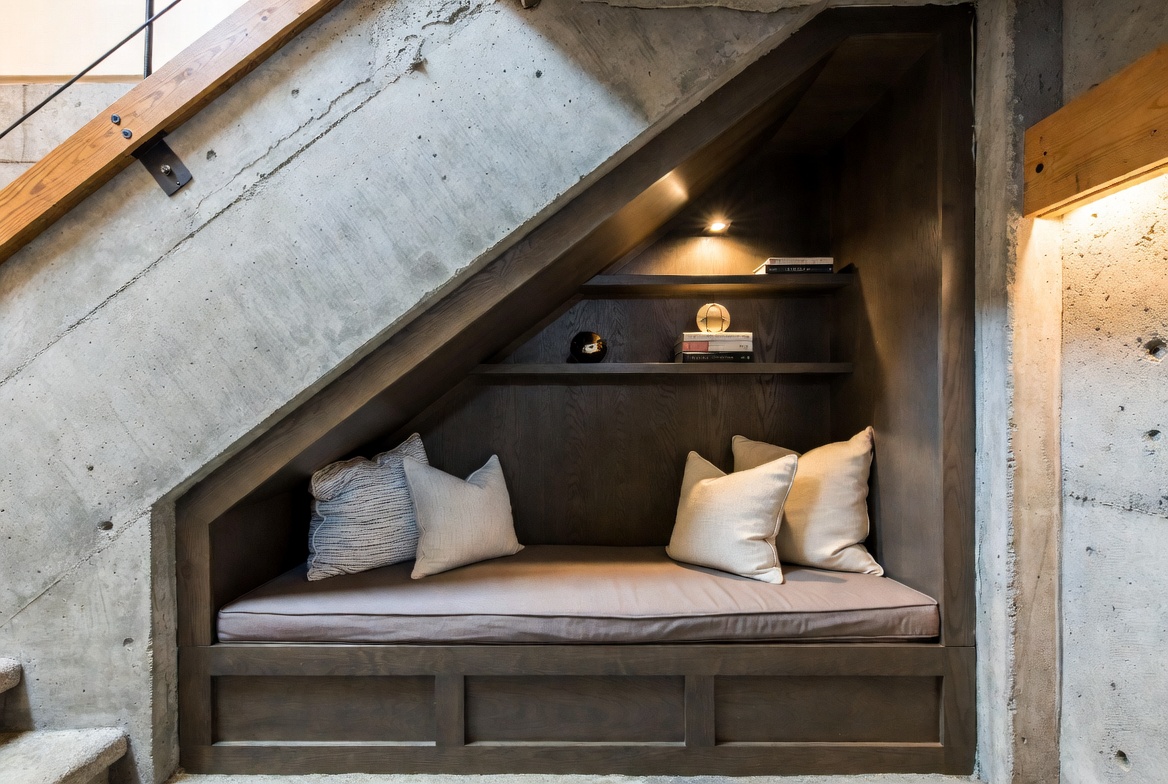
A reading nook is one of the most requested basement features. It gives both kids and adults a quiet, cozy spot to relax without taking up much space. These work especially well under stairs, in corners with a window, or along a blank wall.
- Add a built-in bench with a comfortable cushion and a few pillows.
- Include good task lighting (a wall sconce or adjustable floor lamp works well).
- Add a small shelf or cubby for books, a tablet, or a journal.
- Keep the color palette calm and inviting so the space feels like a retreat.
Reading nooks are relatively affordable to build and can become one of the most used spots in the basement, especially during long Utah winters.
Small Office or Homework Nooks
Many families want a dedicated spot for homework, online learning, or light work from home. A built-in desk nook keeps everything contained instead of spreading across the kitchen table or main living areas.
- A desk with shelving above for books and supplies works well in smaller spaces.
- Add storage below or beside the desk for backpacks, chargers, and school materials.
- Include good task lighting and at least one outlet for laptops or tablets.
- Position it away from high-traffic areas so the person working can focus.
These nooks are especially helpful for families with school-age kids. They create a consistent place for homework without turning the main floor into a constant study zone.
Multi-Use Nooks
Some of the smartest nooks serve more than one purpose. These flexible spaces are great for families who want maximum function without dedicating a large area to just one use.
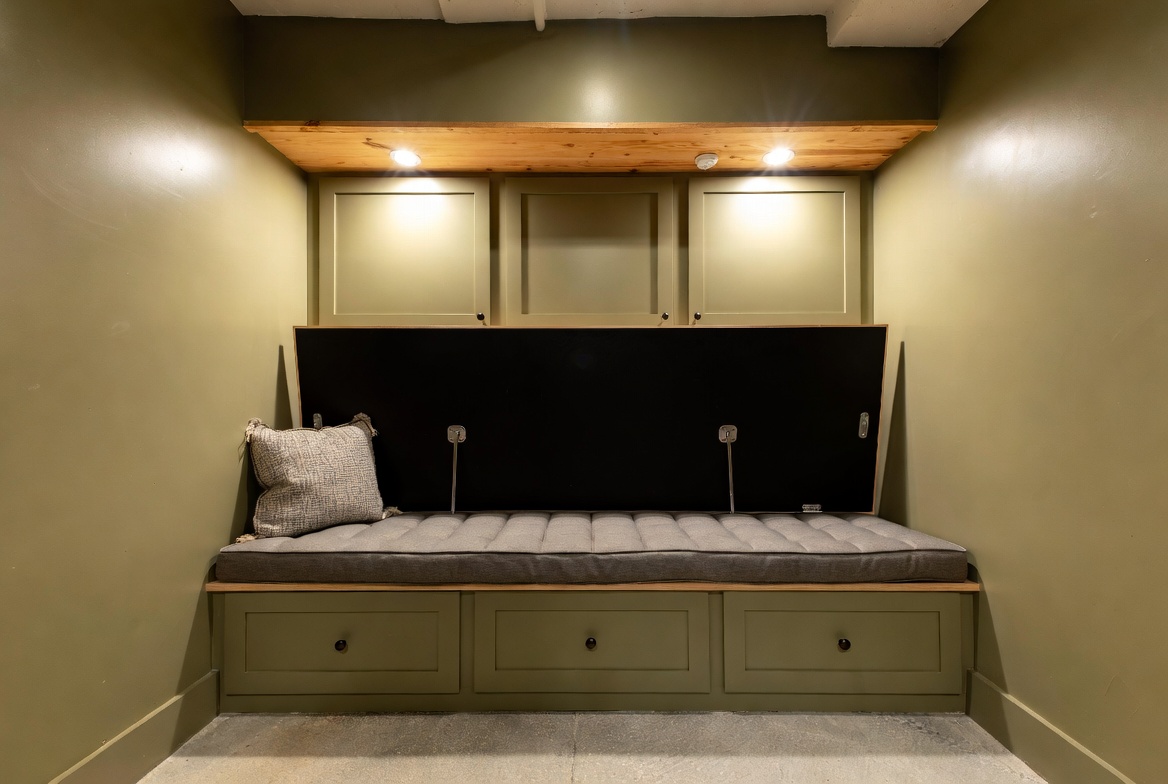
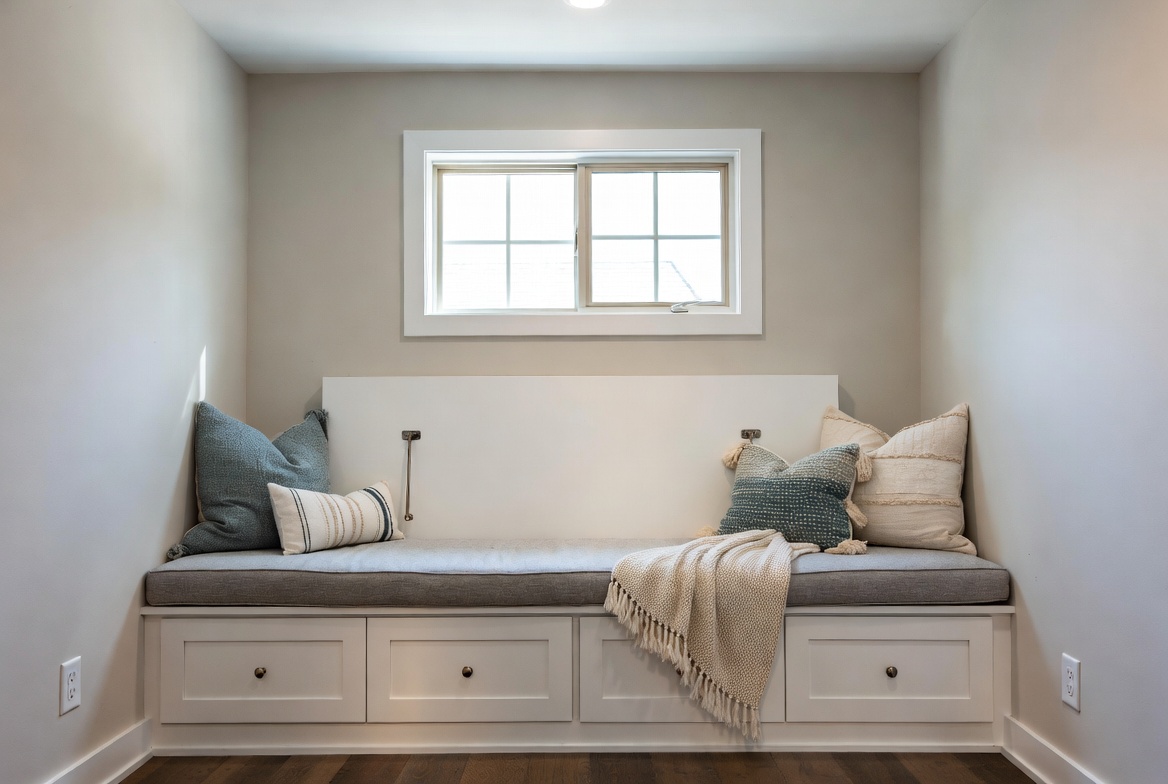
- A bench with storage underneath can be daytime seating and turn into a guest bed at night.
- A corner with shelves and a small table can work for reading, puzzles, board games, or morning coffee.
- A built-in window seat can double as extra storage and a cozy spot to relax.
- Some families create a small “quiet zone” that works for reading, meditation, or just getting away from screens.
Experience of a Park City Family
A couple in Park City turned a small awkward corner in their basement into a reading nook with a built-in bench and overhead shelving. It cost them about forty-five hundred dollars. Their kids now use it almost every evening, and the parents say it feels like the coziest spot in the whole house. They mentioned they wish they had done it years earlier instead of leaving that corner empty and unused.
Other Nook Ideas Worth Considering
Depending on your family’s interests, here are a few other popular options:
- Gaming or media nooks — A small built-in area with good lighting and storage for consoles and games.
- Craft or hobby nooks — A desk or table with shelving for supplies and good task lighting.
- Quiet relaxation nooks — A comfortable chair, soft lighting, and minimal distractions for unwinding.
- Display nooks — Built-in shelving to showcase books, photos, or collectibles without taking up floor space.
The key with any nook is to design it around how your family actually spends time. When the space matches real needs, it tends to get used far more than generic furniture ever would.
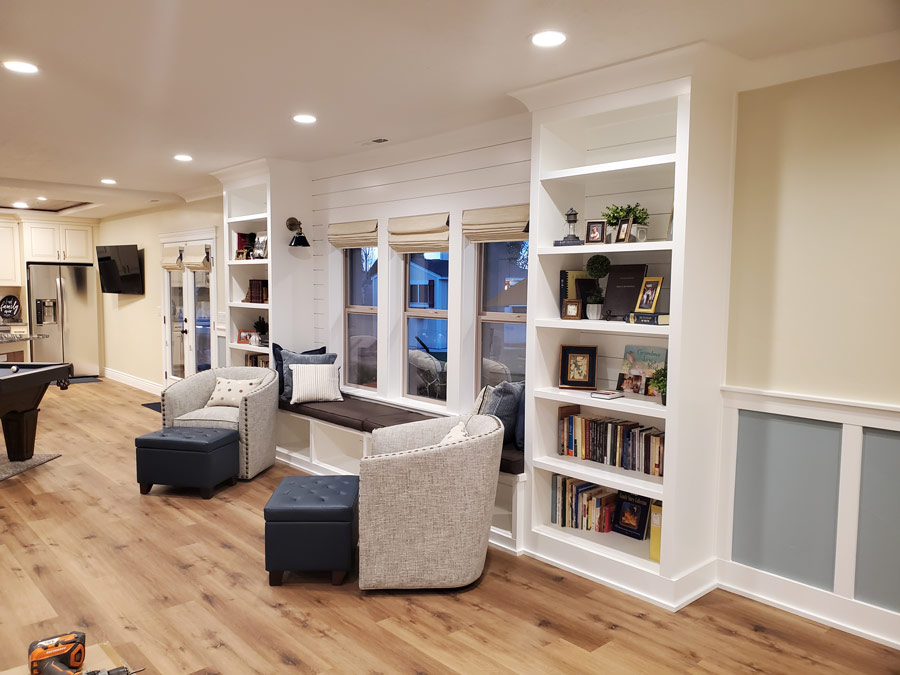
Built-In Storage Solutions That Maximize Space
Storage is one of the top reasons families add built-ins to their basement. Standard furniture often leaves gaps or fails to use the full height and awkward shapes of a basement. Custom built-in storage can turn those problem areas into organized, functional space without making the room feel cramped.
The key is choosing the right mix of open and closed storage based on what you need to keep visible versus what you want hidden.
Open Shelving vs Closed Storage
Both options have their place. Many of the best storage solutions use a combination of the two.
| Storage Type | Best For | Pros | Cons |
|---|---|---|---|
| Open Shelving | Books, decor, games, frequently used items | Easy to access, makes the space feel lighter and more open | Can look cluttered if not organized |
| Closed Cabinets | Seasonal items, tools, less attractive belongings | Hides clutter, keeps the room looking tidy | Can feel heavy if overused |
| Mix of Both | Most basements | Best balance of function and appearance | Requires thoughtful planning |
Under-Stair Storage
Under-stair storage is one of the most popular and practical solutions in basements. This area is often wasted or used for random items that get forgotten. Custom drawers, cabinets, or shelving can turn it into highly usable storage without taking up any extra floor space.
- Great for seasonal decorations, sports equipment, or rarely used items.
- Can be designed with pull-out drawers for easier access.
- Works especially well when combined with a small seating nook above or beside it.
Wall-to-Wall and Full-Wall Built-Ins
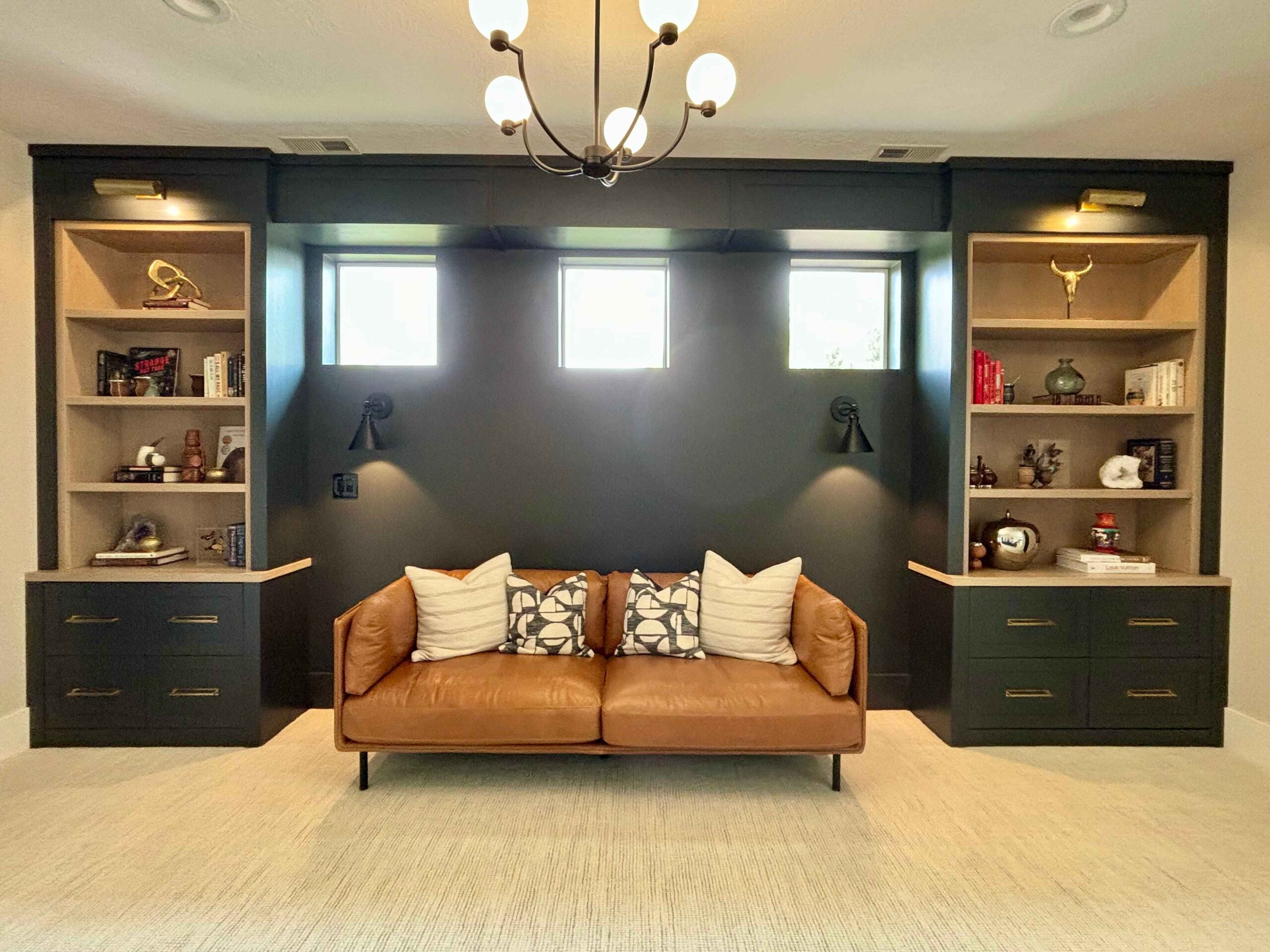
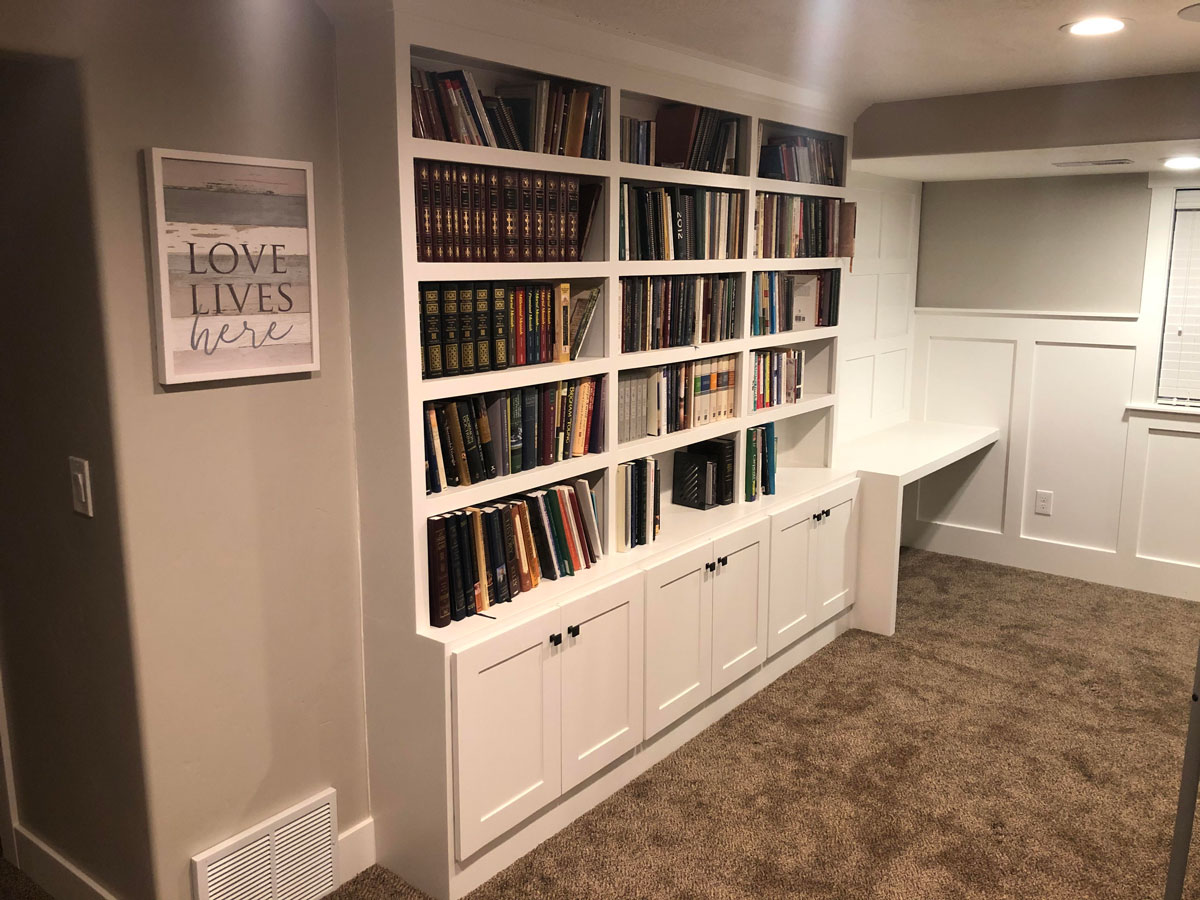
When you have a long blank wall, turning it into floor-to-ceiling built-in storage can dramatically improve how the basement looks and functions. It creates a clean, intentional look while giving you a huge amount of organized storage.
- Works well for games, books, media equipment, and seasonal items.
- Can include a mix of open shelves, closed cabinets, and even a small desk or seating area.
- Makes the room feel more finished and custom rather than like a basic finished basement.
- Helps define different zones in larger open basements.
A Cottonwood Heights Family
A family in Cottonwood Heights had a long blank wall in their basement that never felt useful. They added floor-to-ceiling built-in cabinets and shelves for around nine thousand dollars. It gave them organized space for games, seasonal decorations, and books. The room now feels much more finished, and they say they finally know where everything is for the first time since moving in. They mentioned it completely changed how they use the basement.
Smart Storage in Smaller Nooks
Even small nooks can provide surprisingly good storage when planned well. A reading nook can include hidden storage under the bench. A small office nook can have shelving above and filing space below. The goal is to use every inch without making the space feel cramped.
When storage is built in thoughtfully, it actually makes the basement feel larger and more organized rather than crowded. That is the real benefit of custom built-ins compared to freestanding furniture.
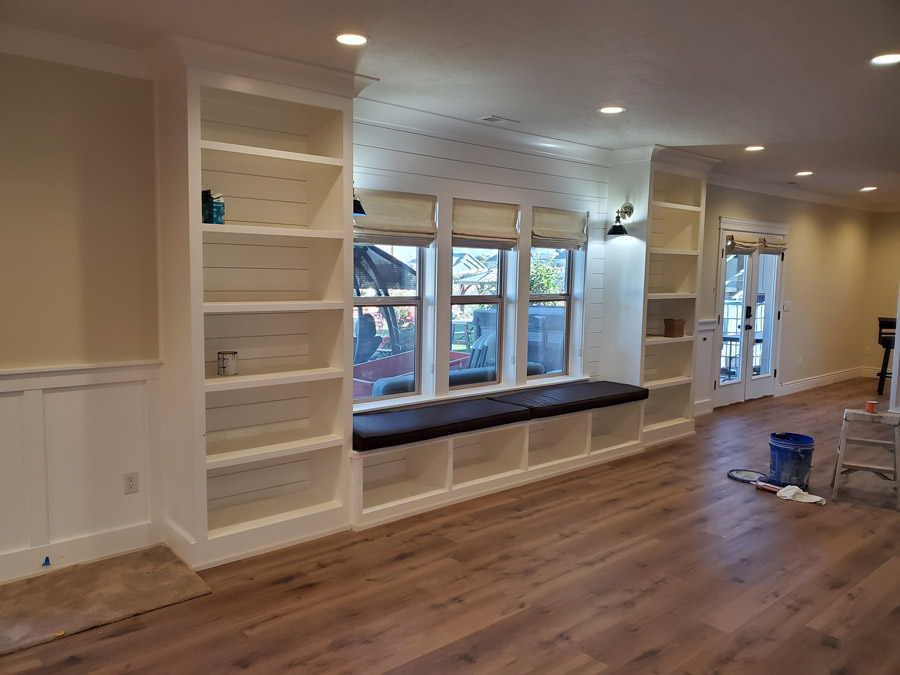
Design Tips for Making Every Square Foot Count
Adding nooks and built-ins is a great way to improve a basement, but the results depend heavily on good planning. The goal is to create spaces that feel intentional and useful rather than cramped or afterthought. A few thoughtful design choices can make a big difference in how well everything works together.
Plan Around Real Use
Before you start building, think honestly about how your family will actually use the space. It is easy to get excited about pretty pictures, but the best designs are based on real needs.
- Will this nook be used daily, weekly, or just occasionally?
- Do you need seating, storage, a work surface, or a mix of all three?
- How many people will typically use the space at the same time?
- Will kids, adults, or both be using it most often?
When you design around actual habits instead of trends, the space tends to get used more and feels more satisfying long term.
Traffic Flow and Movement
One of the most common mistakes is placing built-ins or nooks where they block natural movement through the basement. Always consider how people walk through the space.
- Leave clear pathways between seating areas and main walking routes.
- Make sure drawers, cabinet doors, and pull-out storage have enough room to open fully.
- Avoid placing seating or desks too close to doorways or stair landings.
- Measure twice — even small built-ins can feel tight if the surrounding space is not considered.
Lighting Strategies for Nooks
Lighting is especially important in smaller nooks and built-in areas. Without good light, even a well-designed space can feel dark and uninviting.
- Use task lighting (adjustable lamps or wall sconces) in reading nooks and desk areas.
- Add under-shelf or under-cabinet lighting to brighten storage and display areas.
- Consider dimmable lights so the mood can change depending on the time of day or activity.
- If the nook has a window, position seating so natural light is useful without causing glare.
Color and Visual Space
Color choices can make a noticeable difference in how spacious a basement feels, especially in smaller nooks.
- Lighter paint colors on walls and built-ins can help smaller areas feel bigger and brighter.
- Using the same or similar colors for built-ins and surrounding walls creates a more seamless look.
- Too many contrasting colors in a small space can make it feel busy or cramped.
- Consider painting the ceiling a lighter shade than the walls to add a sense of height.
Keeping Everything Consistent
One of the easiest ways to make built-ins and nooks feel like they belong is to keep the design consistent with the rest of the basement.
- Use similar materials, colors, and hardware throughout the space when possible.
- Match the style of new built-ins to existing trim, doors, or cabinetry.
- Avoid making nooks look like random additions — they should feel like part of the original design.
- Small details like matching baseboards or consistent lighting styles help tie everything together.
Quick tip: Before finalizing any design, walk through the basement and imagine daily movement. Picture people walking, sitting, opening cabinets, and using the space. This simple step helps catch issues that are much harder to fix after construction is finished.
Materials and Finishes That Hold Up Well
Choosing the right materials for basement nooks and built-ins is important because these spaces often see regular use. The finishes need to be durable, reasonably easy to maintain, and able to handle the unique conditions found in many Utah basements.
While it is tempting to focus only on appearance, it is smarter to prioritize materials that will look good and perform well over time.
Cabinetry Finishes
The finish on cabinets and built-ins affects both looks and maintenance.
- Painted cabinetry — Very popular in basements. It is easy to clean, can match the rest of the space, and gives a clean, modern look. Higher-quality paint with a satin or semi-gloss finish holds up better to regular touching and cleaning.
- Stained wood — Gives a warmer, more traditional feel. It tends to hide minor scratches and wear better than solid colors in some cases. Works well when you want the space to feel cozy.
- Two-tone finishes — Combining painted and stained elements can add visual interest without overwhelming a smaller nook.
Shelving Materials
Shelves take a lot of wear from books, games, and decor. Choosing the right material helps them stay looking good longer.
- Solid wood — Strong and attractive. It holds up well over time but can be more expensive.
- High-quality plywood — A great balance of strength, stability, and cost. Much better than particle board for shelves that will carry weight.
- Particle board or MDF — Often used in lower-cost projects, but it can sag over time and is more sensitive to moisture. Best avoided for anything that will hold heavy items.
Seating and Upholstery
If your nook includes seating, the materials you choose for cushions and fabrics matter for both comfort and longevity.
- Choose fabrics that are durable and easy to spot clean, especially if kids will be using the space.
- Performance fabrics or treated materials hold up better to spills and regular use.
- Consider removable cushion covers if you want the option to wash them later.
- For built-in benches, a mix of firm support and comfortable cushioning works best for longer sitting periods.
Moisture Considerations in Utah Basements
Utah basements can experience temperature swings and occasional moisture, especially near exterior walls or in areas with poor ventilation. This should influence your material choices.
- Use sealed or moisture-resistant finishes on wood near exterior walls or in lower areas of the basement.
- Avoid untreated particle board or MDF in areas that may see humidity.
- Consider how well the space is insulated and whether any moisture issues have been addressed before finalizing materials.
- Good ventilation and proper sealing during installation help protect your investment over time.
| Material / Finish | Durability | Maintenance | Best For |
|---|---|---|---|
| Painted Cabinetry | Good | Easy to clean | Most basement projects |
| Stained Wood | Very Good | Moderate | Cozy or traditional looks |
| Solid Wood Shelves | Excellent | Low to Moderate | High-use or visible shelving |
| High-Quality Plywood | Very Good | Low | Strong, stable shelving on a budget |
| Performance Fabrics | Very Good | Easy spot cleaning | Seating in family spaces |
Investing in better materials for the areas that get the most use usually pays off in both appearance and reduced maintenance over time. It is worth discussing moisture concerns and expected wear with your contractor before finalizing finishes.
Common Mistakes When Adding Basement Nooks and Built-Ins
Many families run into the same issues when adding nooks and built-ins to their basement. These mistakes often come from focusing too much on how something looks in photos rather than how it will actually function in daily life. Avoiding these common pitfalls can save time, money, and frustration later.
| Common Mistake | Why It Happens | Better Approach |
|---|---|---|
| Making nooks too small | Trying to fit a nook into leftover space without checking if it is actually usable | Make sure there is enough room for comfortable seating and movement |
| Underestimating storage needs | Focusing on looks instead of what actually needs to be stored | Plan storage based on real items (games, seasonal decor, books, etc.) |
| Blocking light or traffic flow | Placing built-ins based on photos rather than how people move through the space | Consider natural light and walking paths before finalizing placement |
| Choosing poor materials | Going for the cheapest option or trendy finishes without thinking about durability | Select materials that are easy to clean and can handle regular use |
| Forgetting about lighting | Assuming overhead lights will be enough in smaller nooks | Add task lighting or under-shelf lights so the space feels usable |
| Ignoring future needs | Designing only for how the space is used right now | Think about how needs might change in 3–5 years (kids growing, new hobbies, etc.) |
| Making everything look the same | Trying to match every built-in perfectly to the rest of the basement | Allow some contrast or personality so nooks feel intentional rather than generic |
How to Avoid These Mistakes
Most of these issues are much easier to fix during the planning stage than after construction has started. Here are a few ways to stay on track:
- Walk through your basement and take photos of the areas you want to improve before meeting with a contractor.
- Be honest about what you actually need to store and how the space will be used on a regular basis.
- Ask for lighting plans early — good lighting is one of the biggest factors in whether a nook actually gets used.
- Think about maintenance. If you have kids or pets, choose finishes that can handle real life.
Taking a little extra time upfront to think through these details usually results in a space that feels much more functional and enjoyable for years to come.
What to Think About Before You Start Building
Think about how your family actually uses the basement. Do you want quiet reading spots, more storage for games and seasonal items, or flexible spaces that can change over time?
Also consider future needs. Kids grow, interests change, and what works today might need to adapt in a few years. Building in some flexibility from the start can save time and money later. It is also worth checking how the new features will affect the overall flow and feel of the basement before committing to a design.
Practical tip: Walk through your basement and look for the awkward spots first. Those underused corners and odd angles are often where the best nooks and built-ins can go. Taking photos and measuring before you start helps avoid surprises later.
Final Thoughts
Basement nooks and built-ins are one of the smartest ways to make a lower level feel more finished and useful. They turn leftover space into something intentional without needing a full renovation of the entire basement.
Whether you start small with a simple bench or go bigger with custom storage and multi-use zones, the key is designing around how your family actually lives. Done well, these features can make your basement one of the most loved parts of the house.
Frequently Asked Questions
How much does a simple basement nook cost in Utah?
A basic built-in bench or small reading nook usually runs between $1,800 and $4,500 depending on size, materials, and whether storage is included. Larger or more custom nooks with lighting and better finishes can cost more.
Are built-ins worth it in a basement?
Yes for many families. Built-ins and nooks make awkward or unused spaces functional, add storage, and often make the basement feel more finished and intentional. They tend to get used more than basic furniture and can increase how much you enjoy the lower level.
Can I add built-ins to an already finished basement?
Yes. Many built-ins and nooks can be added to finished basements without major construction. The work is usually cleaner and faster than starting in an unfinished space, though access and existing conditions can affect the timeline and cost.
What is the most popular basement nook right now?
Reading nooks under stairs or in quiet corners remain very popular. Small built-in desk or homework nooks are also common, especially for families with school-age kids who want a dedicated workspace.
How long does it take to build custom basement built-ins?
Simple projects like a basic bench or small set of shelves can often be completed in one to two weeks. Larger custom built-ins with multiple zones, lighting, and detailed finishes usually take three to six weeks depending on the scope and material availability.
Should I choose open shelving or closed cabinets?
It depends on what you need to store. Open shelving works well for books, games, and items you want easy access to or on display. Closed cabinets are better for hiding clutter and seasonal items. Many people use a mix of both for the best balance.
Do built-ins help with basement moisture or temperature issues?
Built-ins themselves do not fix moisture problems, but choosing the right materials and finishes can help. It is important to address any existing moisture issues before installing built-ins, especially near exterior walls. Proper sealing and ventilation also make a difference.
How do I make sure my nook doesn’t feel too dark?
Lighting is key. Add task lighting, under-shelf lights, or wall sconces in addition to any overhead lighting. Lighter paint colors and reflective surfaces can also help smaller nooks feel brighter and more inviting.
Basement Nook Ideas • Built-In Basement Storage • Maximize Basement Space Utah

Bryant Bitner
Founder & Lead Project Manager, Pro-Worx Construction
Bryant leads Pro-Worx Construction and has helped many Utah families turn awkward basement spaces into something useful. He focuses on practical built-ins and nooks that fit real homes and real budgets.
When he is not on job sites you will often find him talking with homeowners about the small changes that make the biggest difference in how they use their lower level.