In This Article
- 01Understanding the Home Office Deduction
- 02The Two-Part Test: Regular and Exclusive Use
- 03Who Can Actually Claim It
- 04Two Methods Exist: Simplified vs. Actual Expenses
- 05Why a Dedicated, Purpose-Built Room Strengthens Your Position
- 06Common Mistakes That Raise Audit Risk
- 07Working With a Tax Professional
- 08FAQs
- 09Final Thoughts
Understanding the Home Office Deduction
If you work from home, a dedicated office space might qualify for a real tax deduction, and building one with that in mind is one of the smarter reasons to finish a spare room or basement corner properly. We are contractors, not accountants, so everything here is general education, not personalized tax advice. For your specific situation, confirm the details with a licensed tax professional or by reviewing current IRS Publication 587 directly, since tax rules and dollar figures can shift from year to year.
The Two-Part Test: Regular and Exclusive Use
The IRS has long used a two-part test for the home office deduction. The space generally needs to be used (1) regularly, meaning on an ongoing basis rather than occasionally, and (2) exclusively for business. That second word, exclusively, trips up more people than anything else in this topic. A guest bedroom that also hosts visiting family a few weekends a year generally does not meet the exclusive-use standard. A room used only for work, with a door that closes and no futon doubling as a guest bed, is in a much stronger position.
Principal Place of Business
Beyond the regular and exclusive use test, the space generally also needs to be your principal place of business, or at least a place you regularly use to meet clients or conduct administrative work if your main work happens elsewhere. This is another area where the specifics matter and where a tax professional can confirm how your particular work arrangement is treated.
Who Can Actually Claim It
Self-employed individuals, freelancers, and independent contractors have generally been able to claim the home office deduction. W-2 employees, meaning employees of a company who receive a W-2 rather than a 1099, have generally not been eligible for this specific deduction at the federal level since the 2017 Tax Cuts and Jobs Act changed the rules around unreimbursed employee expenses. If you're a 1099 contractor or run your own business out of your home, you're in the category of people this deduction is typically aimed at. State tax treatment can differ from federal treatment, which is yet another reason to check with a professional rather than assume.
Thinking about a home office project of your own?
Get a Free EstimateTwo Methods Exist: Simplified vs. Actual Expenses
The IRS has offered two different approaches to calculating this deduction for a number of years now, and the right one for you depends on your situation and how much record-keeping you're willing to do.
| Method | How It Generally Works | Best For |
|---|---|---|
| Simplified method | A flat rate per square foot of office space, up to a set maximum square footage, with minimal paperwork | People who want an easy calculation and don't want to track every utility bill |
| Actual (regular) expense method | A proportional share of actual home costs, mortgage interest or rent, utilities, insurance, repairs, and depreciation, based on the percentage of your home's square footage used as office space | People whose office occupies a meaningful share of the home and who are willing to keep detailed records for a potentially larger deduction |
The simplified method has historically used a flat dollar amount per square foot, capped at a maximum square footage for the deduction, but confirm the exact current figures with your tax professional or IRS Publication 587 rather than relying on a number from an old blog post, including this one. Rates and caps are the kind of detail that can be updated, and getting it wrong is an easy, avoidable mistake.
Why a Dedicated, Purpose-Built Room Strengthens Your Position
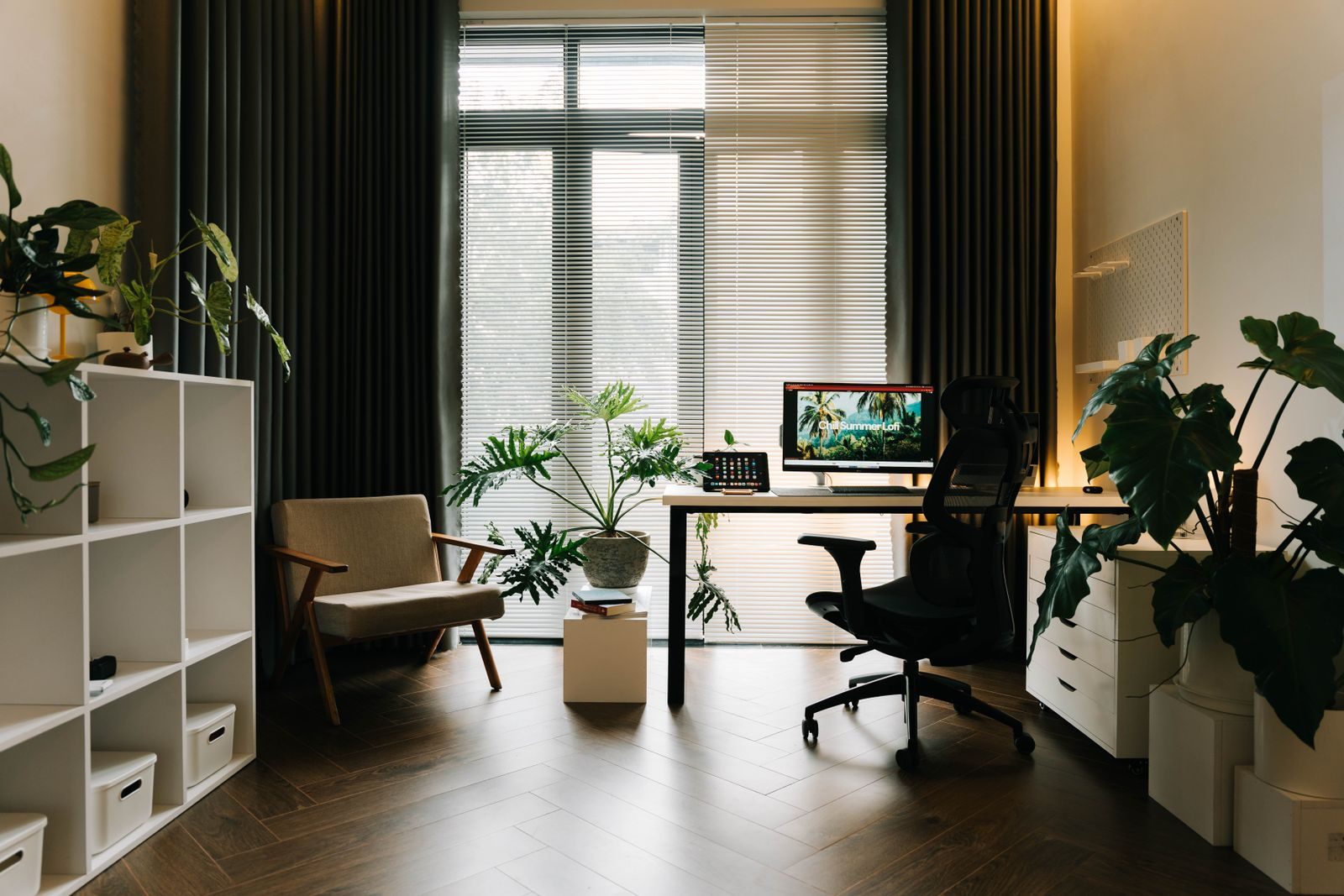
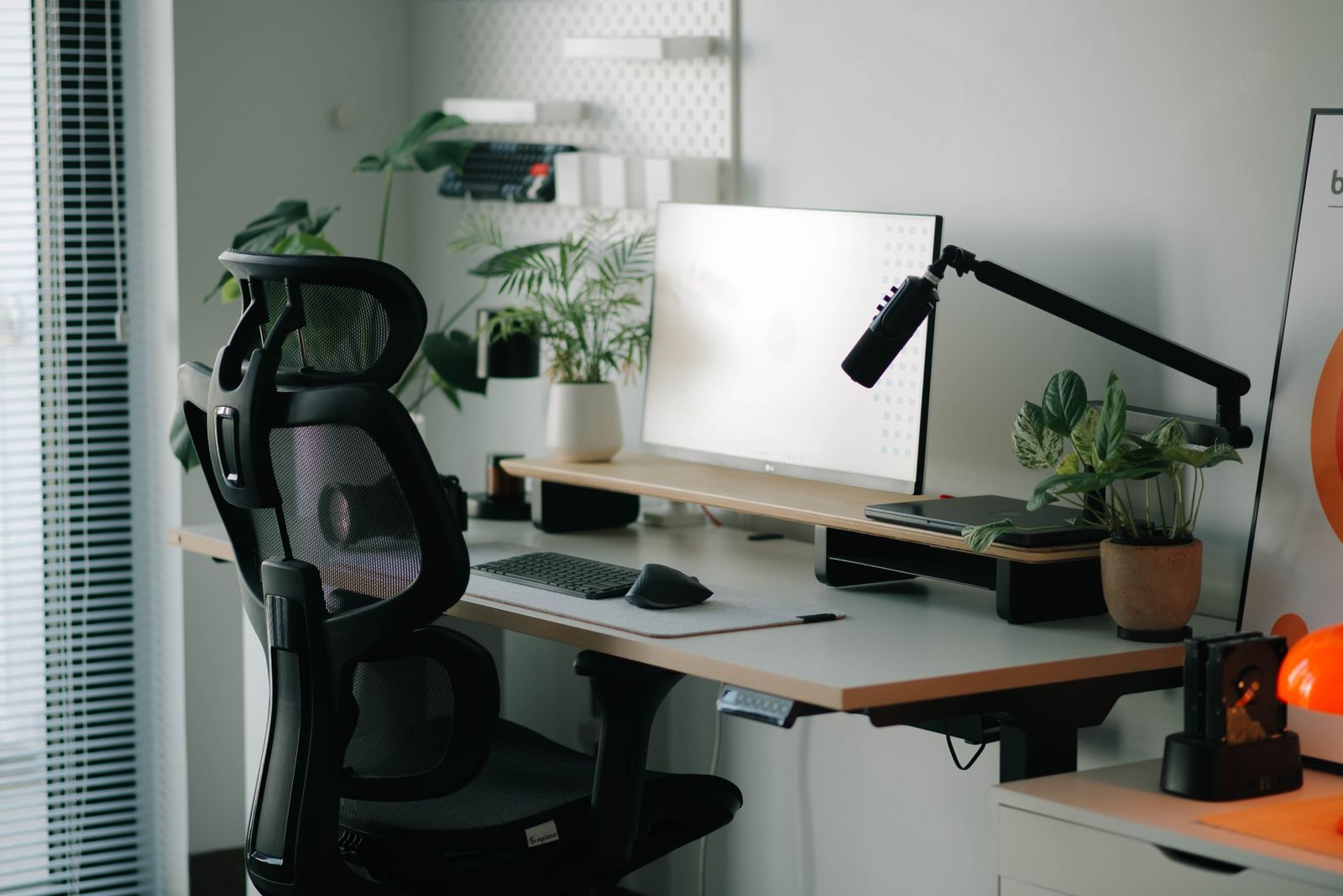
Having a room with a door, a built-in desk, dedicated electrical circuits, and Ethernet wiring, the kind of space that obviously functions as an office and nothing else, supports the exclusive-use standard far better than a corner of the living room with a laptop balanced on a side table. If your return is ever reviewed, a space that clearly looks and functions like a dedicated office is a much easier case to make than a multipurpose room you're trying to retroactively justify as office space.
Common Mistakes That Raise Audit Risk
A few patterns show up again and again with home office claims that run into trouble. Claiming a room that also serves another regular purpose (a guest room, a kids' playroom after hours, a storage overflow area) undermines the exclusive-use requirement. Claiming square footage that doesn't match the actual, measurable dimensions of the room is another common issue. And failing to keep basic supporting documentation, photos of the space, a simple floor plan, utility bills if you're using the actual expense method, leaves you without backup if your return is ever questioned.
- A few dated photos of the office space as it's actually set up
- A simple floor plan showing the office's square footage relative to the whole home
- Utility bills and mortgage or rent statements, if using the actual expense method
- Receipts for any office-specific improvements, built-ins, electrical work, flooring
- Confirmation from a tax professional on which method fits your situation
Thinking about a home office project of your own?
Get a Free EstimateWorking With a Tax Professional
We'll say this plainly: this article is meant to help you understand the general shape of the home office deduction so you can have an informed conversation with someone qualified, not to serve as tax advice you act on directly. Rules around thresholds, caps, and eligibility can and do change from year to year, and a licensed CPA or tax preparer who knows your full financial picture is the right person to confirm what applies to you. What we can speak to directly is the construction side, building a space that functions as a real, dedicated office in the first place.
FAQs
Can I claim a home office if I'm a W-2 employee who works from home?
Generally, no, at least not at the federal level since the 2017 tax law changes affecting unreimbursed employee business expenses. This is exactly the kind of detail that depends on your specific situation and current law, so confirm with a tax professional rather than assuming either way.
Does the room need a door to qualify?
A door isn't a strict legal requirement, but a clearly defined, separate space is much easier to support as meeting the exclusive-use test than an open corner of a shared room. From a practical standpoint, it also just makes for a better, quieter place to actually work.
What if my home office is in my basement?
A basement office can absolutely qualify, as long as it meets the same regular and exclusive use standard as an office anywhere else in the home. If you're finishing a basement specifically for this purpose, building it as a clearly dedicated room rather than an open corner of a larger rec room strengthens your position.
Should I use the simplified method or the actual expense method?
It depends on your office's size relative to your home and how much paperwork you're willing to manage. A tax professional can run both calculations against your actual numbers and tell you which one results in a larger, more defensible deduction for your specific situation.
Final Thoughts
The tax angle is a nice bonus, but it shouldn't be the only reason you build a dedicated home office. What we can tell you with confidence is that a purpose-built room, one with a real door, proper electrical, and wiring designed for how you actually work, gives you the physical foundation to support a legitimate deduction and makes every workday better in the meantime. Talk to Pro-Worx about building that space, and talk to your tax professional about what it means for your return.
Ready to Start Your Home Office Project?
Get a free consultation and estimate from Utah's trusted home renovation experts.

Bryant Bitner
Founder & Lead Project Manager, Pro-Worx Construction
Bryant leads Pro-Worx Construction and has helped hundreds of Utah families plan and build renovations they actually use, from basement finishes to full home remodels. He focuses on honest scoping, code compliance, and clear numbers from the first conversation.