
If you’re a Utah homeowner staring at an unfinished basement and dreaming of the ultimate escape, you’re not alone. With our long Wasatch Front winters, brutal inversions, and busy family schedules, a dedicated basement man cave has become the #1 requested basement upgrade in 2026. Whether it’s a sports lounge for Jazz and Real Salt Lake games, a high-tech gaming setup, or a full bar for game-day parties, the right man cave turns “dead space” into your personal sanctuary.
But here’s the question every guy in Salt Lake, Utah County, or Draper asks: “How much is this actually going to cost in 2026… and what’s actually worth the splurge?”
While a standard basement finish in Utah now averages $40–$55 per square foot, a true “man cave” with specialized electrical, soundproofing, and custom millwork typically lands between $35K–$45K for a smart, mid-range setup. If you’re chasing 4K laser projectors and premium wet bars, those “Hall of Fame” builds can easily balloon to $90K+.
The difference between a budget-friendly retreat and a financial disaster comes down to knowing exactly which features deliver the biggest “wow” factor versus which ones are pure budget killers. In our 2026 guide, we break down the best basement man cave ideas tailored specifically for Utah homes, from navigating the Wasatch Front’s unique geological challenges to identifying the exact splurges that pay off in daily enjoyment and long-term resale value.
Why Utah Basements Make the Perfect Man Cave in 2026
Utah’s geology and climate are actually a massive tactical advantage for a man cave. Our constant 55–60°F ground temperature means your basement stays naturally cool during 100°+ July heatwaves and is significantly easier (and cheaper) to heat during a brutal Wasatch Front winter. Unlike an attic or garage conversion, you aren’t fighting the elements — you’re using the earth as natural insulation.
While expansive clay soil and high water tables in Salt Lake and Utah Counties make professional waterproofing non-negotiable, once you’ve sealed the envelope, you have a literal fortress. The dense concrete walls provide a level of natural sound isolation that you simply can’t get on the main floor. It’s the perfect environment to crank a 7.1 surround sound system or stay up late gaming without waking the kids or the neighbors.
The 2026 “House Hacker” Bonus: I-ADU Laws
Utah’s updated Internal Accessory Dwelling Unit (I-ADU) laws have changed the game. Many guys in 2026 are designing “hybrid” man caves—spaces with the plumbing and egress required for a legal rental. If life changes, your sports lounge can be converted into a high-demand apartment in Lehi or Draper, potentially generating $1,800–$2,200 per month in rental income.
Reddit consensus in early 2026: The guys who love their caves the most didn’t just “finish” the space, they treated it like a specialized project. The most successful builds focus on one clear theme rather than trying to cram a gym, a theater, and a workshop into one 700 sq. ft. room.
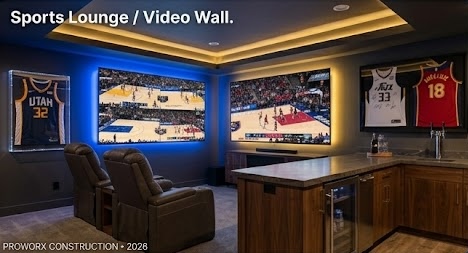
Step 1: Choose Your Man Cave Theme (The Foundation)
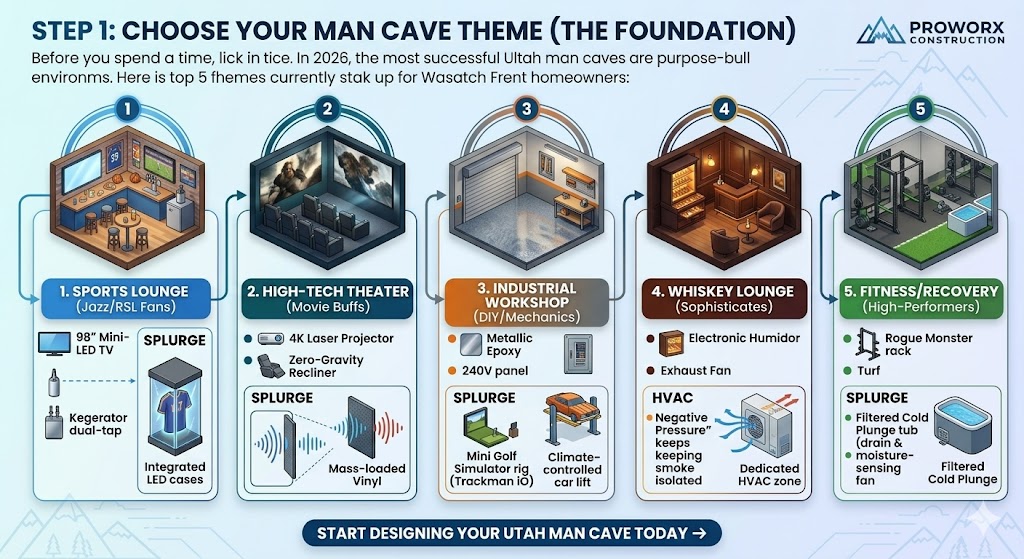
Before you spend a dime, lock in the vibe. In 2026, the most successful Utah man caves are purpose-built environments. Here is how the top 5 themes currently stack up for Wasatch Front homeowners:
| Man Cave Theme | The 2026 “Must-Haves” | The “Baller” Splurge |
|---|---|---|
| 1. Sports Lounge Best for Jazz / RSL Fans |
98″ Mini-LED TV, multi-game “Video Wall” setup, and dual-tap kegerator. | Custom floor-to-ceiling jersey display cases with integrated LED bias lighting. |
| 2. High-Tech Theater Best for Movie Buffs |
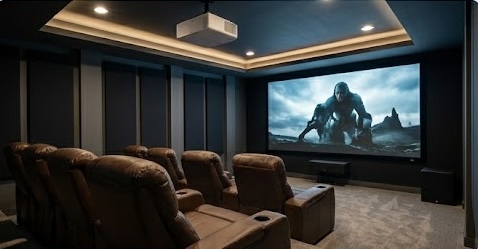
4K Laser Projector, 120″ ALR screen, and “Zero-Gravity” power recliners. | Mass-loaded vinyl (MLV) soundproofing + Resilient Channels in walls/ceiling. |
| 3. Industrial Workshop Best for DIY / Mechanics |
Metallic flake epoxy flooring, blacked-out ceilings, and 240V sub-panel. | Full-scale Golf Simulator (Trackman iO) or climate-controlled car lift. |
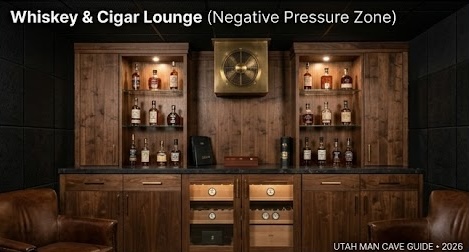
| 4. Whiskey Lounge Best for Sophisticates |
Electronic humidor, high-volume exhaust fan, and walnut cabinetry. | Dedicated HVAC “Negative Pressure” zone to keep smoke out of the main house. |
| 5. Fitness/Recovery Best for High-Performers |
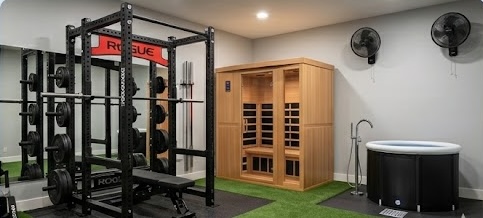
Rogue Monster rack, impact-resistant turf, and infrared sauna. | Filtered Cold Plunge tub with dedicated floor drain and moisture-sensing fan. |
Blunt Truth: Pick ONE primary theme. The Reddit horror stories all start with “I tried to make it a theater, gym, AND bar”—and the budget doubled while the space felt like a chaotic storage unit.
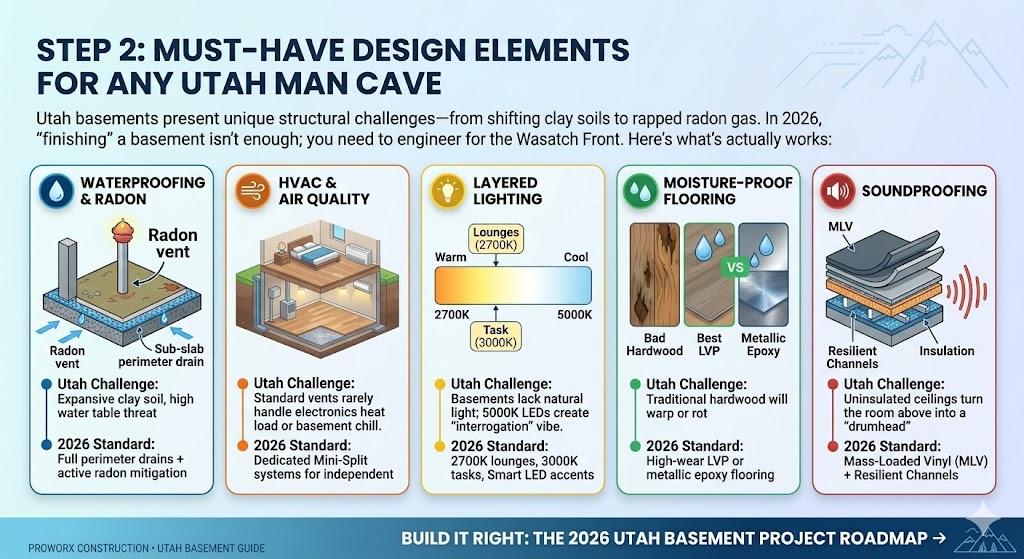
Step 2: Must-Have Design Elements for Any Utah Man Cave
Utah basements present unique structural challenges—from shifting clay soils to trapped radon gas. In 2026, “finishing” a basement isn’t enough; you need to engineer it for the Wasatch Front. Here’s what actually works:
| Design Element | The Utah Challenge | The 2026 Standard |
|---|---|---|
| Waterproofing & Radon | Expansive clay soil and high water tables make moisture a constant threat. | Full perimeter drains + active radon mitigation systems installed during framing. |
| HVAC & Air Quality | Standard vents rarely handle the heat load of electronics or the “basement chill.” | Dedicated Mini-Split systems for independent climate control without freezing the upstairs. |
| Layered Lighting | Basements lack natural light; 5000K LEDs create a harsh “interrogation” vibe. | 2700K for lounges, 3000K for tasks, and Smart LED strip accents for the “wow” factor. |
| Moisture-Proof Flooring | Traditional hardwood will warp or rot in Utah’s unique subterranean environment. | High-wear LVP (Luxury Vinyl Plank) or metallic epoxy flooring. |
| Soundproofing | Uninsulated ceilings turn the room above into a “drumhead” for every footstep. | Mass-Loaded Vinyl (MLV) and resilient channels to decouple the ceiling from the floor above. |
Pro Tip: Don’t skimp on the “unsexy” stuff. It’s significantly cheaper to install active radon suction and sound decoupling during the framing stage than it is to tear out drywall for a retrofit in 2027.
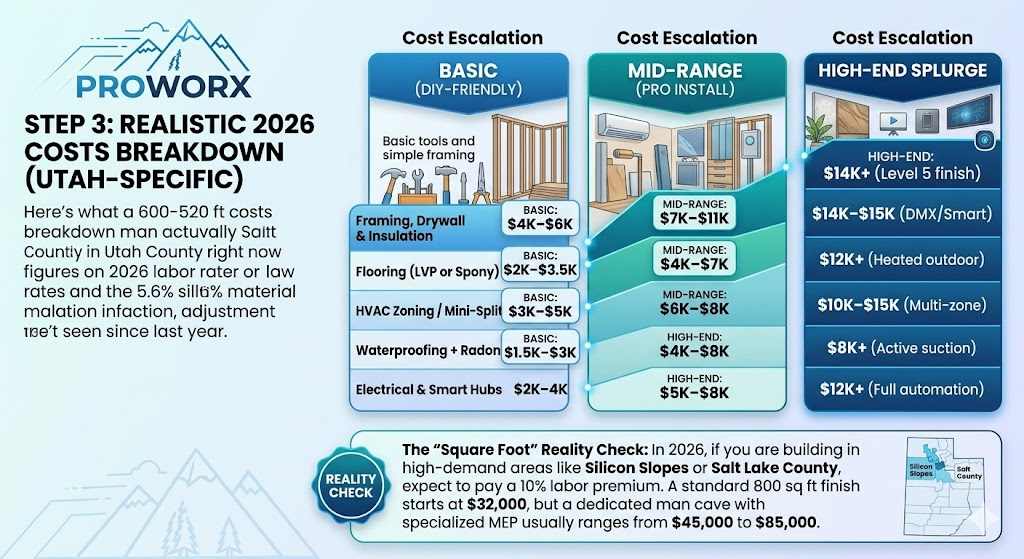
Step 3: Realistic 2026 Costs Breakdown (Utah-Specific)
Here’s what a 600–800 sq ft basement man cave actually costs in Salt Lake or Utah County right now. These figures are based on 2026 labor rates and the 5.6% material inflation adjustment we’ve seen since last year.
| Feature | Basic (DIY-Friendly) | Mid-Range (Pro Install) | High-End Splurge |
|---|---|---|---|
| Framing, Drywall & Insulation | $4K–$6K | $7K–$11K | $14K+ (Level 5 finish) |
| Soundproofing & Lighting | $2K–$3.5K | $4K–$7K | $10K–$15K (DMX/Smart) |
| Flooring (LVP or Epoxy) | $3K–$5K | $6K–$9K | $12K+ (Heated subfloor) |
| HVAC Zoning / Mini-Split | $3K–$5K | $6K–$9K | $10K–$16K (Multi-zone) |
| Waterproofing + Radon | $1.5K–$3K | $4K–$6K | $8K+ (Active suction) |
| Electrical & Smart Hubs | $2K–$4K | $5K–$8K | $12K+ (Full automation) |
The “Square Foot” Reality Check: In 2026, if you are building in high-demand areas like Silicon Slopes or Salt Lake County, expect to pay a 10% labor premium. A standard 800 sq ft finish starts at $32,000, but a dedicated man cave with specialized MEP (Mechanical, Electrical, Plumbing) usually ranges from $45,000 to $85,000.
Ready to compare actual man cave projects side-by-side?
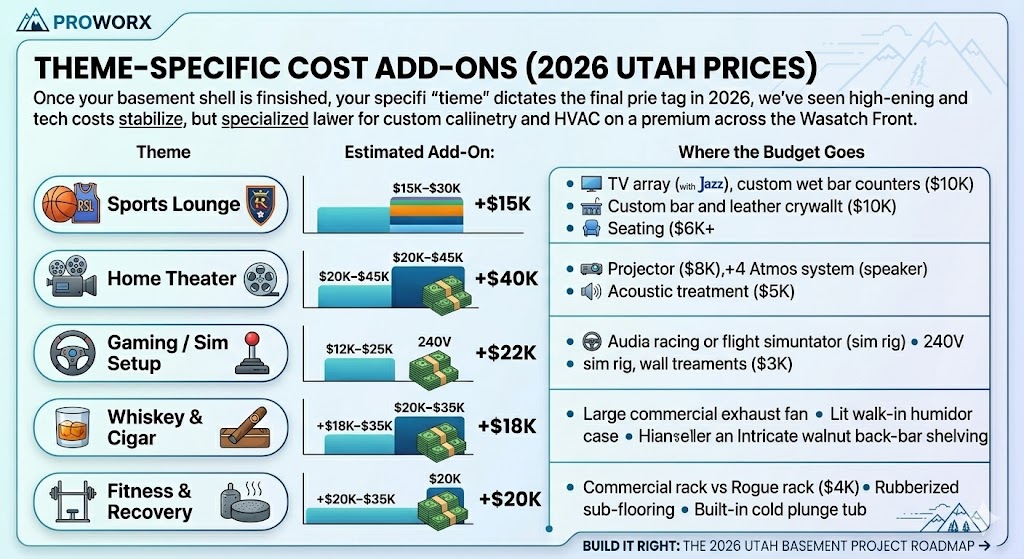
Theme-Specific Cost Add-Ons (2026 Utah Prices)
Once your basement shell is finished, your specific “theme” dictates the final price tag. In 2026, we’ve seen high-end tech costs stabilize, but specialized labor for custom cabinetry and HVAC remains at a premium across the Wasatch Front.
| Theme | Estimated Add-On | Where the Budget Goes |
|---|---|---|
| Sports Lounge | +$15K–$30K | Triple 85″ TV array ($5K), custom wet bar with quartz counters ($10K), and tiered leather seating ($6K). |
| Home Theater | +$20K–$45K | 4K Laser projector ($8K), 9.2.4 Atmos sound system ($10K), and pro-grade acoustic wall treatments ($5K). |
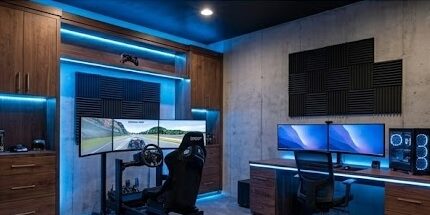
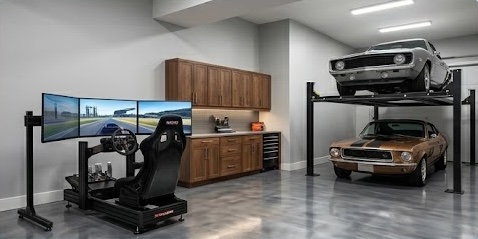
| Gaming / Sim Setup | +$12K–$25K | Full-motion racing or flight simulator rig ($10K), high-wattage electrical runs ($3K), and custom RGB cabinetry. |
| Whiskey & Cigar | +$18K–$35K | Commercial-grade smoke scrubber/ventilation ($7K), custom humidor ($4K), and solid walnut back-bar ($12K). |
| Fitness & Recovery | +$20K–$35K | Commercial Rogue rack ($6K), rubberized sub-flooring ($4K), 4-person infrared sauna ($8K), and cold plunge station ($6K). |
The 2026 Verdict: While you can DIY the decor, the “bones” of these themes—like the plumbing for a bar or the ventilation for a cigar lounge—require professional execution. A fully loaded 700 sq. ft. Utah man cave typically ranges from $45K (Standard Lounge) to $95K+ (Elite Wellness or Theater build).
What’s Actually Worth the Splurge in 2026?
Not everything expensive is worth it. Here’s the no-BS breakdown from Wasatch Front homeowners who have already survived their 2026 builds:
- Worth Every Penny:
Professional Soundproofing & Dedicated HVAC. You’ll use these every single day. Being able to watch a movie at theater volumes at midnight while the kids sleep upstairs—or keeping the room at a crisp 68°F during a heatwave—is the difference between a “room” and a “sanctuary.” - The “Sweet Spot” Splurge:
Custom Bar Seating & Ergonomics. High-end leather recliners or custom-built bar stools. If the seating isn’t comfortable for a 4-hour Jazz game, you won’t use the room. - Skip or Save On:
8K TVs & “Smart” Everything. In 2026, 8K content is still rare—a high-end 4K Mini-LED at 98″ is much better value. Also, avoid proprietary “smart” home systems that lock you into one brand; stick to Matter-compatible gear that plays well with everything. - The ROI King:
The Wet Bar + Dishwasher. Utah appraisers and future buyers are obsessed with the “entertainment-ready” factor. Adding a dishwasher and a permanent ice maker significantly boosts your home’s resale appeal in Salt Lake and Utah Counties.
Pro Tip: Build in a 20% contingency buffer. One r/Utah user in Riverton recently shared a “horror story” where their $40K theater cave hit a $12K spike after demo revealed outdated 1960s wiring and a hidden foundation crack. In Utah’s 2026 market, labor and material surprises are the #1 budget killer.
Step 4: Build It Right – The 2026 Project Roadmap
In 2026, the average timeline for a high-end Utah man cave is 8–14 weeks. While some “express” contractors promise a 6-week turnaround, the reality of Salt Lake and Utah County inspection queues usually adds a buffer. Here is how your project will actually progress:
| Project Phase | Timeline | What Happens & 2026 Code Notes |
|---|---|---|
| 1. Design & Permits | 2 – 4 Weeks | Layout engineering and city approvals. Note: Highland and Draper now require 2024 IBC/2023 NEC compliance for all basement electrical loads. |
| 2. Framing & Rough-Ins | 3 Weeks | Walls go up. Critical “behind-the-drywall” plumbing, HVAC, and 240V lines for simulators or saunas are run. |
| 3. Inspections & Drywall | 2 – 3 Weeks | Mandatory city sign-offs followed by hanging and taping. Pro Tip: In Utah’s dry air, we allow extra cure time for mud to prevent hairline cracks. |
| 4. Finishes & Tech | 2 – 4 Weeks | LVP/Epoxy flooring, custom bar cabinetry, and final calibration of your 4K projectors or audio systems. |
Contractor Checklist: Only hire teams with verifiable Utah projects from the last 12 months. Ask specifically how they handle radon mitigation and I-ADU egress requirements—if they stumble on those answers, they aren’t the right crew for a 2026 build.
2026 Utah Man Cave Trends to Watch
The “cave” has evolved. In 2026, we’re seeing four major shifts in how Utahns use their basements:
- The “Flex” ADU: Designing the man cave with an egress window and wet-bar plumbing that meets Internal Accessory Dwelling Unit (I-ADU) codes. It’s a lounge today, but adds $2K/mo rental potential tomorrow.
- Garage-Cave EV Charging: For garage-level man caves, installing a Level 2 48A charger ($1,200–$3,000 installed) is now standard for future-proofing property value.
- Bio-Hacking Zones: Moving away from heavy weights toward “Recovery.” Infrared saunas and dedicated floor-drained cold plunge stations are the #1 “High-End” request this year.
- Unified Matter Ecosystems: Moving away from 5 different apps. 2026 builds favor Matter-compatible smart lighting and climate control that works natively with whatever phone you carry.
Final Thoughts: Your Dream Cave Is Closer Than You Think
A basement man cave isn’t just another room, it’s the space where you actually relax, recharge, and connect with friends in a state where outdoor time is limited half the year. Done right, it becomes the highest-used square footage in your entire home.
The guys who end up happiest in 2026 are the ones who pick one clear theme, invest in the structural “unsexy” stuff like radon mitigation and HVAC first, and splurge only on the features they’ll use every single week.
Frequently Asked Questions – Utah Basement Man Caves 2026
How much does a man cave add to my home’s resale value in 2026?
In the current Utah market, a professionally finished basement typically returns 70%–80% of its cost at resale. However, “lifestyle” features like a high-end wet bar or a home gym are currently among Utah’s strongest ROI multipliers. If you design the space with flexibility in mind—ensuring it can pivot from a man cave to a guest suite or home office—you can push that return closer to 90% because it appeals to the widest range of Wasatch Front buyers.
Do I really need permits for a basement project in Salt Lake or Utah County?
Yes. In 2026, any project that involves adding habitable space, altering interior walls, or modifying electrical, plumbing, and HVAC systems requires a building permit. Unpermitted work is a major red flag during Utah home inspections and can significantly tank your resale value. ProWorx handles the entire submittal process with the city to ensure your “fortress” is 100% legal and code-compliant.
What is the difference between a “Guest Suite” and a “Legal Apartment” (I-ADU)?
This is a critical distinction for your budget. A Guest Suite is an extension of your home (think wet bar, microwave, no stove). An Internal Accessory Dwelling Unit (I-ADU) is a legal rental apartment. Thanks to Utah HB 82, these are now permitted in most residential zones, but they require strict fire-rated separation (Type X drywall) and a dedicated 220V stove outlet. If you want your man cave to eventually generate $1,800+ in monthly rent, we need to build to I-ADU standards from day one.
Is radon mitigation mandatory for Utah basements?
While not always “mandatory” by every city code, it is highly recommended. Roughly 1 in 3 Utah homes test above the EPA action level for radon. In 2026, it is standard practice to install an active sub-slab depressurization system during the finishing process. It typically costs between $1,800 and $2,500 and ensures your basement air is safe to breathe, which is a massive selling point for future buyers.
Can I handle the “finishing” work myself to save on the $40–$55/sq ft cost?
You can certainly save money by handling the “aesthetic” finishes like painting, trim, or installing the home theater gear. However, we strongly advise against DIYing the “bones”—electrical, plumbing, HVAC, and waterproofing. Most Utah homeowners find that hiring pros for the structural systems while DIYing the “fun stuff” strikes the best balance between budget and quality.
What is the single biggest mistake Utah homeowners make?
Underestimating the “Stack Effect.” In the winter, warm air rises and escapes through the upper levels of Utah homes, which pulls cold, musty air (and potentially radon) up through the basement floor. If you skip professional sealing, insulation, and dedicated HVAC zoning, your man cave will feel like a cold, drafty dungeon rather than a high-end retreat.
Ready to design the ultimate Utah basement man cave?
ProWorx Construction • Salt Lake County • Utah County • Davis County • Summit County