
Overview
This guide shows you how to design a basement homework and study room for kids in Utah. You’ll find realistic cost ranges, practical layout ideas, lighting and storage recommendations, ways to reduce distractions, and honest stories from local families who have already built these spaces. Whether you have one child or several, this article focuses on creating a functional area that actually helps kids focus and stay organized.
Table of Contents
- Why a Basement Study Room Works Well for Utah Families
- How Much Does It Cost to Create a Basement Study Room?
- Key Elements of a Good Kids Study Space
- Layout and Zoning Ideas for Multiple Kids
- Lighting, Desks, and Storage Solutions
- How to Reduce Distractions in a Basement Study Room
- Materials and Finishes That Work Well
- Common Mistakes When Creating a Kids Study Room
- What to Think About Before You Start
- Frequently Asked Questions
Homework time in many Utah homes can feel chaotic, especially when multiple kids are trying to work at the kitchen table or in their bedrooms. A dedicated basement study room gives children a consistent place to focus without competing with the rest of the household. It also helps keep school supplies and papers from taking over the main living areas.
The goal isn’t to create a fancy or Instagram-worthy room. It’s to build something practical that supports focus, organization, and good study habits. This guide covers what actually works in Utah homes for kids.

Why a Basement Study Room Works Well for Utah Families
Many Utah families are choosing to turn part of their basement into a dedicated homework and study space. While the kitchen table has long been the default homework spot, it often creates more stress than focus, especially in households with multiple children. A basement study room offers a more structured environment that supports concentration and better study habits.
Physical Separation Reduces Distractions
One of the biggest advantages of a basement study room is the natural separation it provides from the rest of the house. When kids work upstairs, they’re often surrounded by noise from siblings, the television, conversations, or general household activity. This constant background stimulation makes it harder to stay focused for long periods.
Moving homework downstairs creates a physical boundary. For many children, simply walking down to a specific area helps signal that it’s time to concentrate. The change in environment can make it easier to shift into “work mode” compared to sitting at the same kitchen table where they also eat meals and hang out.
Better for Families with Multiple Kids
Utah families often have several children close in age, which can make shared homework time stressful. When everyone is working at the same table, it’s common for kids to distract each other, compete for space, or argue over supplies. A basement study room allows each child to have their own zone while still keeping them in the same general area.
This setup reduces friction between siblings and gives parents the ability to check in on everyone without hovering directly over their shoulders. It also prevents the main living areas from becoming overwhelmed with backpacks, papers, and school projects every evening.
Creates Routine and a Sense of Ownership
Having a consistent place to do homework helps children develop better routines. When the study area is always in the same spot with their materials ready, kids spend less time getting organized and more time actually working. Over time, this consistency can improve focus and reduce resistance to starting homework.
A dedicated space also gives kids a sense of ownership. When children have their own desk or workstation, even a small one, they often take more responsibility for keeping it organized and taking care of their school supplies.
| Aspect | Kitchen Table | Dedicated Basement Study Room |
|---|---|---|
| Distractions | High (TV, siblings, household noise) | Lower (more separation from main living areas) |
| Organization | Often messy and temporary | More consistent and organized |
| Focus | Easily broken | Generally easier to maintain |
| Parental Check-ins | Constant but distracting | Easy to check without hovering |
| Sense of Routine | Low | Higher (consistent workspace) |
Supports Better Study Habits Long-Term
Creating a specific place for homework helps children associate that space with learning and focus. Over time, this can make it easier for them to sit down and start working without as much resistance. While a basement study room isn’t a magic solution, it removes many of the common barriers that make homework time difficult in busy households.
For Utah families dealing with long winters and packed schedules, having a reliable, low-distraction space downstairs can make evenings feel more manageable for both kids and parents.
How Much Does It Cost to Create a Basement Study Room?
The cost of creating a basement study room can vary quite a bit depending on the current condition of your basement and how custom you want the space to be. Some families keep it very simple by using existing furniture and focusing on lighting and organization, while others invest in built-in desks and higher-end finishes.
Here are realistic cost ranges for Utah projects in 2026, along with what typically drives the price up or down.
What Influences the Cost?
Several factors affect how much you’ll spend on a basement study room:
- Whether the basement is already finished — If your basement is unfinished, you’ll need to budget for drywall, flooring, electrical, and basic finishes first.
- Custom built-ins vs ready-made furniture — Custom desks and storage cost significantly more than buying furniture from a store.
- Lighting upgrades — Good task lighting and electrical work can add up quickly if new outlets or wiring are needed.
- Number of workstations — Creating individual desks for multiple kids increases both material and labor costs.
- Acoustic improvements — Adding soundproofing or better insulation for noise control adds to the budget.
- Quality of finishes — Higher-end countertops, cabinetry, and flooring will push the project into the higher price range.
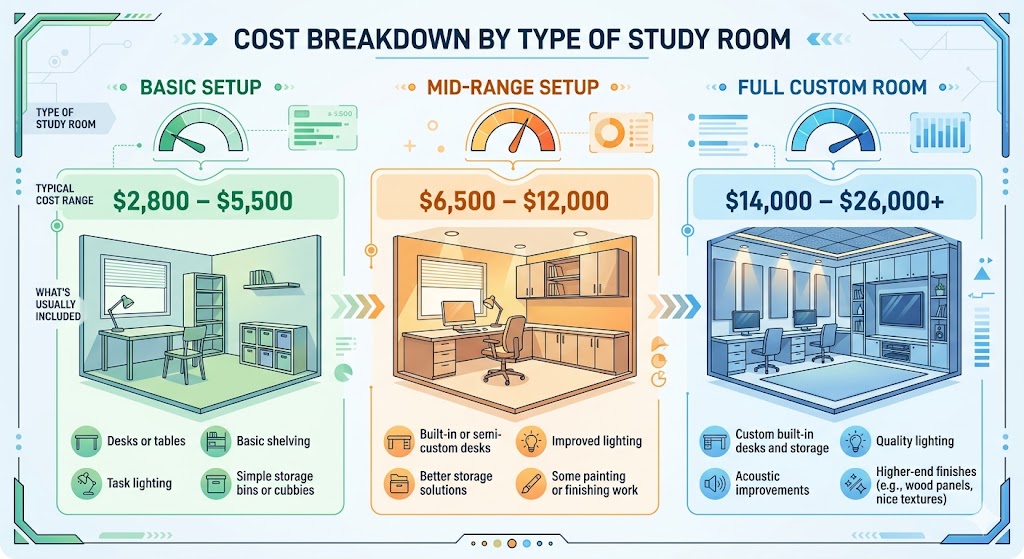
Cost Breakdown by Type of Study Room
| Type of Study Room | Typical Cost Range | What’s Usually Included |
|---|---|---|
| Basic Setup | $2,800 – $5,500 | Desks or tables, basic shelving, task lighting, simple storage bins or cubbies |
| Mid-Range Setup | $6,500 – $12,000 | Built-in or semi-custom desks, improved lighting, better storage solutions, some painting or finishing work |
| Full Custom Room | $14,000 – $26,000+ | Custom built-in desks and storage, quality lighting, acoustic improvements, higher-end finishes |
Starting Simple vs Going Custom
Many families find it helpful to start with a basic setup and upgrade over time. A simple version using good second-hand desks, proper lighting, and organized storage can work surprisingly well. Once you see how your kids actually use the space, you can decide whether to invest in built-ins or better finishes later.
On the other hand, if you know you want a long-term solution with multiple workstations and a clean, built-in look, investing in a mid-range or custom setup from the beginning often makes more sense. It avoids having to redo work later.
A Herriman Family’s Experience
A family in Herriman has three kids and created a simple shared study area for around four thousand dollars. They used existing desks and focused mostly on adding good lighting and individual storage bins. After a year they realized the kids needed more separation, so they added low dividers between the desks. The small upgrade helped reduce arguments and improved everyone’s focus without needing a full custom build.
Is It Worth Spending More?
It depends on your goals. If your main priority is simply giving kids a quieter place to work with decent lighting and storage, a basic or mid-range setup is usually enough. However, if you want a space that feels intentional, lasts for many years, and can comfortably accommodate multiple children, investing in better lighting, storage, and finishes is often worth it in the long run.
The most successful study rooms tend to be those that match how the family actually lives rather than trying to create something overly elaborate from the start.
Key Elements of a Good Kids Study Space
A successful basement study room doesn’t need to be fancy, but it does need to include certain key elements that support focus and organization. When these basics are in place, kids are much more likely to use the space consistently and develop better study habits over time.
Individual Workspaces
Each child should have their own designated area to work. This doesn’t necessarily mean every child needs a completely separate room, but they should have their own desk or clearly defined workspace. When kids share a single table without clear boundaries, it often leads to arguments over space and supplies.
Having their own workspace helps children feel a sense of ownership. It also makes it easier for them to keep their materials organized and return to their work without having to reset everything each time.
Good Lighting
Lighting is one of the most important — and often overlooked — elements in a study space. Poor lighting causes eye strain, headaches, and reduced focus, especially during evening homework sessions.
The best setups combine different types of lighting:
| Lighting Type | Purpose | Recommendation |
|---|---|---|
| Overhead Lighting | General room illumination | Use bright, even lighting for the whole space. |
| Task Lighting | Focused work on each desk | Essential. Each child should have their own adjustable desk lamp. |
| Natural Light | Reduces eye strain and improves mood | Position desks so light comes from the side to avoid glare on screens. |
Smart Storage
Good storage helps keep the study area functional instead of becoming a cluttered mess. Kids need easy access to their books, notebooks, pens, and other supplies without having to dig through piles.
A practical approach is to combine both open and closed storage:
| Storage Type | Best For | Benefit |
|---|---|---|
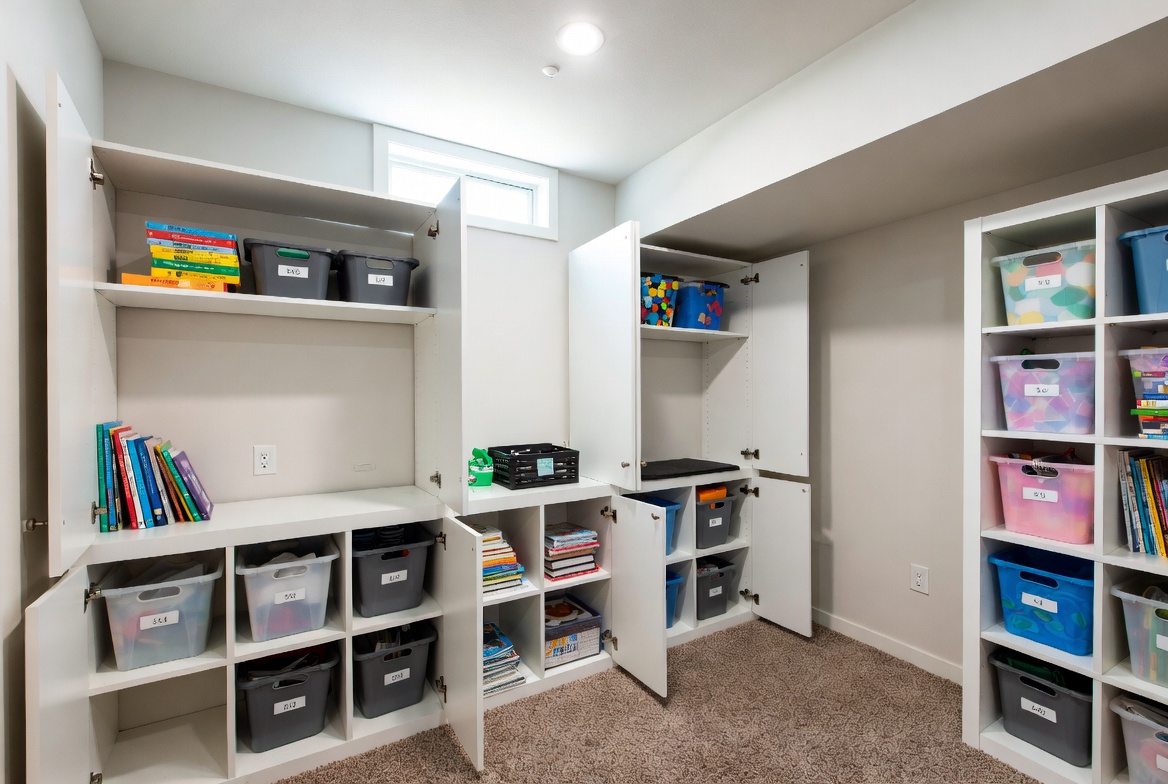
| Open Shelving / Cubbies | Daily items (textbooks, notebooks) | Easy to see and grab quickly |
| Closed Bins or Drawers | Less frequently used supplies | Helps hide clutter |
| Vertical Storage | Maximizing space | Wall shelves and pegboards keep desk surfaces clear |
Comfortable but Supportive Seating
Kids often spend long periods sitting while doing homework, so seating matters. Uncomfortable chairs can lead to poor posture and make it harder to focus for extended periods.
Look for chairs that offer good back support and are the right height for the desk. Adjustable chairs are ideal because they can grow with your child. Avoid overly soft or reclining chairs, as they can encourage slouching or make it too easy to get distracted.
Reasonable Quiet and Focus
While complete silence isn’t always realistic, the study space should feel calmer than the main living areas. Reducing background noise helps children concentrate, especially when working on reading, writing, or complex tasks.
Simple ways to improve quiet include:
| Method | How It Helps |
|---|---|
| Area Rugs | Absorbs sound from upstairs |
| Acoustic Panels | Reduces echo in the room |
| Strategic Placement | Keep the study area away from noisy mechanical equipment |
| House Rules | Limit loud activities directly above during homework time |
Quick tip: You don’t need to include every element perfectly from the start. Many families begin with good lighting and individual workspaces, then gradually improve storage and acoustics as they see what their kids actually need.
Layout and Zoning Ideas for Multiple Kids
When more than one child will be using the study room, the layout becomes one of the most important decisions you’ll make. Some siblings work well next to each other, while others get distracted or argue when they’re too close. A thoughtful layout can reduce conflict and help each child focus better.
Why Layout Matters with Multiple Kids
Kids have different personalities and study styles. Some thrive with a bit of company, while others need more personal space to concentrate. When children are forced to work too close together without clear boundaries, it often leads to distractions, arguments over supplies, or one child bothering the other.
A good layout creates enough separation so each child feels they have their own area, while still keeping the space easy to supervise. The goal is to reduce friction without completely isolating the kids from each other.
Popular Zoning Approaches
Here are some effective ways to arrange a study room for multiple children:
| Zoning Approach | Best For | Notes |
|---|---|---|
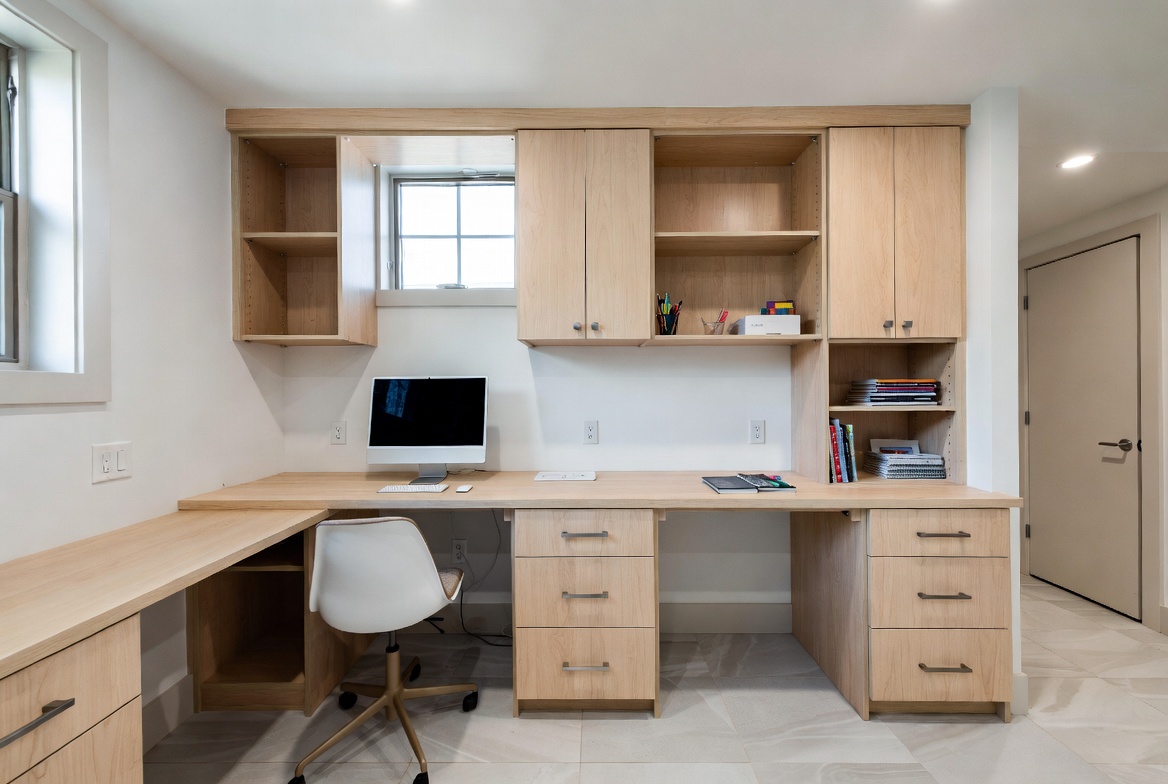
| Desks Along One Wall | Space-efficient setups | Simple and works well when kids don’t mind being near each other. |
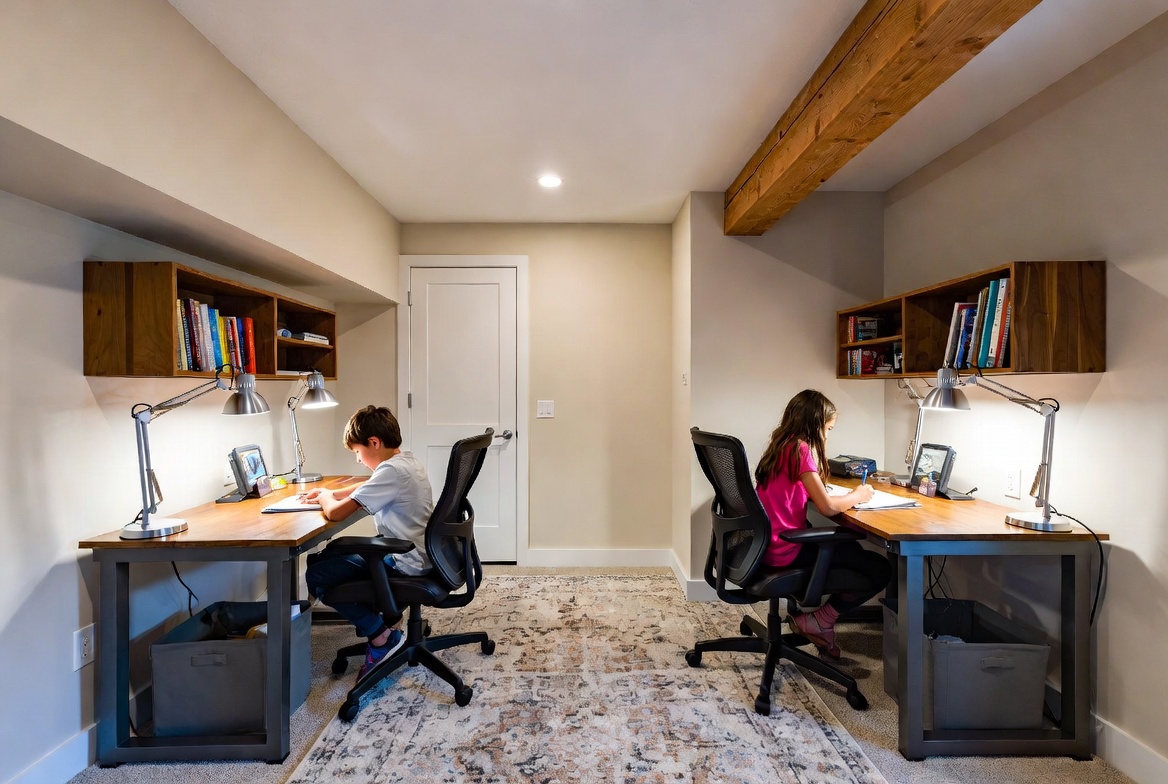
| Opposite Sides of the Room | Siblings who distract each other | Creates good visual and physical separation. |
| L-Shaped Arrangement | Balanced connection + separation | Each child gets their own wall while still feeling part of the same space. |
| Individual Zones with Dividers | Kids who need more privacy | Use low bookshelves or room dividers to create semi-private areas. |
| Shared Central Table + Individual Desks | Mixed work styles | Individual desks for focused work + a central table for group projects. |
Using Dividers and Boundaries
Low bookshelves, room dividers, or even a tall plant can be very effective at creating visual separation without making the space feel closed off. These boundaries help reduce distractions while still allowing parents to see what’s happening.
When using dividers, keep them relatively low (around 4 feet or less) so the room still feels open and connected. The goal is to give each child their own “zone” rather than creating fully separate rooms.
A Sandy Family’s Experience
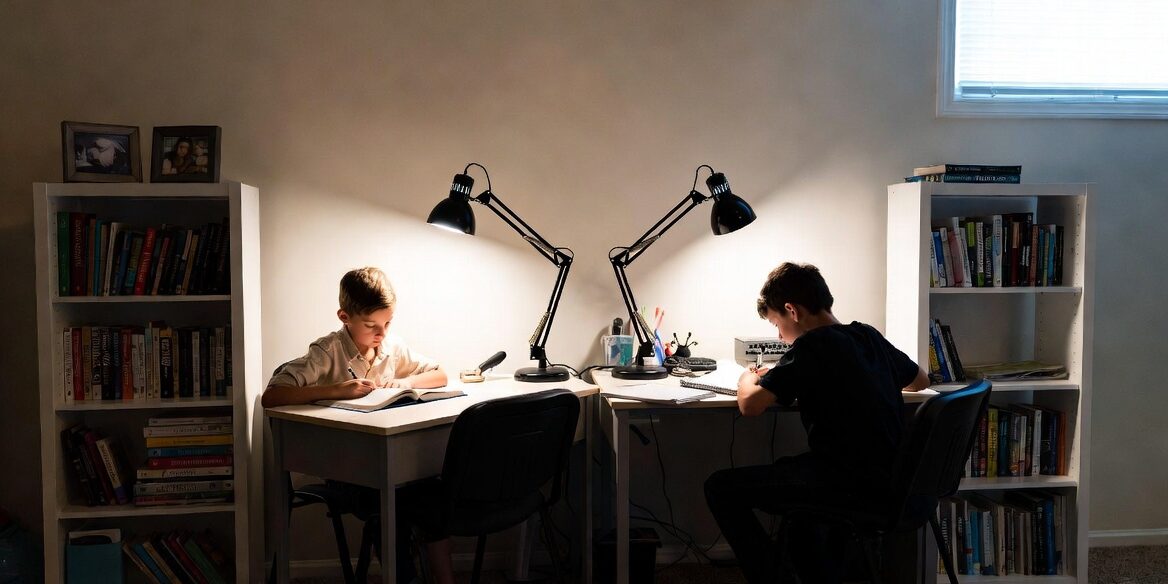
A family in Sandy has two boys who argue constantly when working near each other. They created two separate desk zones on opposite sides of the room with a low bookshelf between them. The simple divider reduced conflict significantly. The parents said giving each child their own visual space made homework time much calmer and more productive.
Considering Traffic Flow and Supervision
When planning the layout, think about how people will move through the space. Make sure there’s enough room for kids to get in and out of their chairs without bumping into each other. Also consider how easy it will be for you to check on them without disrupting their work.
A good layout usually allows you to see the desks from the doorway or main walking path, while still giving the kids enough privacy to focus. Avoid placing desks in corners that are completely hidden from view if you like to keep an eye on things.
Matching the Layout to Your Kids’ Ages and Personalities
Younger children often do better with more supervision and may prefer being closer together. Older kids and teens usually appreciate more independence and personal space. If your children have very different study styles, consider giving them more separation rather than forcing them to work side by side.
The best layouts are flexible. As your children grow and their needs change, you can adjust the furniture arrangement without needing major renovations.
Lighting, Desks, and Storage Solutions
The physical setup of a study room has a big impact on how well kids can focus. Among all the elements, lighting, desk space, and storage tend to make the biggest difference in daily use. Getting these three areas right helps create a space that supports concentration rather than working against it.
Lighting for Focus and Eye Health
Good lighting is one of the most important parts of a study room. Poor lighting causes eye strain, headaches, and makes it harder for kids to stay focused during longer study sessions.
The most effective setups use layered lighting rather than relying on a single source.
| Lighting Type | Purpose | Recommendation |
|---|---|---|
| Overhead Lighting | General room illumination | Use bright, even lighting. Avoid harsh or dim fixtures. |
| Task Lighting | Focused work on each desk | Essential. Each child should have their own adjustable desk lamp. |
| Ambient / Accent Lighting | Soft background lighting | Helps the room feel less harsh, especially in basements with little natural light. |
If your basement has windows, position desks so natural light comes from the side rather than directly in front or behind the child (to avoid glare on screens or papers).
Choosing the Right Desks and Work Surfaces
Desk size and quality matter more than many parents expect. When desks are too small, kids end up stacking books and papers, which creates clutter and makes it harder to stay organized.
| Factor | Why It Matters | Recommendation |
|---|---|---|
| Surface Area | Kids need space to spread out books, notebooks, and laptops | Aim for desks at least 48–60 inches wide |
| Height | Poor height leads to bad posture and discomfort | Match desk height to the chair so arms rest comfortably |
| Durability | Daily use includes spills, heavy books, and wear | Choose sturdy surfaces that are easy to clean |
| Simplicity | Too many small drawers often become messy | Fewer drawers on the surface usually stay cleaner |
Smart Storage Solutions
Good storage keeps the study room functional instead of becoming cluttered. The best systems combine different types of storage so everything has a logical place.
| Storage Type | Best For | Notes |
|---|---|---|
| Open Shelving / Cubbies | Daily items (textbooks, notebooks, planners) | Easy to see and grab quickly |
| Closed Storage (Drawers/Bins) | Supplies not needed every day | Helps reduce visual clutter |
| Desktop Organizers | Pens, small items, paper trays | Keeps the desk surface clear |
| Vertical Storage | Maximizing space | Wall shelves or pegboards free up desk space |
| Personal Bins / Drawers | Each child’s individual supplies | Reduces arguments over shared items |
The goal is to make it easy for kids to find what they need and put things away without it feeling like a chore. Overly complicated storage systems often get ignored.
Practical tip: Start with the basics — good task lighting on each desk, reasonably sized work surfaces, and enough storage for daily items. You can always add more organization tools later once you see what your kids actually use.
How to Reduce Distractions in a Basement Study Room
While basements are often quieter than main floor areas, they are not automatically free from distractions. Here are practical ways to help kids stay focused:
- Add rugs or acoustic panels to reduce noise from upstairs.
- Keep gaming devices and tablets in a different area during study time.
- Create a simple phone or device parking station outside the study zone.
- Use rugs or furniture arrangement to clearly define the workspace.
- Consider soft background noise or white noise if complete silence feels uncomfortable.
A West Jordan Family’s Experience
A mom in West Jordan noticed her daughter was easily distracted by noise from upstairs. She added a couple of acoustic panels on one wall and placed a thick rug under the desk area. Her daughter now says she can focus much better and actually prefers doing homework in the basement because it feels calmer and quieter.
Materials and Finishes That Work Well
Choosing the right materials for a basement study room is important because this space will see daily use from kids. The surfaces need to be durable, reasonably easy to clean, and able to handle the wear and tear that comes with schoolwork, snacks, and heavy backpacks.
While it’s tempting to focus only on looks, it’s smarter to prioritize materials that will hold up well over time and won’t create extra stress for you or your kids.
Countertops and Desktop Surfaces
The desktop is one of the most used surfaces in a study room, so it needs to be tough and low-maintenance.
- Quartz — Excellent choice. It’s durable, non-porous, and resists stains from pens, markers, and snacks. Very easy to clean.
- High-pressure laminate — A more affordable option that still performs well. Look for thicker, high-quality versions that won’t chip easily.
- Butcher block or wood — Can look nice but requires more maintenance and can show wear from heavy use over time.
- Cheap laminate or particle board — Often shows damage quickly from pencils, water rings, and general wear. Usually not worth the initial savings.
Flooring Options
Since kids will be sitting for long periods, the flooring should be comfortable and help reduce noise.
- Luxury Vinyl Plank (LVP) — One of the best choices for study rooms. It’s durable, waterproof, quiet, and comfortable underfoot.
- Carpet tiles or area rugs — Help absorb sound from upstairs and make the space feel warmer. Easy to replace if one section gets damaged.
- Hardwood or laminate flooring — Can work but tends to be noisier and less forgiving with spills or heavy furniture moving.
- Tile — Very durable but can feel cold and hard during long study sessions. Usually better as an accent rather than the main flooring.
Comparing Material Options
| Material | Durability | Ease of Cleaning | Noise Reduction | Best For |
|---|---|---|---|---|
| Quartz Desktop | Excellent | Very Easy | N/A | High-use study areas |
| Luxury Vinyl Plank | Very Good | Easy | Good | Most basement study rooms |
| Carpet Tiles / Rugs | Good | Moderate | Excellent | Reducing noise and adding warmth |
| Basic Laminate | Fair | Easy | Poor | Budget setups (short-term use) |
| Painted Walls | Good | Easy (with quality paint) | Moderate | Most study rooms |
Wall Finishes and Paint
For walls, choose paint that is easy to clean. Kids often lean against walls or touch them with dirty hands. A satin or eggshell finish is usually better than flat paint because it wipes clean more easily without showing marks as much.
If you want to add some character, consider an accent wall with a calming color or simple wallpaper. Just avoid anything too busy, as it can be distracting in a study environment.
An Orem Family’s Experience
A family in Orem used inexpensive laminate desktops when they first built their study area. After a year the surfaces were already showing wear from constant use, pencil marks, and water rings. They later upgraded to quartz and said it was worth the extra cost because the desks now look much better and are significantly easier to keep clean.
Investing in better materials for the surfaces that get the most use (especially desktops and flooring) usually pays off in both appearance and reduced maintenance over time.
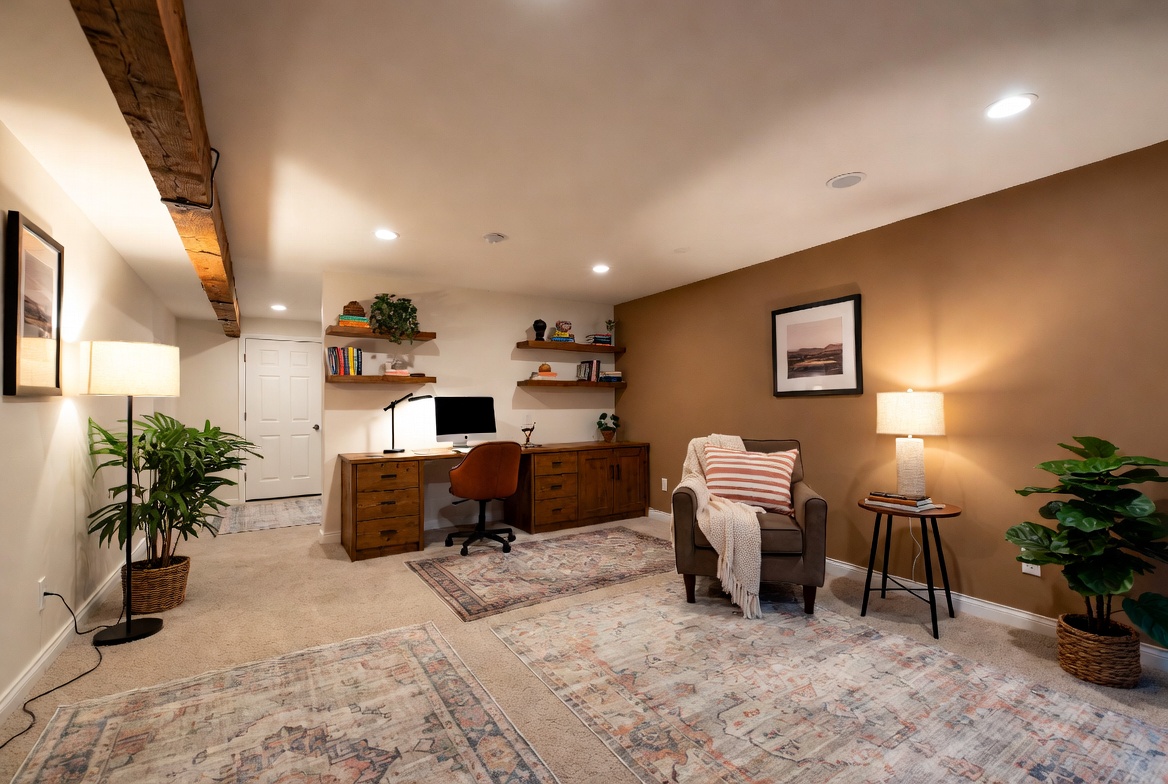
Common Mistakes When Creating a Kids Study Room
Many families run into the same issues when setting up a basement study room. These mistakes often come from focusing too much on how the space looks rather than how it will actually be used day to day. Avoiding these common pitfalls can save time, money, and frustration later.
| Common Mistake | Why It Happens | Better Approach |
|---|---|---|
| Making the space too small | Underestimating how much room kids need to spread out materials | Plan for each child to have their own workspace with room to move |
| Underestimating storage needs | Focusing on desks but forgetting books, supplies, and papers | Include both open and closed storage from the beginning |
| Poor lighting | Relying only on overhead lights or cheap lamps | Use layered lighting with individual task lamps on each desk |
| Bad location in the basement | Placing the study area near noisy equipment or high-traffic zones | Position the room away from furnaces, washers, or main walkways |
| Not involving the kids | Designing the space without asking what would help them focus | Get input from your children on layout and what they need |
| Overcomplicating the design | Trying to make it look perfect instead of functional | Focus on simplicity and what actually supports studying |
| Ignoring future needs | Designing only for current ages and school requirements | Build in flexibility so the space can adapt as kids get older |
Why These Mistakes Matter
When a study room is too small, poorly lit, or lacks enough storage, kids often end up avoiding it and doing their homework in less ideal spots (like the kitchen table or their bedroom floor). This defeats the purpose of creating a dedicated space.
Another common issue is designing the room based on what looks good rather than what works for your specific children. Every family is different — some kids need more separation, while others work better with a bit of company. Taking time to think about how your children actually study can prevent many of these problems.
How to Avoid These Mistakes
- Walk through the space and imagine your kids actually using it before finalizing the layout.
- Plan for more storage than you think you’ll need — kids tend to accumulate papers and supplies quickly.
- Prioritize good lighting and comfortable seating over decorative elements.
- Ask your children what would help them focus instead of assuming you know what they need.
- Start with the basics and improve the space over time as you see what works.
Most of these mistakes are much easier and cheaper to fix during the planning stage than after the room is already built.
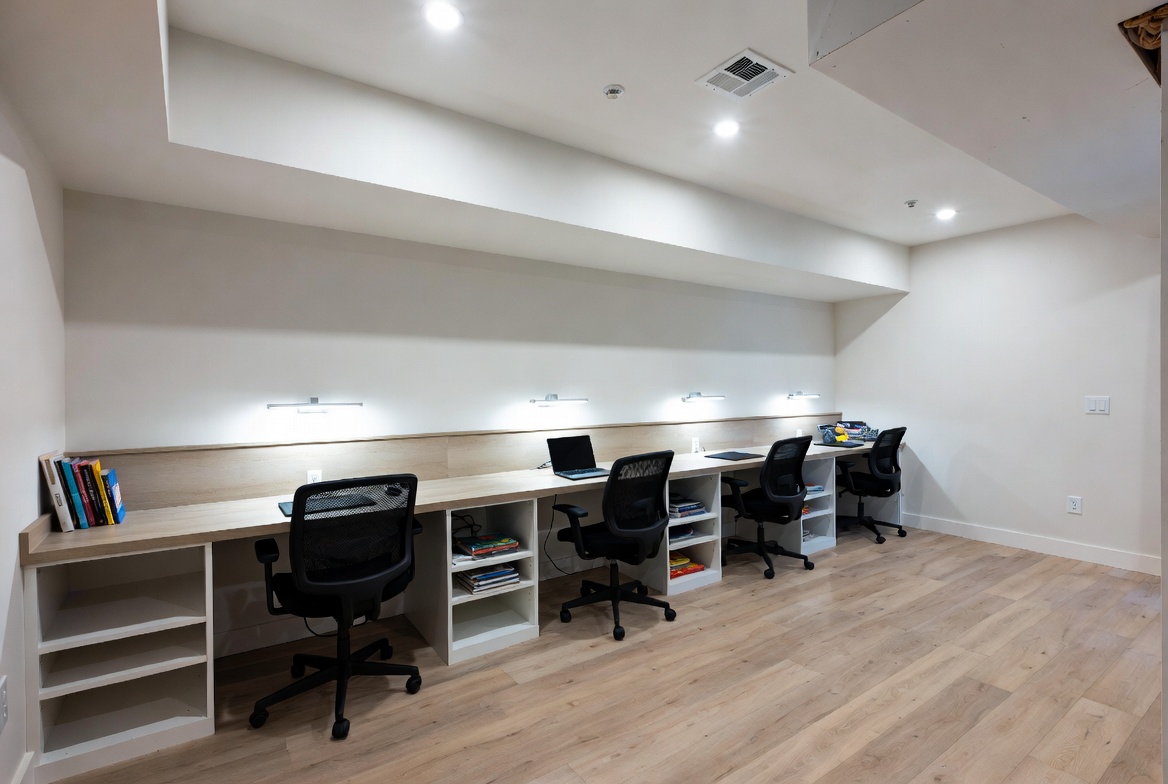
What to Think About Before You Start
Think about how your children actually study. Some kids concentrate better when they can see each other, while others need more privacy. Consider how many children will use the space at the same time and what their current ages are.
Also think about future needs. A setup that works for younger children may need adjustments as they get older and have more books, technology, and projects. Building in some flexibility from the beginning can save time and money later.
Practical tip: Ask your kids what would help them focus better. Small details like desk placement or how much personal storage they have can make a surprisingly big difference in how the space gets used.
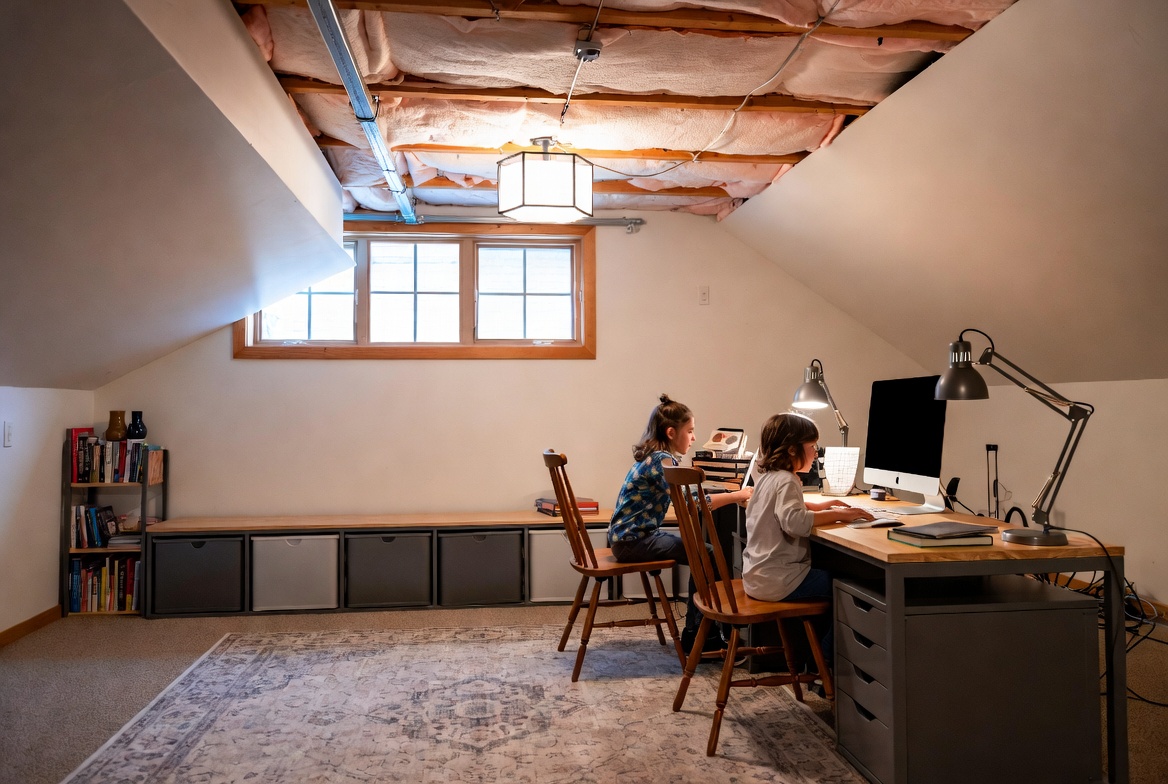
Final Thoughts
A basement homework and study room doesn’t need to be elaborate to be effective. The most useful spaces are usually well-lit, reasonably organized, and quiet enough for concentration. When kids have a consistent place to work, homework time often becomes smoother for the whole family.
Start with what your family needs right now and leave room to adjust as your children grow. A thoughtful study space can become a valuable part of your home for many years.
Frequently Asked Questions
How much space do I need for a kids study room?
For one or two kids, a 10×10 or 10×12 space is usually enough. If you have more children or want each child to have their own desk with room to spread out, you’ll likely need a larger area (around 12×14 or more).
Is natural light important in a basement study room?
Yes, natural light helps with focus and mood. If your basement has windows, try to position desks near them when possible. However, strong artificial task lighting is still essential, especially for evening homework.
Should each child have their own desk?
It depends on your children. Some siblings work well together, while others get distracted easily. Low dividers or placing desks on opposite sides of the room can help create individual zones when needed.
How can I make the basement feel warmer and more inviting for studying?
Use warm paint colors, add area rugs, and include comfortable seating. Good lighting and a few personal touches (like a small plant or their own storage) also help the space feel less cold and more welcoming.
What’s the best way to reduce noise from upstairs?
Thick rugs, acoustic panels, and a solid door make a big difference. Placing the study area away from the stairs or mechanical equipment (like furnaces or washers) also helps significantly.
How do I handle kids with very different study habits?
Give them some separation. One child might need complete quiet while another prefers background noise. Using dividers or placing desks farther apart can help reduce friction between different personalities.
Should I include computers or charging stations in the study room?
It depends on your children’s ages and needs. For older kids doing research or online work, having a charging station and space for laptops is useful. For younger kids, it’s often better to keep screens in a more supervised area.
How important is it to involve my kids in the design?
Very important. When kids have some input on the layout or how their space is organized, they’re much more likely to actually use it. Even small decisions (like where they want their desk to face) can increase ownership.
Basement Study Room Ideas • Kids Homework Room • Basement Learning Space Utah

Bryant Bitner
Founder & Lead Project Manager, Pro-Worx Construction
Bryant leads Pro-Worx Construction and has helped many Utah families create functional basement spaces. He focuses on practical designs that fit real family life, whether it’s a simple study corner or a full custom homework room.
When he’s not on job sites, he enjoys talking with parents about what actually works for their kids rather than what looks good in photos.