In This Article
- 01Start With the Space, Not the Equipment
- 02The Essentials (Under $1,500)
- 03The Intermediate Setup ($3,000 – $6,000)
- 04The Advanced Setup ($8,000 – $15,000)
- 05Flooring Matters More Than People Expect
- 06Climate Control Is the Upgrade Nobody Budgets For
- 07Cost Summary by Tier
- 08Don't Forget Programming
- 09Buying New vs. Used
- 10FAQs
- 11Final Thoughts
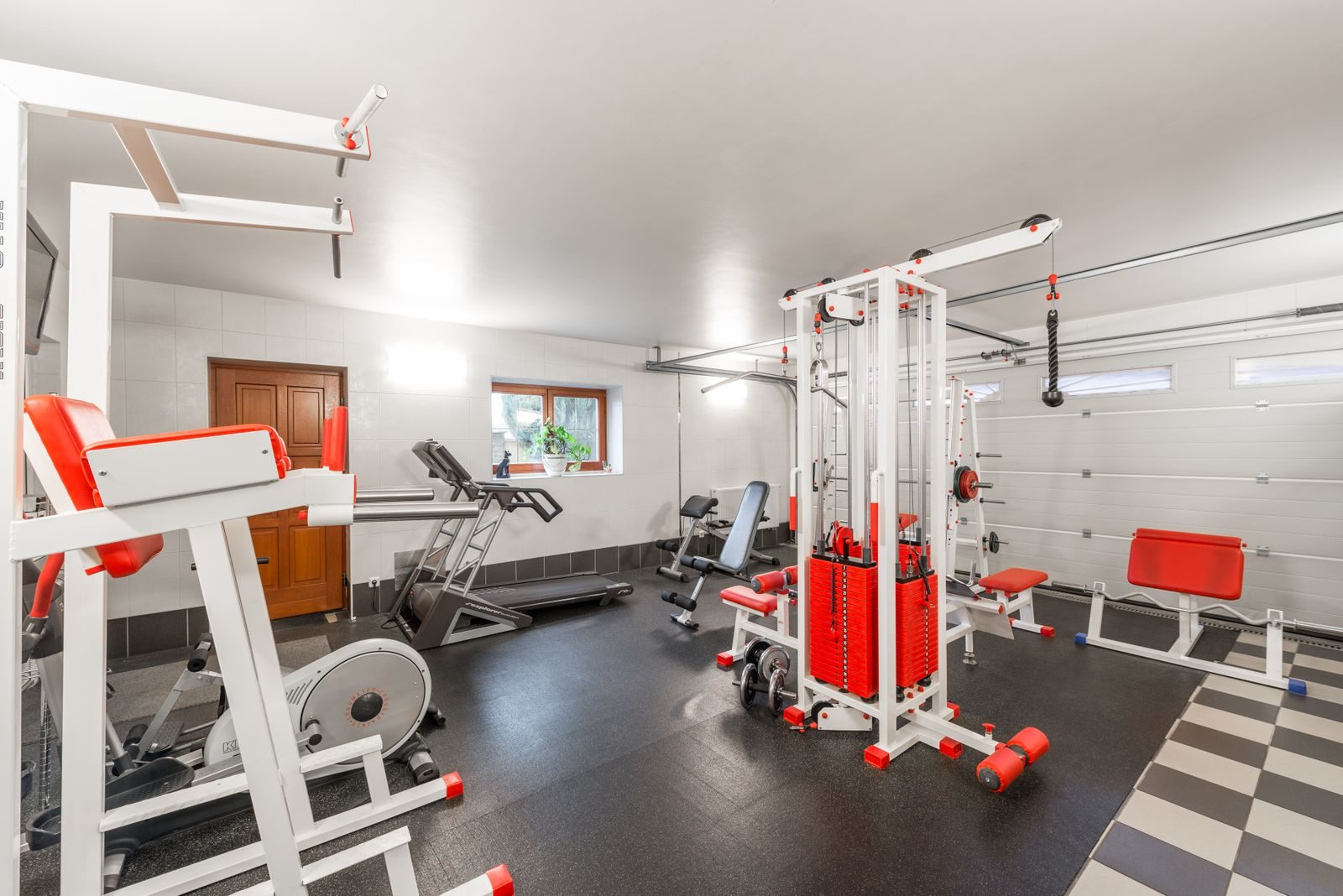
Building a home gym doesn't mean filling a warehouse with chrome machines. With the right foundational pieces, you can get a legitimately world-class workout out of a corner of your basement or garage. Here's how we guide first-time home gym owners through what to buy, in what order, based on budget and goals.
Start With the Space, Not the Equipment
Before anyone picks out a barbell, figure out what the room can actually support. You want at least 8 feet of ceiling height for overhead presses and any Olympic lifting, and ideally closer to 9 feet if you're building in a basement with ductwork hanging down. A 10x10 foot area, 100 square feet, is enough for a genuinely complete setup; you don't need a three-car garage to get this right.
The Essentials (Under $1,500)
This tier covers roughly 80% of useful exercises and fits into a corner of almost any basement or garage.
- Adjustable dumbbells, Powerblocks or Bowflex SelectTech are the two most common choices, usually $300 – $600 for a pair covering a wide weight range.
- A flat/incline adjustable bench, $150 – $300.
- Resistance bands (a set covering light to heavy tension), $30 – $80.
- A doorway or wall-mounted pull-up bar, $30 – $120.
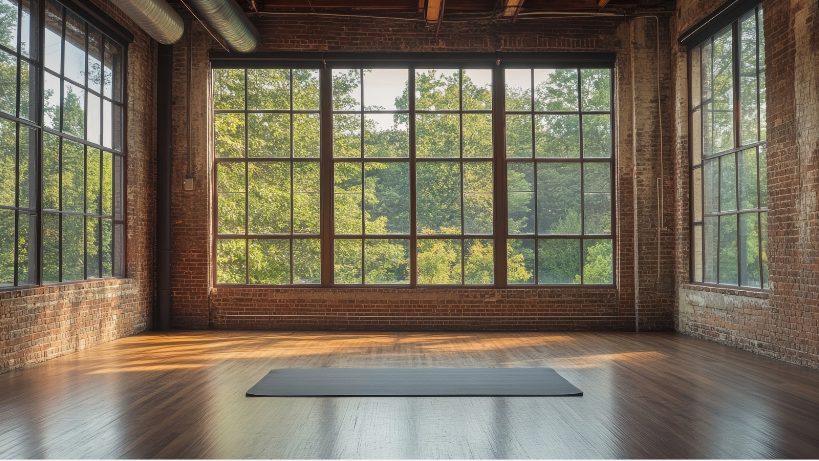
- A quality yoga or exercise mat, $30 – $60.
The Intermediate Setup ($3,000 – $6,000)
Once the basics are in place, this is where most serious home gyms land, and it covers every major muscle group with real progressive overload capability.
- A squat rack or power cage with a barbell and Olympic plates, $800 – $1,800. If you plan to deadlift, spend the extra on bumper plates rather than standard iron plates.
- A cable pulley system or functional trainer attachment, $500 – $1,500.
- A compact cardio machine, a rowing machine, air bike, or folding treadmill, $600 – $2,000.
- A second bench or adjustable rack attachments (dip bar, landmine), $200 – $500.
Thinking about a home gym project of your own?
Get a Free EstimateThe Advanced Setup ($8,000 – $15,000)
At this tier, your home gym starts rivaling most commercial facilities, and it's what we build for clients who train seriously or coach others.
- A full power rack with a lat pulldown and low-row attachment, $1,500 – $3,000.
- Multiple barbells, an Olympic bar, a trap/hex bar, and an EZ curl bar, $600 – $1,200 total.
- A full dumbbell set (fixed-weight rack, not adjustable), $2,000 – $5,000 depending on weight range.
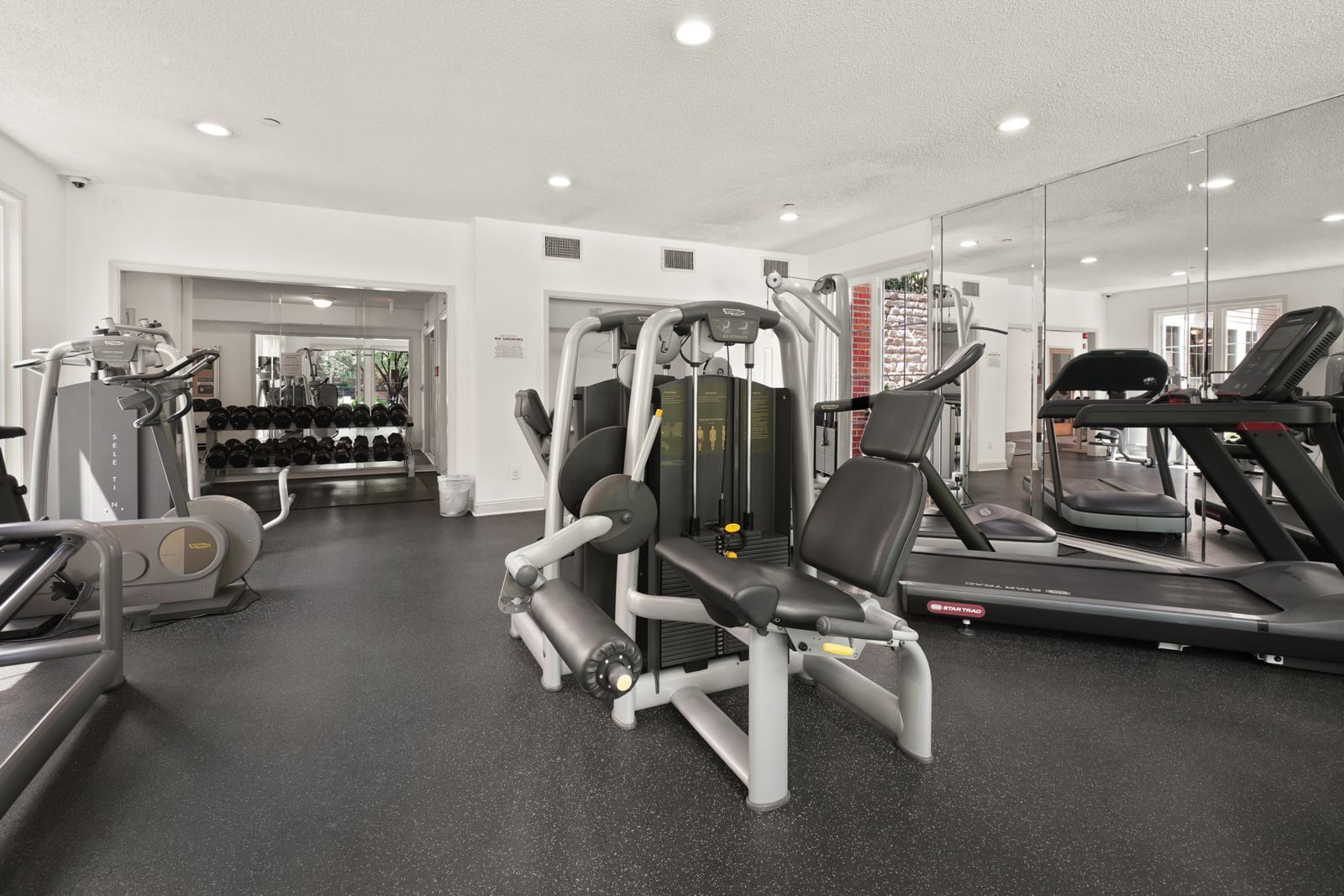
- Plate-loaded machines (leg press, chest press), $1,500 – $4,000 each.
- A GHD (glute-ham developer) for posterior chain work, $400 – $800.
- A premium cardio piece, a Concept2 rower or an Assault Bike, $900 – $1,800.
Flooring Matters More Than People Expect
Don't skip the flooring to save money for equipment, it's a mistake we see constantly. Rubber gym mats, ¾ inch thickness minimum, protect your subfloor from dropped weights, cut down on noise transmission to the rest of the house, and give you a stable, non-slip surface underfoot. For anyone doing heavy deadlifts, build a dedicated lifting platform using two layers of plywood with a center strip of rubber matting, this isolates the impact to one reinforced spot instead of stressing the whole floor.
Climate Control Is the Upgrade Nobody Budgets For
A dedicated mini-split HVAC unit changes how often you actually use the room. Basements run cold and a little musty without one; garages swing from freezing in a Utah January to brutal by July. A mini-split keeps the space usable year-round and typically runs $1,500 – $3,000 installed, including the electrical work. We'd rather see a client cut one piece of equipment from the order and add the mini-split, since a room that's uncomfortable to train in doesn't get used no matter how good the equipment is.
Thinking about a home gym project of your own?
Get a Free EstimateCost Summary by Tier
| Tier | Key Equipment | Approx. Investment |
|---|---|---|
| Essentials | Adjustable dumbbells, bench, bands, pull-up bar, mat | Under $1,500 |
| Intermediate | Power cage, barbell, plates, cable system, cardio | $3,000 – $6,000 |
| Advanced | Full rack, multiple barbells, dumbbell set, plate machines | $8,000 – $15,000 |
| Flooring (any tier) | ¾" rubber mats or lifting platform | $500 – $2,500 |
| Climate control (any tier) | Mini-split HVAC, installed | $1,500 – $3,000 |
Don't Forget Programming
Equipment doesn't train you, a program does. If this is your first real home gym, it's worth spending $10 to $30 a month on a structured app, something like a basic strength program through an app such as Strong, or a simple printed plan from a coach, rather than wandering into the room and winging it. Resistance bands in particular are easy to underuse; a basic set given a real warm-up and activation routine does more for shoulder and hip health than most people expect from a $50 accessory.
Buying New vs. Used
Barbells, plates, benches, and racks hold up extremely well used, since they're mostly steel with no moving electronic parts, and buying secondhand off Facebook Marketplace or a local gym liquidation can cut your equipment cost by 30 to 50%. We're more cautious recommending used cardio equipment, treadmills and bikes with motors and electronics can have hidden wear that's hard to spot before you own it, so we generally tell clients to buy those new or from a reputable refurbished dealer with a warranty.
Thinking about a home gym project of your own?
Get a Free EstimateFAQs
What should I buy first if I only have $500?
Adjustable dumbbells and a bench. That combination alone covers a huge range of strength exercises and gives you the most versatility per dollar before you've invested in anything bigger.
Do I need a power rack right away?
Not for your first few months. Most people are better served building strength and consistency with dumbbells and bodyweight work first, then adding a rack once they know they're sticking with it and want to progress into barbell training.
How much weight should I plan for when buying a bench and rack?
Most home benches are rated for 600 to 1,000 lbs combined load, which covers nearly every home gym user. Racks vary more; check the weight capacity on the rack itself, not just the bench, since a cheaper rack can be the actual limiting factor.
Can I really get a good workout in 100 square feet?
Yes. A squat rack footprint is roughly 4x4 feet, a bench takes another small strip, and dumbbells store on a compact rack against the wall. 100 square feet, laid out well, comfortably fits an intermediate setup.
Final Thoughts
Start with what you'll actually use consistently, and let the gym grow with you rather than trying to buy the finished version on day one. The flooring and climate control matter just as much as the equipment itself, since a room that's uncomfortable or loud enough to rattle the house upstairs is a room that stops getting used within a few months. Build it right once, and every workout after that is free.
Ready to Start Your Home Gym Project?
Get a free consultation and estimate from Utah's trusted home renovation experts.

Bryant Bitner
Founder & Lead Project Manager, Pro-Worx Construction
Bryant leads Pro-Worx Construction and has helped hundreds of Utah families plan and build renovations they actually use, from basement finishes to full home remodels. He focuses on honest scoping, code compliance, and clear numbers from the first conversation.